










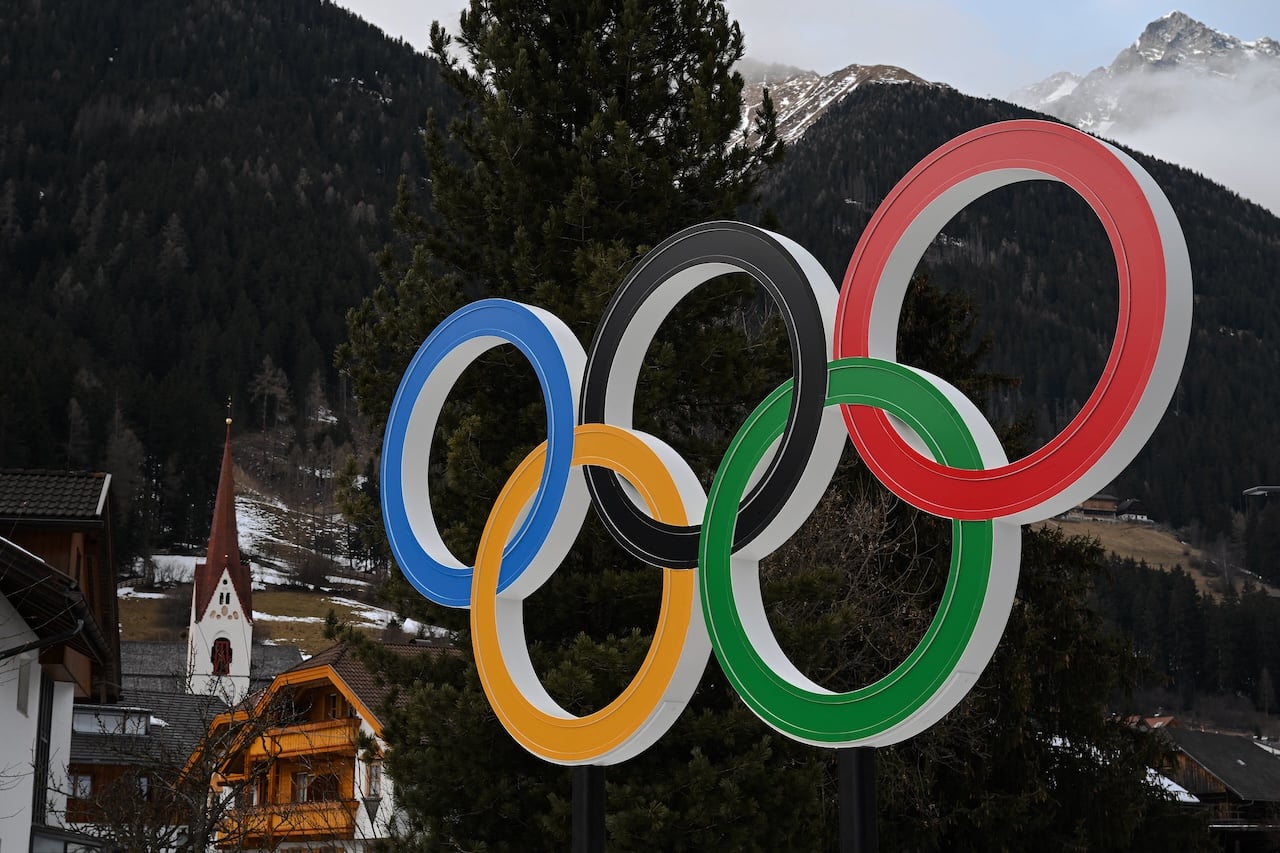
When the Milano Cortina 2026 Winter Olympics arrive, Northern Italy won’t just be hosting the world — it’ll be putting on a masterclass in how to travel. The only catch? The Olympics tend to trigger a specific kind of panic-planning: people try to see everything, book everything, do it all in one frenetic itinerary… and end up exhausted, overpaying, and spending half their trip in transit.
But travel expert Kathy McCabe, host of PBS’ Dream of Italy and editor-in-chief of Dream of Italy Magazine, is encouraging a different approach: one that’s calmer, smarter, and (very importantly) more Italian.
Her advice, in short, is about experiencing the Olympics as a cultural moment — not a logistical endurance sport. After all, the Milano Cortina Games are poised to be unlike any Olympics we’ve seen before.
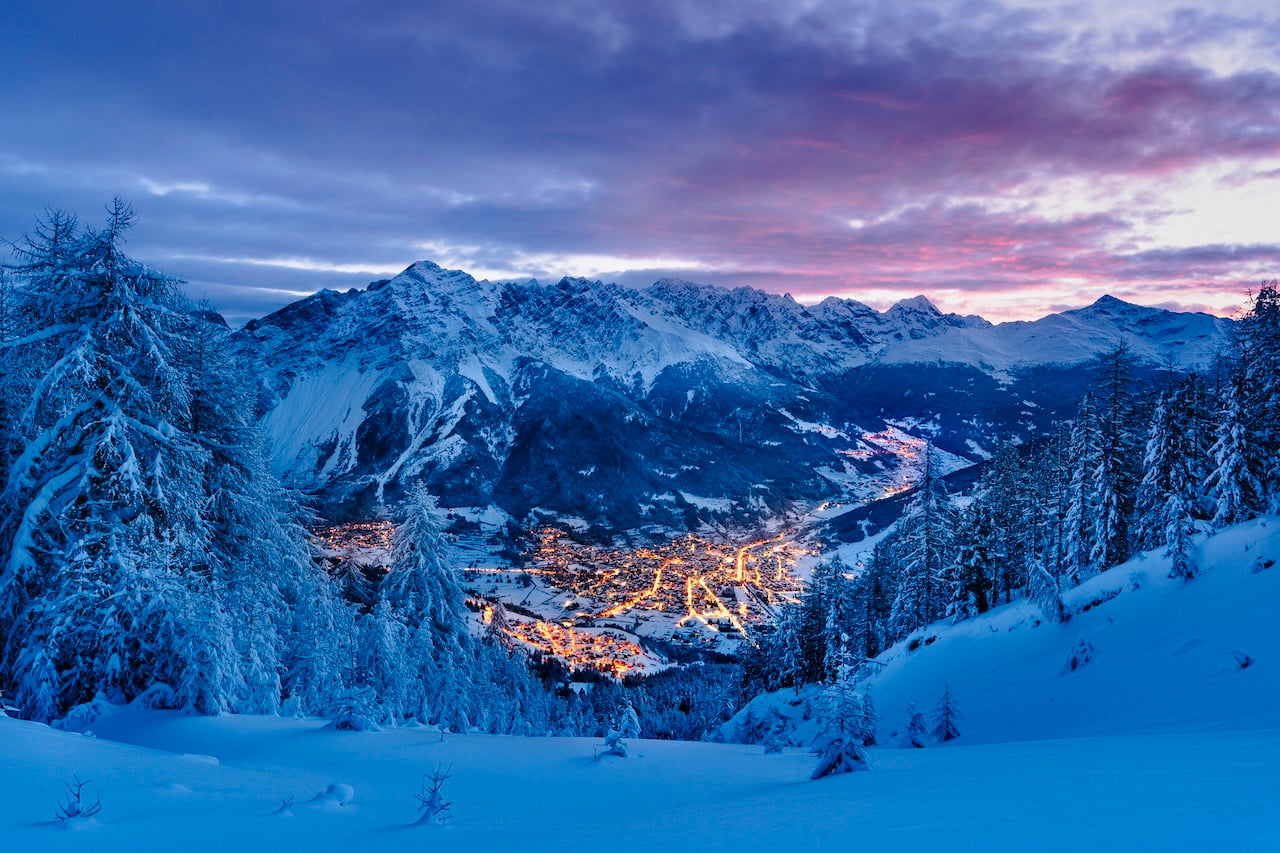
In an exclusive interview with GRAZIA USA, McCabe explains, “it’s the most spread out geographically in history,” which she finds fascinating because “the world will be able to see multiple regions of Italy — big cities, small towns, areas that were influenced by Germany and Austria, and areas that are more traditionally Italian.” That diversity, she adds, is what makes the moment so exciting.
The geographic sprawl isn’t a downside — it’s the secret weapon. It opens the door to what we’re calling the “Quiet Olympics”: a way to chase the Olympic atmosphere without sacrificing the slow-living, aperitivo-fueled, scenery-first magic that makes Italy, well… Italy.
GRAZIA’s Milano Cortina 2026 Travel Guide:
Keep scrolling for the ultimate travel guide on where to stay, wander, and unwind during the 2026 Winter Olympic Games — without sacrificing style or serenity!
Why Milano Cortina 2026 Will Feel Different
McCabe has been scouting the Olympic regions firsthand — and what stands out isn’t just the scale, but the variety. She notes that travelers will experience everything from major cities to small alpine towns, and that contrast becomes even clearer once you’re on the ground. “Every few kilometers, it’s a little different. Every town has a different cuisine,” she says, describing Italy as “a collage” and “a mosaic” made up of countless layers.
That depth is exactly why the best Olympics trip won’t be about ticking off the maximum number of venues. It’ll be about choosing the right bases — and letting Italy do what it does best: seduce you slowly.
The #1 Itinerary Mistake People Will Make
One of the most important — and practical — travel tips from McCabe is not to treat Milan and Cortina like a day-trip relationship.
After a recent scouting trip through Milan, Cortina, and Verona, she’s blunt about logistics, explaining that “I don’t think you’re going to stay in Milano and try to go for the day to Cortina. That’s just not possible.” Instead, she recommends building the trip around two anchors. “I think a great way is to pick two locations and stay multiple days,” she says.
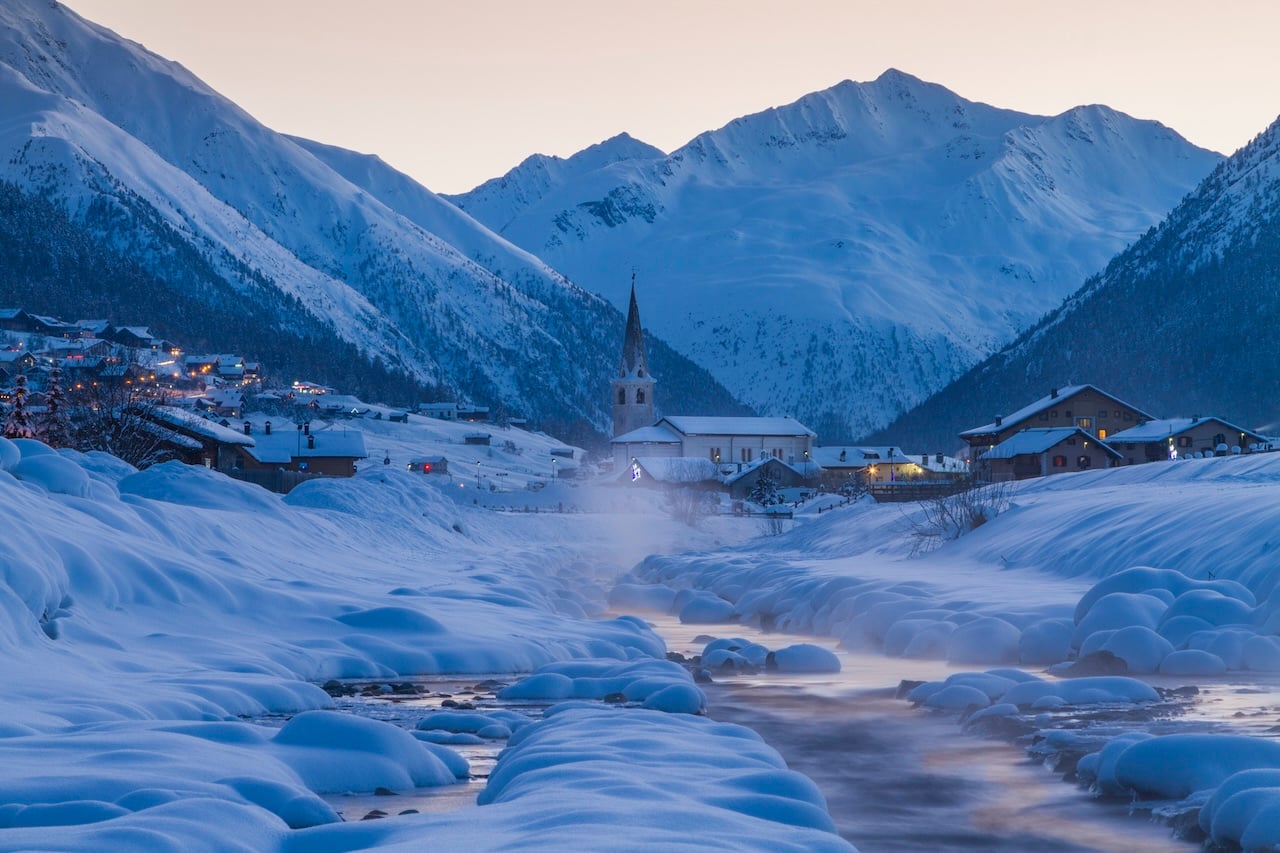
Her ideal structure involves a few days in Milan followed by relocating to one of the mountain hubs — Cortina, Predazzo, Livigno, or Bormio — depending on which events or experiences matter most to you. That’s the Quiet Olympics formula: base yourself well, then explore outward.
Where to Stay for a Chic, Calm Olympics
Yes, the Olympics can bring sticker shock — especially around tickets — but McCabe’s accommodation advice is encouragingly grounded. There are still stylish ways to do this, particularly if you plan early and choose smart bases.
Cortina
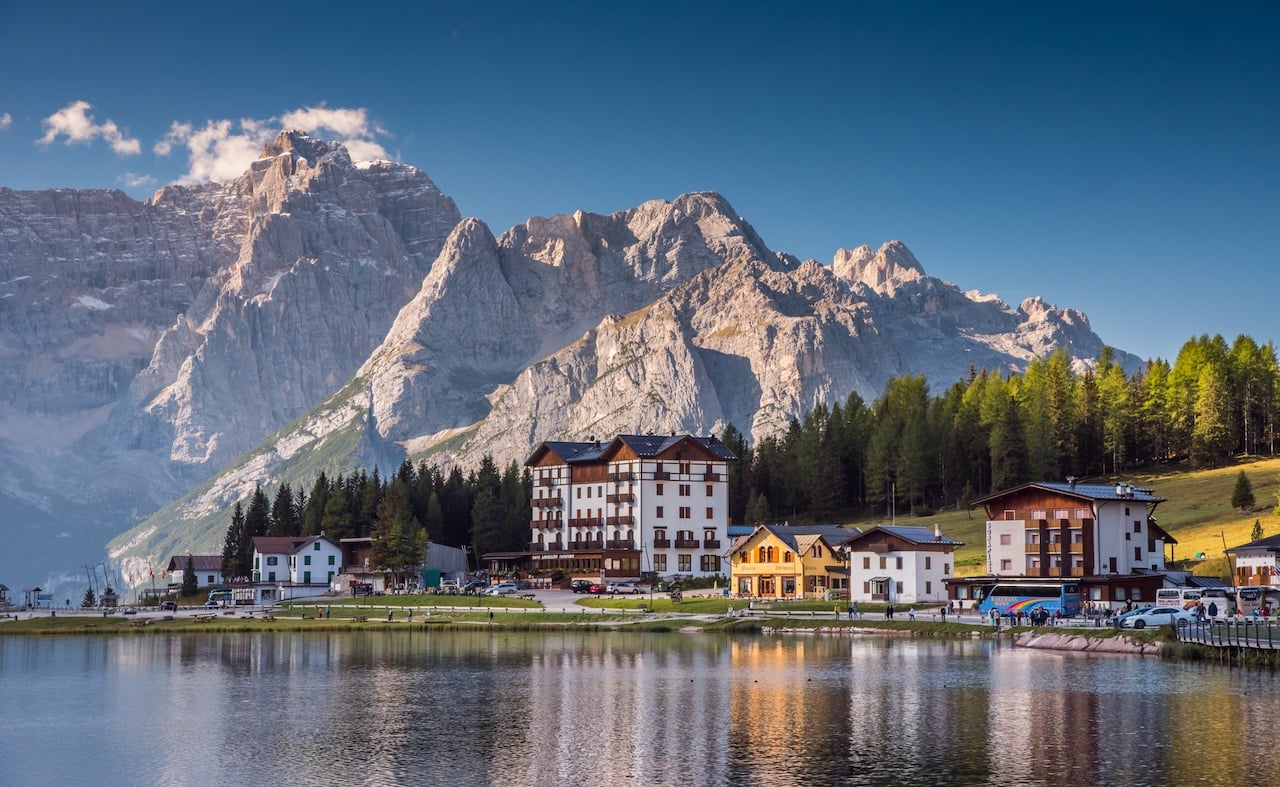
In Cortina, McCabe recently stayed at Rosapetra SPA Resort during her scouting trip and doesn’t hesitate to praise it. “I love Rosapetra — and I’ve been to hundreds of hotels in Italy. It’s definitely up there as one of my favorites,” she says, also pointing to Faloria Mountain Spa Resort as another standout alpine option.
Milano
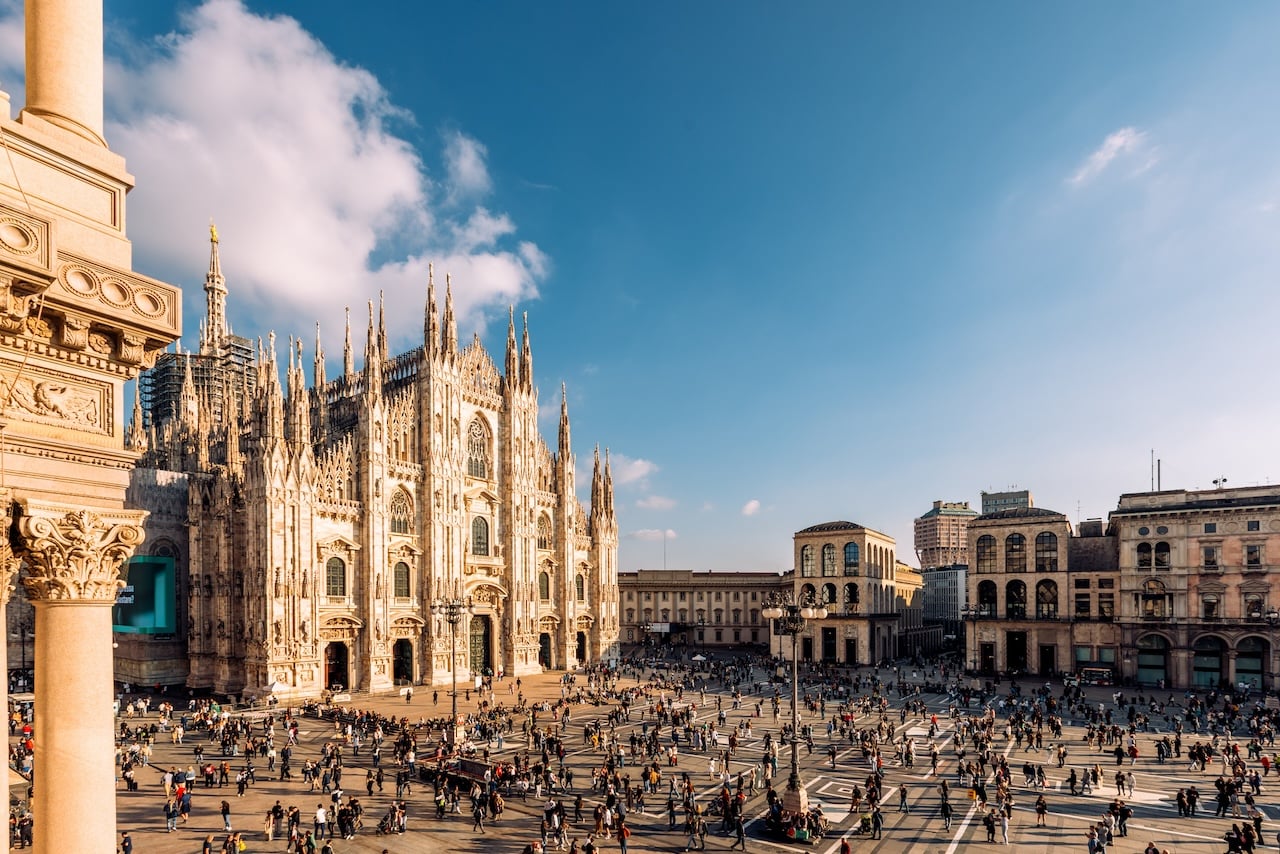
For Milan, she mentions she’ll be staying at a new boutique property called Casa Brivio, and also highlights Nemi Hotel, another newer hotel she recently stayed at while researching a broader feature on emerging properties in the city.
Verona
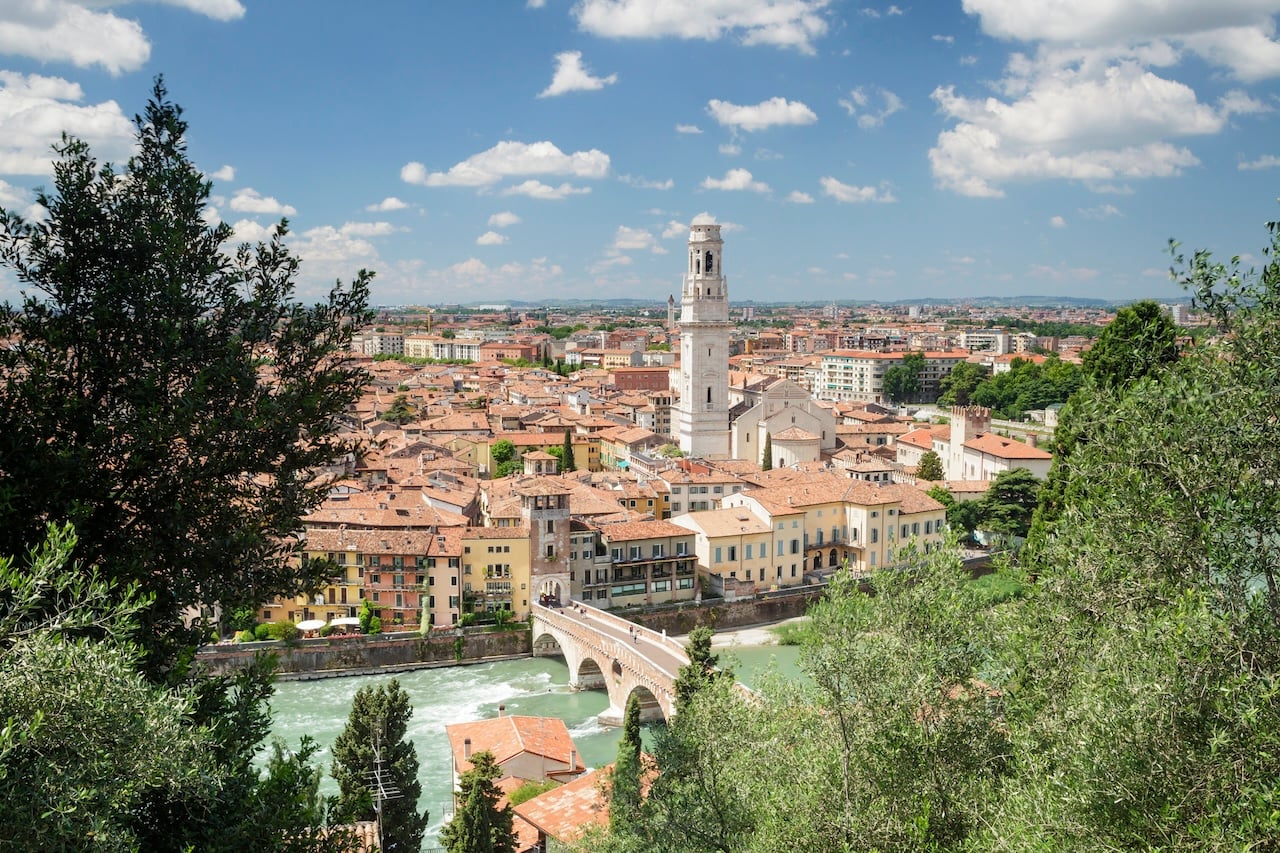
If you’re pairing Milan with another destination, Verona makes a cinematic addition. “Verona is going to be incredible,” McCabe says, calling the Arena “one of the most exquisite places in Italy.” She recommends Hotel Milano, which overlooks the Arena and offers rooftop views directly onto the historic site.
For travelers craving a quieter, romantic base, McCabe suggests Lake Garda. She stayed at Cape of Senses and ranks it highly, calling it “top five of my favorite hotels in Italy.” Located about 30 minutes from Verona, the property even offers a package with transfers to the closing ceremonies.
Airbnb
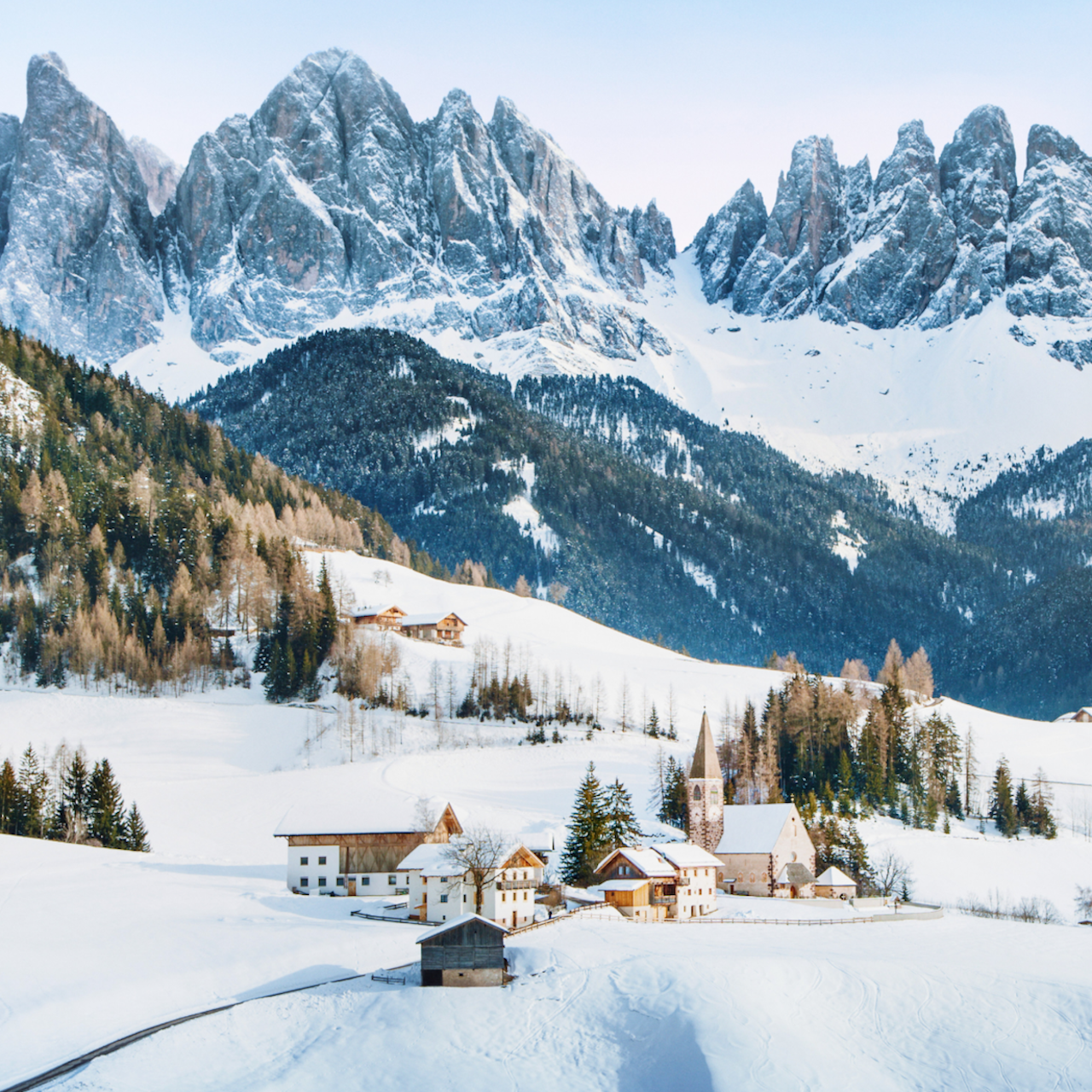
She also points travelers toward a helpful planning tool, noting that “AirBnB has a microsite for the Olympics,” which brings together listings across regions — from Milan apartments to Dolomites chalets — making multi-stop trips easier to plan.
How to Soak Up the Olympics, Without Buying Tickets to Every Event
Tickets can be expensive, and not everyone wants a schedule that looks like a corporate offsite spreadsheet. McCabe encourages travelers to think of the Olympics as a citywide atmosphere rather than just a series of events.
One of the most exciting alternatives is the Cultural Olympiad, which she previewed in Milan. She explains that it includes museum exhibitions and concerts spread across Northern Italy, offering cultural entry points that don’t require a stadium seat.
She also predicts organic gathering points throughout the cities. In Milan, she expects people to congregate near the Duomo, while in Cortina, she suggests soaking up the energy along Corso Italia. “You could go to a bar, and you can have an aperitivo,” she notes as a fun and social way to soak up the Olympic energy, without having to go to the actual events.
Her biggest advice is to be selective with tickets if you are looking for ways to affordably attend the Olympics. “Maybe buying that one ticket, and go to that one event,” she suggests, adding that not all tickets are prohibitively expensive. “Some are about €50, €70,” she adds, making it possible to experience the Games without overspending.
The Unexpectedly Iconic Olympics Accessory: Pins
If you want a truly insider detail, McCabe insists Olympic pins are the ultimate souvenir. She explains that “every sport, every country, all the sponsors, have these little pins that they create.” She fell in love with pin culture during the Torino Olympics 20 years ago and says simply, “The pins are the thing. It’s a huge thing.”
She’s even created a Dream of Italy Olympic pin herself — proof that the Quiet Olympics can still be playful and communal.
Slow Living Rules for Olympics Season
If your goal is to travel well — not just travel fast — McCabe’s slow-living rules are essential. “Stay at least three days. Don’t do this: run in, run out,” she advises.
Another insider tip? Food, she says, is the gateway to understanding any Italian place.
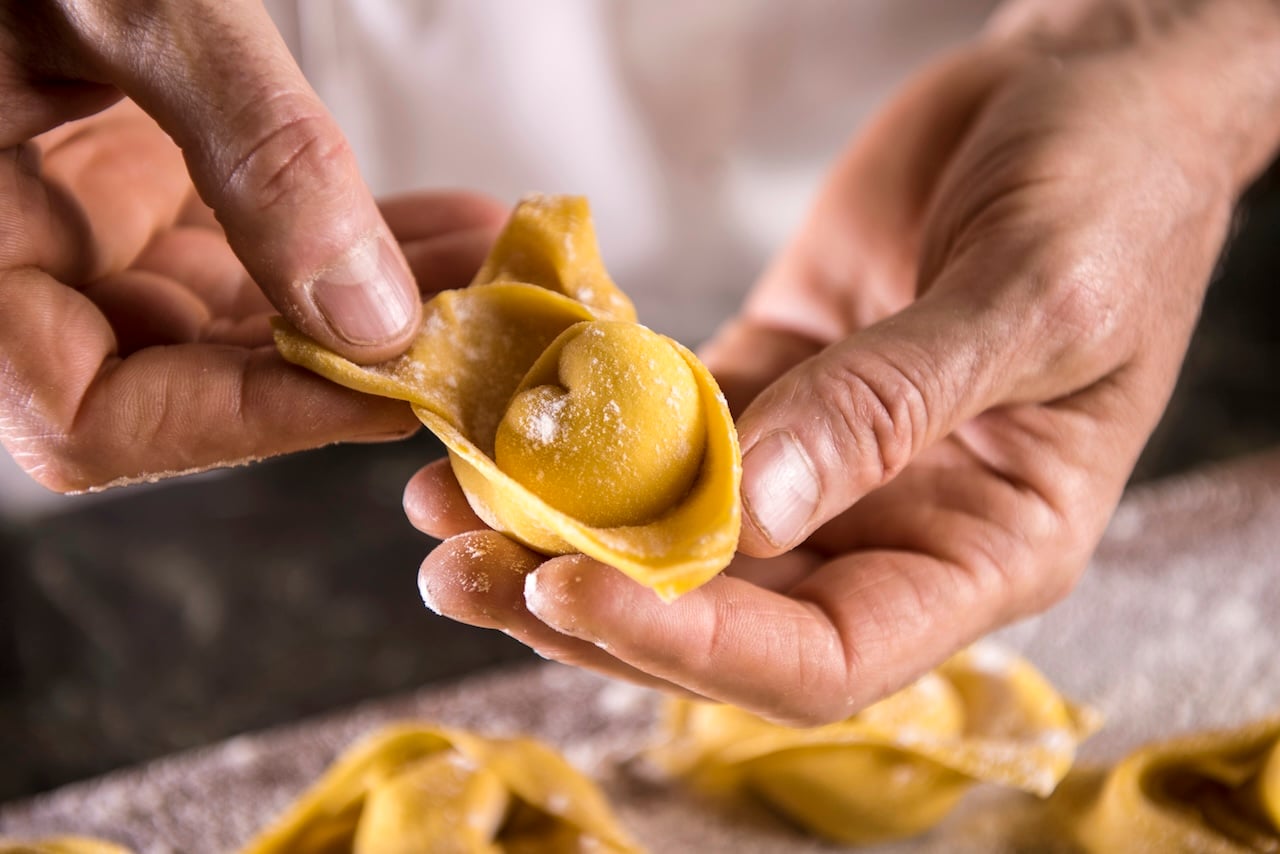
“I always recommend trying to do something with food,” whether that’s a cooking class, food tour, or regional tasting. She also encourages travelers to involve locals whenever possible — from vintage shopping in Milan with a personal shopper to attending opera performances across Northern Italy.
If you’re visiting during Olympics season, you may also overlap with Carnival. “We’ve got Carnivali going on the same time as the Olympics,” she explains, emphasizing that it’s not limited to Venice. She suggests hands-on experiences like mask-making, costume workshops, or visiting towns like Viareggio that are famous for their celebrations.
Under-the-Radar Escapes Near the Olympic Hubs
This is where the Quiet Olympics truly shine: using the Games as a gateway to places you might never have searched otherwise.
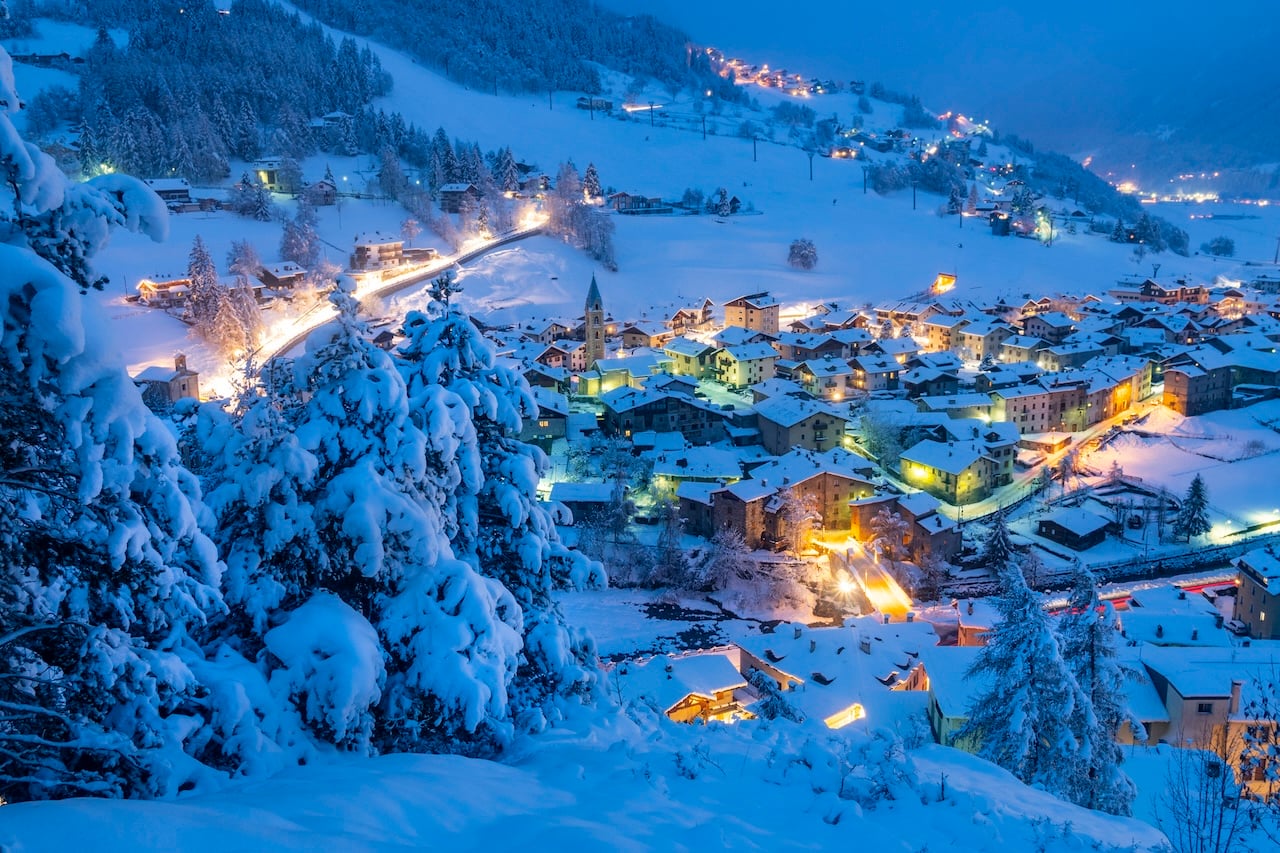
McCabe is especially drawn to Bormio, thanks to its thermal springs and winter culture. “I’m a hot springs fiend,” she admits, along with pointing to the area’s World War I history and outdoor adventures.
For a lesser-known escape near Lake Como, she recommends Lake Annone. “It’s an hour from Milan. Nobody knows it,” she says, noting that she didn’t see another American during her visit — a reminder that Italy still has plenty of secrets if you look beyond the obvious.
Transportation Tips: Trains, Comfort Levels, and Patience
When it comes to navigating Italy during a global event, McCabe’s advice is both practical and philosophical. “I think you’re supposed to have patience in Italy,” she laughs.
She cautions travelers about driving to alpine hubs like Cortina, explaining that “it’s tough because it’s one road in and one road out.” Her recommendation is to rely on trains when possible, then connect via buses or shuttles — especially in mountainous areas. Still, she’s optimistic, noting that the teams behind the Games are seasoned professionals and that Italy has successfully handled major events, such as the Olympic Games in Torino, before.
Why the Olympics in Italy Hit Different
When asked what makes an Italian Olympics special, McCabe doesn’t just talk about stadiums. Instead, she points to hospitality, recalling freezing outdoor events followed by unforgettable meals. “We’re outside watching, but then you go in, and you have a pasta lunch. You have the best lunch,” she emphasizes from her personal experience.
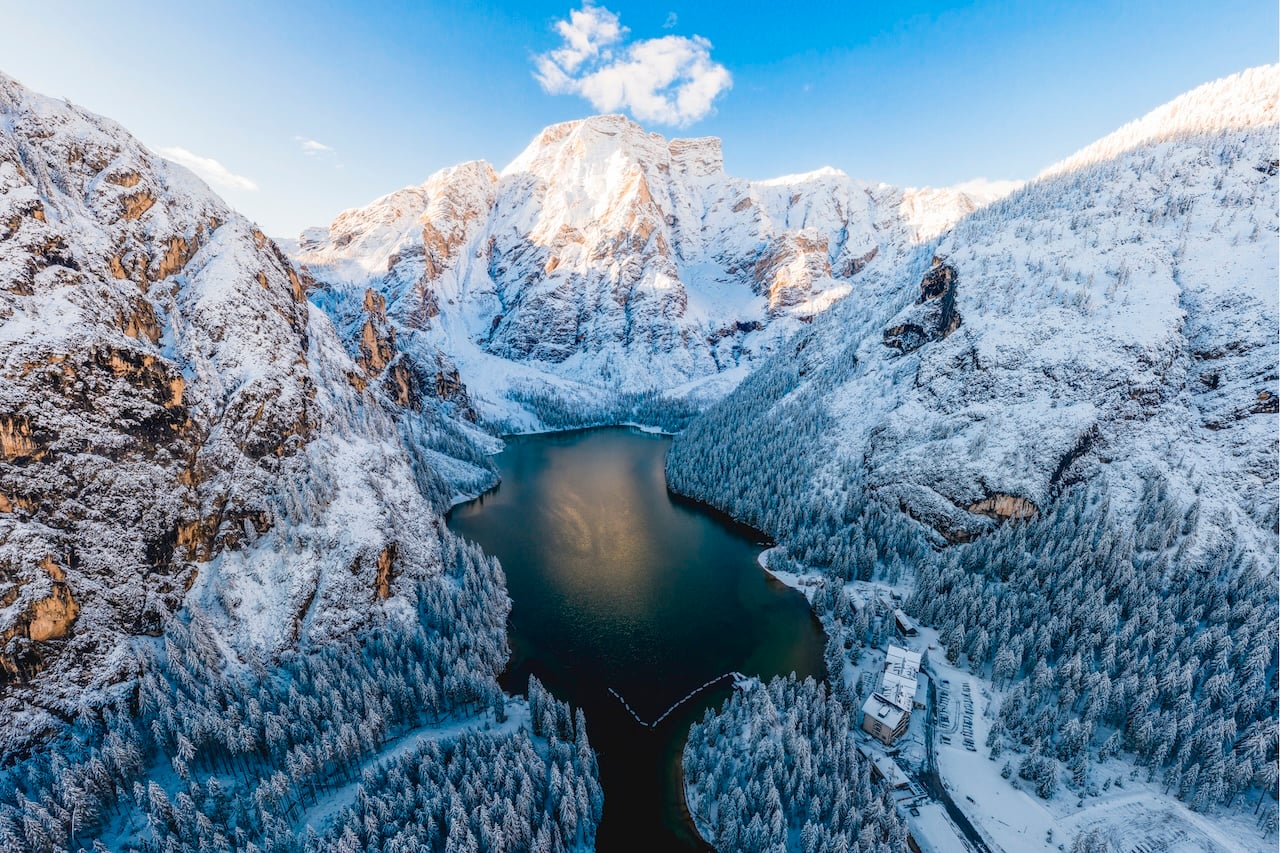
Then there’s the scenery. “The Dolomites are so much more beautiful, even than Colorado [McCabe’s current home]. It’s one of the most beautiful places on Earth,” she tells us with admiration.
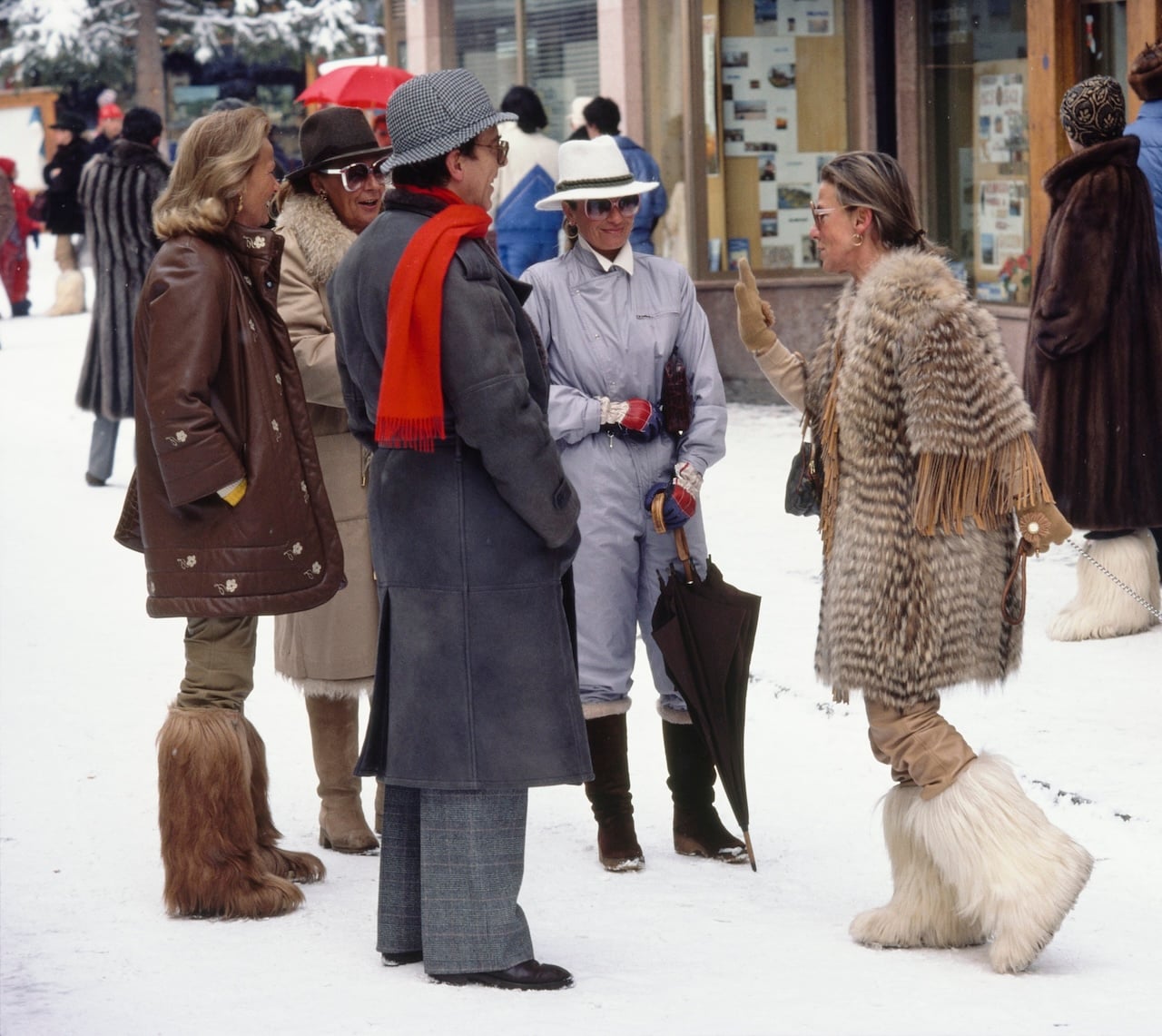
And finally — fashion. “Oh, the outfits are going to be something!” she exclaims.
Which feels like the perfect note to end on (coming from your fashion-loving GRAZIA girl): the Milano Cortina 2026 Winter Olympics won’t just be something you attend — they’ll be something you live, slowly, beautifully, and very much the Italian way.


