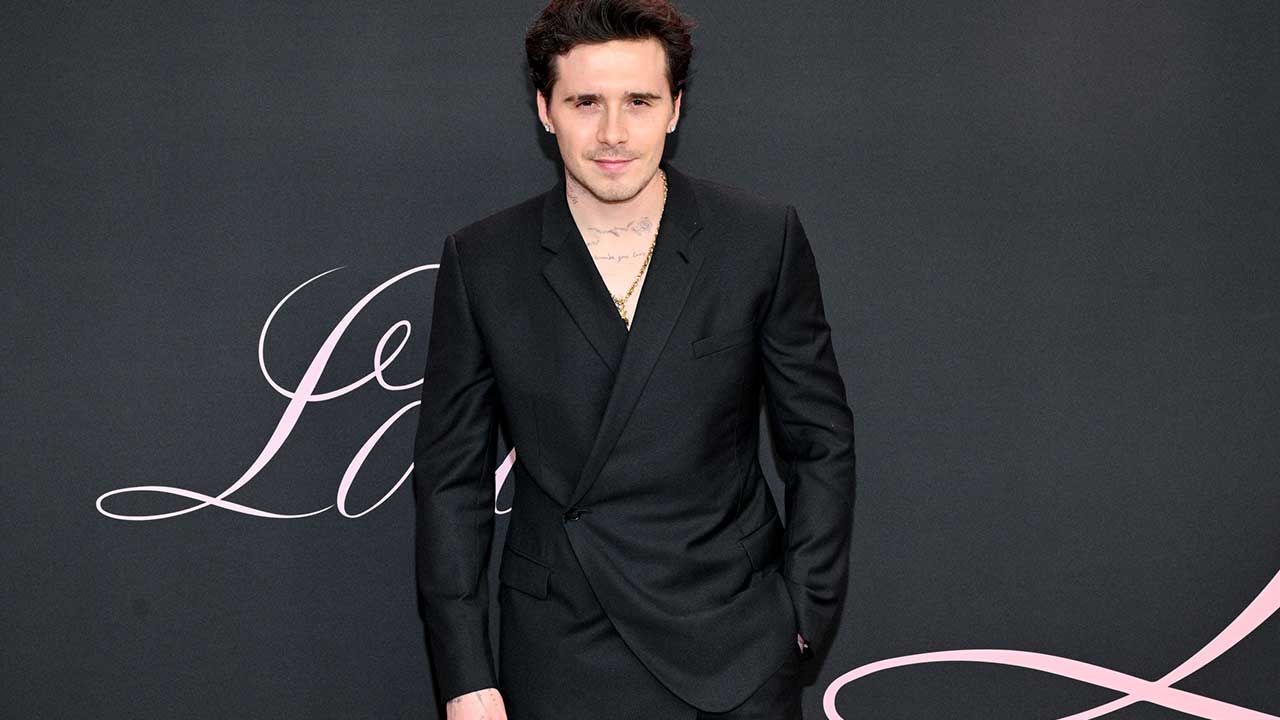
Brooklyn Beckham isn’t reinventing himself. There’s no glossy pivot, no manifesto, no highly produced relaunch designed to reframe him for public consumption. What’s unfolding instead is quieter — and arguably more telling: a conscious decision to opt out of the expectations attached to his last name, and to do it without spectacle.
For years, Beckham has existed in a cultural holding pattern, defined less by what he does than by who he comes from. As the eldest son of David and Victoria Beckham, his public presence has often felt managed by default — absorbed into a larger brand narrative built on polish and control. Lately, though, his choices suggest something else entirely. Rather than chasing legitimacy through constant reinvention, he’s asserting independence through restraint.
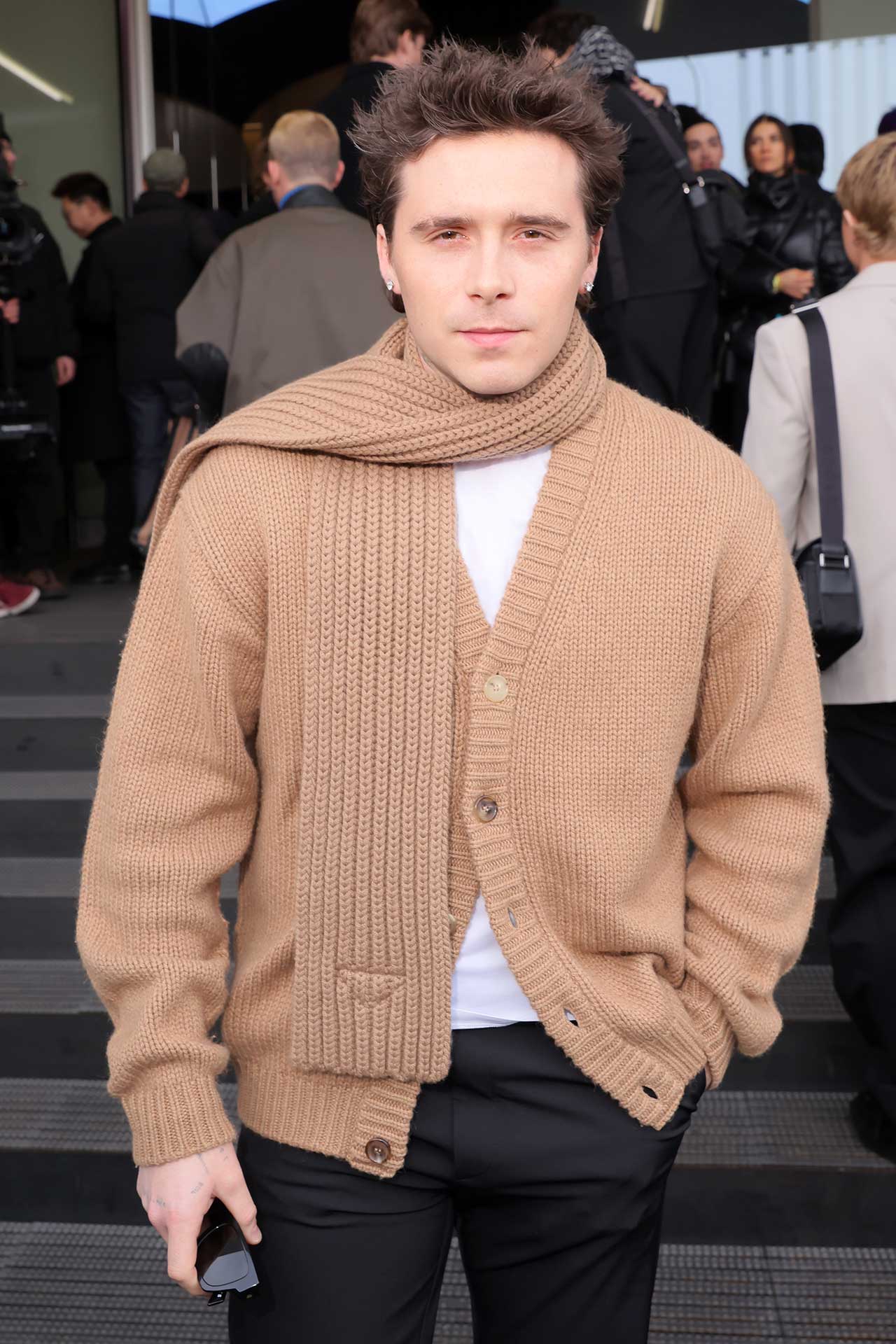
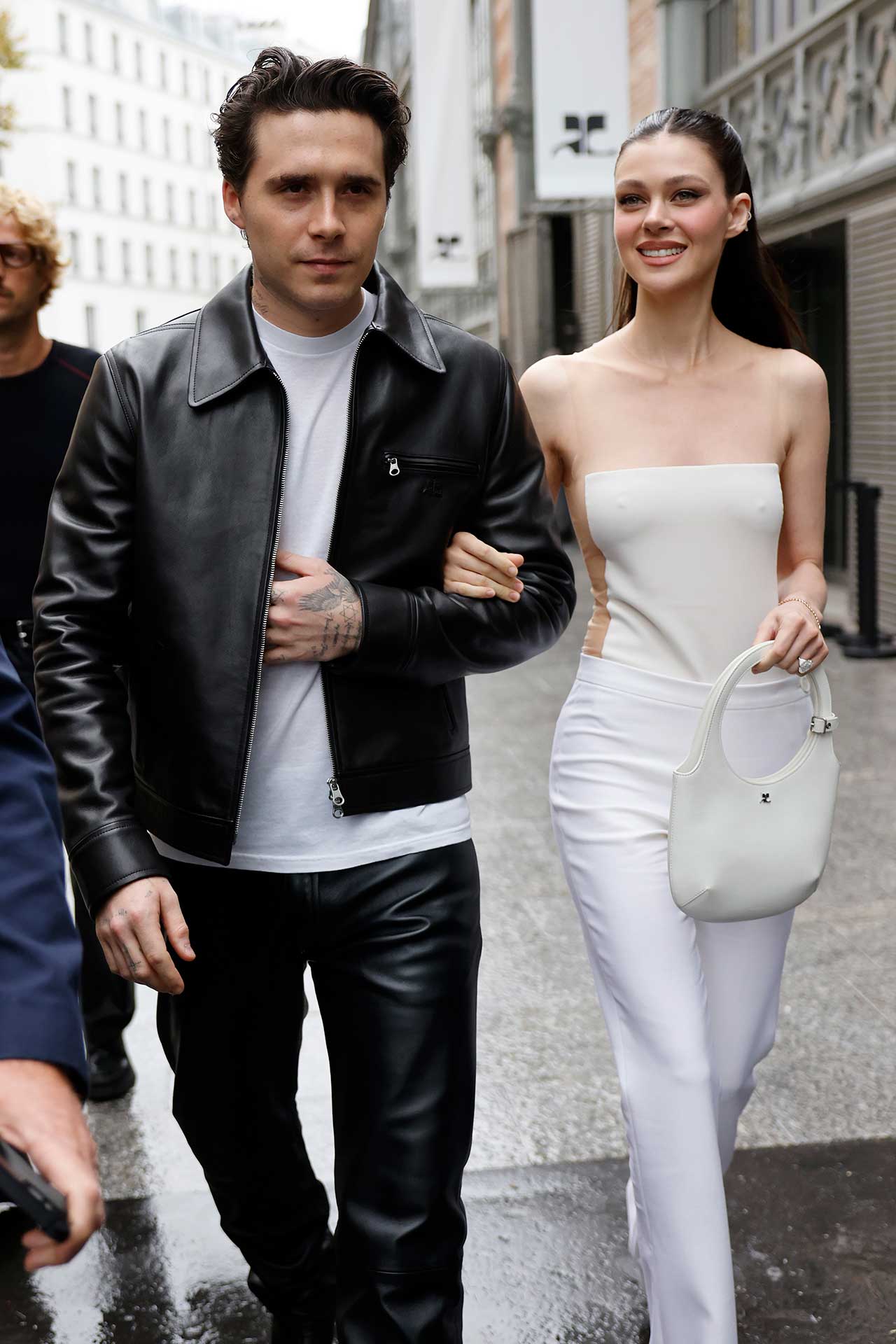
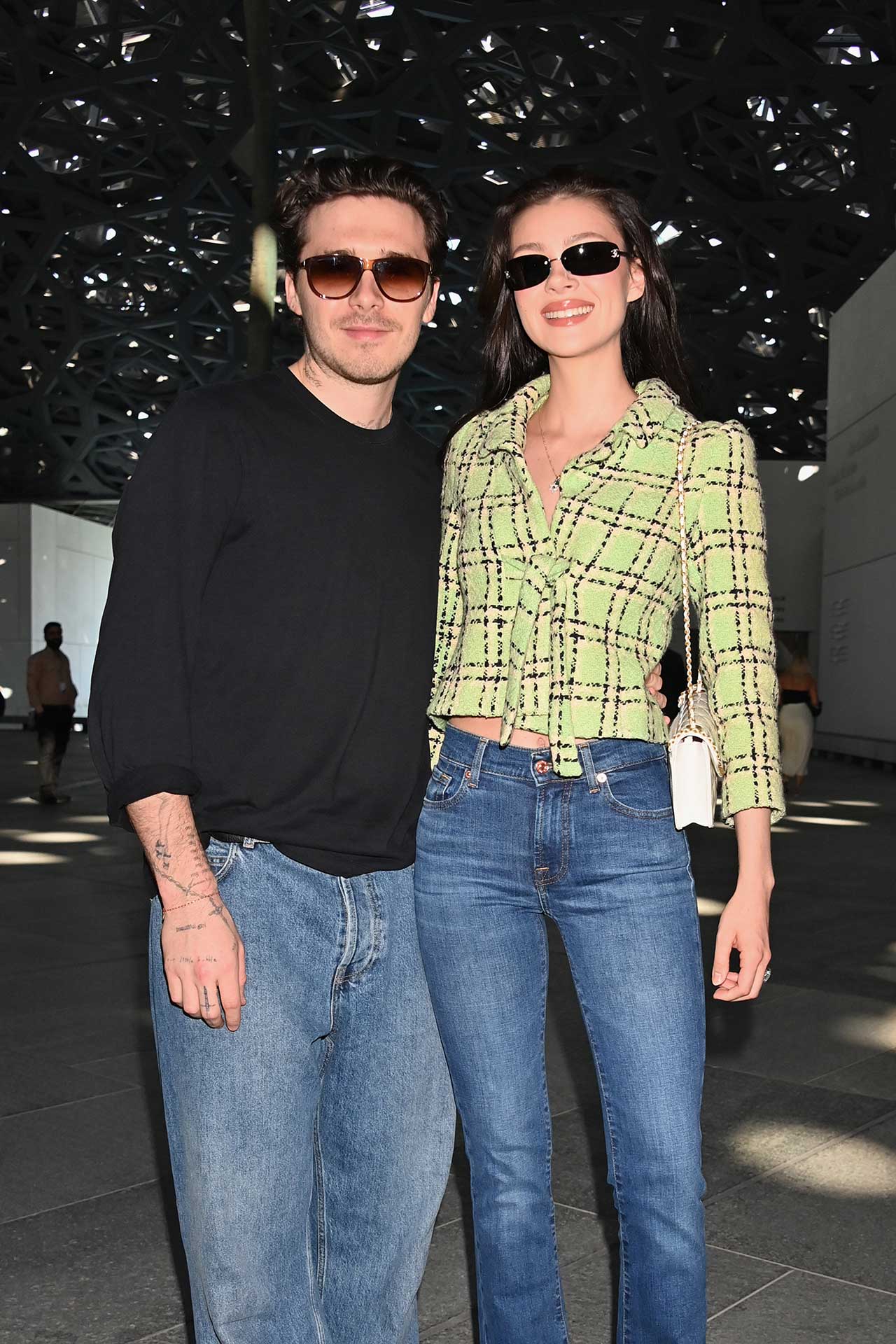
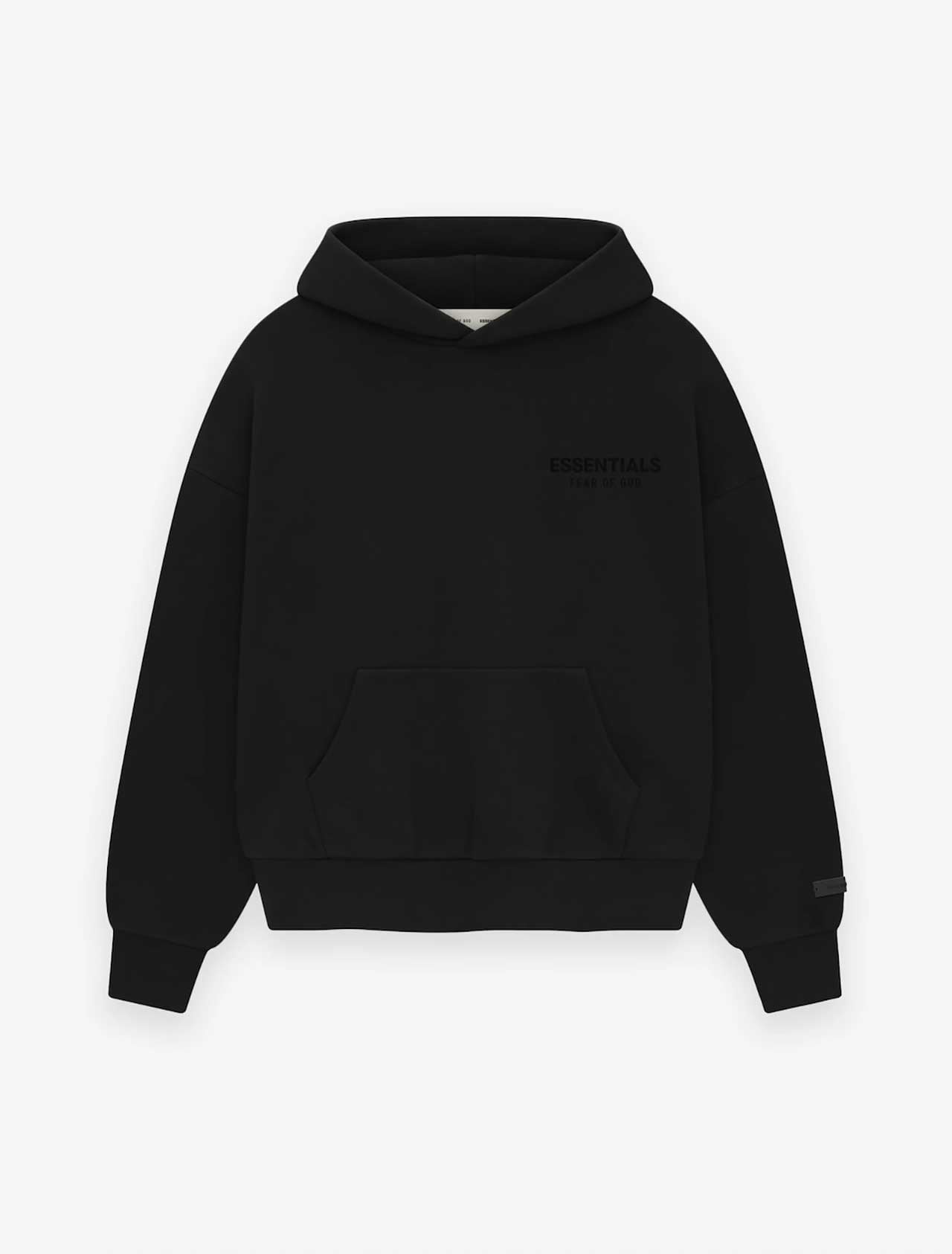
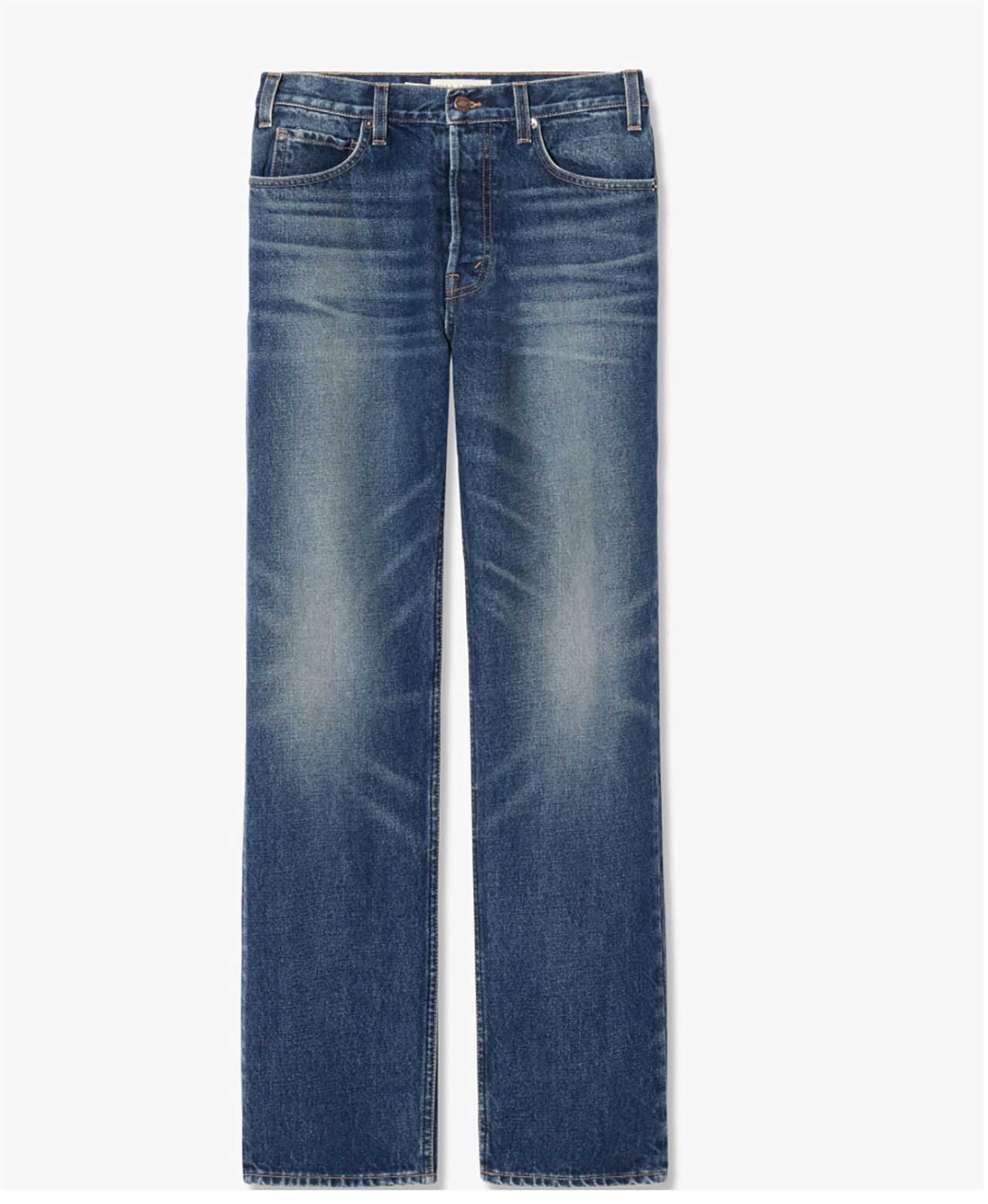
That restraint is most visible in fashion — and it’s not accidental. Beckham’s current style language is deliberately unremarkable: relaxed denim, soft knits, hoodies, repeat sneakers, outfits worn because they’re comfortable rather than because they photograph well. It’s a sharp departure from the hyper-curated Beckham aesthetic, and that contrast reads as intentional.
His off-duty looks frequently align with those of his wife, Nicola Peltz Beckham, whose own pared-back wardrobe mirrors the same preference for ease over performance. Together, they project a shared visual language — neutral, private, lived-in — that feels distinctly Gen Z in spirit. This generation favors repeatable uniforms over statement dressing, signaling self-possession rather than aspiration. In that context, Beckham’s casual style doesn’t read disengaged — it reads fluent. Fashion, here, isn’t about being seen. It’s about opting out of being managed.
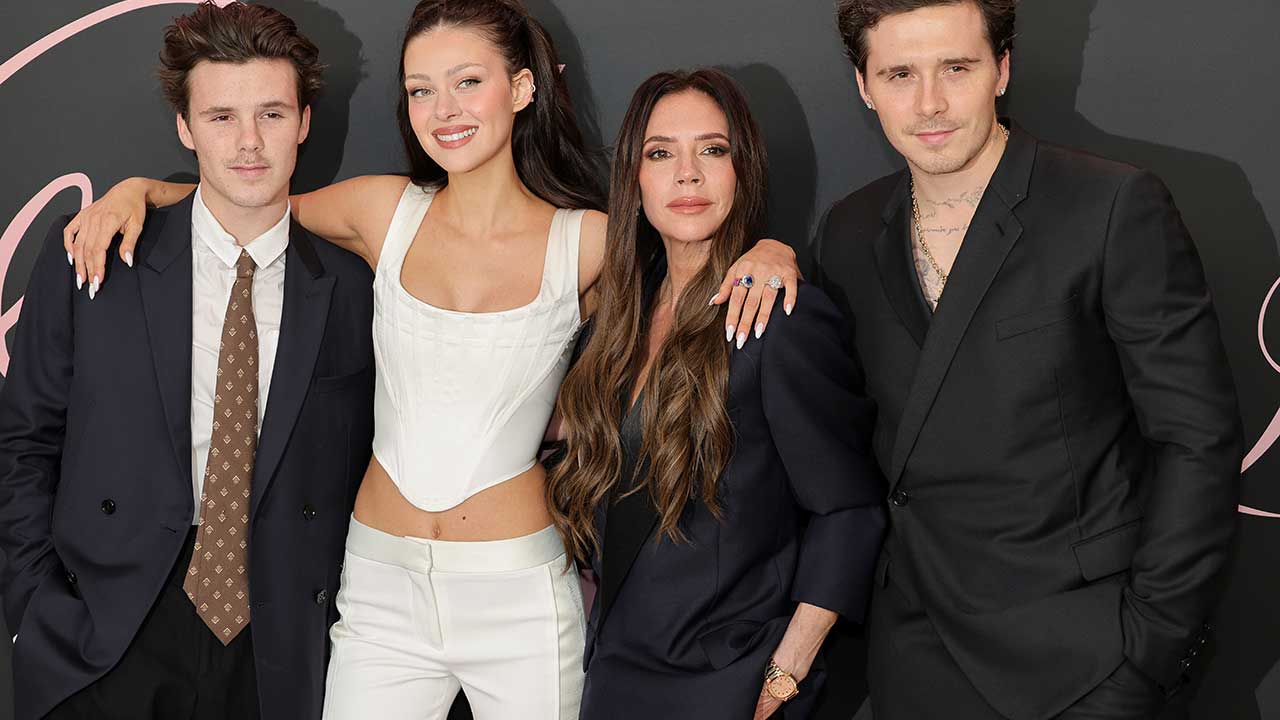
That same impulse surfaced publicly in January, when Beckham addressed his family situation in a series of Instagram stories after years of silence. “I have been silent for years,” he wrote, adding, “I’m standing up for myself for the first time in my life.” In the same series of statements, he was explicit about boundaries, writing that he did not wish to reconcile with his family.
In a separate passage, Beckham framed the conflict in commercial terms. “Brand Beckham comes first,” he wrote, a line reported by The Irish Times, which noted that he accused his family of prioritizing public promotion and endorsements over personal relationships.
Industry coverage quickly contextualized the dispute beyond family drama. Reporting by Reuters highlighted Beckham’s claim that he was pressured to sign away commercial rights to his name, placing legal and branding control at the center of the rift. The Fashion Law further noted that conflicts over trademarks and name rights are common in celebrity families, where personal identity often functions as intellectual property, framing Beckham’s resistance as a pushback against inherited brand governance.
Media analysts, however, have downplayed speculation that the dispute threatens the Beckham empire itself. Reuters reported that reputation experts view the situation as emotionally resonant but commercially limited — a shift in narrative control rather than a collapse of brand equity. Cultural writers at Vanity Fair described Beckham’s decision to speak publicly as a reclaiming of narrative agency, rare within a family known for meticulous image management.
Taken together — the clothes, the silence, the eventual decision to speak out— this isn’t a rebrand built for applause. It’s one built on opting out.
Brooklyn Beckham’s Elevated Casual Uniform: SHOP THE LOOK
Quiet luxury, worn like real life.
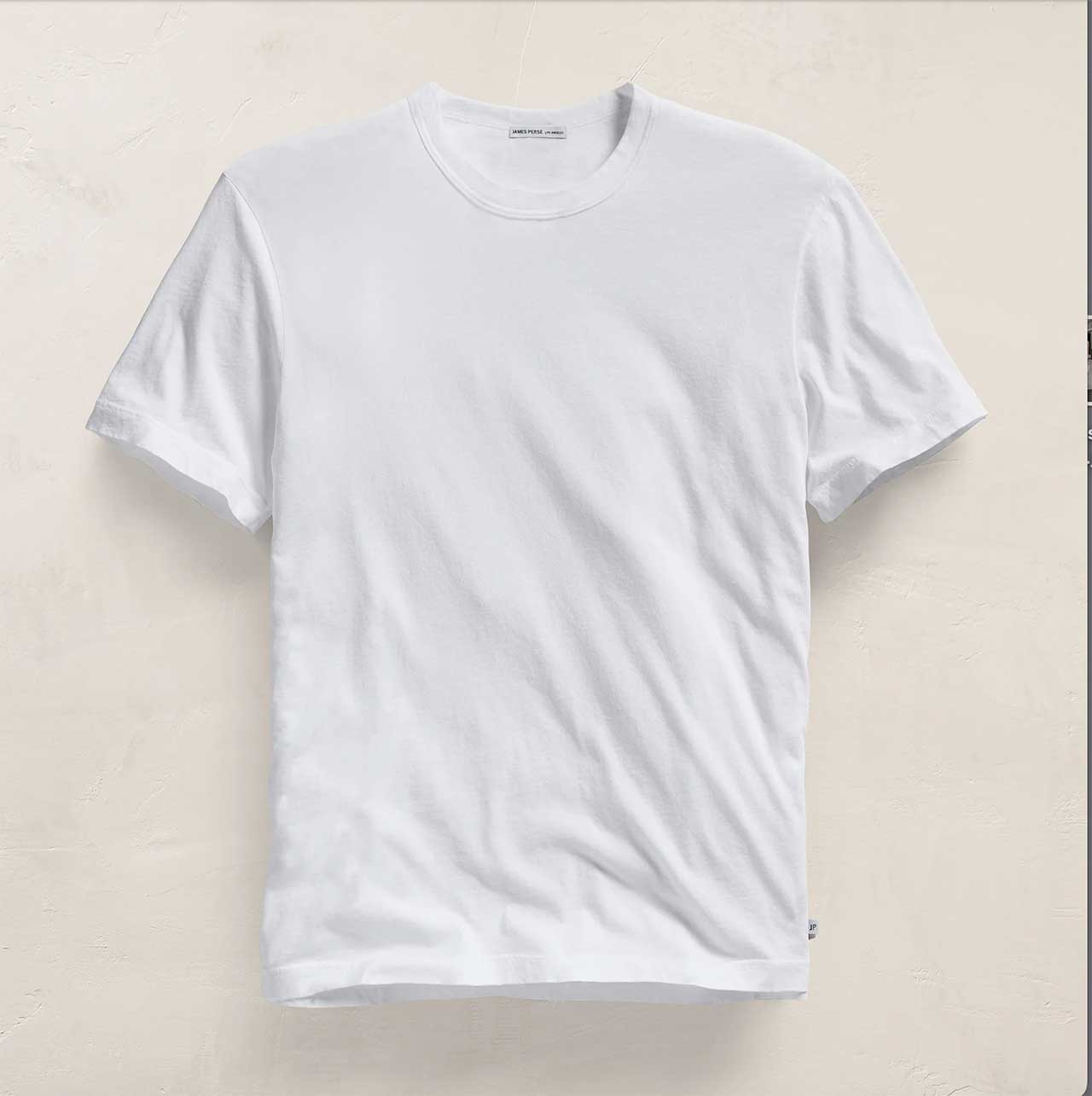
Plain Tee
Precision fit and soft cotton — luxury in restraint.
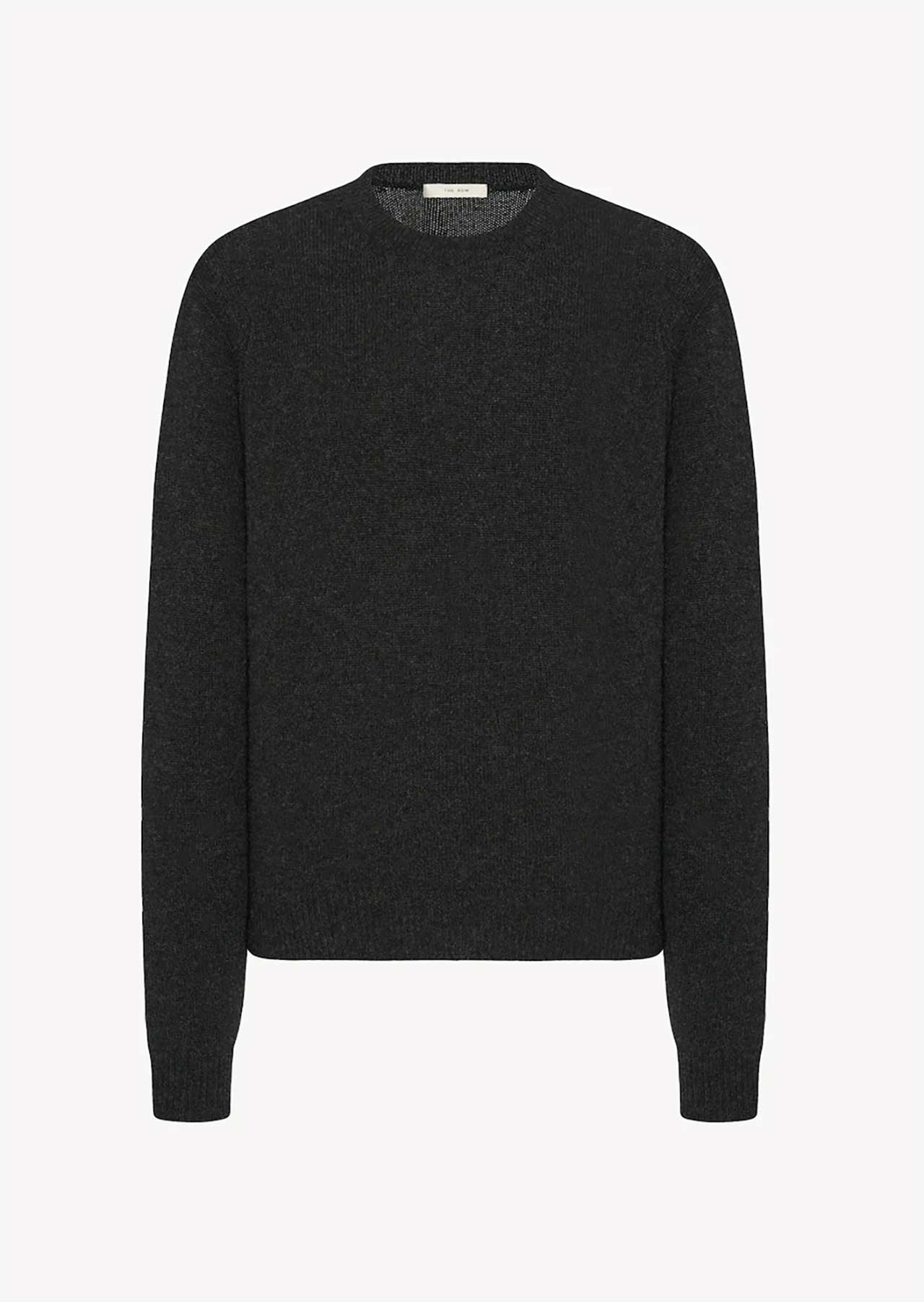
Cashmere or Merino Knit Crew
Ultra-fine knits in muted neutrals that disappear into everyday life.
Minimal Hoodie
Elevated streetwear that avoids logos and trend noise.
Relaxed Straight-Leg Denim
Soft structure, no distressing — meant to look lived-in, not styled.
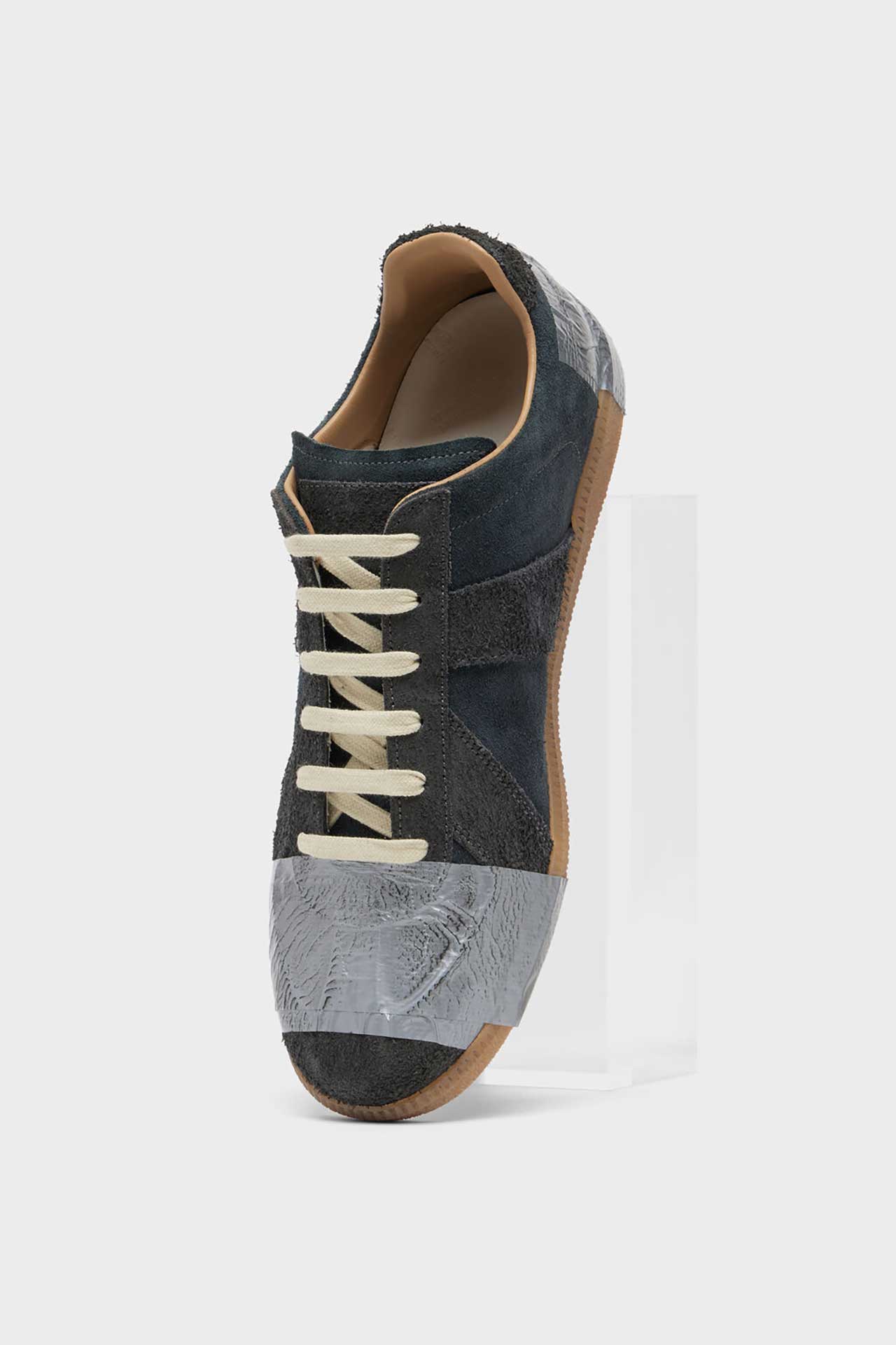
Everyday Sneakers
Clean, understated, designed to be worn daily.