








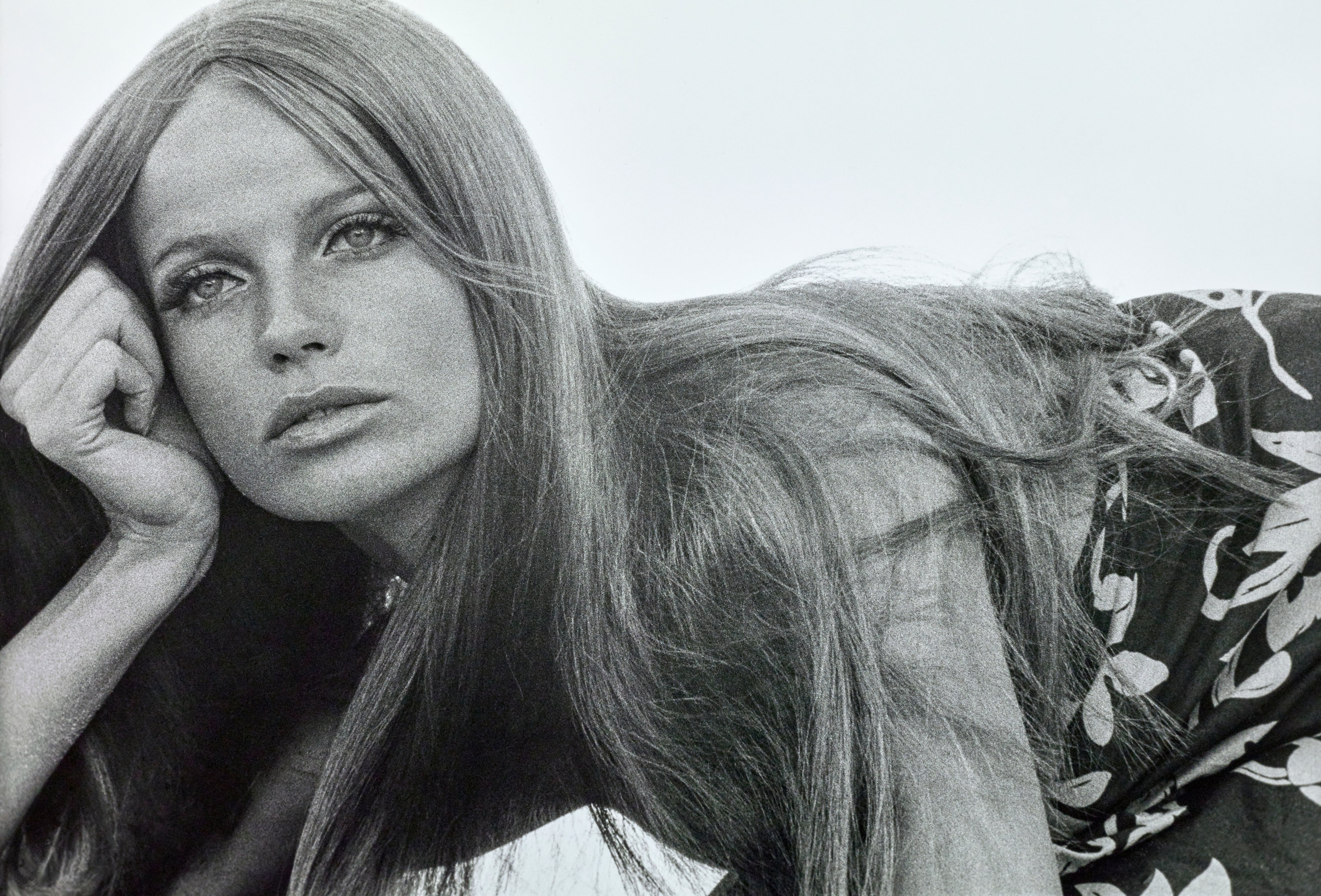
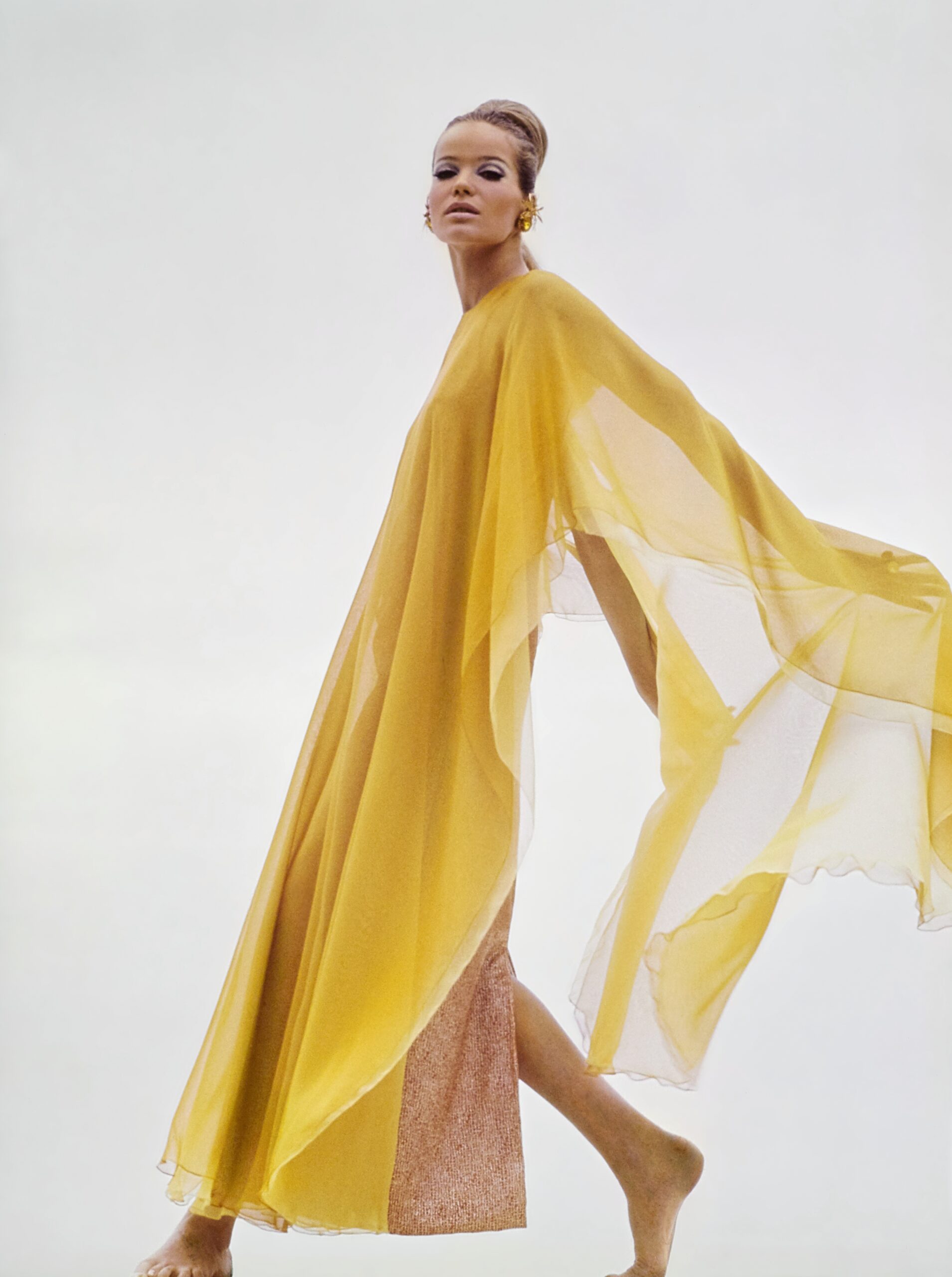
Long before the rise of the supermodels of the 1990s, Veruschka was already redefining what it meant to stand in front of a camera. With her statuesque silhouette, striking features and extraordinary ability to transform herself, the German model became one of the most recognizable faces of the 1960s, inspiring generations of photographers, designers and artists.
Born Vera Gottliebe Anna Gräfin von Lehndorff-Steinort, the fashion icon has died at the age of 87 at her home in Berlin, surrounded by family and friends, according to German newspaper Bild. No cause of death has been publicly disclosed.
Her passing marks the end of an era for an industry she helped revolutionize, transforming fashion photography into a form of artistic expression.
From German Aristocrat to International Supermodel
Born in 1939 in Königsberg, then part of East Prussia, Veruschka experienced a childhood marked by tragedy. Her father, Count Heinrich von Lehndorff-Steinort, was executed in 1944 for his involvement in the failed assassination plot against Adolf Hitler. Her family was subsequently persecuted by the Nazi regime and became refugees following World War II.
After studying art in Hamburg and Florence, she was discovered by Italian photographer Ugo Mulas. Standing approximately six feet tall, her unconventional proportions initially set her apart from other models of the era.
After spending time in Paris, she moved to New York, where she signed with legendary modeling agent Eileen Ford and reinvented herself under the name Veruschka.
Her career took off under the direction of Diana Vreeland, the influential editor of American Vogue, who recognized her extraordinary creative potential. She would eventually appear on 13 covers of the American fashion magazine.
The Woman Who Changed Fashion Photography Forever
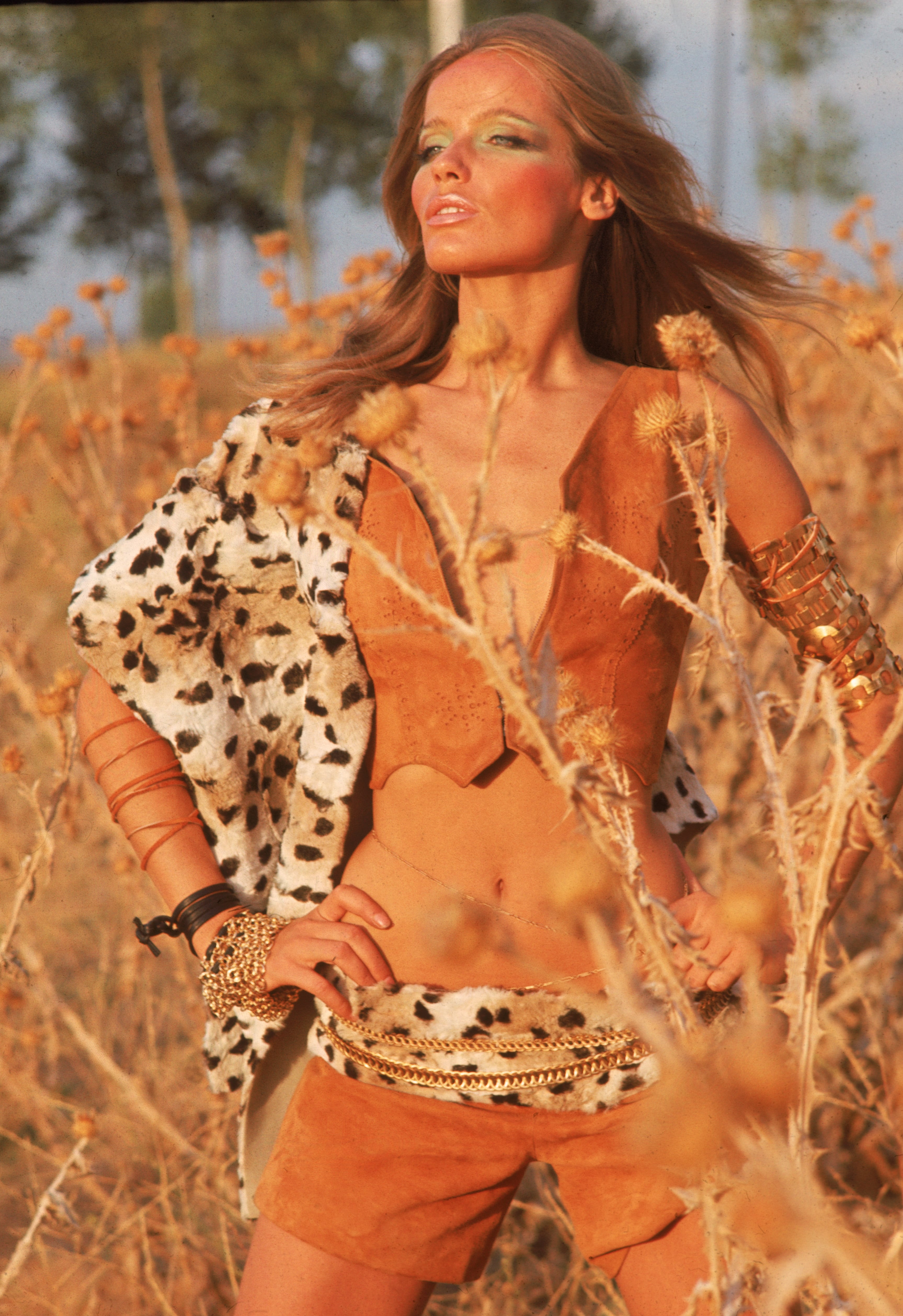
Unlike many of her contemporaries, including Twiggy and Jean Shrimpton, Veruschka approached modeling as a form of performance art. Her dramatic poses, theatrical expressions and ability to manipulate her silhouette made her a favorite among the world’s most celebrated photographers.
In 1967, she starred in Richard Avedon’s extravagant fashion editorial “The Great Fur Caravan,” one of the most ambitious fashion shoots of its time.
Her influence extended beyond the pages of glossy magazines. In 1966, she appeared in Michelangelo Antonioni’s cult film Blow-Up, starring in an iconic photography scene that would become synonymous with the fashion industry of the Swinging Sixties.
Her subsequent collaborations with artist Holger Trülzsch explored body painting and camouflage, blurring the boundaries between photography, fashion and contemporary art.
A Fashion Icon Who Refused to Conform
Despite her international success, Veruschka remained deeply critical of the modeling industry’s expectations of women.
“I never wanted to be a model, a meaningless object,” she revealed in a 2008 interview.
An advocate for women’s rights, she was among the women who signed the groundbreaking 1971 German manifesto publicly acknowledging having had an abortion when the procedure was still illegal in West Germany.
Throughout her life, she challenged conventional beauty standards, rejecting cosmetic surgery and embracing her natural appearance as she aged.
Although she stepped away from mainstream modeling in the 1970s, she continued to make occasional fashion appearances, collaborating with Karl Lagerfeld and inspiring younger generations of designers.
More than six decades after her breakthrough, Veruschka’s legacy remains remarkably contemporary: a woman who refused to simply embody beauty and instead insisted on defining it herself.


