










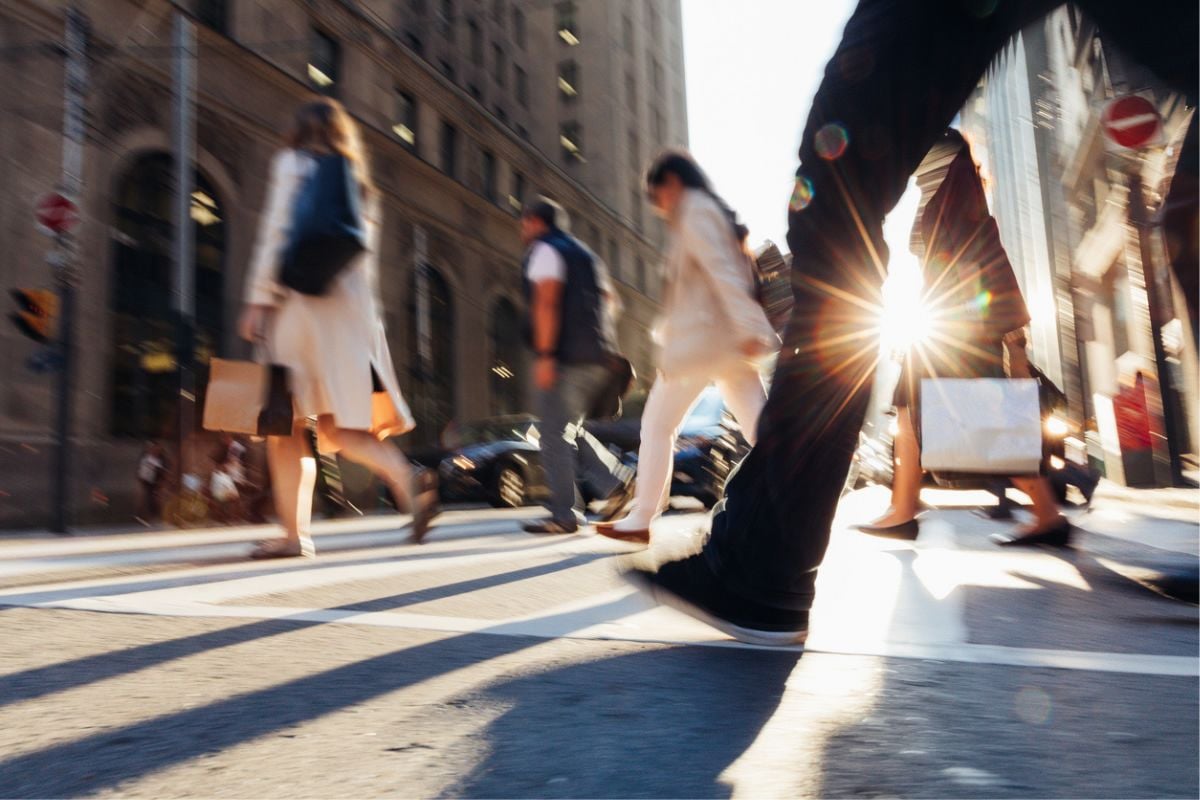
A raised hand, a nod, a smile through the windshield: the tiny gesture with surprisingly big effects. You step off the curb, a car slows down, and almost without thinking, your hand goes up. A small wave, maybe a nod. The driver nods back, and you both go on with your day. It takes less than a second. Some people do it every time; others never do. Psychology suggests that this habit says more than “good manners.”
Researchers Adam Grant of the Wharton School and Francesca Gino of Harvard Business School tested what a simple thank-you does to the person who receives it. In a 2010 study published in the Journal of Personality and Social Psychology, 69 participants gave feedback on a student’s cover letter. Then the student asked for help with a second one. When the student’s reply was neutral, 32% helped again. When the reply included a sincere “thank you,” 66% did.
Why a Thank-You Doubles Helpfulness
The researchers wanted to know why. It was not because thanked participants felt happier or had higher self-esteem. Instead, they “appreciated being needed and felt more socially valued when they’d been thanked.” Being thanked told them their help mattered, and that made them want to help again.
The effect even spread to strangers. In a follow-up, a different person asked for similar help the next day. Among participants who had been thanked by the first student, 55% helped the new person, compared with 25% of those who had not been thanked.
What Your Wave Does for the Driver
A driver who stops for you has done a small favor. Your wave is a thank-you in its simplest form, and Grant and Gino’s research suggests it can make that driver feel valued and more likely to stop for the next person. In that sense, waving is not just polite; it keeps a small cycle of courtesy going.
Waving also requires noticing: the driver behind the windshield is a person, not just a car. That habit of noticing others is part of what makes gratitude feel natural rather than forced.
How to Make Small Thanks a Habit
Make eye contact with the driver before you cross, then give a quick wave or nod once you are safely on your way; never let it slow you down in the road. Thank the people who help you in small ways every day: the cashier, the bus driver, a colleague who holds the elevator. Be specific when you can, “Thanks for waiting,” rather than a vague mumble. And when you are the driver, return the nod. Kindness tends to grow with practice, as psychologists note about adults over 55 who help more when it is hard, and small daily habits can say a lot about us, like those of people who leave dishes in the sink. The lesson worth borrowing is that a one-second thank-you can change what someone does next.
The Bottom Line
People who still wave “thank you” to drivers at the crosswalk aren’t just being polite. Research by Grant and Gino shows a simple thanks doubled people’s willingness to help again, from 32% to 66%, and made them feel more valued.


