











On a dead end street in Brentwood, hidden behind citrus trees and a green gate, sits a stucco house that has not seen a real resident in years. It is modest by celebrity standards, a low slung Spanish style with a tired red tile roof and a pool the color of oxidized copper, yet it has become the setting for a multimillion dollar fight between its owners and the city of Los Angeles.
This is 12305 Fifth Helena Drive, the only home Marilyn Monroe ever bought for herself. In February 1962, the 36-year-old star signed the papers on the two bedroom, three bathroom hideaway for around $75,000, finally claiming a private sanctuary that was not a studio perk or a husband’s estate. More than sixty years later, the question of who gets to control that sanctuary is being argued not on a back patio, but in courtrooms.
The Little Spanish House Marilyn Finally Called Her Own
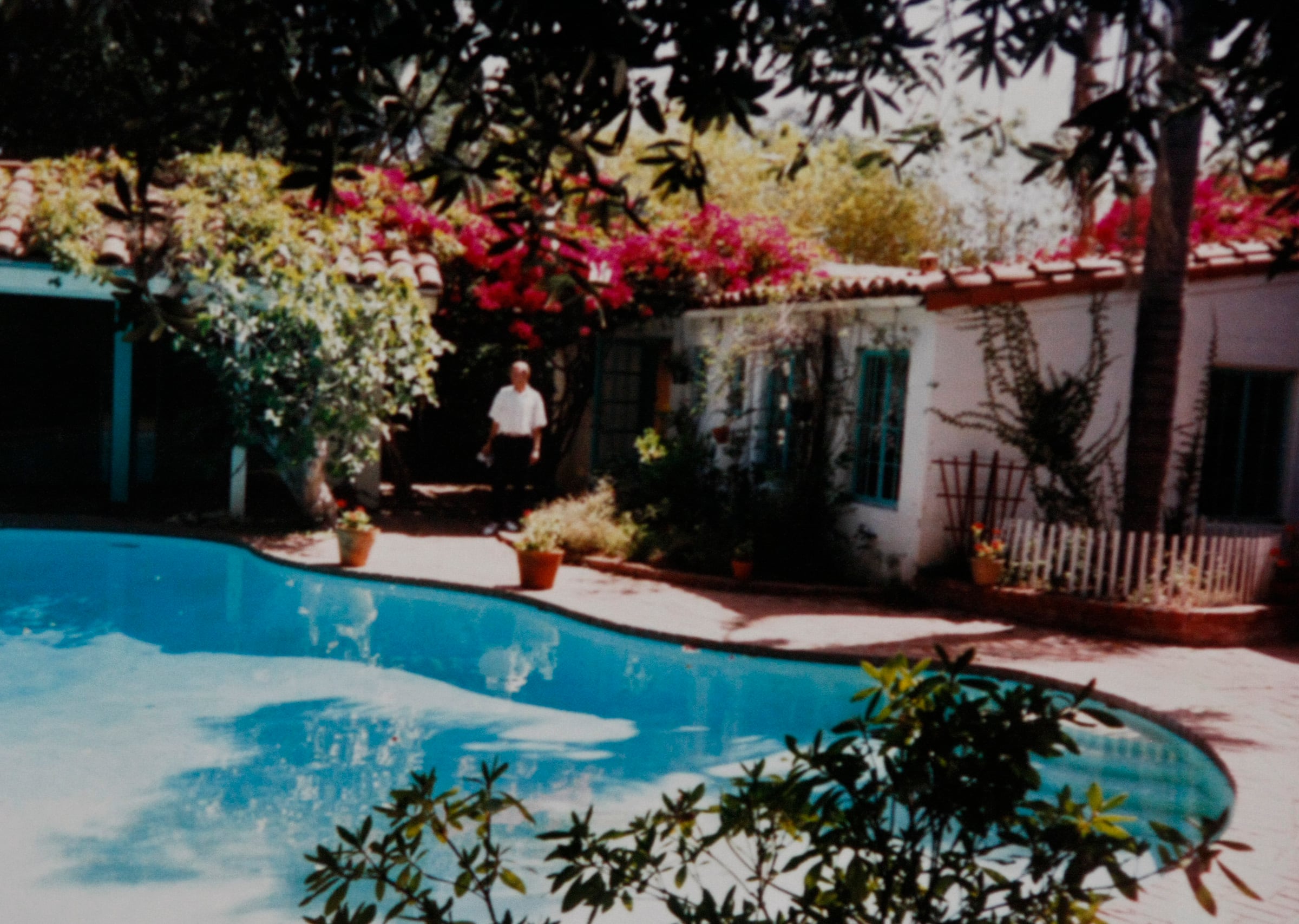
Built in 1929, the Brentwood bungalow was hardly a palazzo: about 2600 square feet, white stucco, red tiles, beamed ceilings, with an L shaped layout that folded around a small pool. What it had was privacy. The cul de sac dead ends into the house, which sits behind shrubs, a citrus grove, and a heavy gate that shuts out camera lenses. In the entry, a small tile plaque reads “Cursum Perficio” – Latin for “Here ends my journey” – a detail that has only grown more eerie with time.
For Monroe, whose life until then had been lived in borrowed spaces, Fifth Helena was independence with a mortgage. Fresh from her marriage to Arthur Miller, and increasingly at odds with the studio system that built her, she filled the house with Mexican tiles, simple wood furniture, and rescue dogs. She lived there for roughly six months before she was found dead in a bedroom in August 1962. That short chapter was enough to turn the house into a shrine for fans and one of the last tangible traces of her in Los Angeles, alongside a star on the Hollywood Walk of Fame.
How A Sanctuary Turned Into A Real Estate Battleground
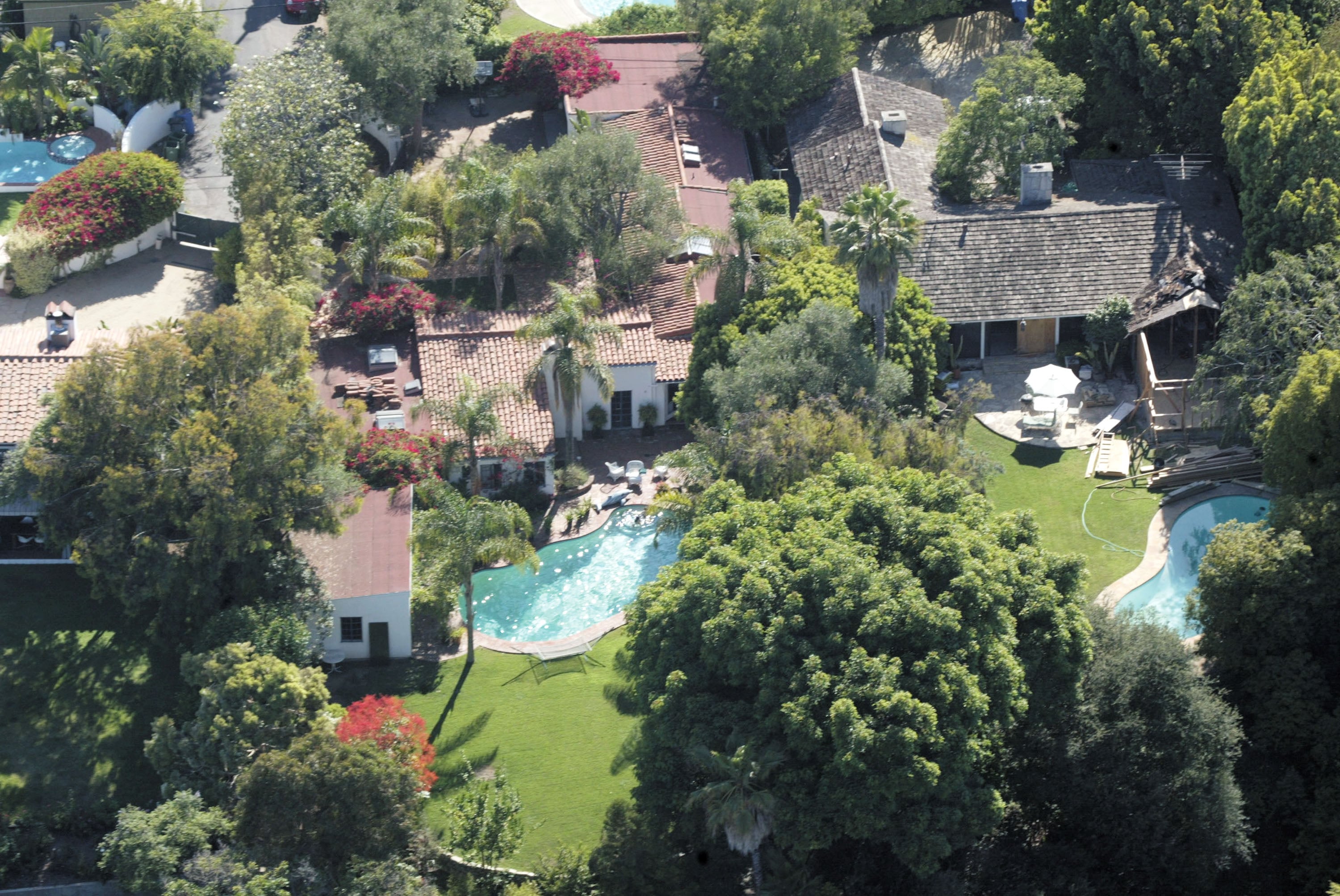
After Monroe’s death, the house passed through at least 14 owners. Rooms were added, finishes swapped, kitchens updated. By the time aerial photos from 2023 showed a sagging roof and a murky green pool, whatever remained of Monroe’s furniture or fabrics was long gone. What stayed was the address and the mythology.
In 2023, the property was bought for more than $8 million by Brinah Milstein, a wealthy investor, and her husband, television producer Roy Bank, who already owned the house next door. To them, this was not a museum piece; it was an expansion opportunity. They secured permits to demolish the hacienda and fold the lot into a larger private compound, arguing that the house had been so heavily remodeled it was little more than a worn out shell with a famous footnote.
Historic Status, Hurt Feelings
Once news of the demolition plans got out, Monroe fans, preservationists, and plenty of casual nostalgists mobilized. Phone lines at City Hall lit up. Tour companies fretted about losing a stop. Social media supplied its own Greek chorus, asking why Los Angeles could not keep hold of even this one piece of Monroe’s story.
Enter councilmember Traci Park, who represents the district. She pushed an emergency motion in 2023 to study the house for landmark status, freezing demolition. In June 2024, the Los Angeles City Council voted 12 to 0 to designate 12305 Fifth Helena Drive a Historic Cultural Monument, noting that fewer than 3 percent of such landmarks in the city are tied to women’s history. Overnight, Monroe’s last address went from teardown to protected site.
The owners were furious. In legal filings, they argue that there is not a single remaining interior feature that proves Monroe ever lived there, pointing to decades of remodels and upgrades. They say the Historic Cultural Monument label destroyed their investment, dropping the value from around $8.5 million to roughly $820,000 once redevelopment was off the table. On top of that, they describe the burden of tourists lingering at the gate, security costs, and the sense of being forced to maintain a monument they never asked for.
Inside The Lawsuit Over Marilyn Monroe’s Last Home
Milstein and Bank first sued Los Angeles in state court, accusing the city of rushing through a backdoor landmarking process to appease an angry public. That case was dismissed in 2025, a setback that might have ended things for less determined plaintiffs. Instead, they escalated.
In January 2026, backed by the Pacific Legal Foundation, they filed a federal lawsuit claiming the city had effectively taken their property without compensation. The argument rests on the idea of a “regulatory taking” – when the government does not seize your land outright, but restricts it so heavily that, in the owners’ view, there is no meaningful economic use left. They described the house as “worth nothing,” at least compared with the estate they had planned.
In September 2026, U.S. District Court Judge Percy Anderson disagreed and dismissed the case. His ruling found that the owners had not shown the kind of total wipeout in value that the Constitution treats as a taking, and he was unpersuaded that a private home quietly sitting behind walls had been turned into a public museum. Milstein, Bank, and their lawyers have vowed to appeal, keeping the legal cloud firmly parked over Fifth Helena Drive.
A Hollywood Landmark Stuck In Limbo
While the briefs fly back and forth, the house itself sits in uneasy limbo. Preservationists warn of “demolition by neglect,” as water damage, an aging roof, and deferred maintenance slowly erode the very structure they fought to save. The city has no budget to buy the property outright, and the owners have little incentive to pour money into a building they feel has been devalued on principle.
From the sidewalk, you cannot see much beyond foliage and a gate, which raises a fair question about how much public benefit the designation delivers. Yet for many, knowing that the small Spanish house where Monroe once arranged her books and dogs still exists has its own quiet power. The fight over 12305 Fifth Helena Drive is bigger than one address: it is a collision between private wealth, collective memory, and the way cities decide which women’s stories are worth preserving in brick and stucco.


