










The first recognized social media platform (sixdegrees.com) was born in 1997, with the goal of connecting people online. More than 15 years later, social media has evolved from a convenient way for people to make friends, into a stage for the world’s most popular creators to declare what’s hot, and what’s not.
Influencer marketing has transformed the way we engage with trends. Most importantly for businesses, it’s changed the way consumers invest in trends, especially after the pandemic. Online shopping and general mobile app usage (notably, social media apps) surged, as more of us started working remotely. Global app spend increased by 19.7% year-on-year in 2021, hitting a record high of $133 billion. Naturally, influencers, who are arguably the most savvy internet advertisers, became the middle-men between big businesses and their target consumers.
Brands like Audible, Asos and Gymshark have enjoyed handsome growth by banking on influencer marketing. Now, thousands of other brands have followed suit. It’s no surprise that Forbes estimates that brands will spend north of $15 billion on influencer marketing in 2022. But relying on influencers isn’t the path to success for every business. Shuan Maroof and Harry Charles, co-founders of luxury interiors brand Noho Home, know this all too well.

The two-seater Daphne sofa (above) retails for more than 4,500 euro and shipping costs can run into the thousands.
The entrepreneurs founded their Manhattan-inspired brand with the vision of fusing high-end fashion and furniture from regions across the world. Their efforts have been successful, and they’ve quickly attracted attention from influencers hoping to secure concessions in exchange for promotion.
Harry Charles, co-founder of Noho Home, says: “When a design of mine was first worn by a high profile person, it felt great and did my brand no harm at all. But I think influencers believe all businesses find it as easy as a restaurant or clothing brand to provide free merchandise.”
The business of influencer marketing
In the simplest terms, influencer marketing involves an influencer collaborating with a brand to promote a product or service. Influencer’s typically do promotions and product mentions through one of their social media platforms, such as Instagram or TikTok.
Celebrity advertisements were once the go-to route for brands to increase their visibility. However, the new tier of “internet celebrities” has enabled them to appeal directly to their audience, especially in niche markets.
And there’s no shortage of success stories, demonstrating that influencer collaborations can drive huge commercial success. In 2021, the debut of a cold brew collaboration (named ‘The Charli’) between Dunkin’ Donuts and TikTok sensation, Charli D’Amelio, famously drove a 45% increase in cold brew sales the day after its launch.

The Shamara sofa (above) is one of Noho Home’s most sought after products.
Managing influencer relations is risky business
Working with influencers is often a tall task for emerging brands, mainly because it can become extremely expensive. A feature on a popular influencer’s Instagram or TikTok feed can cost as much as $100 per 10k followers. At that rate, an influencer with 1 million followers can command upwards of £10,000 for a post on their page.
Shuan Maroof, co-founder of Noho Home, says: “We sell luxury, high-spec beds and sofas that can retail for up to £5,000, as well as homeware, art and accessories. These products can be really expensive to ship. Not to mention the wholesale cost of the products themselves. So giving away free merchandise isn’t as easy for brands like ours as it might be for some businesses.”
In the era of virality and “cancel culture”, brands are aware that garnering interest from high-profile influencers can have downsides. If a popular creator uses their platform to express dissatisfaction with your brand, or products, it can lead to you losing customers, and money. Meta’s stock recently fell by 3% after Kim Kardashian and Kylie Jenner endorsed campaigns asking Instagram to revert an update.
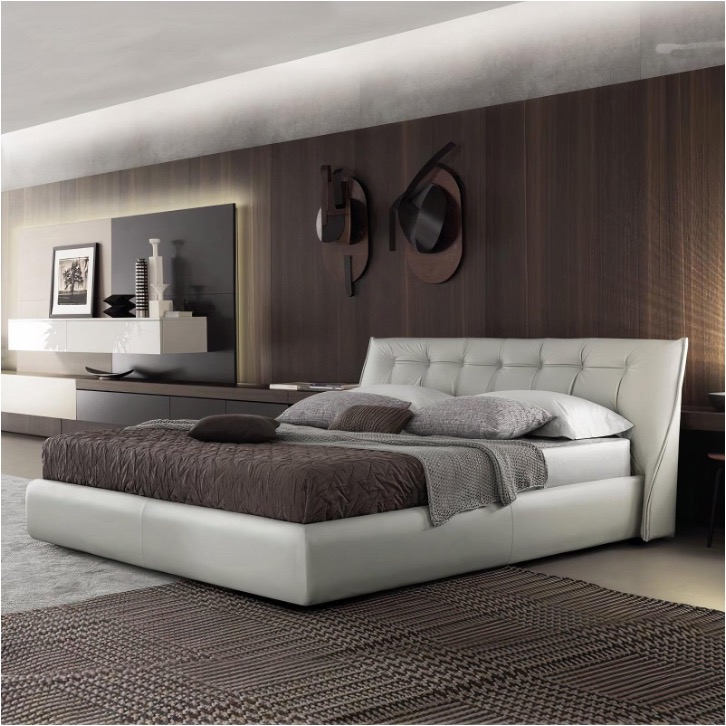
The Enyo Bed (above), imported from Italy, retails for 5,400 euros.
“We do get approached a lot and some of the people in our DMs are well known.”, says Harry Charles. “We spend a lot of time trying to respond politely and respectfully. The last thing we want to do is alienate anyone. There are so many risks involved”.
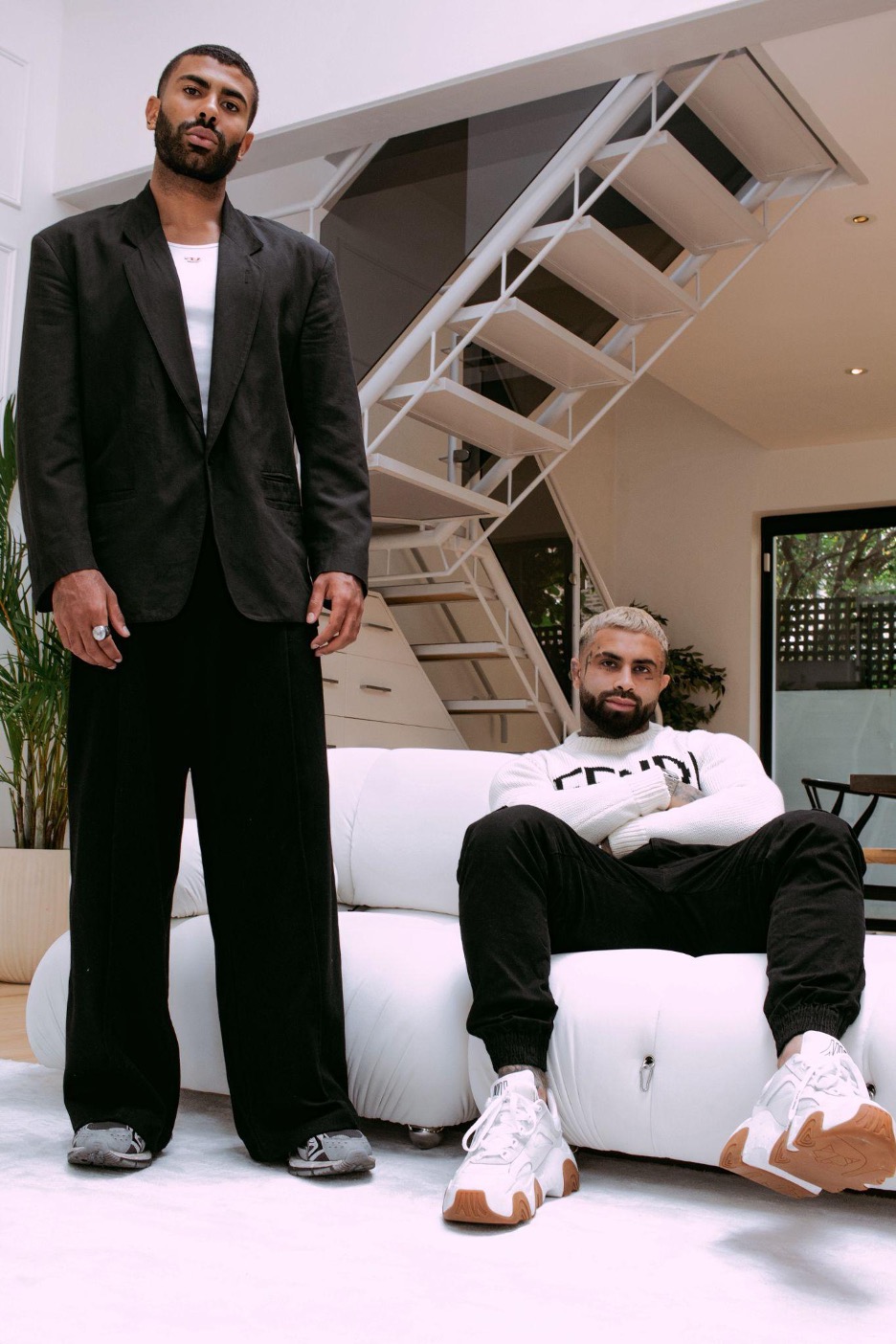
Noho Home founders Shuan Maroof and Harry Charles
Some would say that being popular with influences is a good problem to have. That claim is hard to deny. The future is online, and building a brand with a standout social media presence is a great way to get eyes on your business. But as brands, and consumers, look to scale back on expenses, influencer marketing isn’t the only way to achieve that.
Harry Charles added: “We do invest in marketing, but we’re very lucky that word of mouth is doing a lot of the heavy lifting when it comes to discerning clients discovering our products.”

The Cleo chair (above) is one of the brand’s most unique pieces: a luxury cowhide chair with a sleek iron base.