










As the word longevity gets bandied about ad infinitum, the pursuit of youth has never seemed more attainable. And this isn’t a notion that exists somewhere in the far outer reaches of the zeitgeist; it’s become ubiquitous IRL. Take, for instance, a recent dinner party at a friend’s Soho loft. In between plates of steamed spinach, lentil salad, and walnut oil-drizzled broiled salmon (heart healthy, natch), the chatter at the table wasn’t about the latest film, upcoming election, or reality show scandal but, rather, hard-to-pronounce monikers like tirzepatide, sermorelin, GHK-cu, NAD+, exactly who was injecting exactly what, and exclamations of “you look so … good!” When did peptides become the pastime du jour?
It all started with Ozempic. Blame the popularity of peptides — and other complex biohacks — on the GLP-1 revolution. Suddenly, injecting oneself with wildly promising substances that supercharge all manner of systems from metabolism to mitochondrial production went mainstream. But what about our bodies’ largest organ, the skin? New science offers the promise of rejuvenating cells, no needles required. “Peptides are just messengers,” explains Soo-Young Kim Abrams, a New York City-based esthetician. “They’re short chains of amino acids that signal the body to do different things.” For instance, applied topically, peptides nudge the fibroblasts in your skin to make more collagen and elastin.
Looking at the big picture, internal and external longevity are “extremely interconnected,” says Dr. Michaela Robbins, the founder of East x West Med. “The skin ages by the very same biological mechanisms as everything beneath it: oxidative stress, chronic low-grade inflammation, collagen loss, and the slow accumulation of senescent cells that quietly disrupt healthy tissue function,” Robbins says. It’s a tricky proposition. The key to slowing cell degradation is in a multipronged approach that aims to restore overall health while staving off a host of offenders as time marches on. So while one might assume that a crystal-clear, glass-like glow is the holy grail, “longevity skincare shifts the aim from looking younger at any cost to helping skin stay healthier and more resilient for longer,” says Roslyn, Long Island, functional medicine doctor Dr. Anita Sadaty.
“Not only can aging be slowed down, but organisms can be partly rejuvenated and their biological age reduced.”
It’s no wonder that the notion of longevity has transcended the scientific community and become a buzzword in the beauty world. And it’s at the very heart of Dior’s relaunch of Dior Prestige La Crème. “Not only can aging be slowed down, but organisms can be partly rejuvenated and their biological age reduced,” insists Professor Vadim Gladyshev, a leading international authority in the field of longevity, who the French maison partnered with on a major skin age-mapping initiative dubbed the Dior Skin Longevity Compass. The complex biological navigation system defines 15 key aging pathways plus markers that help determine rejuvenation. The research included the study of human skin samples from people aged 25 to 80, profiling 12,000 genes and resulting in “many millions of data points.” This in-depth understanding of the cause-effect of aging — a result of decades of research and the establishment of the Reverse Aging Board — was published in the Journal of Cosmetic Dermatology in March of this year. Many of the findings influenced the groundbreaking new formula of La Crème.
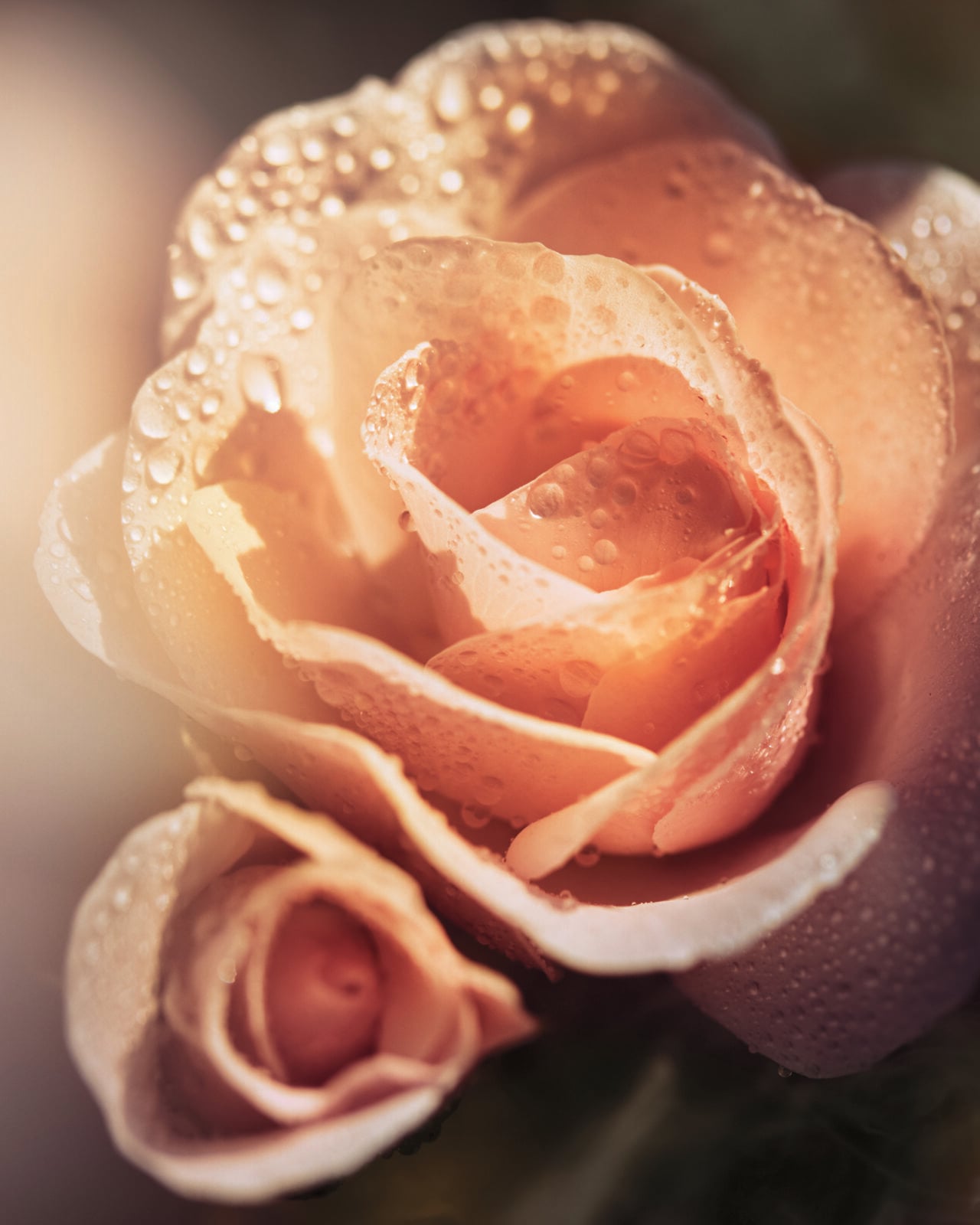
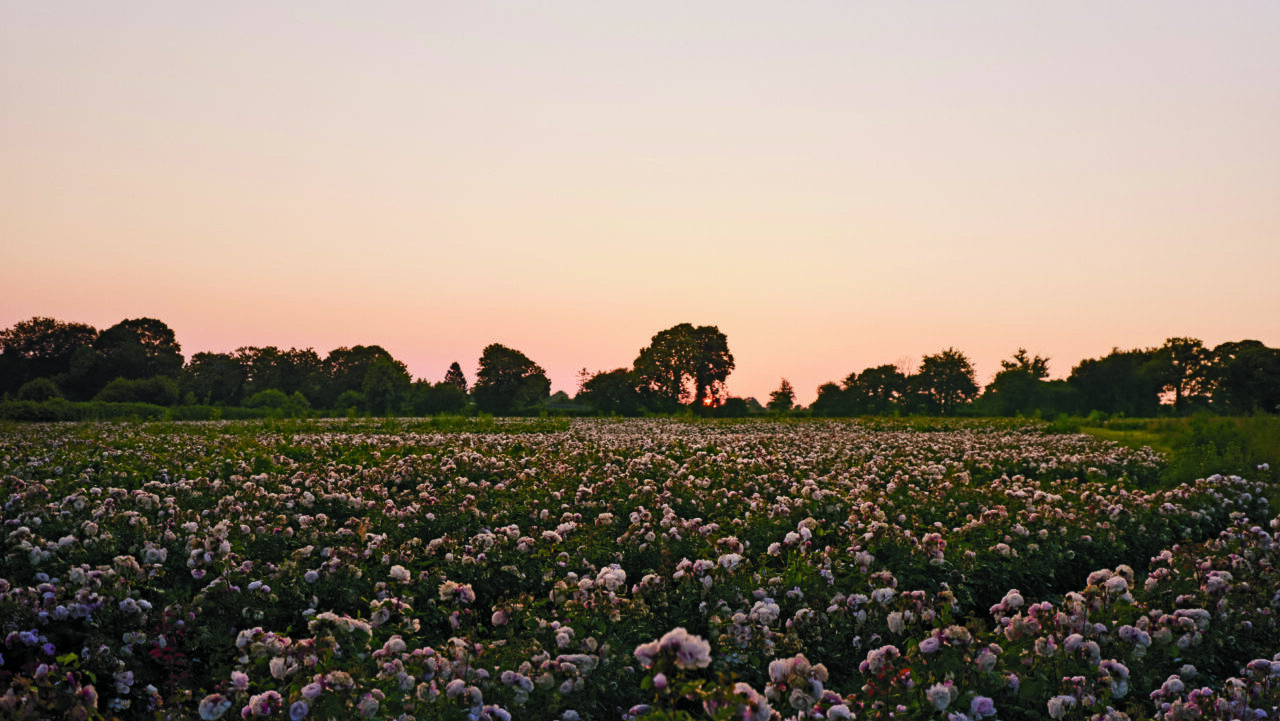
At the heart of the elegant cream is a very special species of the Granville rose, a symbol that’s intricately entwined with the deep history of the House of Dior. The bloom is the relative of the roses that grew in the garden of Christian Dior’s childhood home. As legend has it, the iconic designer’s mother, Madeleine Dior, cultivated a lush rose garden at Villa Les Rhumbs, the family home where Dior’s early references grew in his imagination, right there in Granville along the rugged northern coast of France. The heir of a wild rose that somehow thrived, perched precariously high in the cliffs of Normandy, subjected to wet, cold winds and gray skies, underwent seven rounds of hybridization to create a specimen rich in 22 micro-nutrients, a powerful botanical that now serves as the Dior cosmetic rose.
Stemming from this power plant is the proprietary active ingredient that powers La Crème, Rosapeptide-3, a patented complex with three times the concentration of the mighty Granville rose on its own. An innovative extraction method taps multiple areas of strength in the rose: a mega-hydrating, polyphenol-packed petal extract, a fruit extract and a cellulose-rich essence extracted from the stem. The trio of rose peptides is combined with two more anti-agers: a tetrapeptide that boosts collagen and a hexapeptide that has a smoothing effect. But perhaps the most effective attribute of the formula is that it’s been designed to penetrate the dermis because when it comes to skincare containing amino acid chains, not every formulation is created equal. “The catch is that peptides don’t easily pass through the skin’s outer barrier on their own,” says Robbins. To the rescue: an exclusive technology that increases permeation of active ingredients by 47 percent. Results included measurable differences in collagen growth, boosted elastin and hyaluronic acid and a more resilient skin barrier.
Depending on one’s preference, Dior Prestige La Crème is available in two textures, the deeply cocooning Texture Riche and a luxurious gel-cream dubbed Texture Essentielle, each for $495 at dior.com. A little attention to detail whilst applying it can amplify the youthifying effects of the formula. Washington D.C.-based celebrity esthetician Sarah Akram suggests smoothing a dot of cream on the sides of the neck, each cheek and on the forehead before using one’s knuckles as a stimulating tool, first sweeping them down the neck to drain lymph, then moving upwards, tracing along the outer edge of the the jaw to just under the cheekbones, working inwards, lifting and sculpting the face as the cream melts into skin.
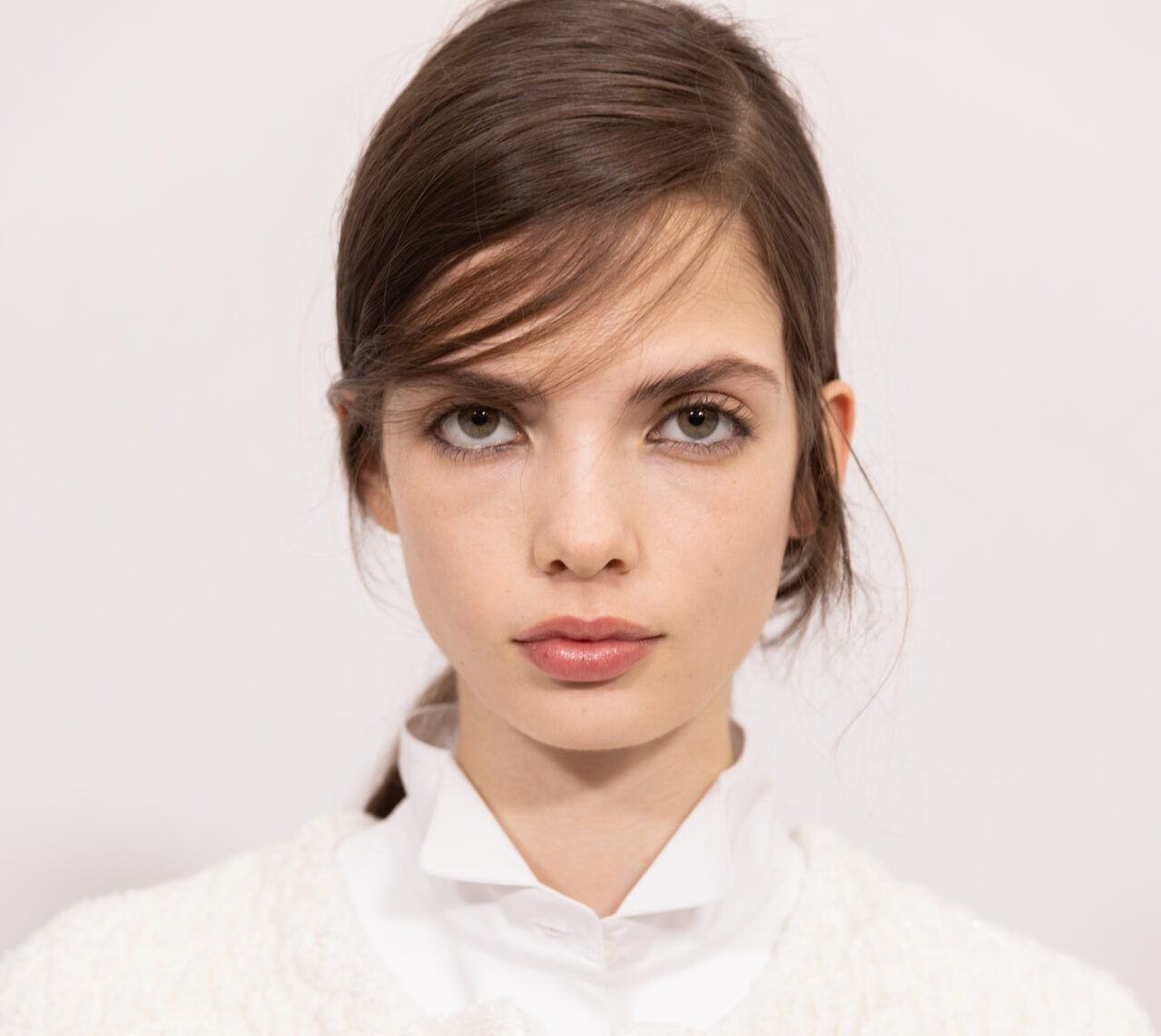
In this age of data, biomarkers can detect tangible improvements in health and in the skin, no problem. But the real benefit of a high-tech treatment is in how it makes you feel — that elusive indicator that can sneak up on you, perhaps after a series of compliments, the return of the oft-absent self-confidence. “When we support healthy, resilient skin, there’s also an emotional benefit,” shares Georgia Louise Vassanelli, the A-list esthetician who recently reopened her Upper East Side clinic as the Georgia Louise Beauty Longevity Atelier. “When you feel good in your skin, it affects confidence and overall well-being, which radiates happiness and often motivation to focus on healthier practices.” And who knows, perhaps at your next dinner party, when the talk turns to needles, you can share the story of the rose that, against all odds, year after year, grows back stronger and more beautiful than ever.
Dior Prestige La Crème, $495, dior.com
Read the Fall/Winter Issue of GRAZIA USA featuring cover star Louisa Jacobson:


