










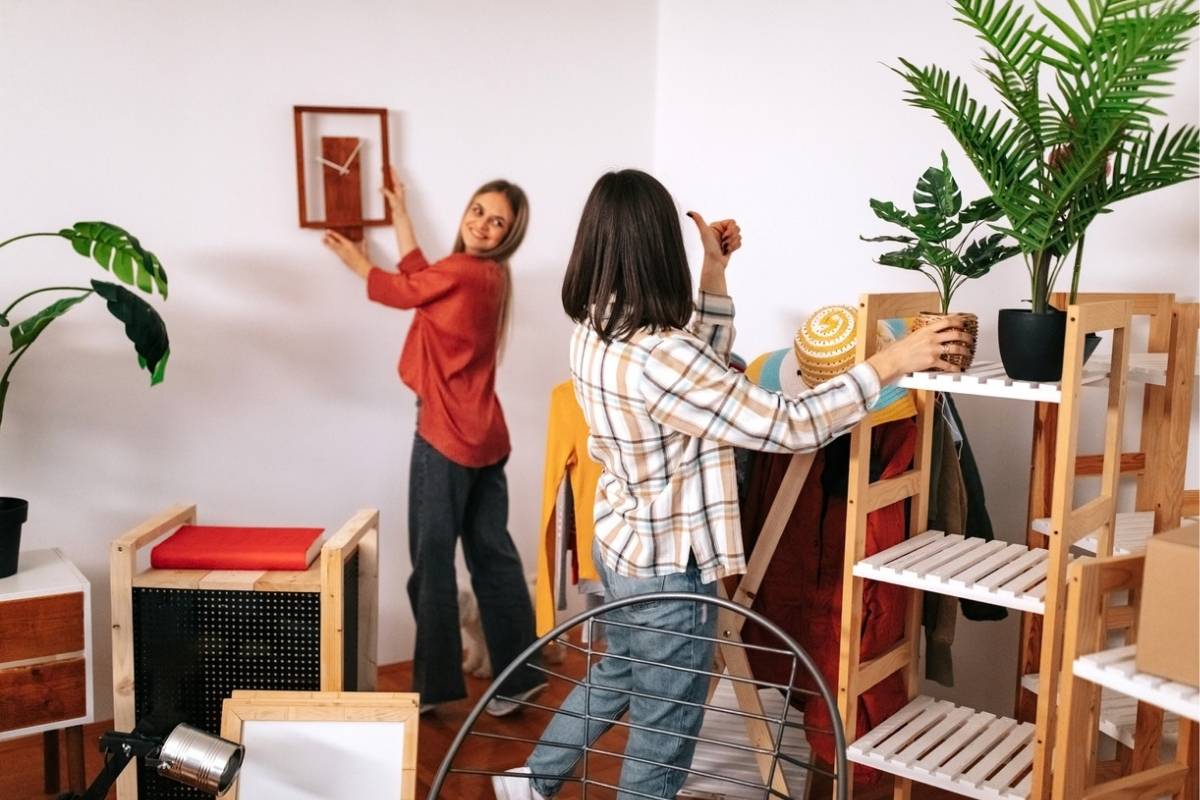
The room is clean. The dishes are done, the pillows are fluffed, and yet something feels slightly off. Your gaze keeps drifting to the same corner, the same angle, the same arrangement you have stared at for weeks. Then a quiet impulse kicks in – what if the sofa faced the other way? Ten minutes later, socks sliding across the floor and music playing low, you have shifted a chair, nudged a side table, and suddenly the whole space breathes differently. Your shoulders drop. The air feels lighter. And you wonder whether this constant urge to shuffle your surroundings says something deeper about who you are.
If friends have started joking that your living room looks different every time they visit, you are not alone. And no, you are not just being picky. According to personality research, people who habitually rearrange furniture tend to share a cluster of traits that go well beyond interior design taste.
Why your brain craves the refresh
The impulse to move a couch or flip a room layout is closely related to what psychologists call openness – a personality dimension that describes a preference for new ideas, fresh experiences, and the kind of detail-noticing that most people skip right over. Researchers have linked novelty seeking with personality patterns that lean curious and outgoing, and they found that seeking novelty can support creative thinking in the moment. That fits the furniture-shifting impulse perfectly: you are testing possibilities, then learning from the result.
Think of it this way. When you eat breakfast in the same chair every single morning, your mind can slide into autopilot. Switch the chair and you might taste your food more. You might even hear the morning sounds with sharper clarity. The same mechanism applies to an entire room. A different chair angle can feel like a mini vacation for your eyes – a refresh that stays safely inside your comfort zone.
Where some people buy something new when they feel stuck, habitual rearrangers tend to reach for what they already have. A stool becomes a plant stand. A bench becomes a night table. That playful repurposing is a sign of everyday, resourceful creativity, and it tends to grow with practice.
Spatial sensitivity and the pursuit of flow
There is another layer to this habit that has less to do with aesthetics and more to do with how your body moves through a room. If you rearrange often, chances are you walk into a space and immediately feel its traffic pattern. You sense where people will pause, where bags will land, where elbows will bump. That awareness is a form of spatial sensitivity, and it drives many of the micro-adjustments you make.
Light matters to you too, even if you never talk about it. You notice glare on a screen. You notice how afternoon sun hits the floor. You try layouts that make the room feel brighter or softer depending on what the moment needs. When you rearrange, you are often solving for movement – can you carry laundry through without clipping the coffee table, can you open a drawer without doing a little side-step. Designers call this quality flow, and your brain has been pursuing it naturally. A layout that feels smooth can lower everyday irritation, because you face fewer small obstacles between you and whatever you are trying to do.
This spatial awareness can be a genuine strength at work. You may do well with projects that have multiple steps and changing needs, adapting without panicking because your daily life already includes constant mini changes.
Mood, identity, and the quiet reset
Not every rearranging session is about traffic patterns or light. Sometimes you move things because you want a different emotional tone. A cozy corner can feel supportive after a long week. A clearer floor plan can feel energizing when your mind feels cluttered. On restless days, you may shift furniture to match the energy you wish you had – a form of mood management that stays practical and grounded.
Furniture holds stories, too. The chair by the window might be where you read during a hard time. The cleared table might be where you want to invite friends over again. When you rearrange, you are shaping your daily identity cues, and that is why the urge often arrives right after a life change – a new job, a breakup, a big deadline, a new hobby. Your mind wants your surroundings to reflect the update.
If you want to lean into this instinct intentionally, try tying a layout to a feeling you want more often. Decide you want calm in the evenings, then build a tiny ritual around it, like placing a lamp near your favorite chair. Keep a simple note on your phone and write one sentence after each rearrangement – those tiny observations add up over time.
One helpful boundary can keep variety from tipping into chaos. Pick a home-base corner that stays steady, like a reading nook or your bedside table, and let the rest of the room be your change-friendly zone. Do one change at a time, live with it for a day, then decide on the next move.
What this really says about you
The habit of rearranging furniture is not restlessness for the sake of it. It reflects a blend of openness, spatial intelligence, resourceful creativity, and a low tolerance for the small annoyances – the scraping chair, the tangled lamp cord, the table that crowds a walkway – that most people simply learn to ignore. You handle friction before it becomes a bigger daily drain.
Sometimes the reset is quiet. You move the bed so morning light hits your pillow. You place your shoes where you will actually reach for them. These choices support small self-respect throughout the week, and they add up to something worth noticing: you already know how to create a sense of new without blowing up your life. That is a skill, not a quirk.