










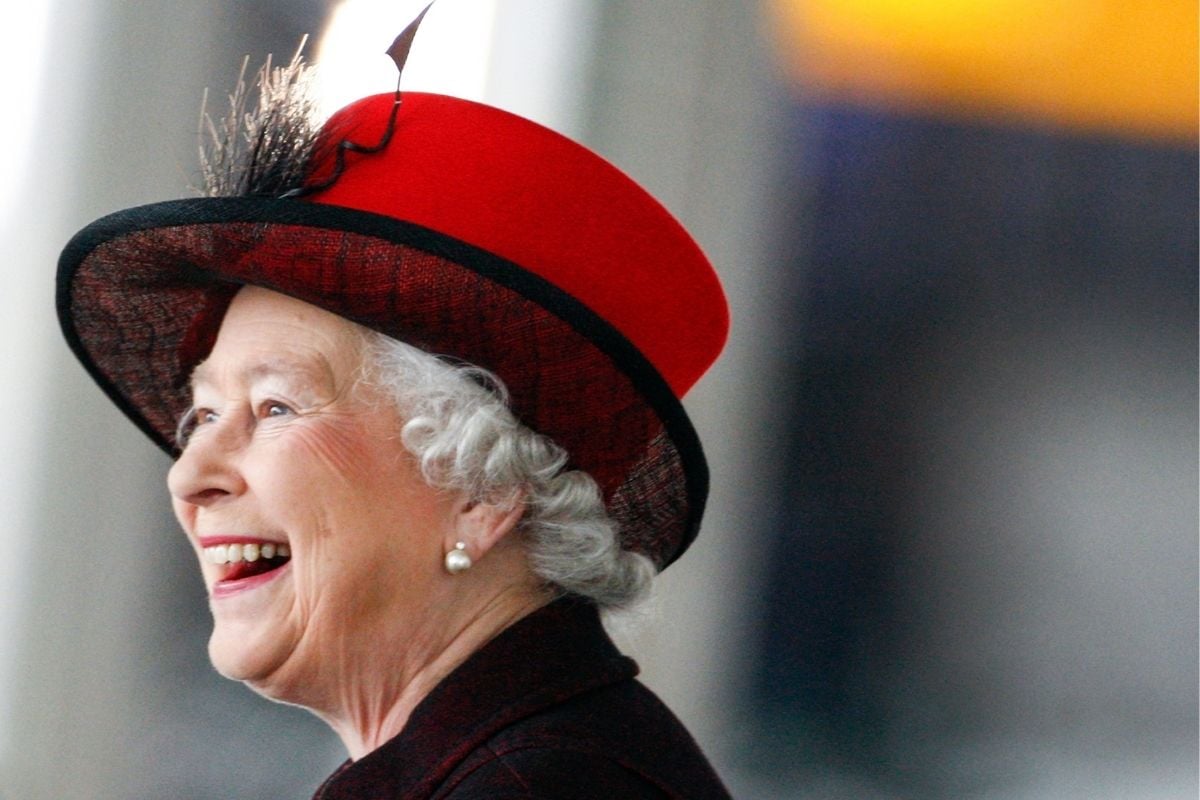
You have probably been there: it is the middle of summer, the bedroom feels like an oven, and no matter how many times you flip the pillow to the cool side, sleep just will not come. Most of us reach for a fan, crank up the AC, or resign ourselves to a restless night. But what if the simplest fix was already built into your home – your windows? It turns out the late Queen Elizabeth had an unwavering habit around exactly that, and a heating and cooling expert says the logic behind it genuinely holds up.
Why hot-weather sleep feels so impossible
Heatwaves consistently rank among the top complaints when it comes to poor sleep. The stuffy, stagnant air that builds up indoors during the day can make bedrooms feel unbearable long after the sun sets. Many people instinctively throw windows wide open the moment temperatures climb, hoping for relief. But does that reflex actually help, or could it be making things worse?
Angus Struthers, Managing Director at BOXT, a company that specializes in heating and cooling, has pointed out a crucial nuance. If the air outside is warmer than the air inside, opening a window simply invites more heat into the house. In other words, the timing of when you let outdoor air in matters far more than the act itself. Struthers recommends keeping windows shut throughout the hottest part of the day and only opening them in the evening once the outside air has cooled down.
The late Queen’s nightly window ritual at Balmoral
Queen Elizabeth spent her annual summer break at Balmoral Castle in the Scottish Highlands, and according to former royal butler Paul Burrell, she had an ironclad rule about her bedroom windows. From August until early October, she never closed them. Burrell has said that the Queen loved getting the fresh highland air into her room every single night, and that the windows stayed open without exception during those months.
When autumn temperatures eventually dropped and nights became very, very cold, the Queen did not shut the windows – she simply piled on layers. Burrell described how she relied on sheets, blankets, covers, and eiderdowns to stay warm while still enjoying the brisk highland breeze. It was a non-negotiable part of her nightly routine.
What made this work so well? The cool evening air of the Scottish Highlands likely meant the temperature flowing into her bedroom was genuinely refreshing rather than oppressive. That aligns perfectly with the expert advice from Struthers: open windows are your friend, but only when the air outside is cooler than what is already in the room. At Balmoral, surrounded by highlands, the nighttime conditions were naturally ideal for this approach.
The rest of Queen Elizabeth’s sleep routine
Keeping windows open was just one piece of a broader evening and morning ritual that the Queen followed consistently. She reportedly aimed to go to bed around 11 p.m. and woke up at 7:30 a.m., giving her roughly eight and a half hours of sleep each night – a generous window that most sleep researchers would applaud.
When sleep proved elusive, she had her own low-tech remedy. In 2017, an ex-guardsman told The Times that Queen Elizabeth would sometimes walk around the palace grounds late at night if she was struggling to drift off. He recalled one particular incident at around 3 a.m. when he spotted a figure moving in the darkness and called out to identify whoever it was. When he realized it was the Queen herself, he admitted he had nearly mistaken her for an intruder.
Her mornings were equally distinctive. Rather than waking to an alarm clock, the Queen was roused by a live performance from the Piper to the Sovereign, a tradition in which a bagpiper plays outside the monarch’s window each morning for 15 minutes, divided into two sessions. The position is currently held by Pipe Major Paul Burns, who was originally appointed by Queen Elizabeth and retained by King Charles. The role carries a unique distinction: the Piper is the only person outside the Royal Family permitted to wear Balmoral tartan.
What you can actually take from this
You do not need a castle in the Scottish Highlands to borrow the principle behind the Queen’s habit. The core takeaway is straightforward: keep your windows closed during the heat of the day to trap cooler indoor air, then open them wide once the evening temperature drops below what your home is holding. It is a simple, cost-free strategy that a cooling expert has endorsed and that one of the most disciplined women in modern history swore by for decades.
Pair that with a consistent sleep schedule – aiming for a solid eight-plus hours – and you have the foundation of a genuinely restful summer night, no royal estate required.