










You know that moment when the temperature barely nudges above freezing and you find yourself eyeing a pair of loafers you have no business wearing yet? That impulse – dressing for the weather you desperately want instead of the one you actually have – is practically a national sport in Sweden. While London hits 17 degrees and Paris follows closely behind, Stockholm lingers somewhere between 6 and 10 degrees (43-50F), stubbornly slow to let go of winter. And yet, the wardrobe shift begins anyway, driven by optimism, ritual, and a surprisingly uncomplicated approach to getting dressed.
Why the sidewalks matter more than you think
In Scandinavia, and especially Stockholm, the seasons dictate far more than outfit choices. They shape the cultural pace itself. From autumn through winter, residents navigate long hours of darkness, heavy cloud cover, and a deep cold that settles in for months. Spring and summer eventually deliver warmer, generally mild temperatures, occasionally interrupted by the odd heatwave. Autumn swings between Indian summer days, soft mizzle, and rain that blows sideways across the city.
But there is a very specific, very Swedish detail that outsiders almost never consider: gravel. In Sweden, streets are rarely salted in winter – better for all the dogs. Instead, the city spreads gravel, or grus, across sidewalks and roads to prevent slipping on ice. When the snow melts, that gravel stays behind for weeks, covering pavements in a dusty layer that makes walking awkward and wreaks havoc on shoes. The day the gravel finally gets swept? The city feels different. Sidewalks are smooth again. The air is lighter, less dusty – at least before the pollen arrives. People start planning which thin-soled shoes they can finally wear, and cafes with outdoor seating fill up for AW, the beloved Swedish after-work tradition.
Another unmistakable sign: the first blåsippor and vitsippor in the forest. When those small blue and white anemones start covering the ground, Swedes declare spring truly arrived and immediately share photos in their group chats.
The footwear shift that signals everything
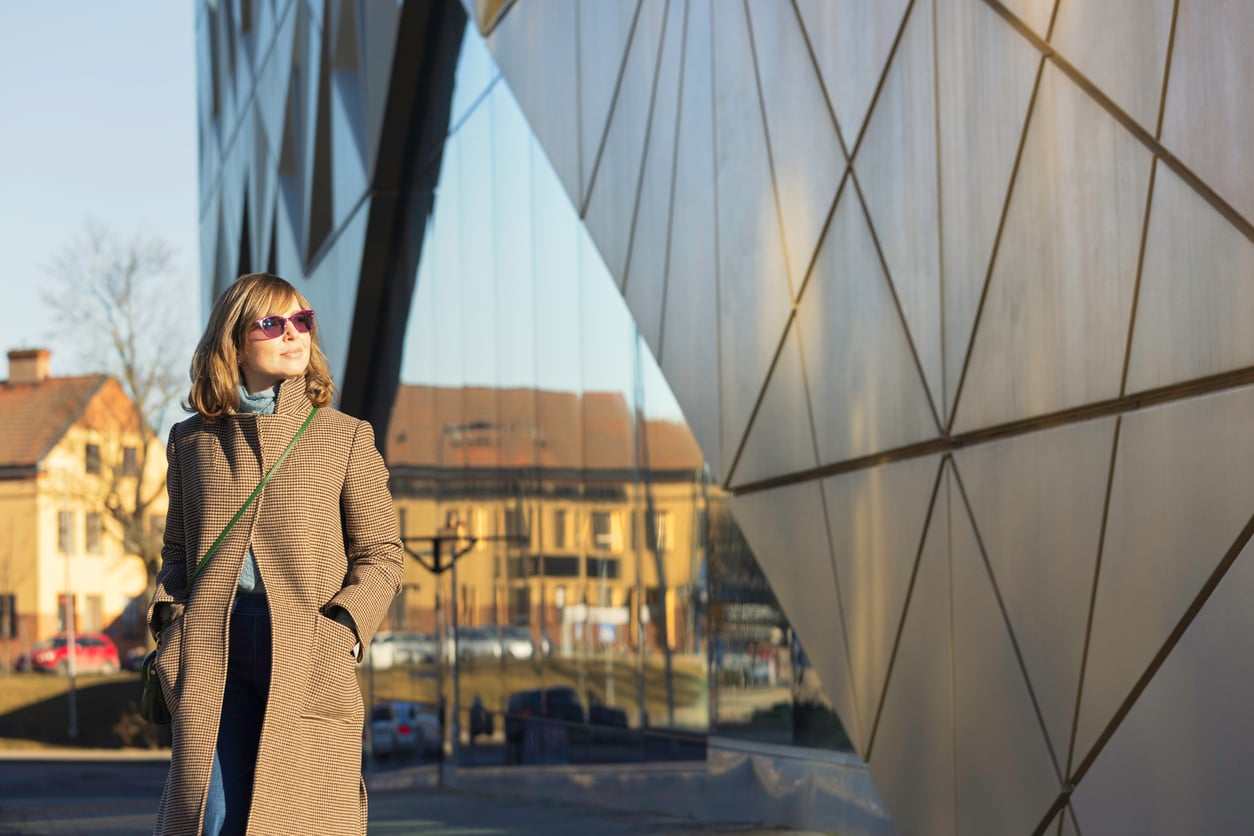
If you are trying to decode Scandinavian spring style from the outside, the formula is surprisingly simple. The base rarely changes – good denim or great trousers, a reliable coat, knitwear that works in real life. What shifts are the smaller choices: shoes, layers, and the quiet styling decisions that signal someone is moving out of winter.
Every year, around the time the gravel disappears, Instagram fills with declarations about wearing flats for the first time or refusing boots despite the cold. Ballet flats come first. This year, Toteme leads with sleek patent leather and a beautiful suede pair. Flattered and ATP Atelier offer flats of all kinds. Morjas, traditionally a men’s footwear brand, now has a women’s line with beautifully crafted ballerinas. For more affordable but well-made options, Marzio in Stockholm produces Italian shoes in nearly every color imaginable. International names remain popular too – Le Monde Beryl, Repetto, Chanel, The Row, Ayede, Alaïa, and Margaux with their Demi flat all appear on Stockholm streets. Quality matters here: a soft leather upper and a proper leather sole will mold to your foot and last far longer than synthetic alternatives.
Then come the sneakers. Swedes love nothing more than a fresh white sneaker, and the second streets are dry enough, cleaner pairs and plimsolls take over. Sneaker culture runs deep in the Nordics. Sneakersnstuff in Stockholm, founded in 1999, grew from a small local shop into an international player with stores across Europe, the US, and Asia. Retailers like Caliroots, Nitty Gritty, Très Bien Shop, and Storm in Copenhagen helped establish the region as a serious destination for sneaker enthusiasts. Nordic brands followed: Eytys brought a distinctly Scandinavian design language to the category, while Acne Studios helped pull sneakers further into the luxury fashion conversation.
Outerwear that refuses to pick a season
When the crocuses appear, the coats get lighter. Car coats, trench coats, leather jackets, and other thinner layers replace heavy winter outerwear. Anna Newton champions layering a thin Uniqlo compact down jacket underneath your coat during this transitional period – genuinely one of the smartest tricks for Scandinavian spring dressing.
You might assume the trench coat belongs exclusively to British or French wardrobes, but Scandinavian brands hold their own. Filippa K has been producing beautiful transitional coats since the 90s, Toteme has refined several classic silhouettes, and Dagmar experimented with a cape this season. The waxed jacket also returns every spring. You might associate it with Barbour and the British countryside, but it works surprisingly well in Scandinavian cities, paired equally with ballet flats or sneakers.
In true Scandi fashion, the spring coat rarely disappears once summer arrives. It simply gets lighter and continues through cool evenings, windy days by the water, and the typical rainy June afternoon.
What Stockholm’s slow spring actually teaches us
While much of Europe rushes into double-digit temperatures, Stockholm lags behind. Trees turn green weeks later and winter rarely disappears all at once. But that delayed transition creates something worth paying attention to: a wardrobe philosophy built around patience, layering, and investing in pieces that stretch across months. The formula is not about bold seasonal reinventions. It is about reliable foundations – great trousers, quality knitwear, a coat that follows you from March through June – and letting the shoes do the talking when the moment finally comes.


