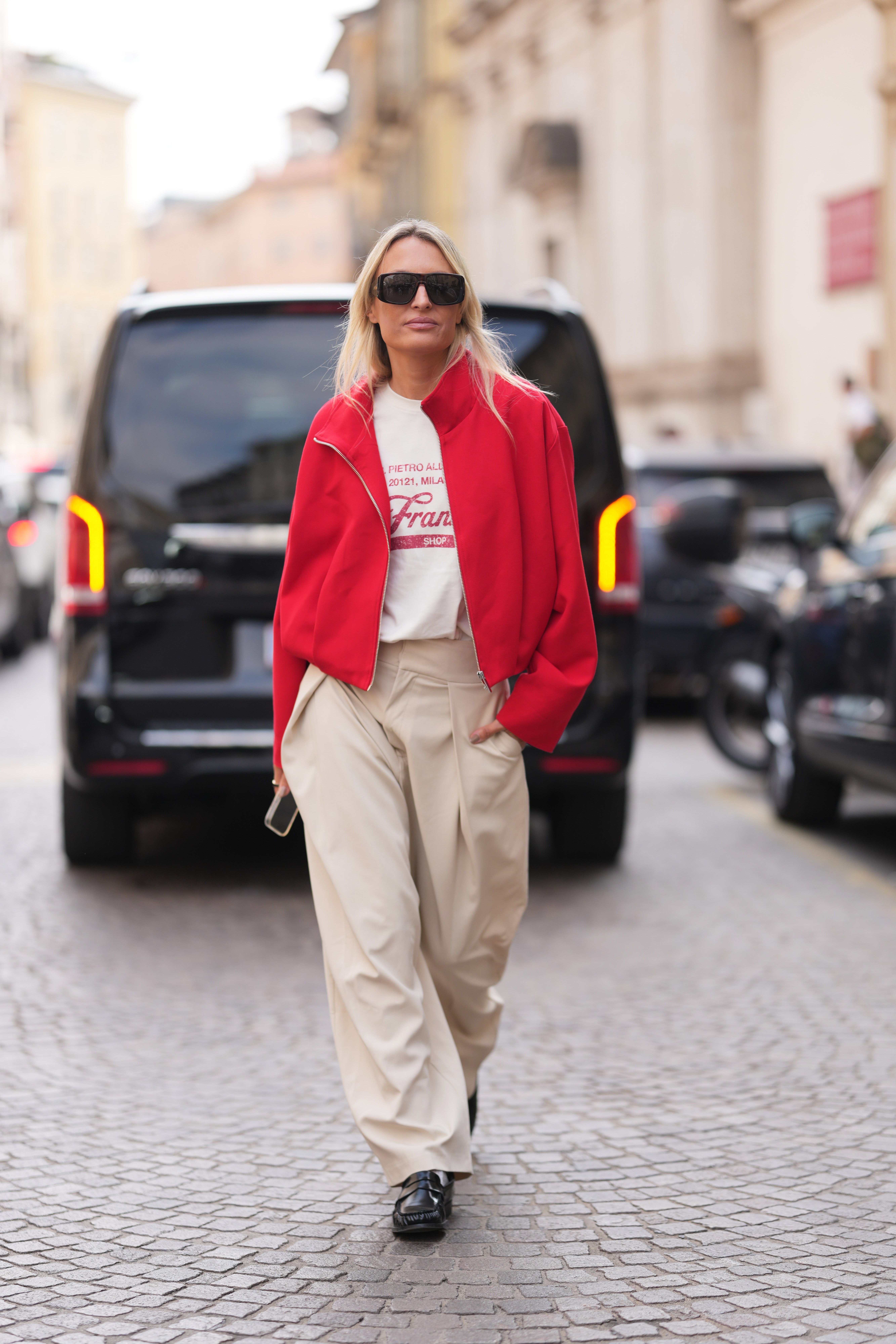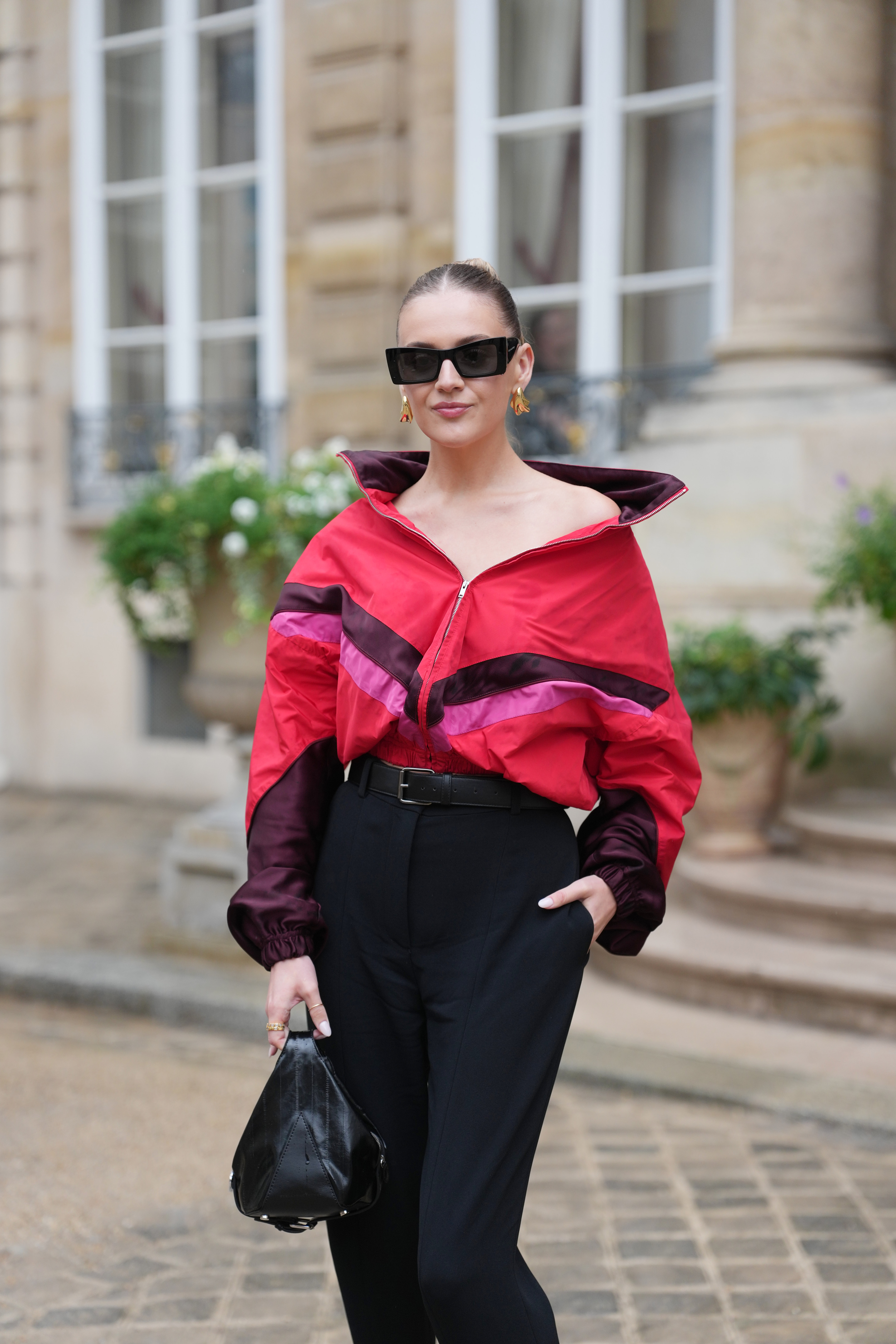
 Red has
been building for several seasons. Burgundy arrived first and
refused to leave, settling into coats and knitwear until it began
reading as a neutral. Cherry followed, brighter and considerably
less polite. Now the whole family has turned up at once, and the
season has room for every member. Fall suits the color better than
any other moment in the calendar. Low light deepens a warm red,
while cold air sharpens a cool one, so the same sweater behaves
differently at noon and at six. There is a practical argument too.
The palette flatters most skin tones without requiring any
particular effort, and it rescues an outfit that has gone quiet.
Anyone tired of beige therefore has somewhere obvious to go. Best
of all, the shade asks for very little around it.
Red has
been building for several seasons. Burgundy arrived first and
refused to leave, settling into coats and knitwear until it began
reading as a neutral. Cherry followed, brighter and considerably
less polite. Now the whole family has turned up at once, and the
season has room for every member. Fall suits the color better than
any other moment in the calendar. Low light deepens a warm red,
while cold air sharpens a cool one, so the same sweater behaves
differently at noon and at six. There is a practical argument too.
The palette flatters most skin tones without requiring any
particular effort, and it rescues an outfit that has gone quiet.
Anyone tired of beige therefore has somewhere obvious to go. Best
of all, the shade asks for very little around it.
A Red With a Name and a Birthday
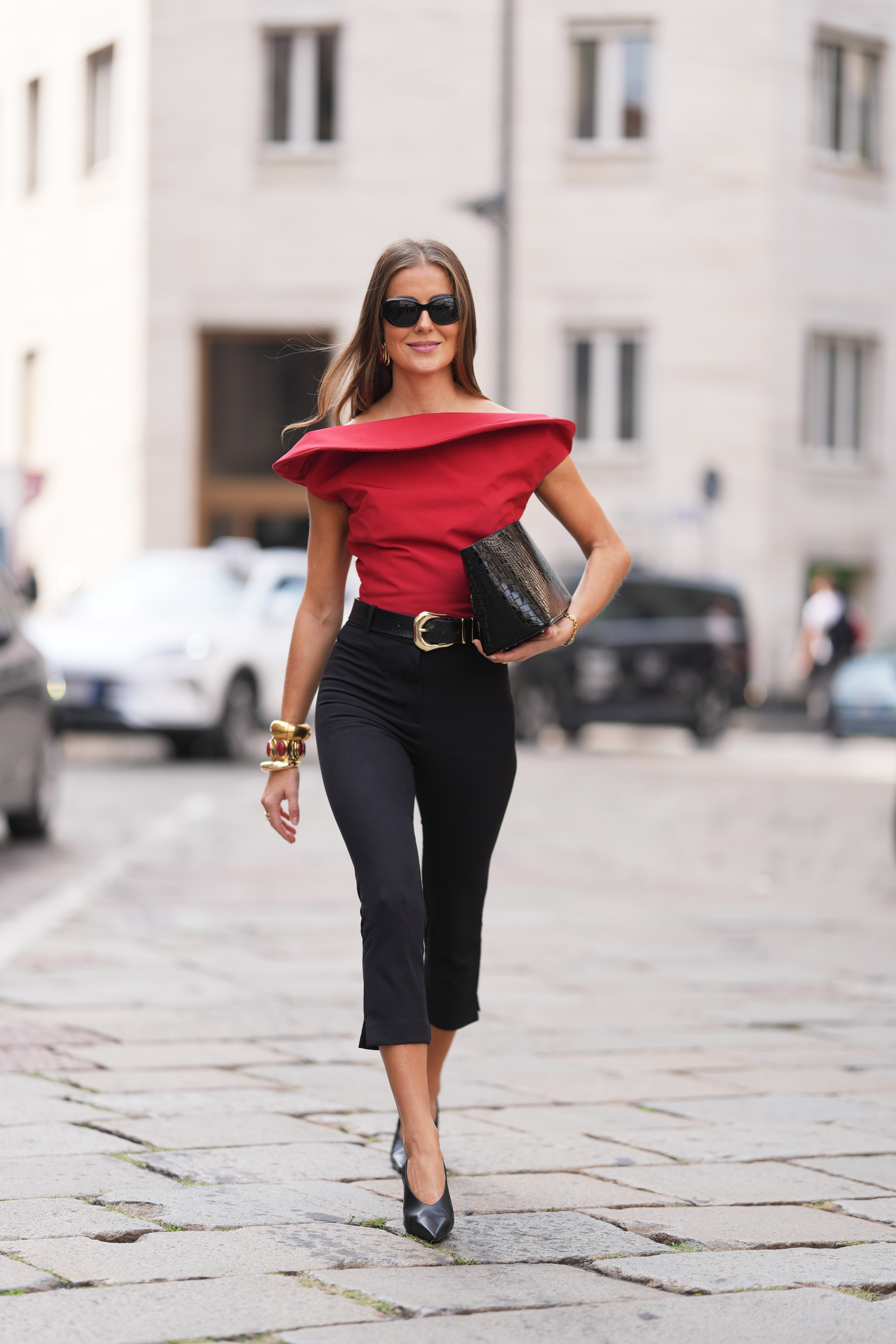
One red carries documentation. Valentino Garavani,
who died in Rome last January at ninety-three, built an entire
house on a single hue. The story begins at the opera in Barcelona,
where a young Valentino noticed an elderly woman in a red velvet
dress standing out among the crowd. He unveiled the color in 1959,
with a strapless cocktail dress of draped tulle. The formula mixes
carmine and scarlet with a hint of orange. Every collection he
designed afterwards included at least one red gown. A woman dressed
in red, he once wrote, is always wonderful.
The Shades to Know This Fall
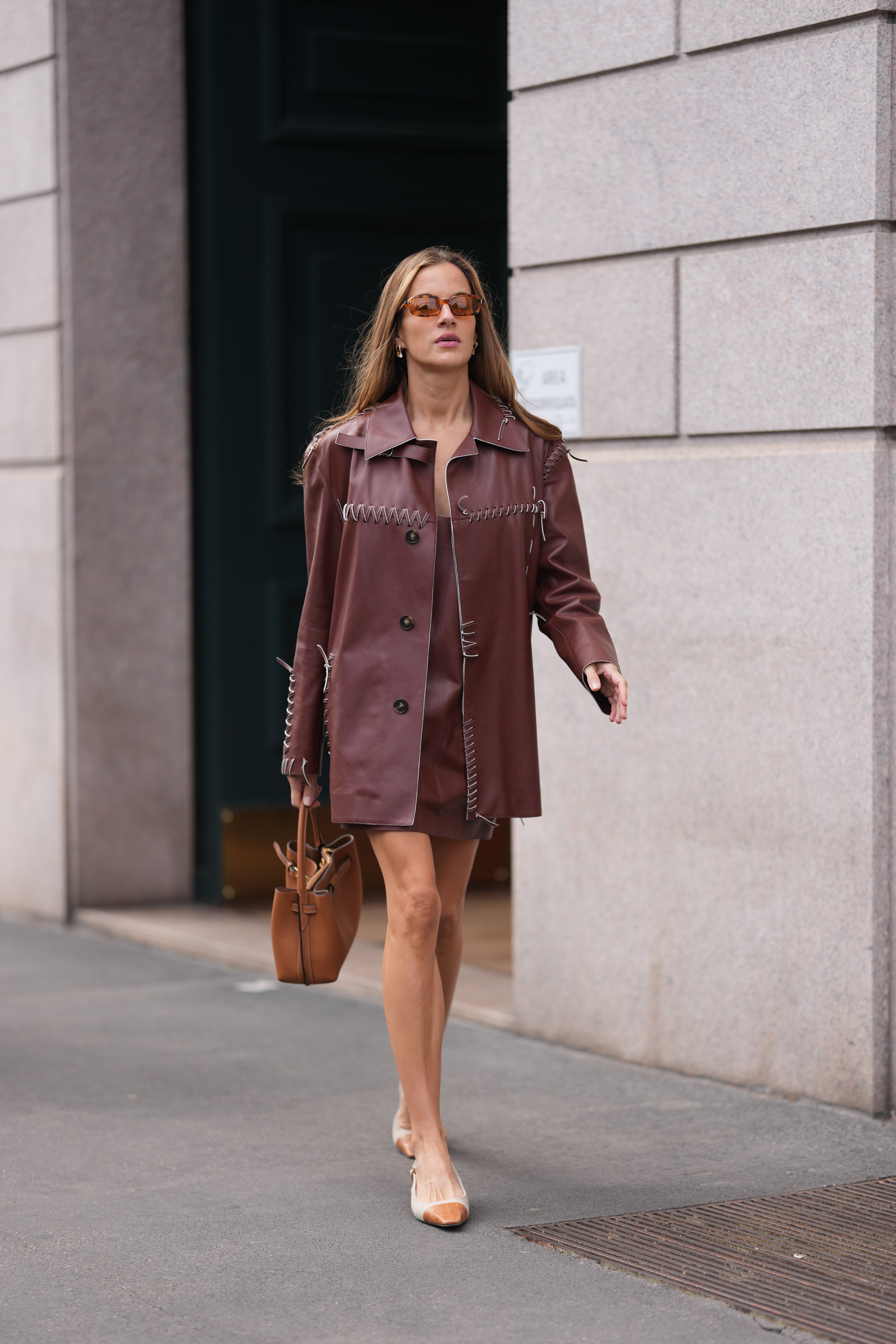
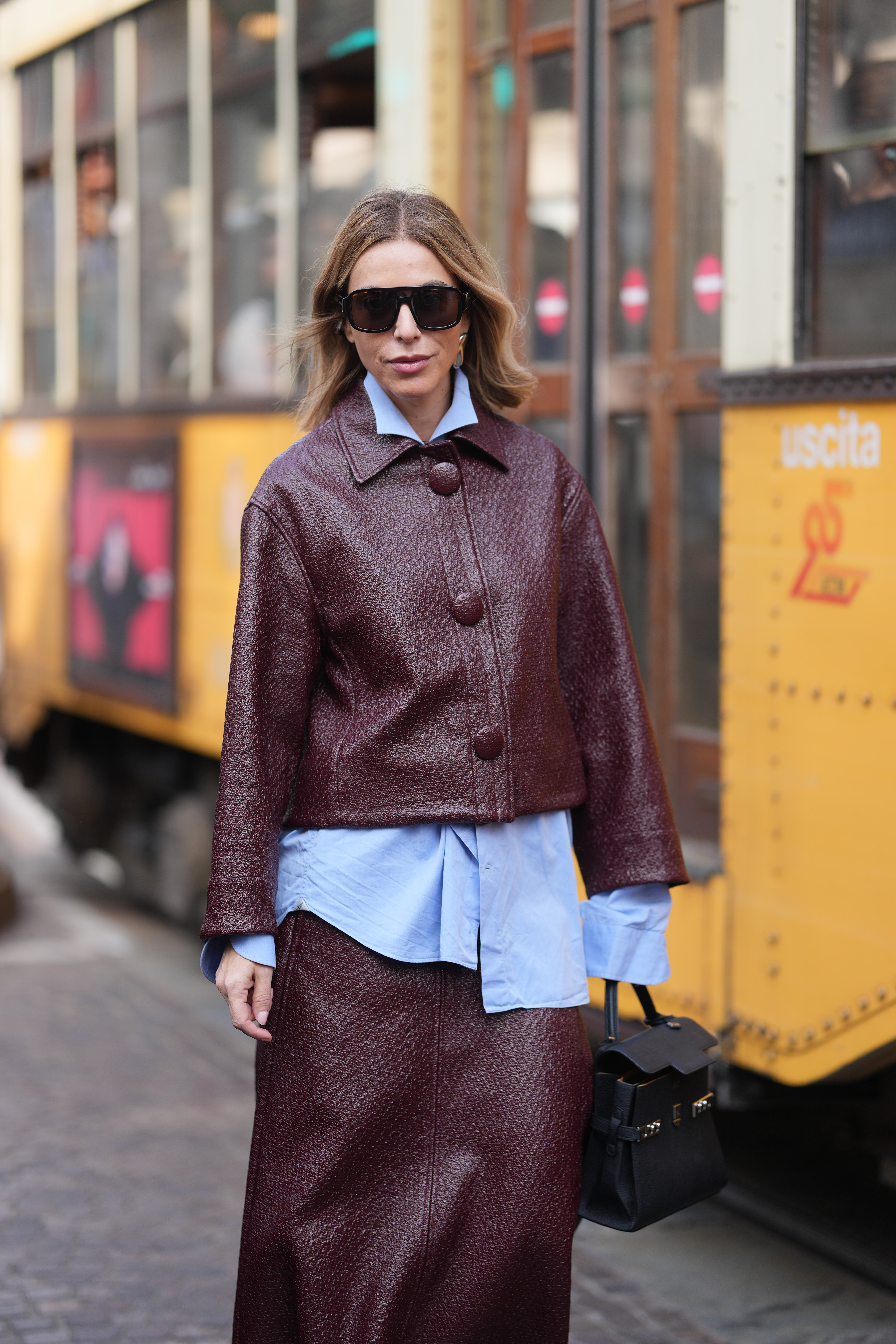
Start with burgundy, the darkest of the group and
the easiest to live with. It handles tailoring beautifully and sits
happily beside chocolate or navy. Oxblood runs
deeper still, with a brown undertone that suits leather and heavy
wool. Cherry does the opposite work. Glossy and
slightly sweet, it lifts an otherwise quiet outfit and looks
particularly good in satin or patent.
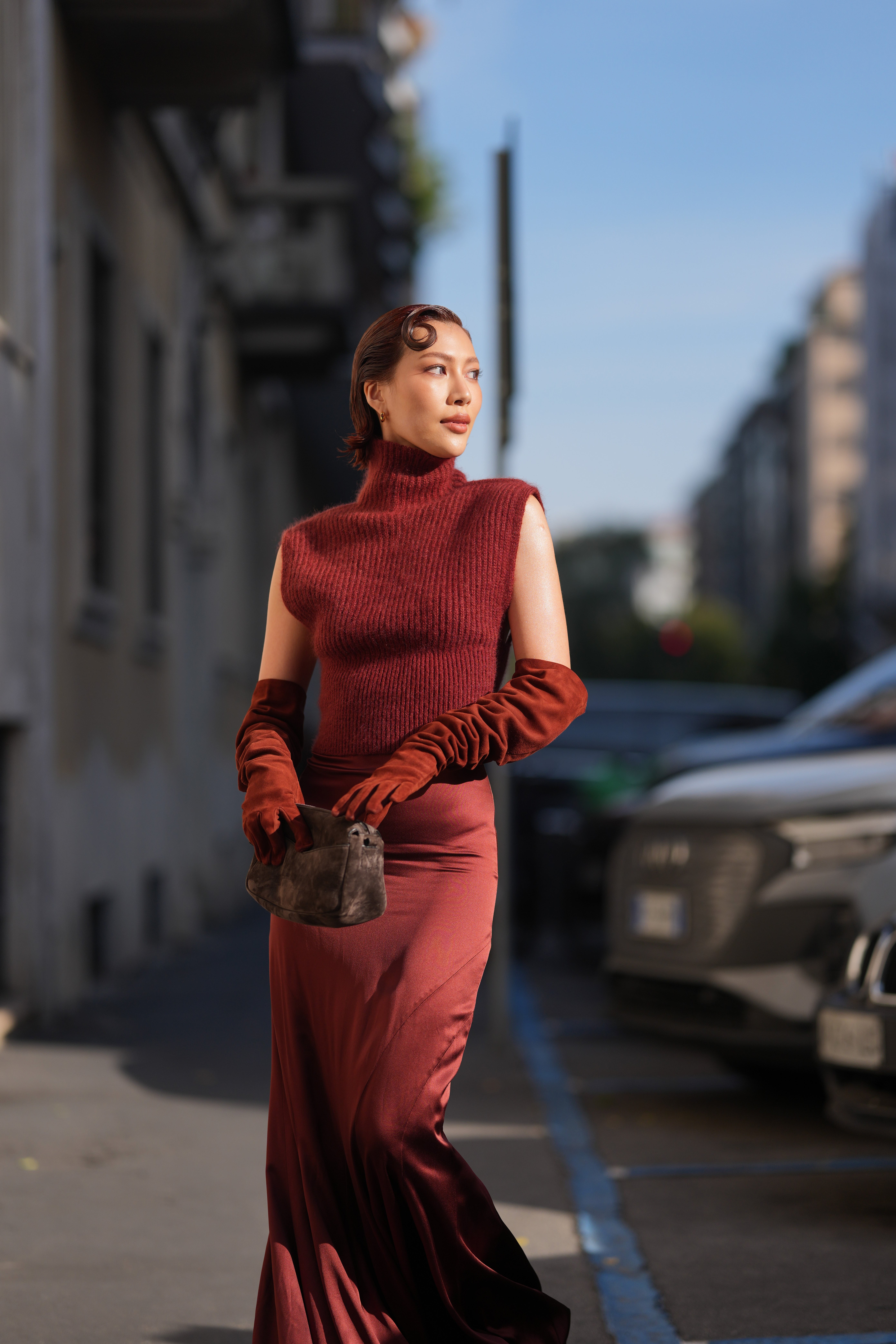 Then comes
brick, dusty and warm, which reads as autumnal in
a way the others do not quite manage. Monochrome works best across
all four, so keep the palette tonal rather than contrasting. Add
gold jewelry and stop there. Worn well, red settles on a gray
afternoon the way a lit window does, and the whole street notices
without quite knowing why.
Then comes
brick, dusty and warm, which reads as autumnal in
a way the others do not quite manage. Monochrome works best across
all four, so keep the palette tonal rather than contrasting. Add
gold jewelry and stop there. Worn well, red settles on a gray
afternoon the way a lit window does, and the whole street notices
without quite knowing why.