










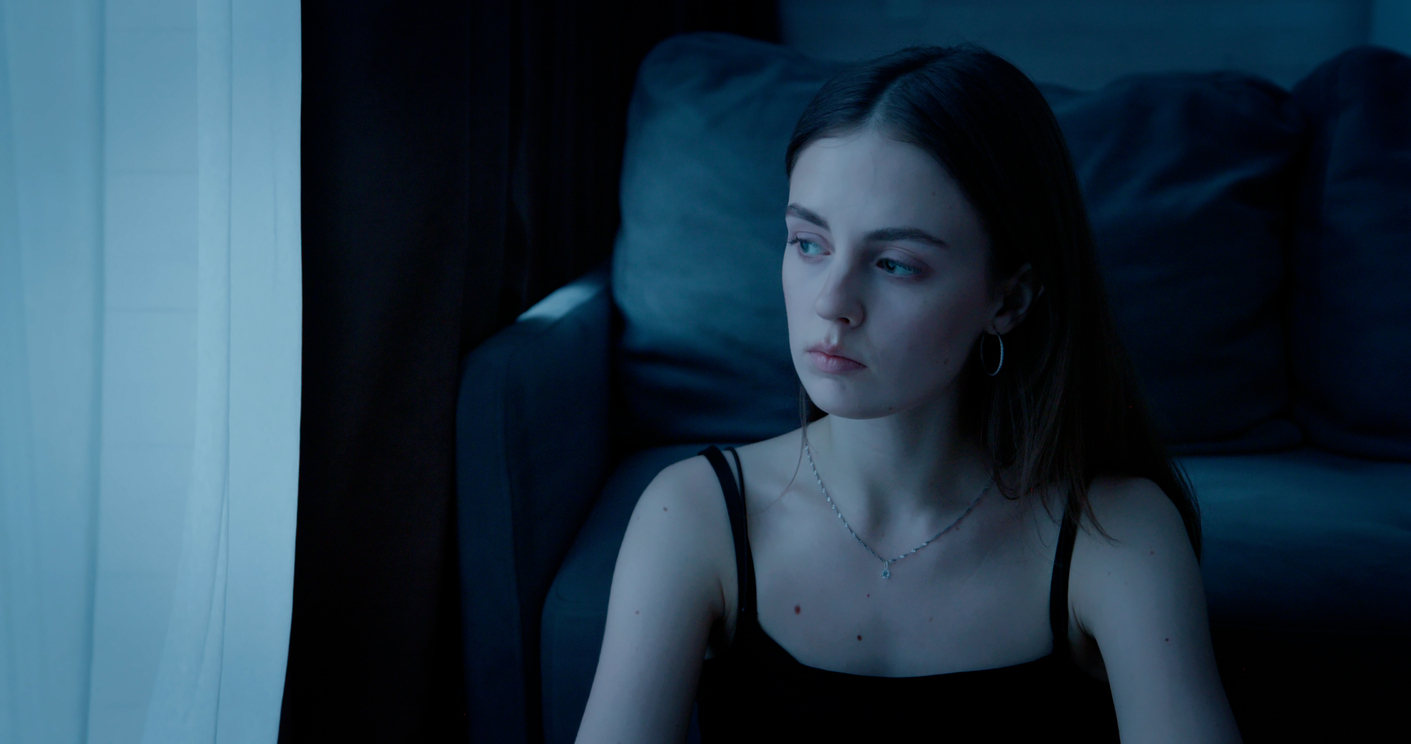
You know that moment when you’re scrolling through your phone at 2 a.m., rereading old texts and wondering if you’ll ever feel like yourself again? You’re not imagining the loneliness – and you’re far from alone in it. The post-breakup fog can make it feel like the world kept spinning while you stopped. But here’s the thing most people miss: the end of a relationship doesn’t have to mean the end of you. In fact, according to at least one psychotherapist, it can mean exactly the opposite.
A wave of breakups nobody saw coming
2020 earned an unofficial title that had nothing to do with a virus – it became known as the year of the breakup. Dating.com researched the significant uptick in its new signups that year and found that 67% of new users had recently gone through a split. Most of those newly-single people had been living with their partners before things fell apart.
The trend wasn’t limited to dating apps, either. Divorce attorneys across the globe reported strikingly similar patterns. The law firm Stewarts saw a 122% increase in divorce inquiries in 2020 compared to 2019. Those are not small fluctuations. Lockdown, and the nonstop togetherness it imposed, likely left many couples feeling pressurized and disillusioned, slowly eroding their foundations and surfacing uncomfortable truths about compatibility. So if you spent Valentine’s Day newly single and still stuck indoors, the numbers confirm you were in vast company.
What does a psychotherapist make of all this? One clinician who observed the same pattern anecdotally in their own practice put it plainly: the end of a romantic relationship is an opportunity for rebirth. Not just an optimistic spin, but a genuine professional conviction that breakups are essentially equivalent to new beginnings and massive self-discovery.
Five reads and one film that a therapist actually recommends
When hope feels out of reach, there is nothing wrong with turning to science, theory, or art for a lifeline. A psychotherapist-approved reading list centers on exactly that principle – cultivating a spirit of renewal through carefully chosen books and one standout movie.
First up is Rinzler’s Love Hurts. Rinzler, a millennial New Yorker who has written six books on mindfulness and opened the MNDFL studios in NYC, organized the text into small, digestible sections. That structure is intentional: grief can shrink your attention span, and bite-sized insights on how to ride the pain like a wave can feel far more manageable than a dense self-help tome.
Then there’s Chodron’s When Things Fall Apart, a classic that sits at the crossroads of wellness, meditation, and trauma recovery. Chodron has been studying and teaching the Tibetan subset of Buddhism since 1972, and she weaves her own experiences with rejection and divorce throughout the book in deeply poetic prose. The real payoff? Once you absorb the mindful techniques from both Love Hurts and When Things Fall Apart, you can apply them to stressors in every other area of life. Mindfulness, in that sense, is a self-care skill set with lateral application.
Cheryl Strayed – best-selling author of Wild and the anonymous voice behind the Dear Sugar column in The Rumpus – collected her most resonant advice-column responses into Tiny Beautiful Things. Inside you’ll find relatable breakup scenarios met with wisdom that reads like a non-cheesy, penetrating pep talk, perfect for those moments when you’re starting to feel completely depleted.
For something more visual, actor Joseph Gordon-Levitt, who starred in 500 Days of Summer (widely considered a great breakup movie), established a creative collaborative community that brought together over 750,000 artists. Their visually-driven breakup insights were anthologized into a book that offers a colorful, collectivistic take on the universal pain that too often leaves us feeling an illusion of aloneness.
Finally, Anderson’s guide breaks the breakup process into simplified steps across three sections: losing your pain without losing your mind, placing the focus squarely on you, and redirecting your attention away from the breakup itself. While the book’s emphasis on speed may feel a bit ambitious, the steps are direct and wise – a solid quick reference when everything feels muddled and messy.
And when you need to press play instead of turn a page
Sometimes you don’t want to read. You want to curl up on the couch and let someone else’s story wash over you. The psychotherapist behind this list singles out one film as the best breakup movie of all time. It follows a heartbroken NYC transplant and aspiring comedian navigating life in Los Angeles. The narrative is short but sweet, and the witty dialogue manages to contain the same kind of wisdom explored across the five books above. If you recall the post-it guy from Sex and the City, the film features a monologue from that same actor that perfectly sets the tone.
What this all adds up to
A breakup can feel like the ground has been pulled from under you, but the sheer scale of recent splits – 67% of new dating-app users coming off a breakup, divorce inquiries more than doubling – proves that this particular kind of pain is deeply shared. The first step toward healing, according to a practicing psychotherapist, is to stoke at least a little hope. Science, literature, Buddhist philosophy, crowd-sourced art, and even a well-written comedy can all help you get there. You didn’t just lose a relationship. You gained room to discover who you are next.


