










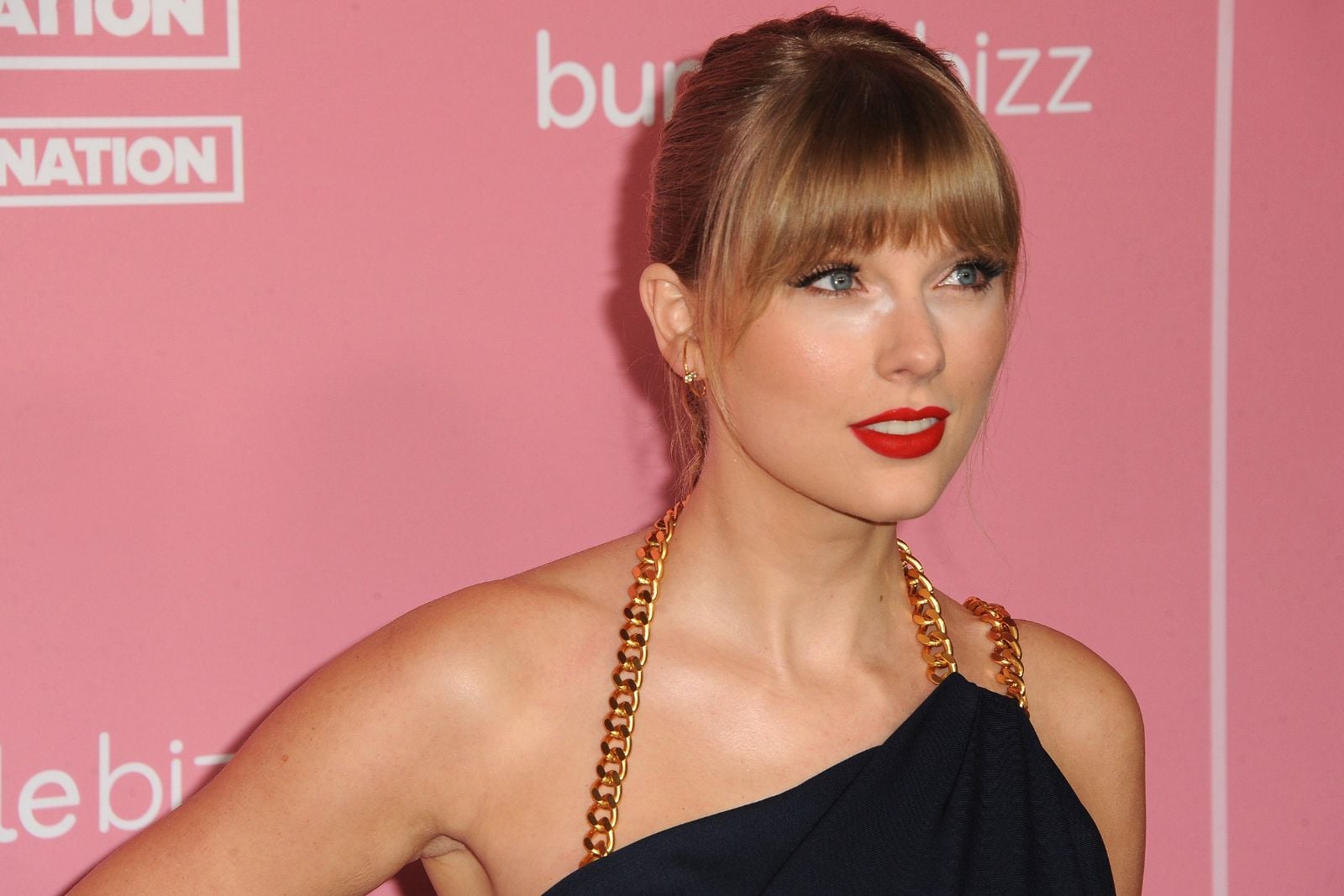
We all have those moments when the life we built starts to feel bigger than the person living it. Maybe it is a career that snowballed beyond anything you imagined, or a level of visibility you once craved but now find suffocating. Most of us quietly wonder whether the trade-offs are still worth it. Taylor Swift, it turns out, asks herself the same question – and she has landed on a surprisingly simple internal script to answer it.
Inside the conversation that pulled back the curtain
The 14-time Grammy winner sat down for a retrospective, career-spanning conversation as part of The Icon Sessions, presented by the Recording Academy’s Songwriters and Composers Wing. The format was designed to let artists reflect on the full arc of their work, and Swift used the opportunity to get candid about how public perception has tested her creative resolve over the years.
Rather than offering polished sound bites, Swift spoke openly about the internal processes she relies on when fame starts to feel overwhelming. She described cycling through several coping mechanisms she has developed over time – not crisis-level interventions, but quiet mental reframes she returns to again and again. So what does the most commercially dominant songwriter of her generation actually tell herself when the pressure mounts?
The two-sentence reset she keeps coming back to
Swift explained that one of her go-to strategies is a reminder rooted in personal accountability. She tells herself that she chose this path, that she chose it every single day, and that she could have opted out at any point before everything became, in her words, unmanageably big. The reason she stayed, she said, is simply that she loves it that much. For Swift, that realization is where the internal debate both begins and ends.
She went further, saying that everything that comes along with her level of visibility is ultimately worth it as long as she still gets to make music. It is a deceptively straightforward philosophy, but it does something powerful: it reframes fame not as something that happened to her, but as something she continues to actively choose. That distinction matters. It shifts the emotional weight from victimhood to agency.
Swift also addressed the voices she learned to tune out early in her career. Growing up, she was told she did not have a valid perspective to appeal to a certain genre. Instead of internalizing that criticism, she redirected her focus entirely. She came to understand that she was making music for fans – people who care about it and who look to music as a way to cope with their own lives, the same way she always did.
Why she says chasing universal approval is the wrong goal
One of the most revealing parts of the conversation was Swift’s take on validation. She described music as a vehicle for emotional truths that will either resonate with listeners or they will not. The key insight she shared is that creating songs you love deeply is not a guaranteed path to universal approval. If you understand that and still keep going, she suggested, then you are doing it for the right reasons.
That philosophy clearly extends beyond the studio. In June, Swift reached another milestone when she was inducted into the 2026 Nashville Songwriters Hall of Fame. She joined the 2026 class alongside Walter Afanasieff, Terry Britten and Graham Lyle, Paul Stanley and Gene Simmons of KISS, Kenny Loggins, Alanis Morissette, and Christopher “Tricky” Stewart.
During a 20-minute induction speech, Swift reflected on how songwriting was always an instinctive form of self-reflection for her. She noted that no one taught her how to write songs. Everything else – entertaining a crowd, learning choreography, being less annoying, navigating the industry, fiercely protecting her own sanity – had to be acquired through difficult lessons, massive amounts of trial and error, chaos, and calamity. But the songwriting itself, she said, is pretty much the only thing she ever just naturally did.
What we can take from Swift’s internal playbook
There is something genuinely useful in the framework Swift describes, even if your life looks nothing like hers. The idea of reminding yourself that you chose the hard thing – and that you keep choosing it because the core of it still lights you up – is a mental tool anyone can borrow. It strips away the noise and forces you back to a single, clarifying question: do I still love the reason I started?
Swift’s answer, clearly, is yes. And her willingness to say so publicly, without pretending the weight of fame is effortless, makes that answer feel earned rather than rehearsed. The takeaway is not that difficulty disappears if you love what you do. It is that love can be reason enough to stay.


