







Horror has always been a fashionable pastime, whatever the genre’s detractors prefer to believe. Mary Shelley invented modern science fiction and half of gothic literature during a rainy summer at Villa Diodati in 1816, where a group of poets amused themselves with a ghost story competition, and the results have outlived every polite novel written that decade. Two centuries later the genre has once again become the room everyone wants to be seen in, attracting the directors, the composers and the actors who once considered it beneath them. Three films from 2026 make the case with particular elegance.
Obsession, or the Romance That Went Wrong
The runaway success of the year came from a twenty-six-year-old who had been making sketch comedy on YouTube. Curry Barker wrote, directed and edited Obsession for under a million dollars, and the film has since become the most profitable horror release of the year. The premise sounds almost sweet, since a shy record store employee buys a novelty object called a One Wish Willow and wishes for his coworker to love him more than anything in the world. The wish is granted with terrifying literalism. Inde Navarrette delivers the performance everyone will be discussing at parties, moving between flirtation and something considerably less charming with a control that makes the whole thing unbearable in the best sense.
Backrooms, the Internet’s Nightmare Becomes Cinema
A24 handed Backrooms to Kane Parsons, who began the project as a teenager making short films on YouTube about liminal spaces, those empty rooms and corridors that unsettle precisely because nothing appears to be happening in them. The feature stars Chiwetel Ejiofor and Renate Reinsve, and its premise fits in a single line, since a strange doorway appears in the basement of a furniture showroom. What follows has been described by early viewers as suffocating rather than claustrophobic, which is a considerably more useful adjective.
Teenage Sex and Death at Camp Miasma, the Slasher That Reads Theory
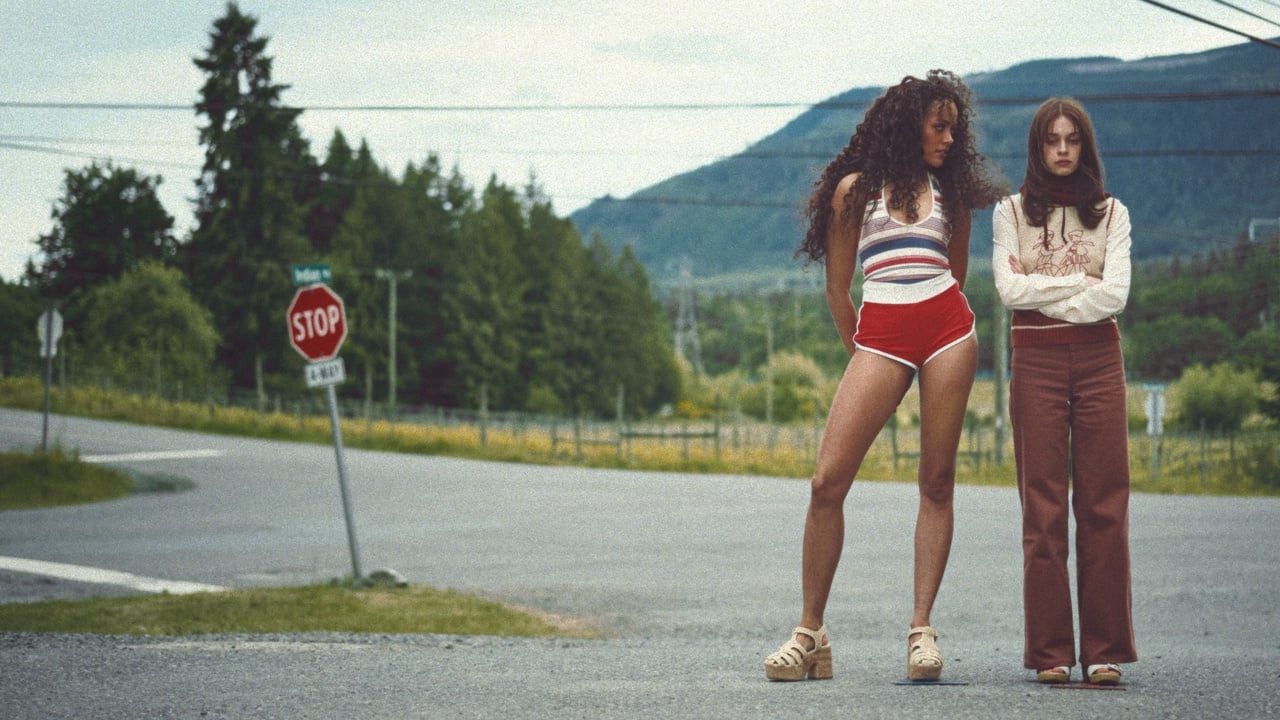
Jane Schoenbrun, whose I Saw the TV Glow turned a generation of insomniacs into devotees, has delivered the most talked-about horror film of the festival circuit. Hannah Einbinder plays an indie director handed the reboot of a beloved Eighties summer camp slasher, a franchise Schoenbrun invented entirely, and who becomes fixated on the reclusive actress who played the original final girl. Gillian Anderson takes that role, and the two women carry the film far more than the body count does. It opened Un Certain Regard at Cannes, collected the Queer Palm and a nine-minute ovation, then arrived in American theaters this month with Alex G supplying the score and Plan B behind the production. Between them, the three cover the whole spectrum currently available, from the micro-budget miracle to the arthouse experiment to the slasher that has clearly done its reading. Horror has stopped apologizing, and the invitation list has never looked better.


