








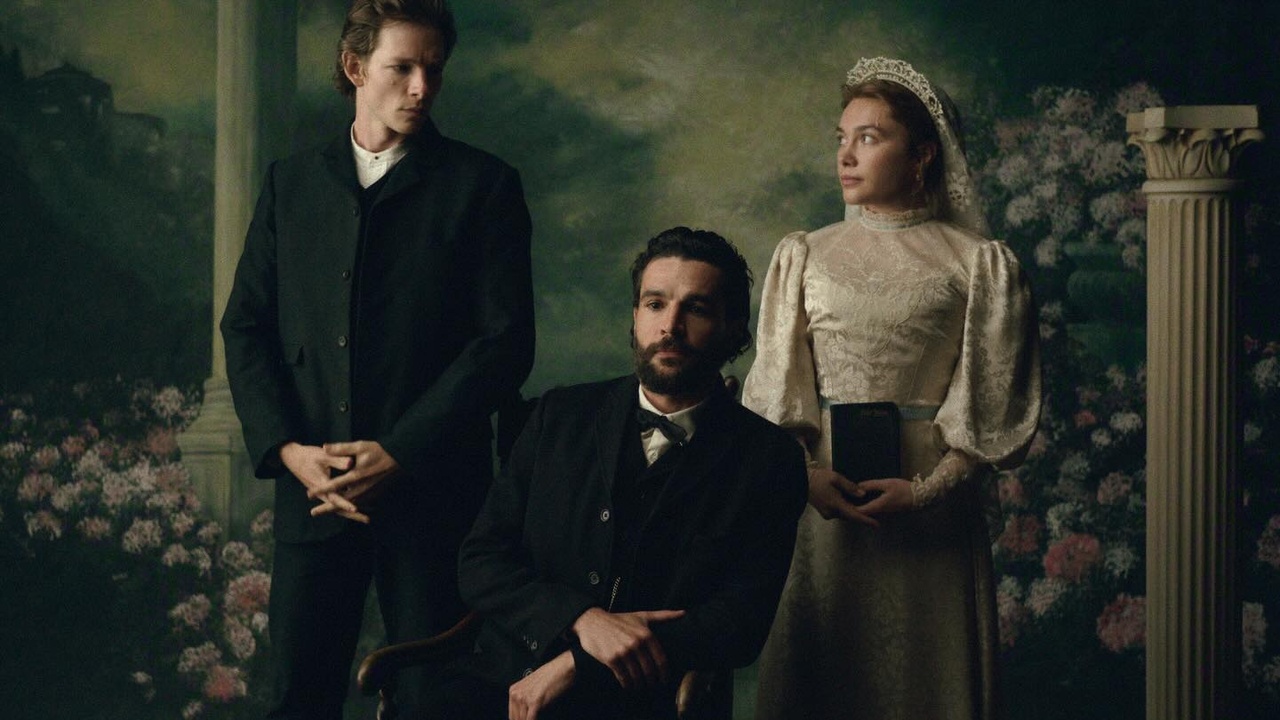
John Steinbeck described the novel he published in 1952 as two books at once, calling it “the story of my country and the story of me”, and he considered it the finest thing he ever wrote. Seventy-four years later, East of Eden arrives on Netflix on October 1 as a seven-episode limited series, and the family drama surrounding its production nearly rivals the one inside it, since the woman adapting it is Zoe Kazan, granddaughter of the director who filmed the same book in 1955 and handed James Dean his first leading role.
A Villain Finally Gets the Camera

The reversal Kazan has engineered is the whole point of the exercise. The 1955 film belonged to Cal Trask and to Dean’s celebrated squirming misery, while Cathy Ames, the mother who abandons her sons and takes up a considerably darker profession, hovered at the edges. This version puts her at the center and hands her to Florence Pugh, who also produces, in what Netflix has described as a fresh focus on the novel’s indelible antihero. The role carries an intimidating pedigree, since Jo Van Fleet won a Supporting Actress Oscar playing her in 1955 and Jane Seymour took a Golden Globe for the 1982 miniseries. Pugh brings something neither predecessor had, which is an audience already convinced she can be frightening while remaining entirely sympathetic. Kazan, for her part, has said flatly that she could think of nobody else for the part.
The Cast, the Directors, and Why Timshel Still Matters
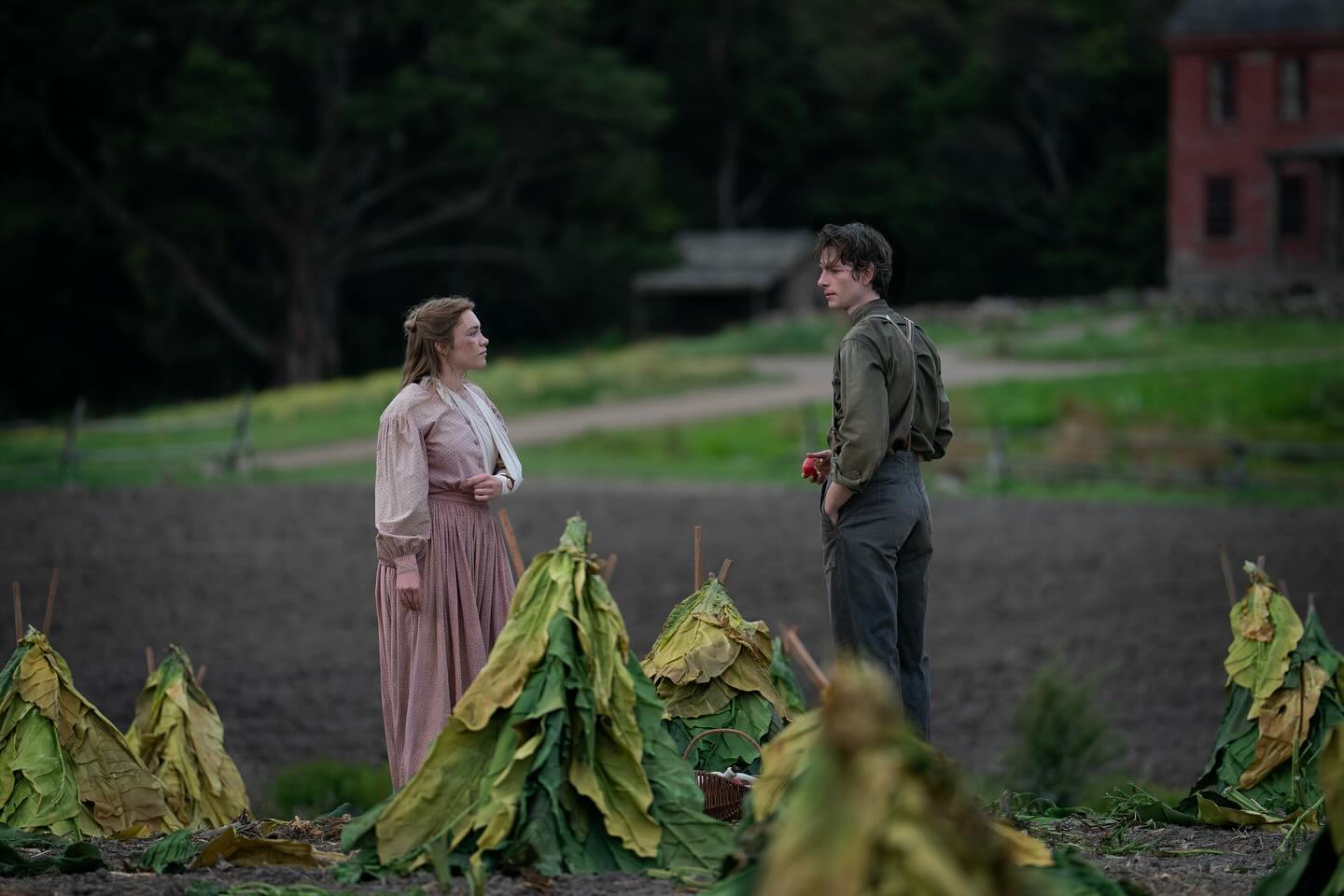
The ensemble reads like a casting director’s fever dream. Christopher Abbott plays Adam Trask, Mike Faist takes Charles, Ciarán Hinds appears as Samuel Hamilton, Tracy Letts as the ferocious patriarch Cyrus, Martha Plimpton as Faye and Hoon Lee as Lee, the housekeeper who carries the novel’s philosophical weight. Joseph Zada and Joe Anders play the younger Trask brothers. Garth Davis directed the first four episodes, with Laure de Clermont-Tonnerre taking the final three, and the whole thing was shot in New Zealand standing in for the Salinas Valley. What any adaptation lives or dies by is a single Hebrew word. Steinbeck built his entire moral architecture on timshel, the term from the story of Cain and Abel that Lee translates as “thou mayest”, meaning that a person inherits a capacity for evil alongside the freedom to refuse it. Cathy Ames exists to test that proposition to destruction. Handing her seven hours of screen time, rather than a supporting slot, suggests Kazan intends to argue with her grandfather rather than simply follow him.


