










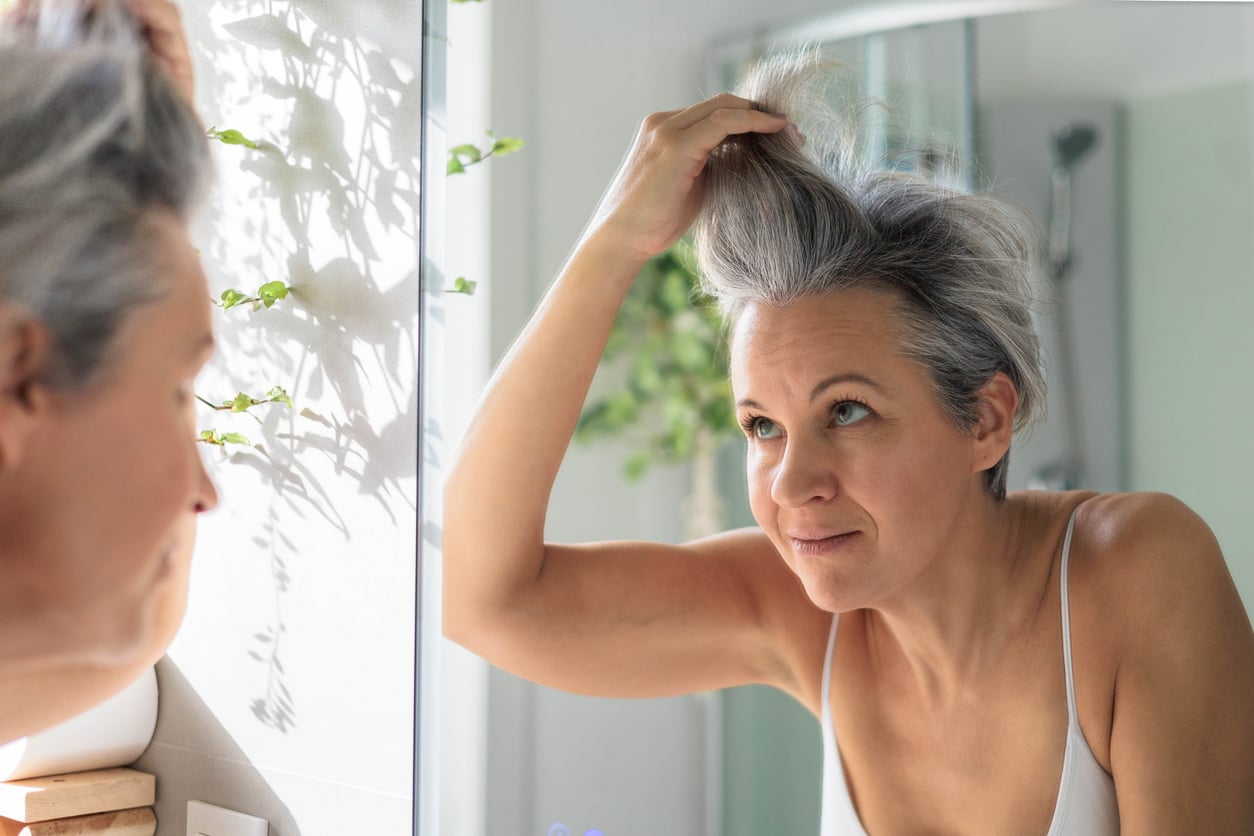
You stand in front of the bathroom mirror, freshly colored hair looking exactly the way it did when you left the salon, and yet something feels off. The shade you have worn for decades – the one that used to make you look radiant – now seems to sit differently against your skin. You can tell it is not working anymore, but you cannot quite pinpoint why. If that quiet frustration sounds familiar, a celebrity hairdresser who works with royalty and Dame Joanna Lumley has a surprisingly low-tech trick that could change the way you choose your next color.
Why the color you loved at 30 may be working against you now
Salon owner and celebrity hairdresser Edward James says that the most common question he hears from clients is deceptively simple: what is the most flattering hair color for me now? The answer, he explains, starts with letting go of the shade you once considered your signature.
One of the biggest mistakes women make is trying to recreate the exact color they had in their 20s and 30s. As we age, skin naturally loses pigment and contrast softens, so a shade that once looked striking can suddenly appear harsh. His rule of thumb is straightforward: go around one shade lighter for every decade, because hair typically becomes around 10 percent greyer over that period and naturally appears softer.
But the issue is not only about the hair getting lighter. Edward points out that your skin tone has not changed as much as your skin clarity. With age, redness, pigmentation and unevenness develop, and certain hair colors can either emphasize those concerns or help neutralize them. So how do you figure out which side of the line your current shade falls on?
The bare-face daylight check that tells you everything
Edward recommends a test you can do at home in about thirty seconds. Stand in natural daylight without makeup and look at your cheeks and neck. If you naturally flush pink or rosy, excessively cool colors can exaggerate that warmth in an unflattering way. In those cases, adding a little warmth or softness to your hair color often creates a healthier, more balanced appearance overall. He also suggests asking your colorist to swatch different hair tones against your skin to identify the tones you want to avoid.
The goal, he explains, is a color that brightens your face even when you are bare-faced. The most flattering shades make the eyes appear brighter, the skin look fresher and reduce shadows around the mouth, jawline and eyes. One of the easiest ways to get there is with lighter face-framing pieces around the hairline and neckline. Whether created through balayage or highlights, these lighter sections reflect light back onto the face, softening features and drawing more attention to your natural expression.
Many women instinctively reach for ash tones because they want to steer clear of warmth, but Edward cautions that overly ashy colors can leave mature skin looking dull and washed out. A touch of warmth often brings far more life back into the complexion. A useful guide is to consider both your skin and your eye color. People with golden, hazel or green eyes often suit warmer blondes and brunettes, while those with blue or grey eyes can usually carry cooler tones more successfully. Many people, he notes, actually sit somewhere in the middle and are best described as neutral, meaning they benefit from a balance of both warm and cool tones rather than extremes.
Grey blending, brow tints and the power of shine
Going lighter does not automatically mean looking younger, Edward says. The trick is choosing the right blonde, not simply the lightest blonde, and lifestyle and maintenance should also play a role. Great hair color should look beautiful for the entire lifespan of the appointment, not look perfect for two weeks and then leave you battling obvious roots.
This is precisely why grey blending has become so popular. Many women assume covering every grey hair is the goal, but strategically blending grey can create softness, dimension and brightness around the face while being far more modern and lower maintenance than solid block color. The most flattering results usually contain a mixture of lighter and darker tones that create movement, depth and reflection – achieved through subtle highlights, lowlights, glosses or grey blending techniques. A skilled colorist will keep the hairline and face-framing sections slightly softer and brighter than the rest of the hair, producing a natural-looking result that grows out more seamlessly.
One detail that often gets overlooked is the eyebrows. Edward describes them as the furniture of the face because they provide structure and balance. Even the most beautiful hair color can look disconnected if the brows no longer frame the face. For many women, a simple brow tint can make a dramatic difference, helping create harmony between the hair color and facial features, even if they have decided to embrace grey hair.
And then there is shine. Edward is emphatic that after 50, condition and shine often have a bigger impact than the actual shade itself. The most flattering hair color in the world will never look expensive or polished if the hair is dull. Healthy hair reflects light more evenly, making both the hair and skin look better. He has seen a huge increase in glossing treatments at his salons. Whether clear or tinted, glosses smooth the cuticle, enhance reflection and give the hair that healthy, polished finish that instantly makes any color look more luxurious.
What to take away from all of this
The next time you book a color appointment, skip the old photo reference from a decade ago and try the daylight test instead. Your bare face in natural light will tell you more about what your hair needs than any Pinterest board ever could. The smartest move after 50 is not chasing a younger shade – it is choosing a multi-dimensional, well-maintained color that works with the skin and features you have right now. And if you do nothing else, invest in shine. It might just be the single detail that makes the biggest visible difference.


