










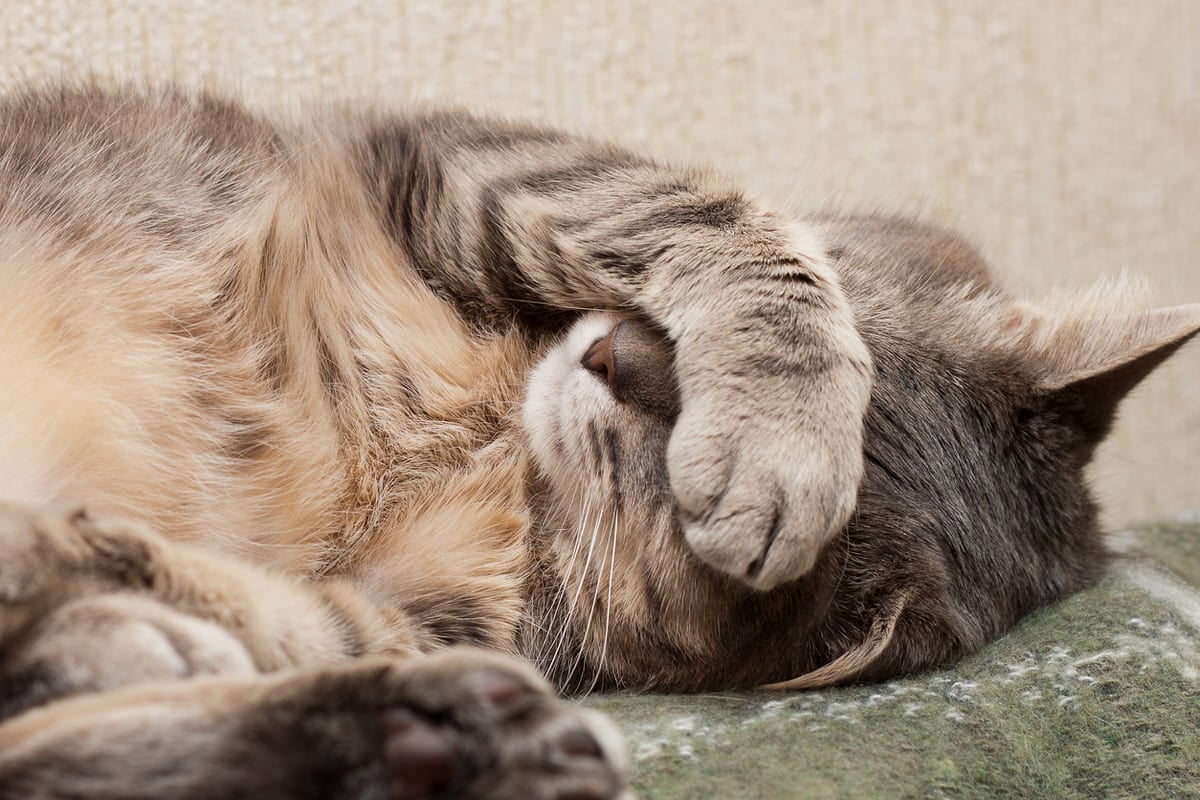
You probably watch your cat doze off a dozen times a day without thinking twice about it. They curl up on the couch, sprawl across your keyboard, or tuck themselves into a shoebox, and we chalk it all up to typical feline laziness. But what if the way your cat sleeps is actually telling you something important – something you have been overlooking every single day? Veterinary insights suggest that those seemingly random napping poses are far more deliberate than most of us realize, and in some cases, a shift in sleeping posture could be a quiet red flag worth paying attention to.
Why cats sleep so much – and why it matters more than you think
Cats are instinctively wired to sleep for extended stretches, typically between 12 to 16 hours daily, and in some cases even longer. That is a staggering amount of downtime, but these marathon rest sessions are not purely about recharging tired muscles. They reflect a deeply ingrained survival strategy shaped by the cat’s dual identity as both predator and prey.
This dual nature drives a complex sleep architecture. Cats cycle between phases of light dozing and deeper REM (rapid eye movement) sleep, a pattern that allows them to snap awake and respond swiftly to environmental stimuli at a moment’s notice. It is a biological compromise – rest enough to stay sharp, but never so deeply that danger goes undetected.
So if your cat seems to spend most of the day unconscious, that is perfectly normal. The real question is not how long they sleep, but how they position their body while doing it. And that distinction can reveal far more than we tend to give it credit for.
What each sleeping posture actually communicates
Cat sleeping positions are far from arbitrary. Each one serves a specific function, whether it involves thermoregulation, self-protection, or signaling emotional comfort or discomfort. Learning to read these postures gives you a direct line into your cat’s inner world.
One of the most common positions is the tight coil – the cat tucks its head under its body and wraps its tail around itself, resembling a compact ball. This posture conserves body heat and shields vulnerable areas like the belly and throat. It is a position rooted in self-preservation, and while it is entirely normal, it can also indicate that your cat is feeling cold or slightly on guard.
On the other end of the spectrum, a cat resting with its abdomen fully exposed sends a very different message. An exposed belly is a sign of deep trust and emotional security, because in the wild, that posture would leave the cat dangerously vulnerable. When your cat sleeps this way around you, it is one of the strongest indicators that they feel safe in their environment.
What healthy cats tend to do is rotate between various positions throughout the day and exhibit frequent stretching between naps. This variety signals physical comfort and emotional equilibrium. It is a sign that your cat feels relaxed enough to shift freely, without needing to stay locked in a single defensive posture.
When a sleeping habit becomes a warning sign
Here is where attentive observation becomes genuinely important. Cats experiencing stress or illness may limit their movement during sleep, retreat to secluded areas, or maintain stiff, rigid postures for prolonged periods. If your cat suddenly stops rotating between positions, or if they begin hiding in unusual spots to sleep, it could be more than a quirky preference.
A cat that once sprawled openly across the living room floor but now only sleeps curled tightly in a closet corner may be communicating discomfort, anxiety, or pain. Each position – whether protective, affectionate, or symptomatic – tells a unique narrative, and abrupt changes in that narrative deserve your attention.
There is one important caveat to keep in mind, though. If your cat’s sleeping habits shift during the colder months, the change may simply be a response to the drop in temperature. Cats naturally adjust their posture to conserve warmth when the weather turns, and that alone is not cause for alarm. However, persistent or dramatic changes – regardless of the season – should be evaluated by a veterinary professional to rule out underlying health concerns.
Regular observation of your cat’s body language during sleep can significantly enhance your ability to catch behavioral shifts early. The sooner you notice something off, the sooner you can seek guidance and potentially address a medical issue before it escalates.
A deeper bond starts with paying attention
Understanding the meaning behind your cat’s sleeping postures gives you deeper insight into both their physical and emotional well-being. It is one of the simplest, most accessible ways to strengthen the relationship you share with your feline companion – no special equipment, no training required. Just watching, noticing, and responding.
Through attentive observation and responsive care, you can significantly enhance your cat’s quality of life while building a more empathetic connection. The next time your cat settles into a nap, take a moment to really look. What you see might tell you more than you expected.


