










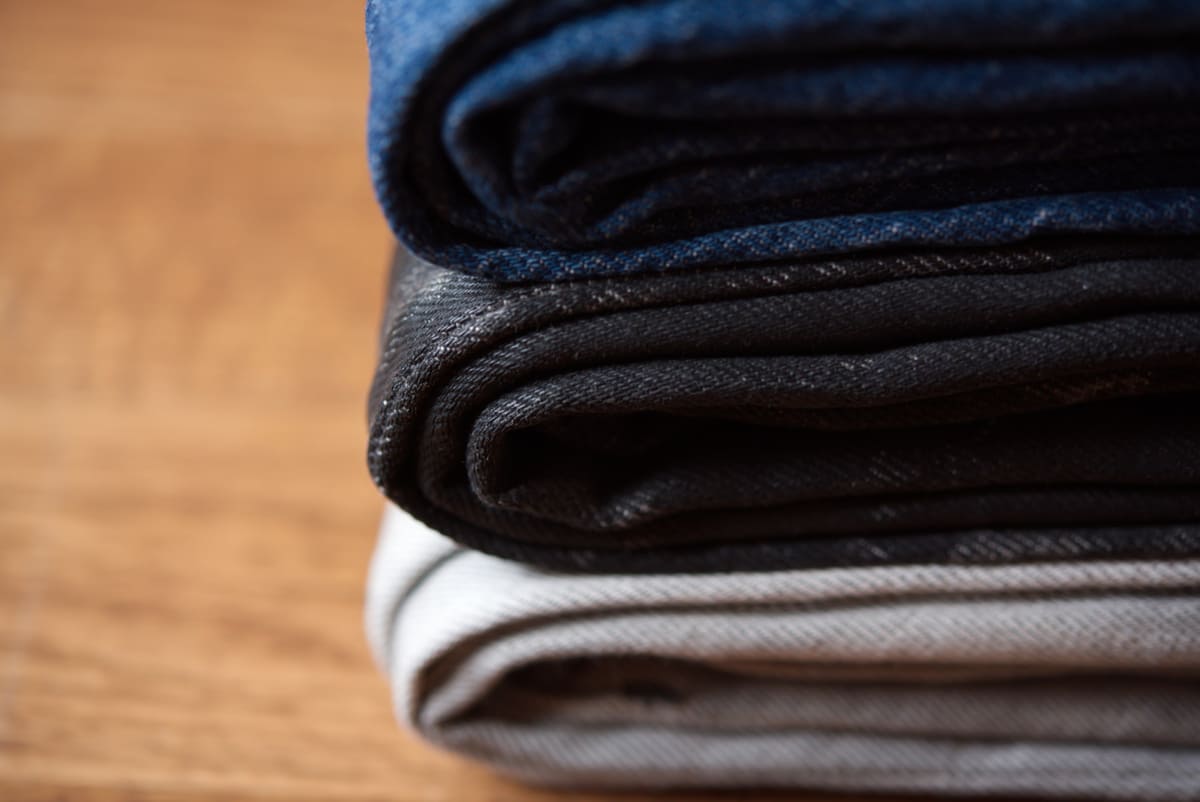
You pull your favorite pair of jeans out of the drawer, and there it is – a stubborn crease running right across the thigh. You haven’t worn them in weeks, and somehow they look worse than when you put them away. It’s a small frustration, but one that chips away at your confidence right before you walk out the door. The truth is, the way you store your denim matters far more than most of us realize, and a few simple adjustments can keep every pair looking freshly pressed without ever touching an iron.
Why your jeans look worn before their time
Jeans are loved for their versatility and durability, yet improperly storing them can lead to wrinkles, deep creases, and even unnecessary wear over time. We tend to treat denim like it’s indestructible – tossing pairs onto shelves, cramming them into overstuffed drawers, or balling them up in a suitcase. But each of those habits slowly degrades the fabric and shortens the lifespan of your favorite pair.
There’s another detail we often overlook: cleanliness before storage. Storing dirty jeans can lead to odors and stains setting in, and it can even attract pests. Before you fold anything, inspect your jeans for visible dirt, lint, or small debris, and make sure they’re fresh and clean. It sounds obvious, but how many of us actually do it every single time?
Preparation goes beyond just washing. Lay your jeans on a flat, clean surface like a bed or table and smooth out any wrinkles, paying close attention to the legs and waistband. This step alone makes folding easier and leads to a neater result. If your jeans are particularly wrinkled, a quick press with a warm iron or steamer can relax the fabric before you begin. These small efforts significantly improve both the look and the longevity of your denim.
Three techniques that actually protect your denim
The classic fold is one of the simplest and most effective ways to store jeans. It works well for standard storage in drawers or on shelves, letting you neatly stack multiple pairs while keeping them accessible. The real benefit here is structural: the classic fold prevents deep creases that form when jeans are crumpled or improperly stored. It’s also a space-saving method that keeps your collection organized without taking up excessive room. This approach works especially well for jeans made from thicker or more rigid denim, as it helps maintain their shape.
Rolling is a different story, and it shines in specific scenarios. Rolled jeans fit easily into luggage, leaving more room for other items, and they’re equally practical for compact spaces like dorm rooms or under-bed storage bins. Rolling tends to work best for softer denim because the gentle curve of the roll avoids the deep creases that a hard fold can create. If you’re packing for a trip, this is the method to reach for first.
Then there’s hanging. Using sturdy hangers prevents sagging and maintains the shape of your jeans – an ideal choice for preserving the structure of raw or rigid denim, as it keeps the fabric from losing its form. This method works best in closets with ample hanging space, allowing the jeans to hang freely without being cramped. One important note: avoid flimsy hangers that stretch the waistband, and store heavier jeans folded instead to reduce closet weight.
Making the right call for travel and long-term storage
Folding saves space, especially when you own multiple pairs. It’s better suited for softer or stretch denim that naturally resists wrinkles, and it’s easier to organize in drawers or on shelves. Both folding and hanging have their benefits, but folding is often more versatile and space-efficient for most storage needs.
When you’re packing a suitcase, avoid overpacking to prevent compression creases, and consider keeping your jeans in garment bags for added protection. By packing thoughtfully, you can maximize luggage space while keeping your denim fresh and stylish throughout your trip.
For long-term storage – whether you’re rotating seasonal clothes or putting away a special pair – the environment matters just as much as the technique. Store jeans in a cool, dry area to avoid moisture buildup and mildew. Avoid direct sunlight, which can cause fading over time. And choose breathable storage containers or fabric bags instead of plastic, which traps moisture and can damage the fabric.
What you know now that changes everything
You don’t need expensive gadgets or elaborate systems to keep your jeans looking great. A clean surface, the right fold for the right fabric, and a little attention to your storage environment are all it takes. Thicker denim benefits from the classic fold or hanging on sturdy hangers; softer styles stay smoothest when rolled or folded flat. For travel or long-term storage, careful preparation guarantees your jeans look their best whenever you reach for them. The next time you open that drawer, you’ll pull out a pair that looks like it just came off the shelf.


