









You probably assume the person behind every flawless red-carpet blowout has been fussing over a single client for hours. The standard glam window for most celebrities heading to a major event is somewhere between two and three hours. So what happens when a stylist walks into a room, starts on soaking-wet hair, and walks out with a finished look in just 30 minutes? That question leads straight to Patrick Wilson, a 34-year-old hair stylist from Liverpool whose trajectory from weekend salon apprentice to one of the most sought-after names in fashion feels almost too cinematic to be real – except every detail of it is.
From footballers’ wives to fashion week backstage
Wilson’s introduction to celebrity hair did not happen in a glamorous studio or a London agency office. It started in a Liverpool salon where he worked as a Saturday boy, surrounded by the footballers’ wives who defined the height of WAG culture. He grew up fascinated by how a blow dry or a fresh finish could completely transform someone’s image and confidence. As a kid, he would tag along to the salon with his mum and his aunties, watching and asking questions about technique.
That curiosity eventually led him to assist Sam McKnight – the legendary stylist known for his work with Princess Diana, Kate Moss and the Chanel shows – backstage at fashion week. At that point, Wilson was still working full time in a Liverpool salon. He was allowed 25 days of holiday a year, and only four of those could fall on Saturdays. He spent every last one of those vacation days traveling to shows in London, Paris and Milan, soaking up the world he wanted to break into.
A pivotal moment came at one of his first shows when fellow Liverpudlian Eamonn Hughes overheard his Scouse accent and asked where he was living. Wilson had not yet realized that relocating to a major city like New York, London or Paris was essentially a prerequisite for making it in fashion. He credits both Hughes and McKnight for the opportunities that followed.
Thirty minutes, wet to red-carpet ready
Wilson relocated to London in 2017 with no salon job lined up and no certainty about how he would cover rent the following month. A colleague warned him he would need to take on e-commerce work or private clients to survive. Within a year, though, he was signed by an agent and never had to return to traditional salon life.
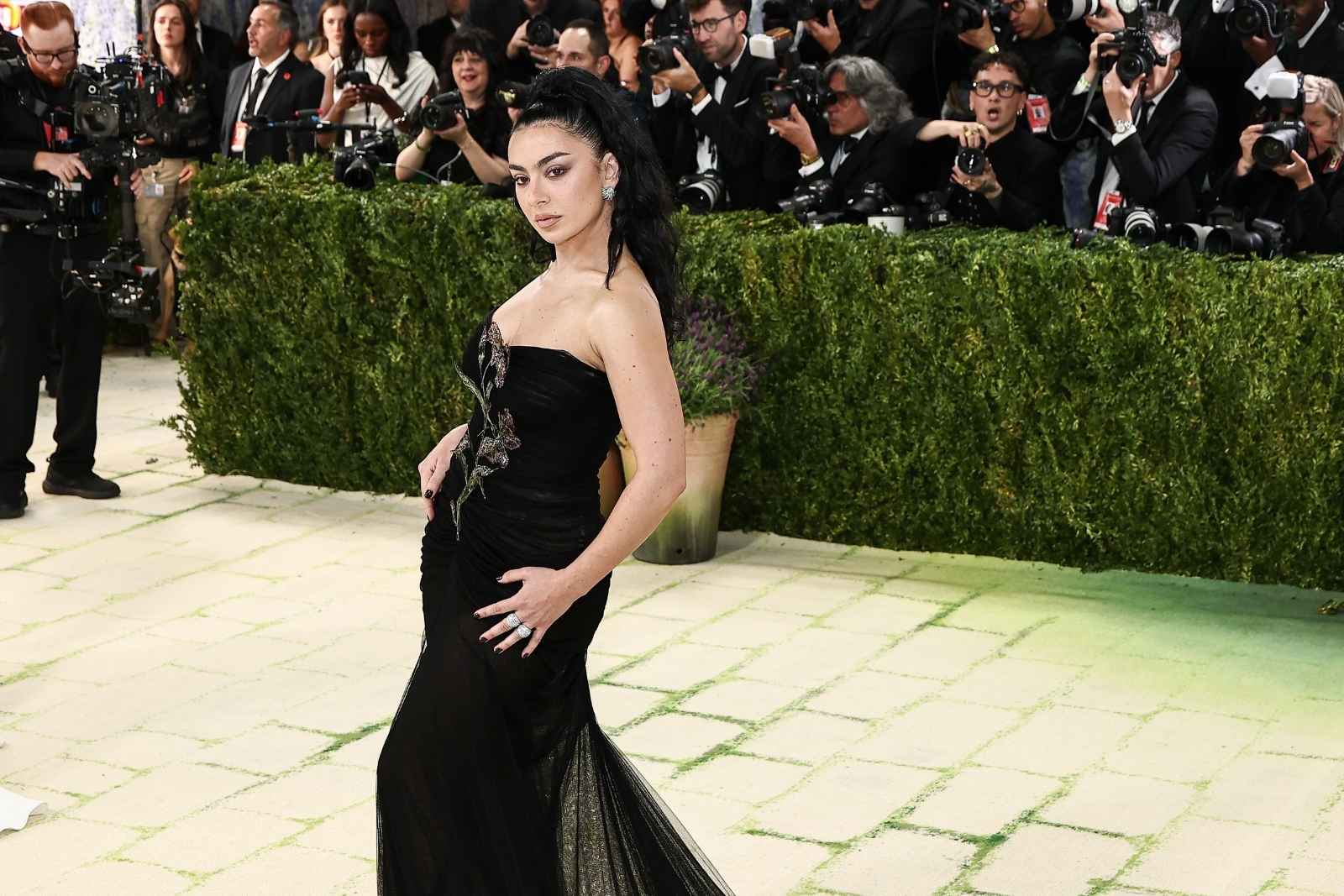
His roster of celebrity clients now includes Pamela Anderson, Charli xcx, Rose Gray, Jade Thirlwall and Zara Larsson. The standout story involves Anderson: Wilson styled her hair from wet to red-carpet ready in roughly 30 minutes. For context, most celebrities allocate two to three hours as standard for a red-carpet prep session. Anderson, he recalls, was gracious and spent their brief time together reminiscing about fond memories of Liverpool from years she had spent working in the city.
Wilson draws a clear line between celebrity styling and editorial work. When styling talent for a red carpet, the goal is to bring their personal vision to life and present the best version of who they already are – not to make them unrecognizable. On an editorial set, however, models are there to serve the story or the brand identity, and the creative team holds the reins. That distinction is at the core of how Wilson approaches every job.
Building a signature – on set, on screen and on the runway
Wilson describes the kind of hair he loves creating as beautiful, expensive-feeling and cool. He takes pride in the fact that regular clients’ followers can tell when someone else has done the work. That recognizable identity extends to his social media presence, which he considers a genuine extension of his art. His agent at Wall Group sends his portfolio alongside his Instagram handle so that celebrities, publicists and managers can browse his recent work. He knows he gets booked specifically because of what he posts.
Music videos, he notes, allow him to push creative boundaries further than most other formats. Building a long-term relationship with an artist means collaboratively developing a style across different eras, which he finds deeply rewarding. Balancing hair with the rest of a look comes down to teamwork: he speaks to the wardrobe stylist, moodboards ideas and plans hair around the outfit so everything feels cohesive.
His latest creative venture placed him in front of the camera rather than behind it. Photographer Karen Stanley pitched the idea for an editorial that would capture the glitz and graft of Wilson’s world in a hyperbolic, vintage aesthetic. Dressed in sharp tailoring from Prada, Dior and Saint Laurent, Wilson channeled a Patrick Bateman persona inspired by American Psycho. His dog Cilla – whose locks share more than a passing resemblance to those of the late Liverpudlian icon – joined him on set for emotional support. One favorite shot shows Wilson seated with a phone in hand, pretending to negotiate a higher rate with his agent after Stanley urged him to demand more money.
Last year he also walked for HARRI at London Fashion Week. Backstage felt completely natural because he already knew members of the makeup team and the hair sponsor. The actual walking part was another matter – he felt like an imposter – but the overwhelmingly positive reaction once images went live gave him confidence to keep saying yes.
What a Saturday boy can teach us all
Wilson’s career arc is a reminder that creative ambition rarely follows a straight line. He burned through every vacation day he had just to stand backstage at fashion shows, moved to a new city with no financial safety net and taught himself to treat social media as a portfolio rather than a highlight reel. The images from his editorial with Karen Stanley may present a fantasy version of his life, but they also spotlight something he considers essential: the preparation, the graft and the teamwork behind every finished look. If you take one thing from his story, let it be this – recognizable style is not built overnight, but once you have it, people notice when it is missing.


