










Most of us treat our skincare routines like a checklist. Cleanse, tone, serum, moisturize, repeat. We optimize for efficiency, chase the latest active ingredient, and measure success in before-and-after photos. But what if the most radiant complexion you have ever seen belonged to someone who never once mentioned retinol, hyaluronic acid, or a ten-step regimen? What if her secret had almost nothing to do with products at all – and everything to do with something far older and far simpler?
Why the most luminous skin at 90 defied every modern beauty rule
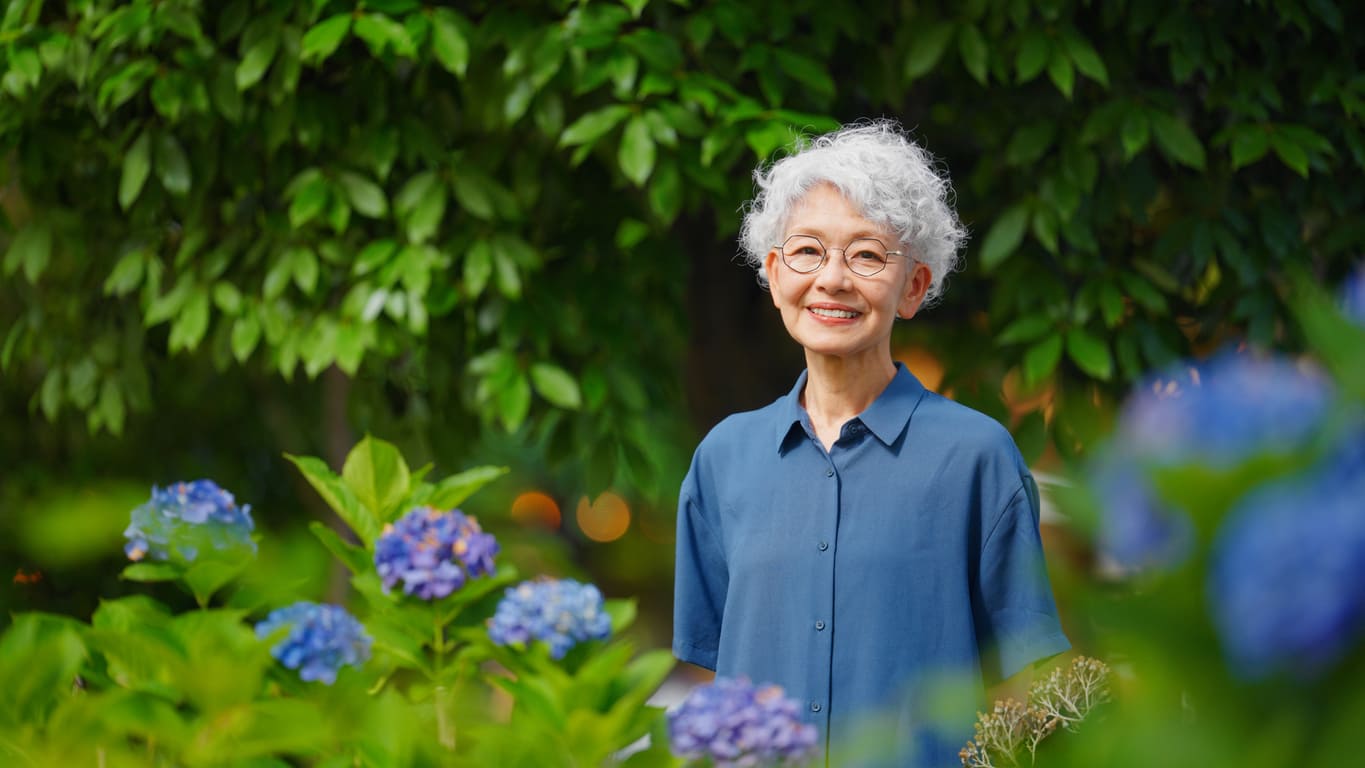
In the mountains outside Kyoto, at a traditional hot spring, a 90-year-old woman named Tanaka-san had skin that defied every expectation. It was translucent and luminous, comparable not to aged parchment but to the finest handmade washi paper. At 90, she had fewer age spots than most 60-year-olds. Her skin was firm, glowing, and incredibly soft to the touch.
Her routine was disarmingly simple. She woke naturally at 5:30 AM – no alarm clock for thirty years. At 5:45, she drank two glasses of water with a pinch of sea salt. By 6:00 AM, she arrived at the onsen, the mineral-rich hot spring, to begin what she considered a purification ritual. She had followed this exact sequence every single morning for three decades.
So what was she actually doing differently? She was not washing her body. She was, as she put it, washing her spirit. In her view, a clean spirit produced clean skin. It sounds poetic, maybe even abstract, but standing beside her and seeing the evidence firsthand made it impossible to dismiss.
An ancient practice hiding in plain sight
Tanaka-san’s morning soak was rooted in something much deeper than personal hygiene. In Japan, there is a concept called hadaka no tsukiai, which translates literally to naked communion. The idea holds that when you bathe with others, social barriers dissolve and truth surfaces. But Tanaka-san demonstrated that the principle applies to bathing alone as well. When you strip away everything – clothes, makeup, pretenses – and sit in hot water, you commune with your truest self.
This philosophy connects to ancient Japanese spiritual traditions. The Japanese believe that natural hot springs are inhabited by spirits called kami. The water spirits of hot springs, known as yu-no-kami, are said to purify both body and soul. Ancient Japanese texts describe how bathing in sacred waters could grant longevity and preserve beauty. The goddess Konohanasakuya-hime, whose name means cherry blossom blooming princess, was said to bathe in mountain springs to maintain her eternal youth. Her story carried a lesson that true beauty comes not from vanity, but from purity of spirit and harmony with nature.
Tanaka-san was not simply performing a wellness habit. She was participating in an ancient spiritual practice that happened to produce profound effects on her physical appearance.
What actually changed when the ritual replaced the routine
Adopting even a version of this bathing philosophy produced tangible shifts that went well beyond skin. The temperature drop after a warm bath naturally triggered sleepiness, leading to better sleep. Having a regular ritual to look forward to each day reduced anxiety, especially on difficult days. Spending time sitting with the body in stillness improved body image and the overall relationship with one’s physical self. And quiet time without distractions sharpened intuition, making it easier to tune into what the body actually needed.
In Japanese aesthetics, there is a concept called mono no aware – the bittersweet awareness of the impermanence of all things. It teaches us to find beauty in the fleeting, the subtle, the imperfect. This philosophy reframes aging entirely. Instead of fighting against time and change, we can find beauty in each stage of life. Skincare becomes less about preservation and more about presence.
Western self-care often feels like another item on the to-do list – efficient, results-oriented, optimized. Japanese bathing rituals offer something different. They are about soul care, practices that nourish something deeper than physical appearance alone.
The lesson that stayed long after the water cooled
Six months later, a return visit to the same hot spring in the mountains outside Kyoto revealed Tanaka-san at the same place, at the same time, following the same ritual. Her skin looked exactly the same. Timelessly beautiful. She observed that beautiful skin is patient skin – patient with time, patient with change, patient with the process. Of course, no single ritual guarantees ageless skin, genetics, sun protection, and lifestyle all play their part, and very hot water daily does not suit everyone. But the deeper lesson, consistency, calm, and care, is one dermatologists would not argue with.
For years, many of us have tried to force our skin to behave consistently, to look younger, to meet impossible standards. But Tanaka-san’s approach suggested that true beauty, the kind that radiates from within, comes from showing up consistently with love, patience, and reverence for the body that carries us through life. You do not need a hot spring in Kyoto to start. You just need to stop treating your bath like a task and start treating it like something sacred.


