











Anyone who looks to Japan as a map for everyday well-being already knows the ceremonial appeal of matcha. Now, another ingredient from Japanese tradition is entering the global vocabulary of longevity culture: natto. Often eaten at breakfast and served with warm rice and simple seasonings, this food comes from soybeans fermented with Bacillus subtilis, a process that gives it its stringy texture, assertive aroma, and deeply umami flavor. Its identity tends to divide people at first taste, as the most characterful foods often do. And yet, behind that sticky appearance and pungent personality, Japanese natto holds one of the most interesting expressions of fermented nutrition.
Natto Benefits: Why This Japanese Superfood Appeals to Longevity Culture
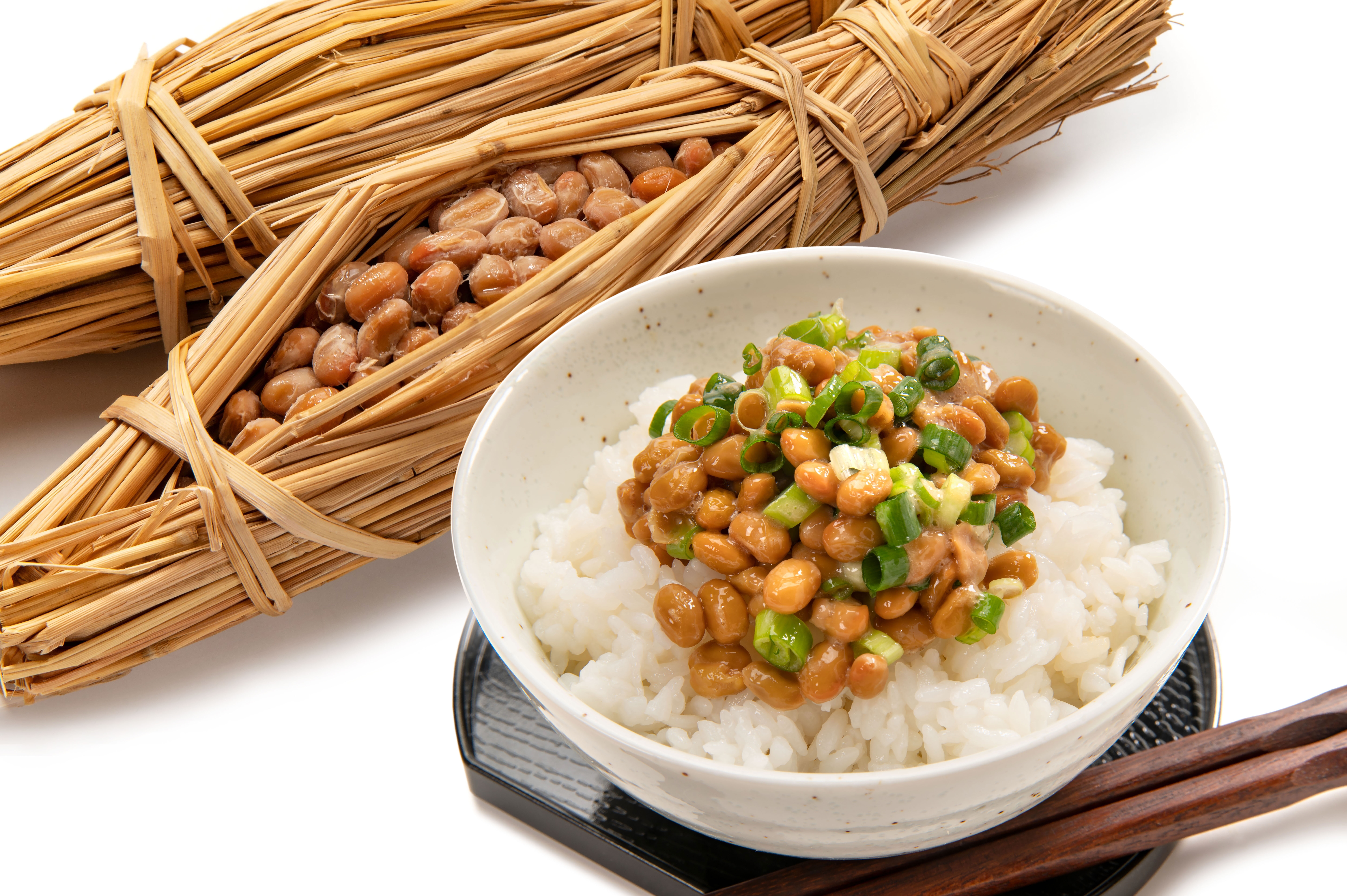
The appeal of natto begins with its nutritional density. Fermented soy offers plant protein, fiber, and minerals, while its most distinctive element remains vitamin K2, especially in the MK-7 form. This vitamin plays a role in processes connected to bone health and interacts with proteins involved in calcium metabolism, which helps explain why natto has long held a special place in Japanese eating habits. Fermentation adds another layer of interest: Bacillus subtilis contributes to the food’s probiotic profile and places natto within the broader family of fermented foods now increasingly central to wellness routines. Alongside yogurt, kefir, and miso, natto brings a more radical note, less polished and more uncompromising, expressing an idea of well-being built through steady daily rituals.
How to Eat Natto: Ideas And Pairings to Make It More Approachable
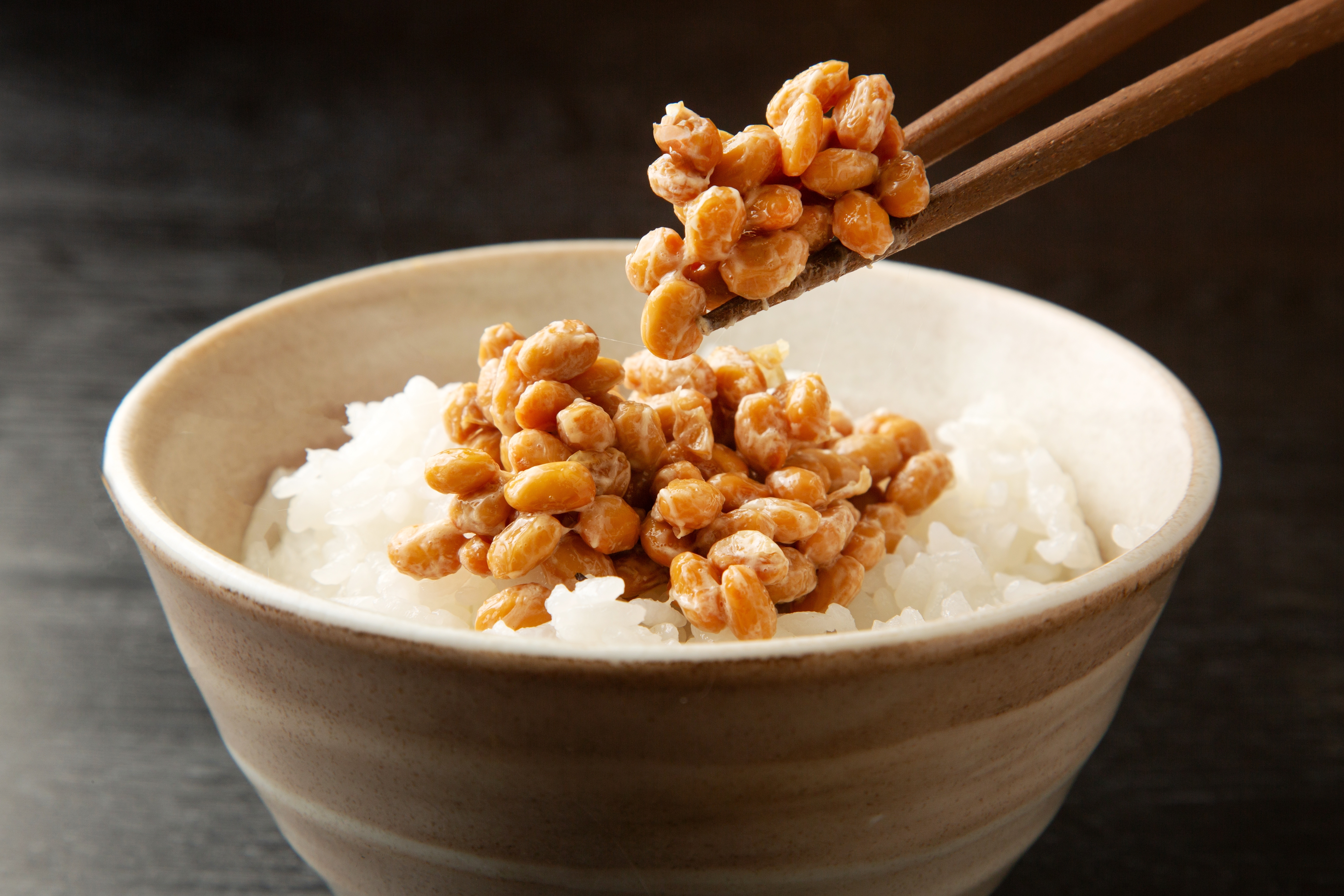
The most traditional way to eat natto starts with a bowl of white rice, soy sauce, and karashi, the sharp Japanese mustard that gives the dish its signature lift. Before serving, natto should be stirred vigorously until it develops its typical elastic, glossy strands. Anyone trying it for the first time can soften its impact with chopped scallions, sesame seeds, or an egg yolk, which rounds out the flavor and makes the texture more enveloping. It also works well with avocado, nori, or crisp vegetables, especially in a cold bowl with a clean profile. For a more contemporary take, natto can be used in savory toast, chilled soba, or small onigiri, adding umami depth and an unmistakable fermented edge.


