









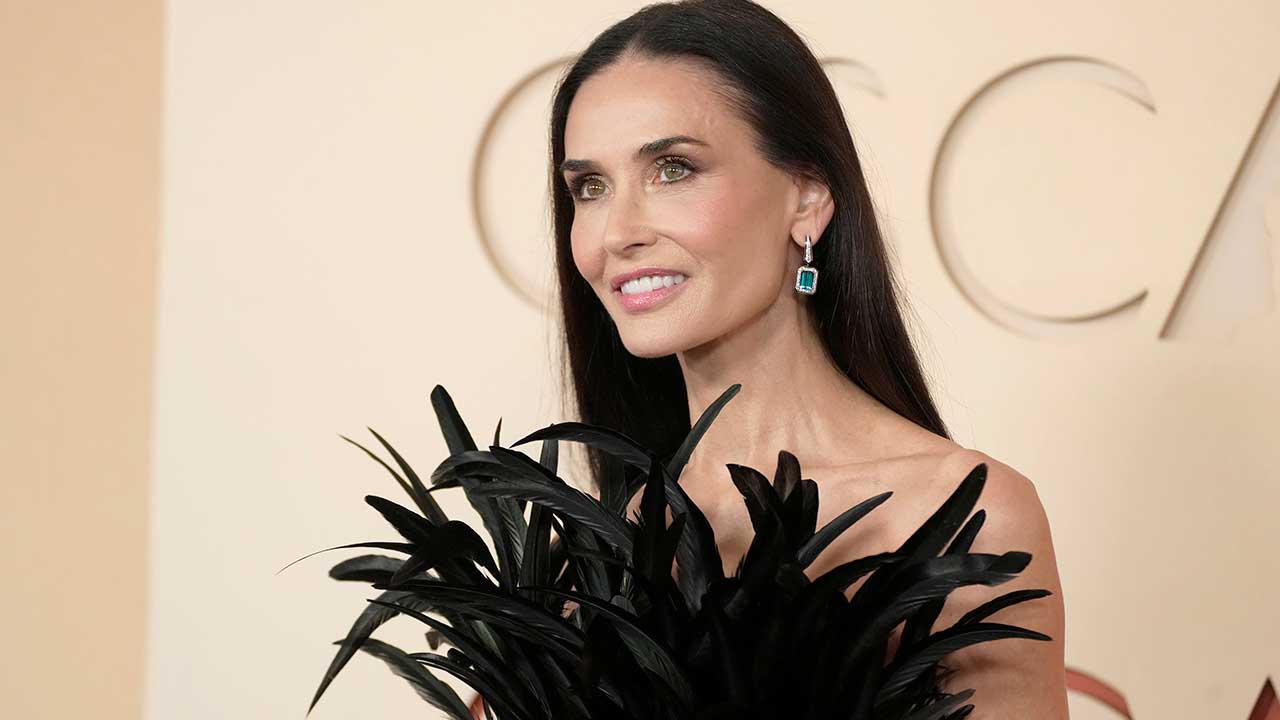
For a long time, there was a pretty clear comeback narrative: disappear for a bit, then reappear with a big, polished moment. That’s not really what’s happening now. Look at Pamela Anderson, Demi Moore, Anne Hathaway — none of it feels overly planned or packaged.
If anything, it feels looser. Less like they’re trying to reintroduce themselves, more like they just kept going and we’re catching back up to them on different terms. There’s no big “I’m back” announcement, no obvious attempt to rewrite the past. It’s quieter than that.
And maybe that’s why it works. They’re not chasing relevance or trying to fit into whatever the current version of Hollywood looks like. They’re picking projects they actually seem interested in, showing up how they want to, and letting the work speak for itself. It’s less about reinvention and more about control — and that shift is what makes it feel different.
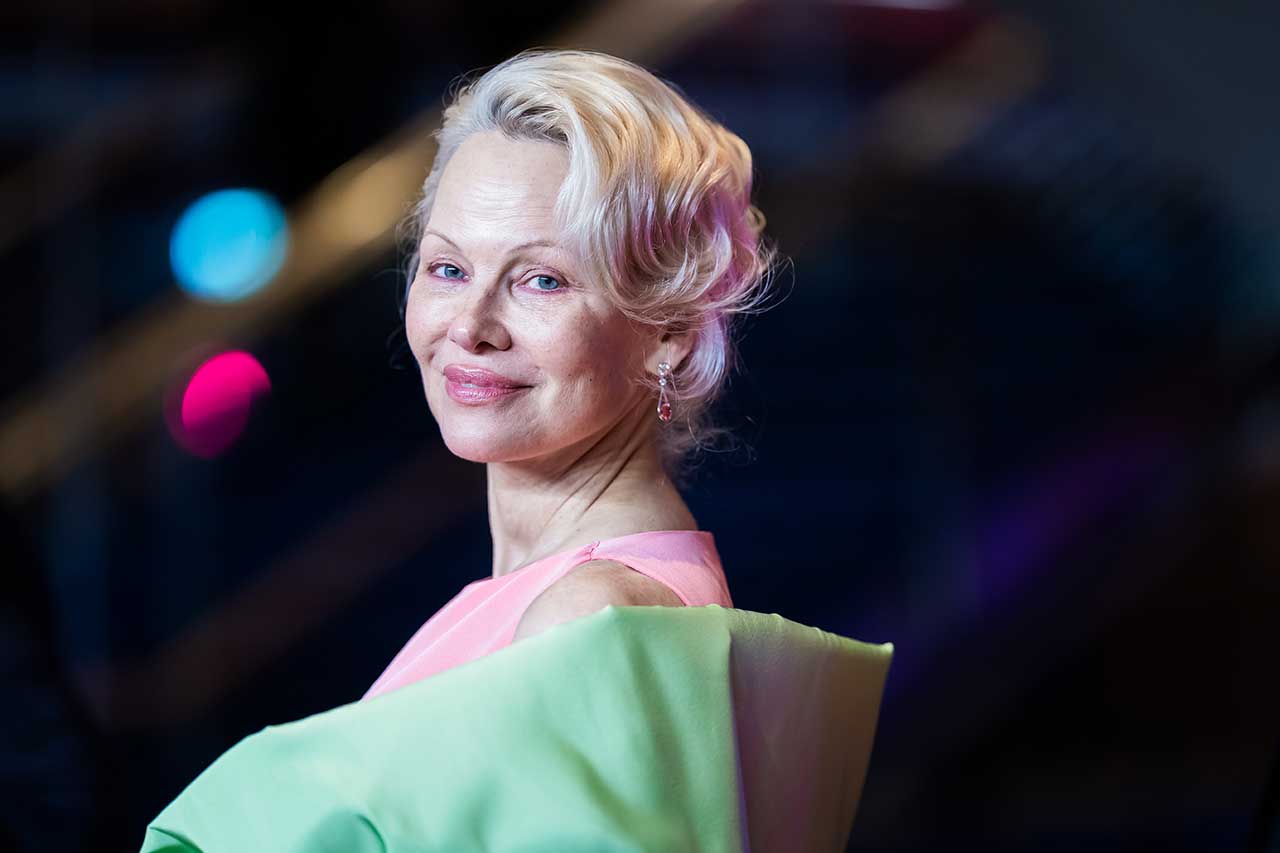
Take Pamela Anderson, whose resurgence has been as much about subtraction as it has been visibility. After decades defined by a hyper-specific image — Baywatch slow-motion runs, high-glam red carpets, tabloid mythology — her recent appearances have done the opposite. Walking Paris Fashion Week without makeup, sitting front row in sharply tailored, almost austere looks, she’s effectively rewritten the terms of her own image. Even her documentary, Pamela, a Love Story, avoided spectacle in favor of authorship. It doesn’t read as nostalgia. It reads as control.
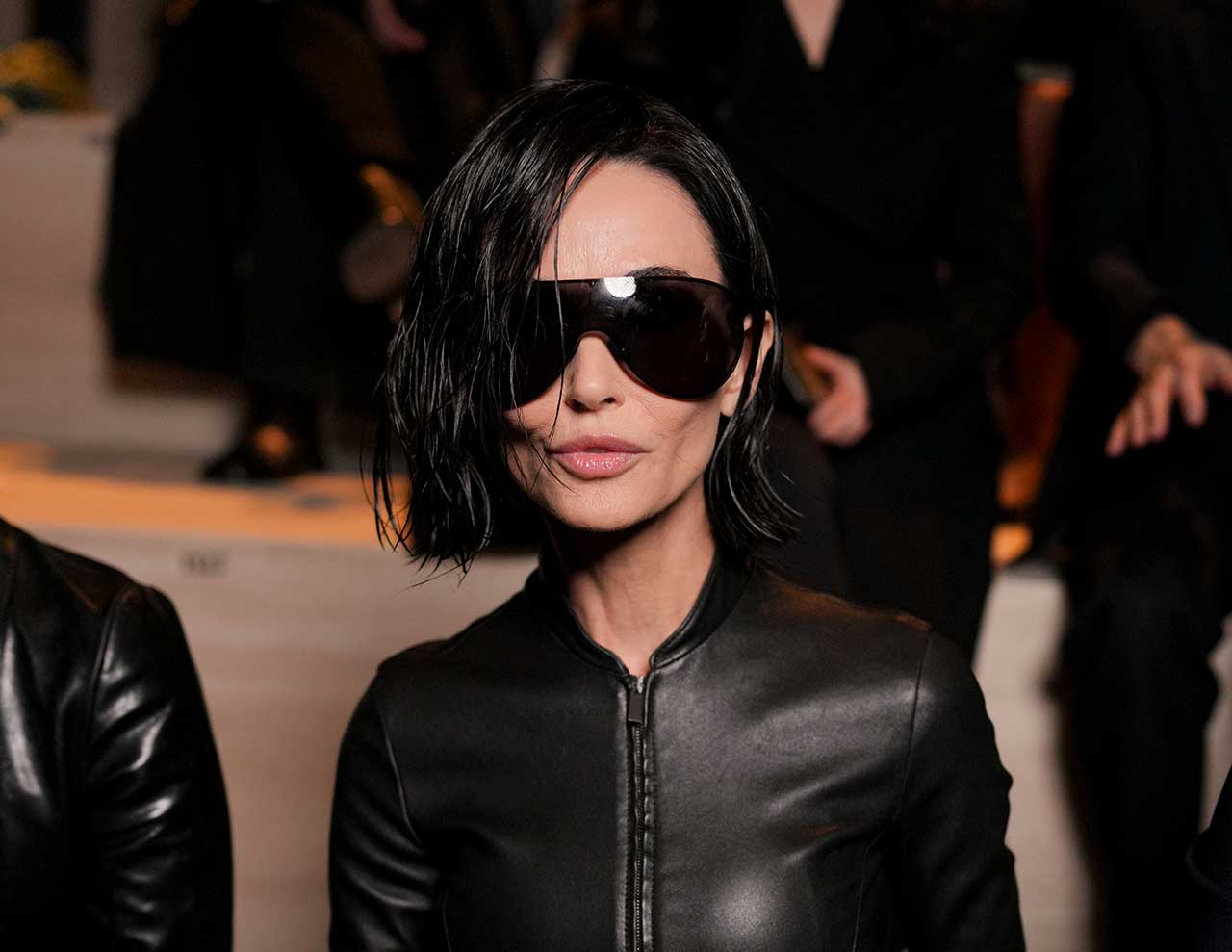
Demi Moore’s comeback is quieter but no less deliberate. Once the highest-paid actress in Hollywood, with era-defining roles in Ghost, A Few Good Men, and G.I. Jane, Moore spent years just outside the center of the conversation. Her return hasn’t hinged on a single breakout moment, but on a series of well-timed ones.
In recent years, she’s resurfaced through a mix of indie and prestige projects, including Corporate Animals and the television adaptation of “Brave New World”, before landing one of her most talked-about roles in The Substance. The film — a stylized, body-horror take on aging, beauty, and relevance — feels self-aware in a way that works in her favor, allowing Moore to engage directly with the narrative that once defined her. Off-screen, that same clarity carries through: front-row placements, strong fashion moments, and a red carpet presence that feels considered rather than overworked. It’s less about proving anything and more about choosing exactly how — and when — she shows up.
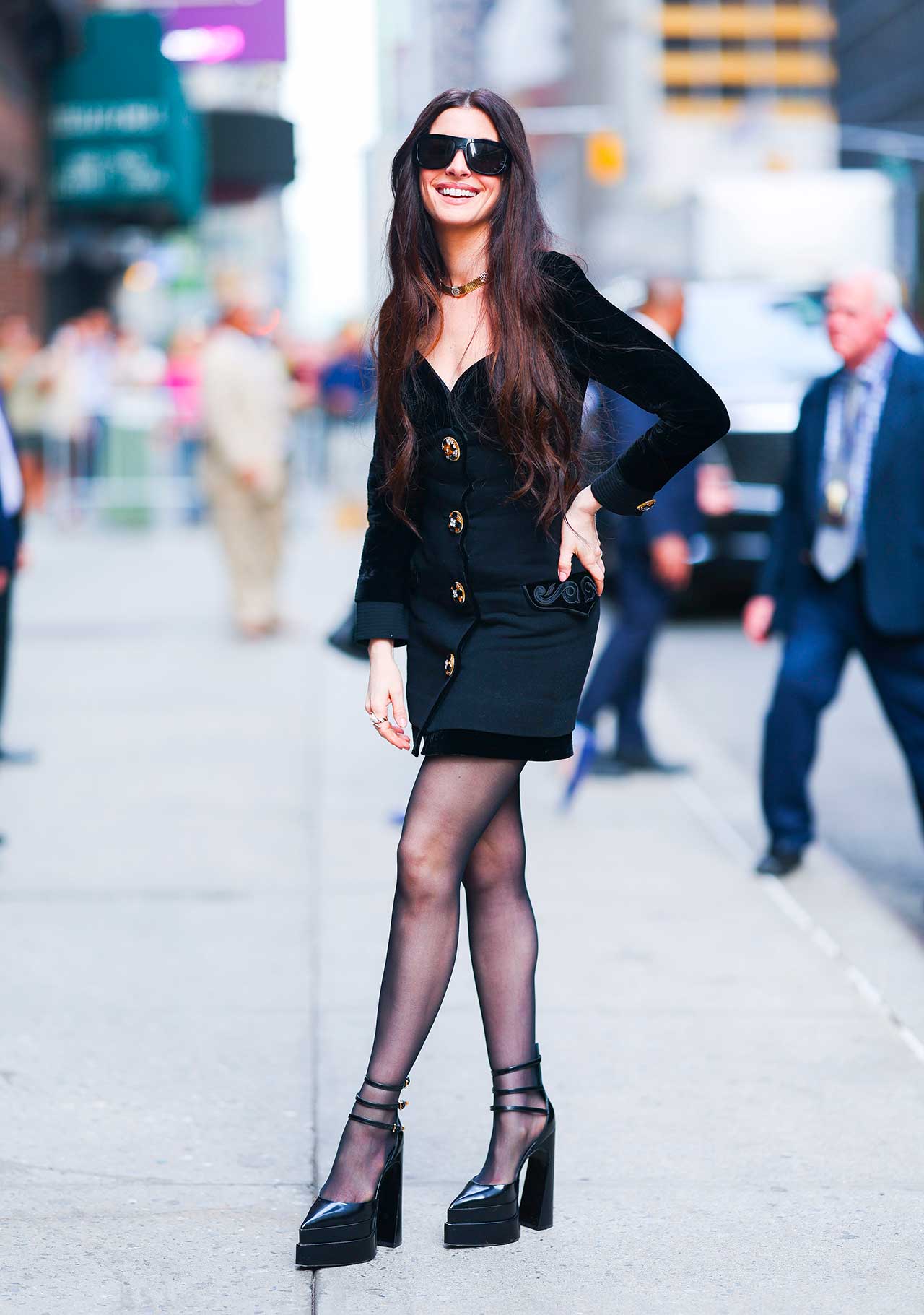
Anne Hathaway’s evolution may be the most quietly effective of all. After breaking through as the wide-eyed assistant in The Devil Wears Prada, she quickly became one of Hollywood’s most visible leading women, a trajectory that culminated in her Oscar-winning turn in Les Misérables — and the backlash that followed. What came next wasn’t a disappearance, but a recalibration. Instead of chasing constant visibility, Hathaway pivoted into sharper, more self-aware work: the controlled chaos of “WeCrashed”, the glossy satire of The Hustle, and the romantic reset of The Idea of You, which repositioned her as a leading woman on her own terms.
Now, with Mother Mary, she’s pushing that shift even further. In the A24 film, she plays a fictional pop star navigating fame, identity, and creative control — a role that feels almost meta in the context of her own career. The performance is stylized, physical, and deliberately unconventional, and the surrounding press cycle — from high-fashion premieres to viral front-row moments — has reinforced the shift. The narrative around her didn’t change overnight; it softened, then sharpened. What’s left is a version of Hathaway that feels entirely self-possessed and in control of how she’s seen.
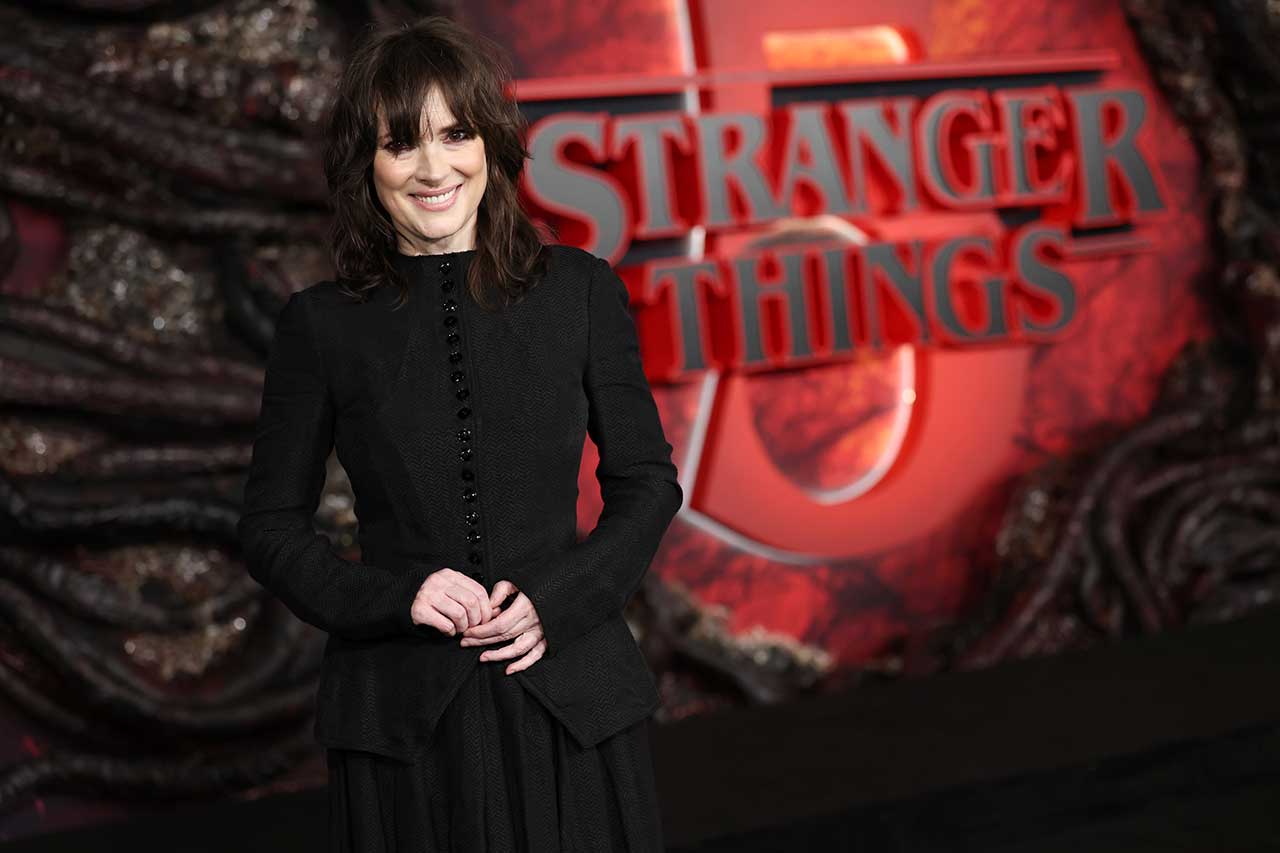
That kind of reset isn’t entirely new — it just feels newly relevant. Long before this current wave, Winona Ryder quietly established the blueprint. She came up as the ultimate ’90s indie icon, defining a generation in films like Heathers, Edward Scissorhands, and Reality Bites before stepping back in the early 2000s amid tabloid scrutiny that threatened to overshadow her work. What followed wasn’t a traditional comeback, but a slow reintroduction — culminating in “Stranger Things”. Her portrayal of Joyce Byers didn’t just reintroduce her to a new generation — it reframed her entirely. Ryder didn’t try to reclaim her past; she folded it into something that now feels more lasting.
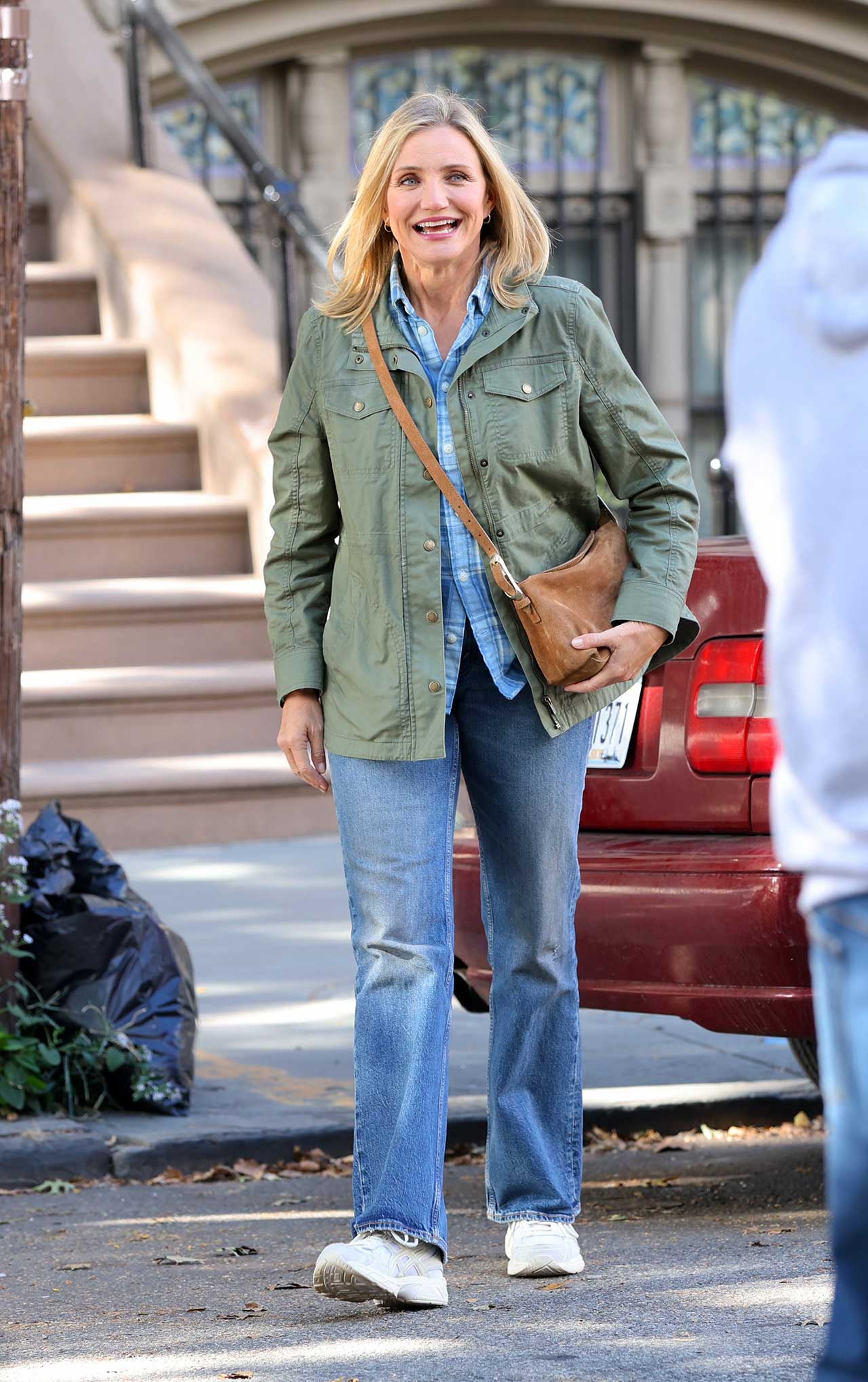
A similar dynamic is playing out now with Cameron Diaz, though her absence was entirely by design. After becoming one of the most bankable stars of the late ’90s and early 2000s — from The Mask to There’s Something About Mary to Charlie’s Angels — Diaz stepped away from acting in the mid-2010s, opting out at the height of her career. In the years since, she’s focused on building her organic wine brand, Avaline, while keeping a notably low profile. Her return, via the upcoming Netflix film Back in Action alongside Jamie Foxx, doesn’t feel like a big relaunch. It feels like a re-entry — one defined by timing and choice.
What connects these women isn’t a shared aesthetic or even a shared generation. It’s a shared rejection of the old rules. There’s no rush, no obvious grab for attention, no need for spectacle. If anything, the restraint is the point.
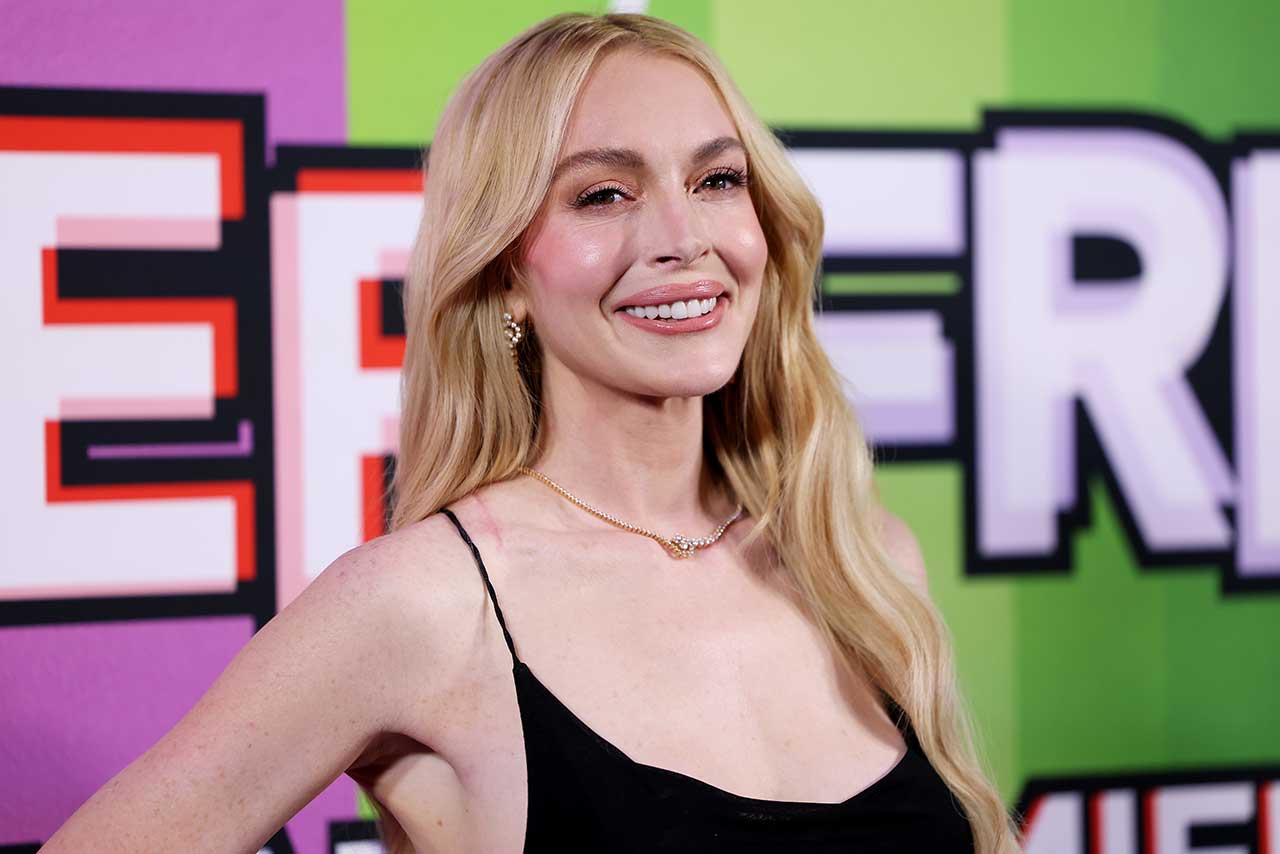
That same energy extends across a wider group of women reshaping their narratives in real time. Gwyneth Paltrow has turned what was once dismissed as a niche wellness experiment at Goop into a fully realized business that has outlasted the skepticism around it. Natalie Portman has re-entered the spotlight, balancing prestige projects with a sharper fashion presence, while Lindsay Lohan has quietly rebuilt her image through a string of Netflix films, trading chaos for consistency.
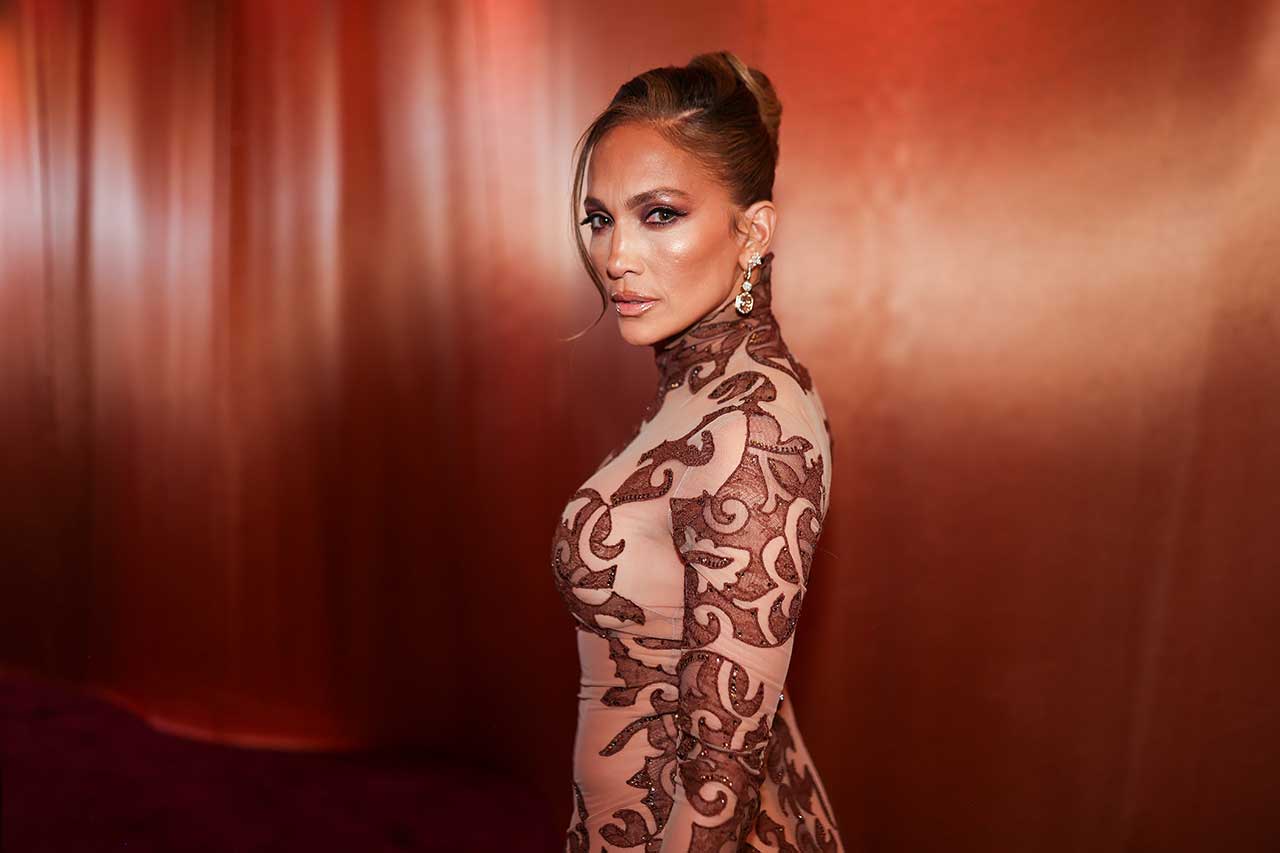
Even Jennifer Lopez — arguably the original architect of the modern comeback — has shifted into something more reflective. Projects like This Is Me… Now don’t just revisit her past; they reinterpret it, folding decades of public narrative into something more controlled and self-aware.
What’s striking is how little these comebacks rely on explanation. There are no grand redemption arcs being spelled out, no definitive “I’m back” declarations. Instead, there’s a steady reintroduction — controlled, measured, and often understated.
In many ways, this moment is less about proving anything and more about owning everything that came before. The past isn’t erased or rebranded; it’s absorbed. The result is a kind of presence that feels more complete — and, in a way, more modern.


