










The most successful celebrities today are no longer simply endorsers, campaign faces, or founders with a product to sell. They now act as a cultural curator, shaping not just what people buy but how people want to live.
What once looked like traditional celebrity branding has evolved into something more expansive and more influential, where taste itself becomes the product. A serum, a sneaker, a shapewear bodysuit, a lipstick, a cookware collection, a fashion line — each serves a larger purpose within a tightly edited world of image, aspiration, and lifestyle.
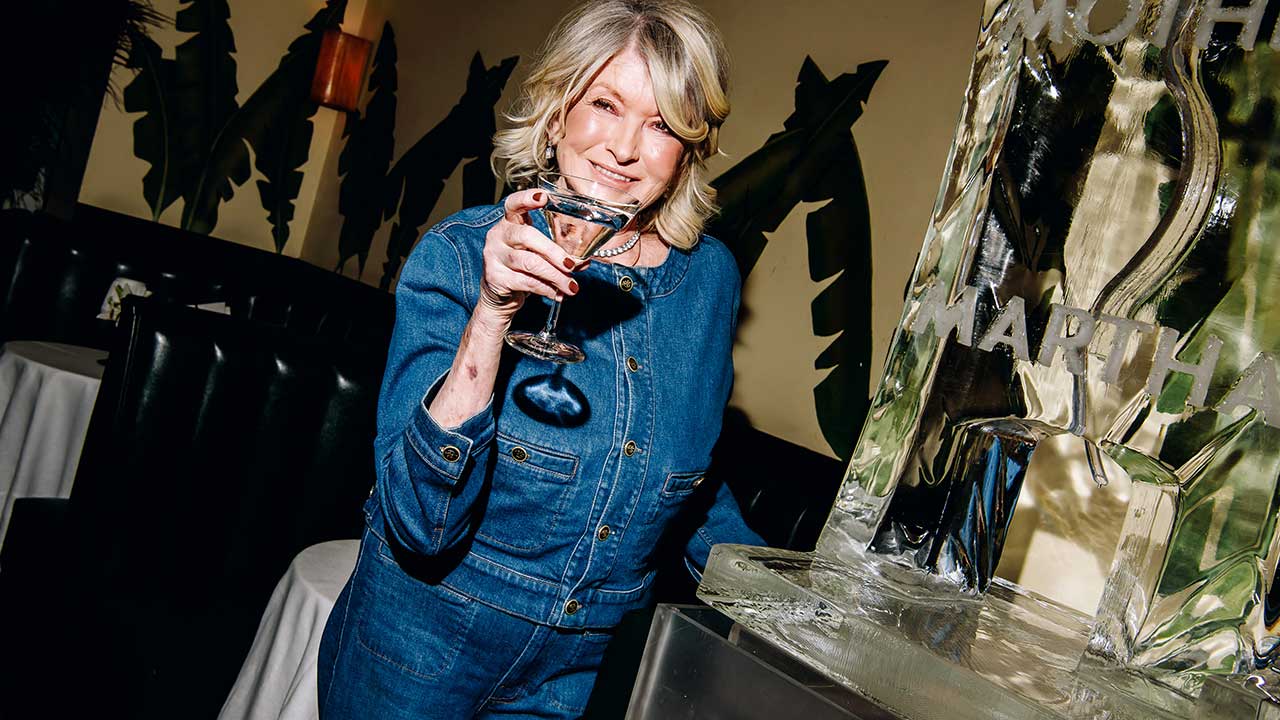
Long before celebrity brands became an expected extension of fame, Martha Stewart understood the power of turning personal taste into a commercial empire. She did not simply sell recipes, linens, or table settings; she sold an entire philosophy of living, one rooted in beauty, order, polish, and intention. Her “thirst-trap” Instagram snaps, a playful friendship with Snoop Dogg, and thoughtful brand partnerships have cemented Stewart’s status as the OG influencer, the original cultural curator.
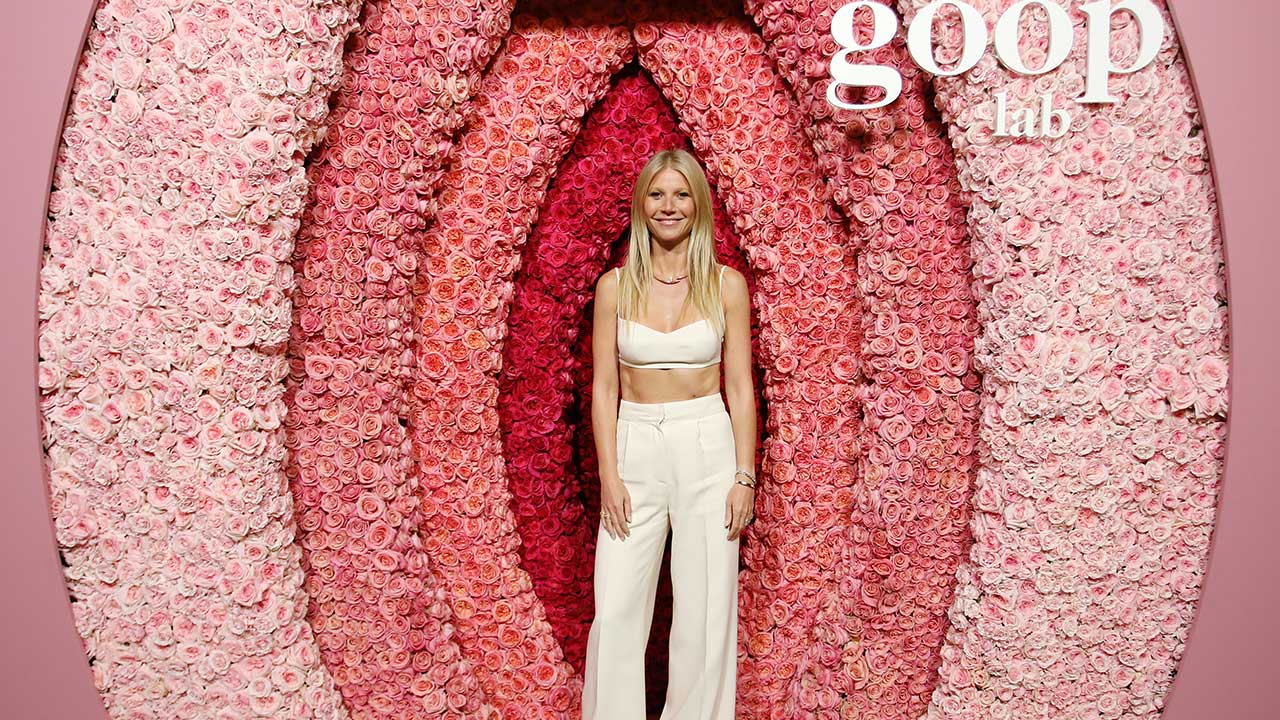
Gwyneth Paltrow would later modernize that idea for a more rarefied, wellness-driven era, turning Goop into a fully immersive platform that helped formalize the now-familiar notion that a celebrity brand could move seamlessly between beauty, fashion, wellness, and domestic life while still feeling like an extension of one woman’s worldview. Long before “founder” became a celebrity default, she understood how to translate personal aesthetic into commercial language, and that instinct still reads as unusually sophisticated.
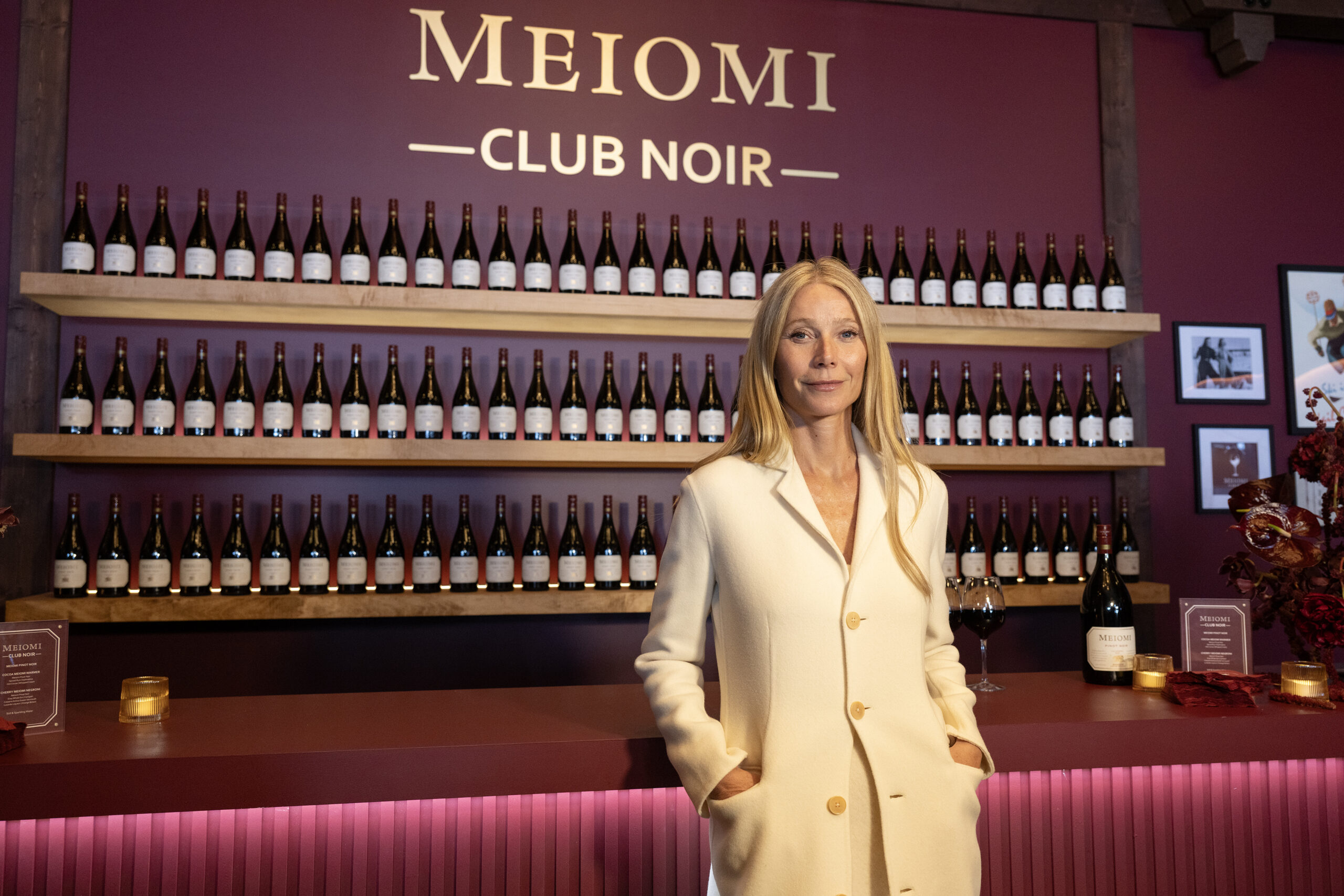
Her appearance at Meiomi’s Club Noir event in Vail on February 26 is a perfect recent example: not just another celebrity drop-by, but a tightly calibrated lifestyle association that placed her in an après-ski, elevated hospitality setting that mirrored the polished, aspirational world she has long sold through Goop. It worked because it felt less like endorsement than environment — a celebrity reinforcing a point of view through where she chooses to appear.
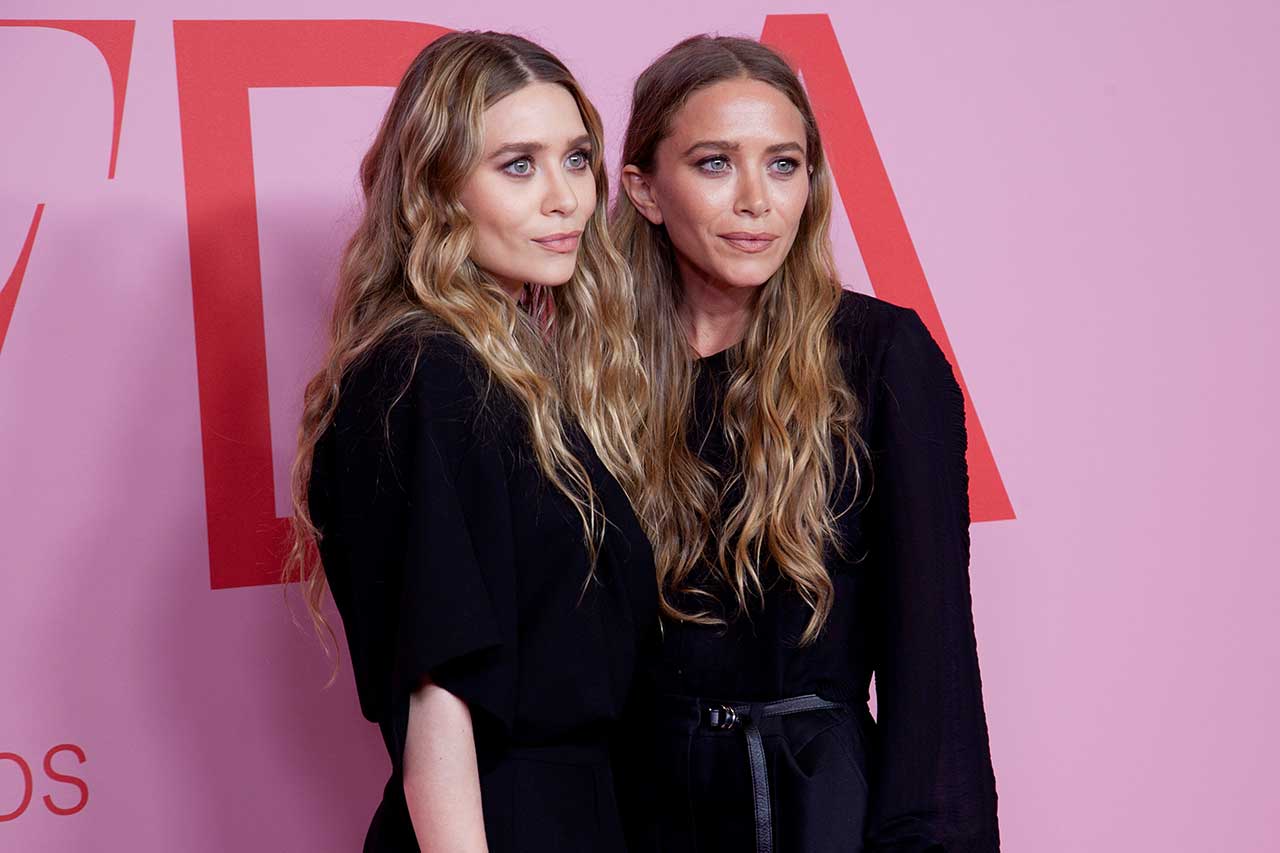
Ashley Olsen, Mary-Kate Olsen (Photo by Lexie Moreland/WWD/Penske Media via Getty Images)
Mary-Kate and Ashley Olsen, in turn, helped prove that celebrity could evolve into something rarer in fashion: genuine design authority. Through The Row, they transformed a childhood fame story into a study in restraint, discipline, and quiet luxury, building a brand whose credibility rests not on visibility, but on rigor. That same logic now defines a new generation of celebrity ventures operating at the highest level of cultural relevance.
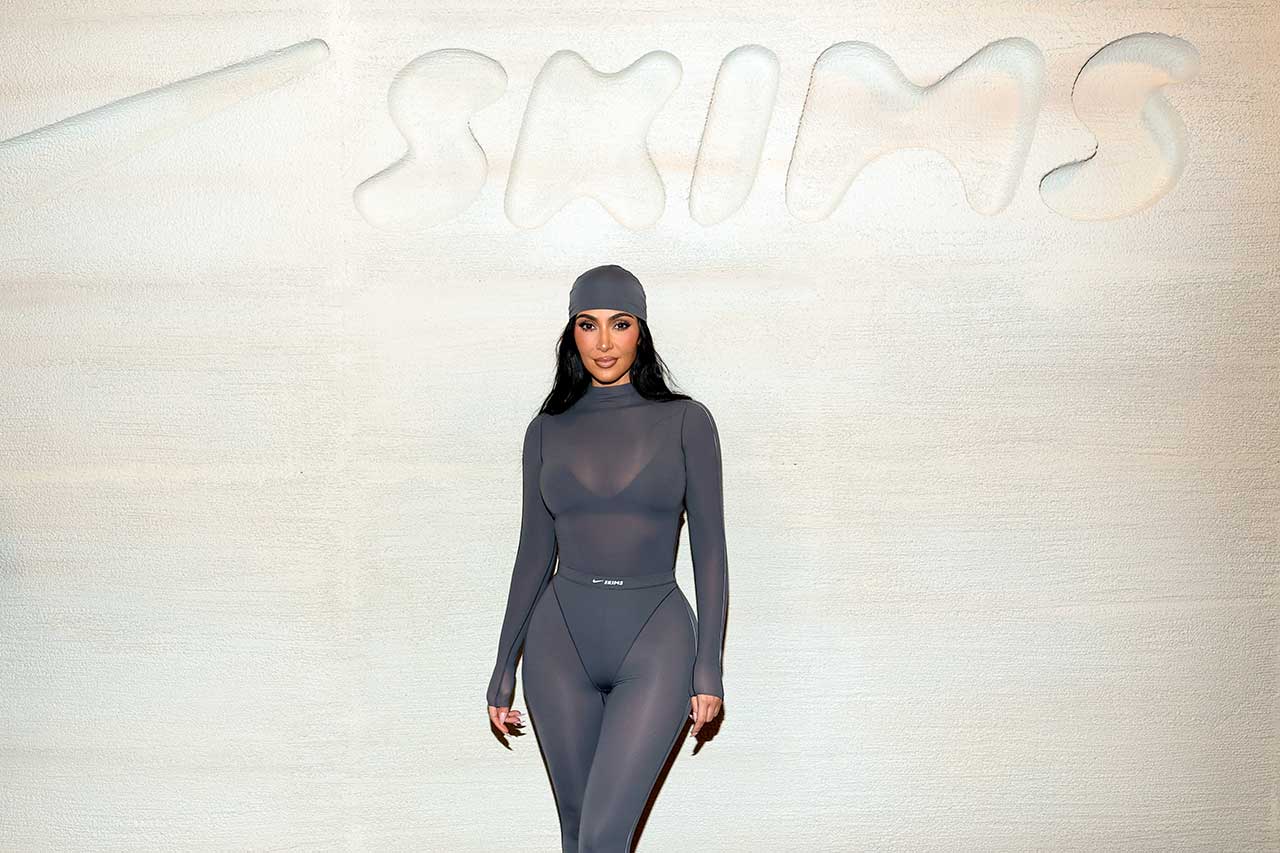
Kim Kardashian has done something similar with SKIMS, transforming the once-practical category of shapewear into a sleek, minimalist proposition that now extends into underwear, loungewear, and wardrobe basics with the authority of a full lifestyle brand. Hailey Bieber’s Rhode, meanwhile, distilled an entire beauty mood into product form, translating her glazed, pared-back, highly photogenic minimalism into one of the most recognizable visual languages in contemporary skincare. Kourtney Kardashian’s Lemme pushes that same model into wellness, turning the supplement category into something polished, personality-driven, and unmistakably lifestyle-oriented.
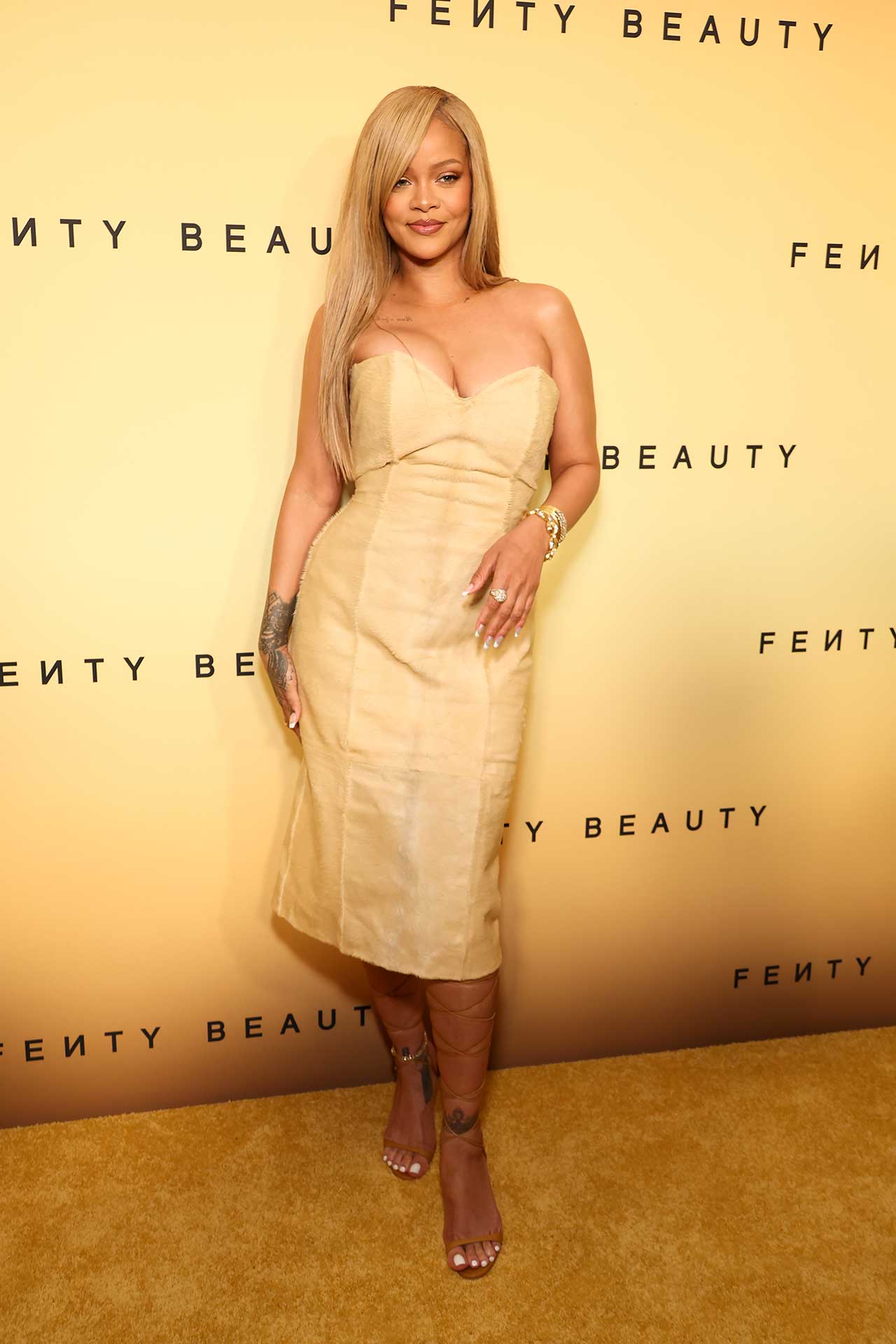
Rihanna’s empire, for instance, has never been about beauty in the narrow sense. Fenty Beauty, Savage X Fenty, and her fashion partnerships have all expressed a larger universe — one built around confidence, sensuality, inclusivity, and a kind of modern glamour that feels both luxurious and self-possessed.
What links all of these ventures is not simply celebrity reach, but the ability to create a coherent point of view across categories. The strongest celebrity brands do not feel like one-off licensing deals or merch dressed up in elevated packaging. They feel immersive. The product may sit on a bathroom counter, in a closet, or in a kitchen, but it gestures toward a larger fantasy of selfhood — one that has already been styled, lit, photographed, and made to look irresistible. The consumer is not just buying a moisturizer or a pair of leggings; she is buying into a rhythm, an identity, a standard of polish.
That helps explain why these brands have become so effective at a moment when consumers are inundated with options. In a saturated market, curation itself has become a form of luxury. Endless choice may be the condition of contemporary retail, but the celebrity curator offers something far more seductive: an edit.
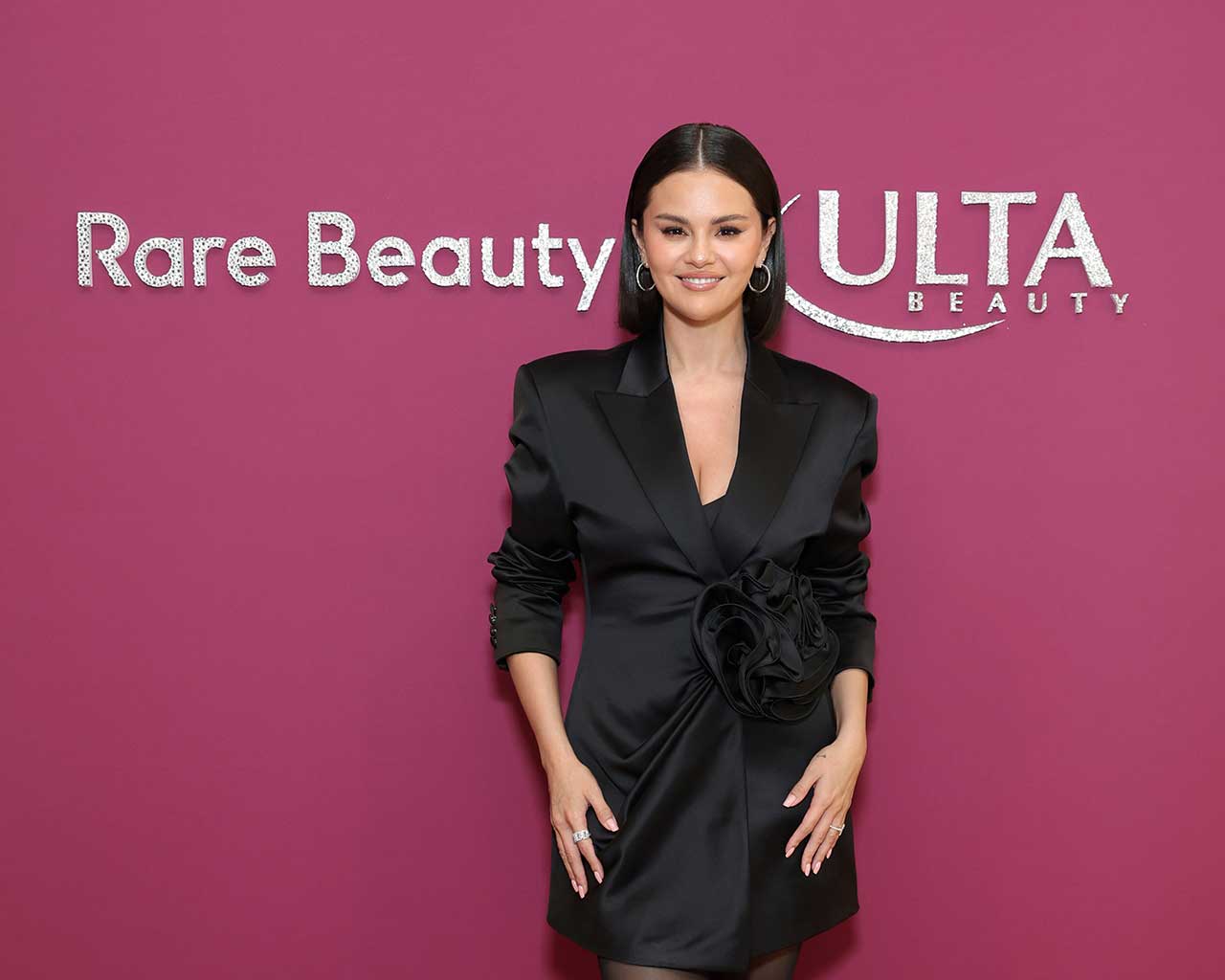
What makes these ventures resonate, then, is not simply scale, but coherence. The celebrity brands that break through are the ones that feel less like merchandising exercises and more like complete visual and emotional worlds. Victoria Beckham’s fashion and beauty businesses are persuasive because they remain so tightly aligned with the image she has cultivated for decades: disciplined, polished, restrained, and quietly luxurious. Selena Gomez’ Rare Beauty succeeds not only as a cosmetics line but as an extension of a softer, more emotionally attuned form of celebrity — approachable, polished, and carefully modern.
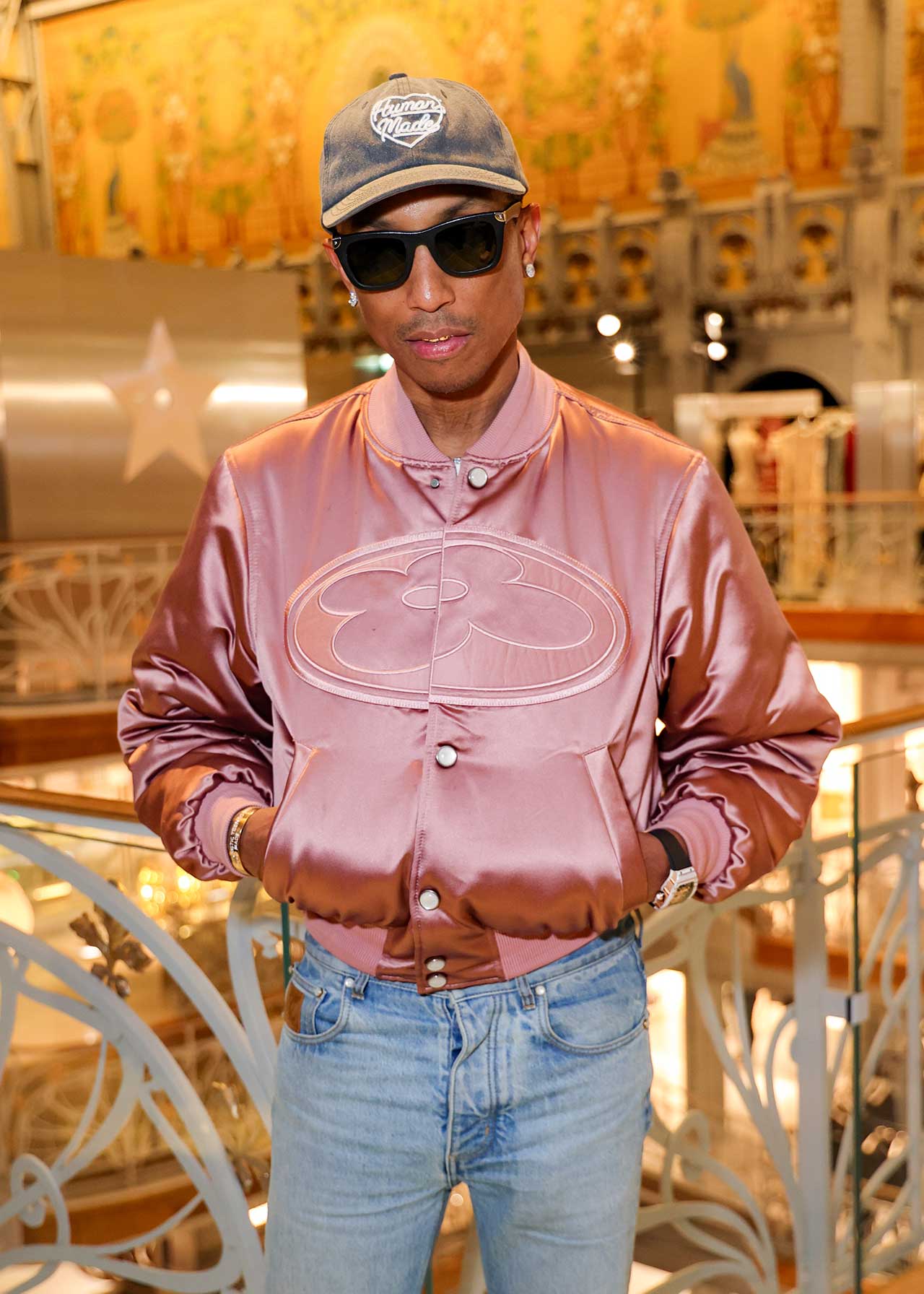
Pharrell Williams belongs in this conversation too, not simply as a celebrity with taste, but as someone actively reshaping the luxury landscape from within it. As Men’s Creative Director at Louis Vuitton, he represents the clearest example of how celebrity has evolved from ambassadorial gloss to real cultural authorship. His position at LVMH signals something bigger than a high-profile appointment: it reflects fashion’s increasing comfort with figures who can move fluidly between music, design, image-making, and commerce while bringing an existing world with them. In Pharrell’s case, that world is expansive — rooted in streetwear, art, travel, pop culture, and global influence — and it has allowed luxury to feel more current and culturally literate without sacrificing scale or aspiration.
This is also why the line between celebrity, founder, and creative director has become increasingly difficult to separate. The most compelling figures now operate across multiple registers at once: they are the face, the mood board, the distribution engine, and the overarching narrative. They do not merely appear in campaigns; they function as the connective tissue between product, image, and aspiration. Their credibility depends less on traditional expertise than on aesthetic conviction — the sense that their taste is specific enough, disciplined enough, and desirable enough to organize an entire commercial universe around it.
This is where celebrity culture now overlaps most clearly with fashion: narrative is everything. The most effective celebrity-driven businesses are not built on exposure alone, but on storytelling — controlled imagery, strategic collaborations, limited drops, and the sense that each launch belongs to a larger visual universe. A product is rarely just a product anymore; it arrives with a mood, a message, and a fully articulated fantasy of selfhood.
In that sense, the modern celebrity functions less as a spokesperson than as an editor of desire. What she offers is not simply a cream, a candle, a blazer, or a vitamin gummy, but an entire visual and emotional vocabulary consumers can slip into. The old celebrity economy was built on fame. This one is built on the far more powerful promise of taste.


