









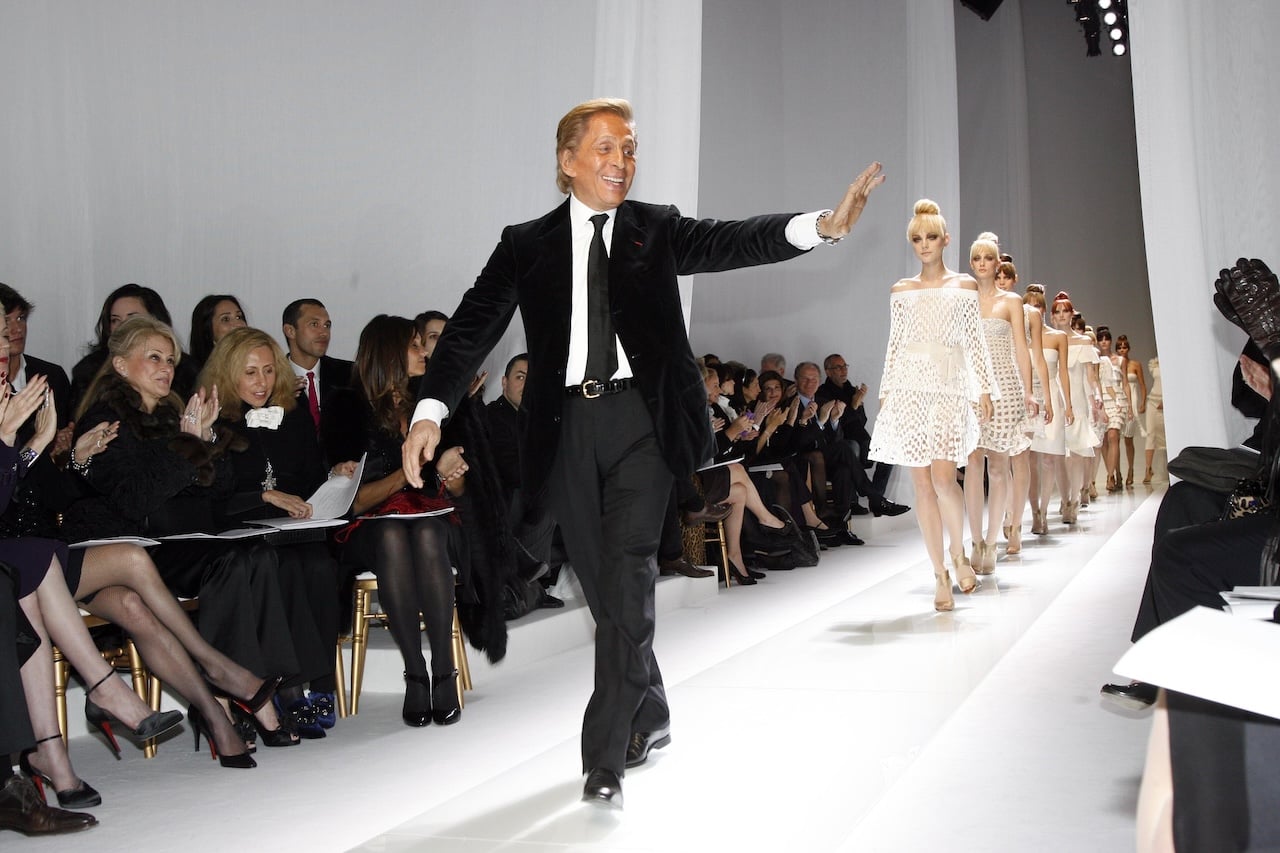
The fashion world is mourning the loss of one of its most influential figures. Valentino Garavani, the legendary Roman couturier whose name became synonymous with elegance, couture craftsmanship, and modern glamour, has died at the age of 93. His passing was announced yesterday, after he passed away at his home in Rome.
Over the course of more than five decades, Valentino shaped the visual language of late-20th-century luxury, dressing European royalty, American first ladies, and some of the most recognizable women in film and society. Revered for his exacting pattern-making, romantic silhouettes, and unwavering devotion to beauty, he was often described as fashion’s “last emperor.”
A Roman Beginning and a Parisian Education
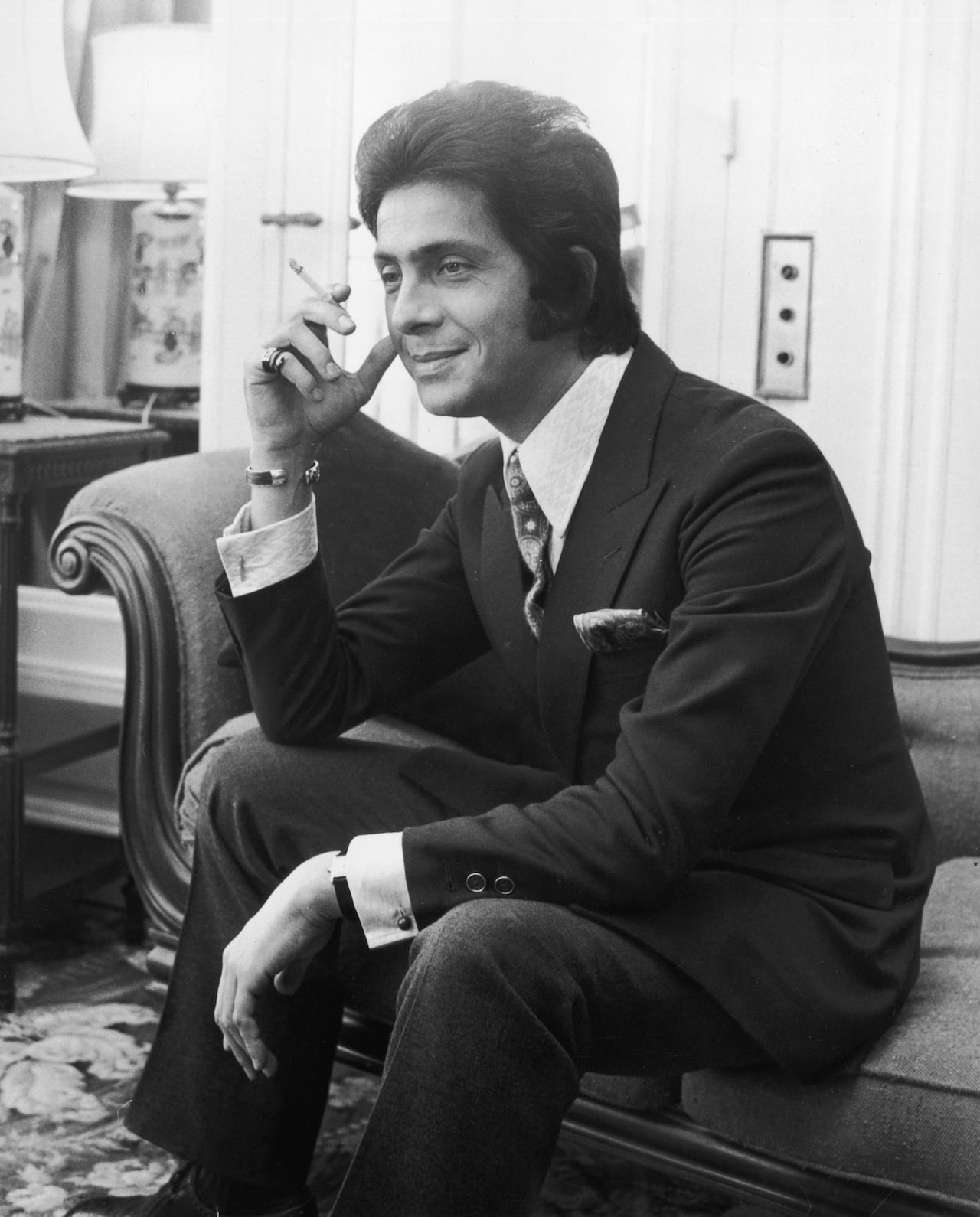
Born in Voghera, Italy, in 1932, Valentino Garavani developed an early fascination with fashion before moving to Paris to formally study the craft. There, he trained at established couture houses and fashion schools, absorbing the discipline and precision that would later define his work.
In 1960, he returned to Italy and founded his eponymous label in Rome, opening an atelier on Via Condotti. It was there that he met Giancarlo Giammetti, his lifelong partner in both business and vision. Together, they transformed a young Roman couture house into one of the most recognizable luxury brands in the world — Valentino as the creative force, Giammetti as the strategist who safeguarded its growth and legacy.
Defining an Era of Glamour
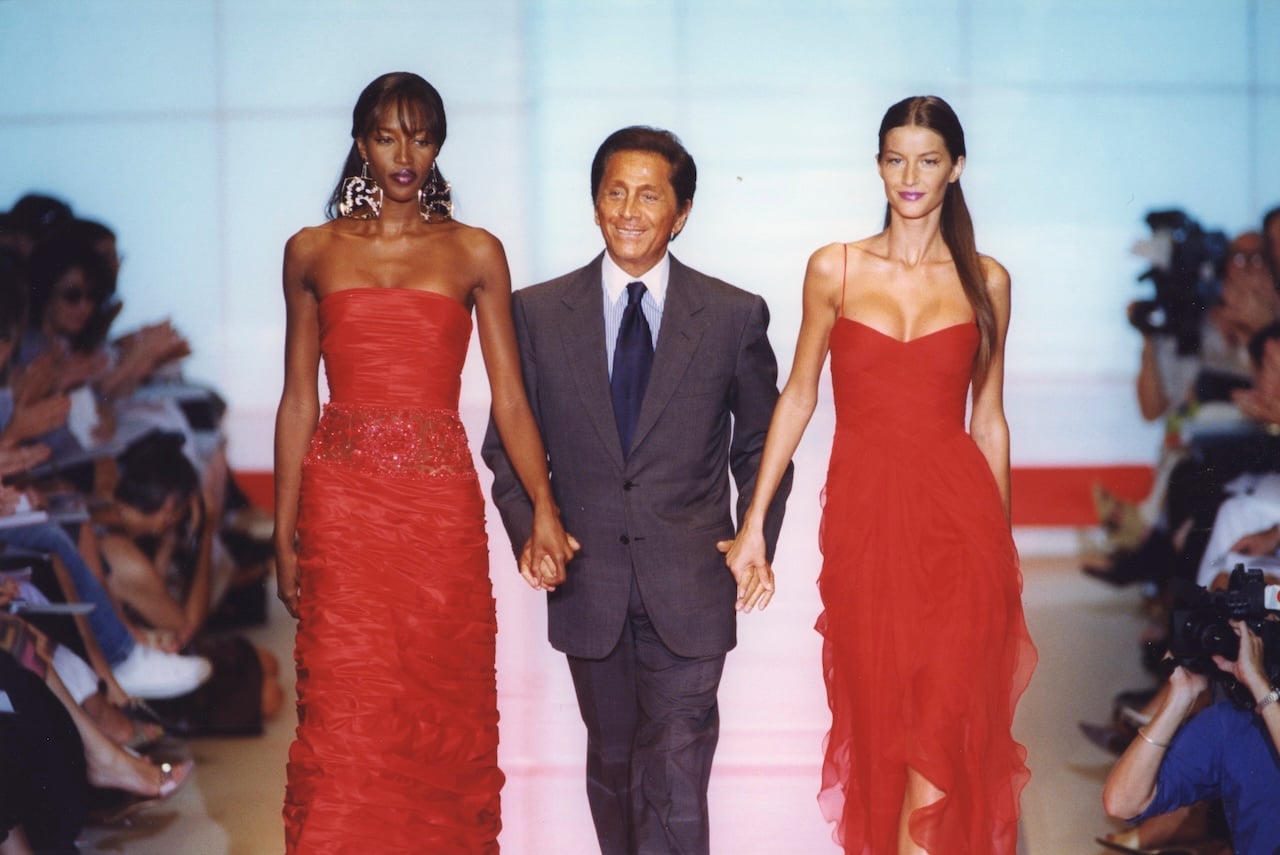
Valentino rose to international prominence during the 1960s and ’70s, a period of cultural change that he met with refinement rather than rebellion. His designs were distinguished by meticulous construction and a romantic sensibility — bows, lace, ruffles, embroidery, and fluid evening silhouettes that celebrated femininity without excess.
Central to his legacy was his signature shade — Valentino red — a vivid, poppy-toned hue that became inseparable from the house itself. More than a color, it became a symbol of confidence, sensuality, and timeless elegance.
As Valentino expanded globally into ready-to-wear, accessories, fragrances, and menswear, the designer remained steadfast in his belief that fashion should aspire to beauty above all else.
Valentino’s 5 Most Iconic Fashion Moments
1. The Creation of Valentino Red
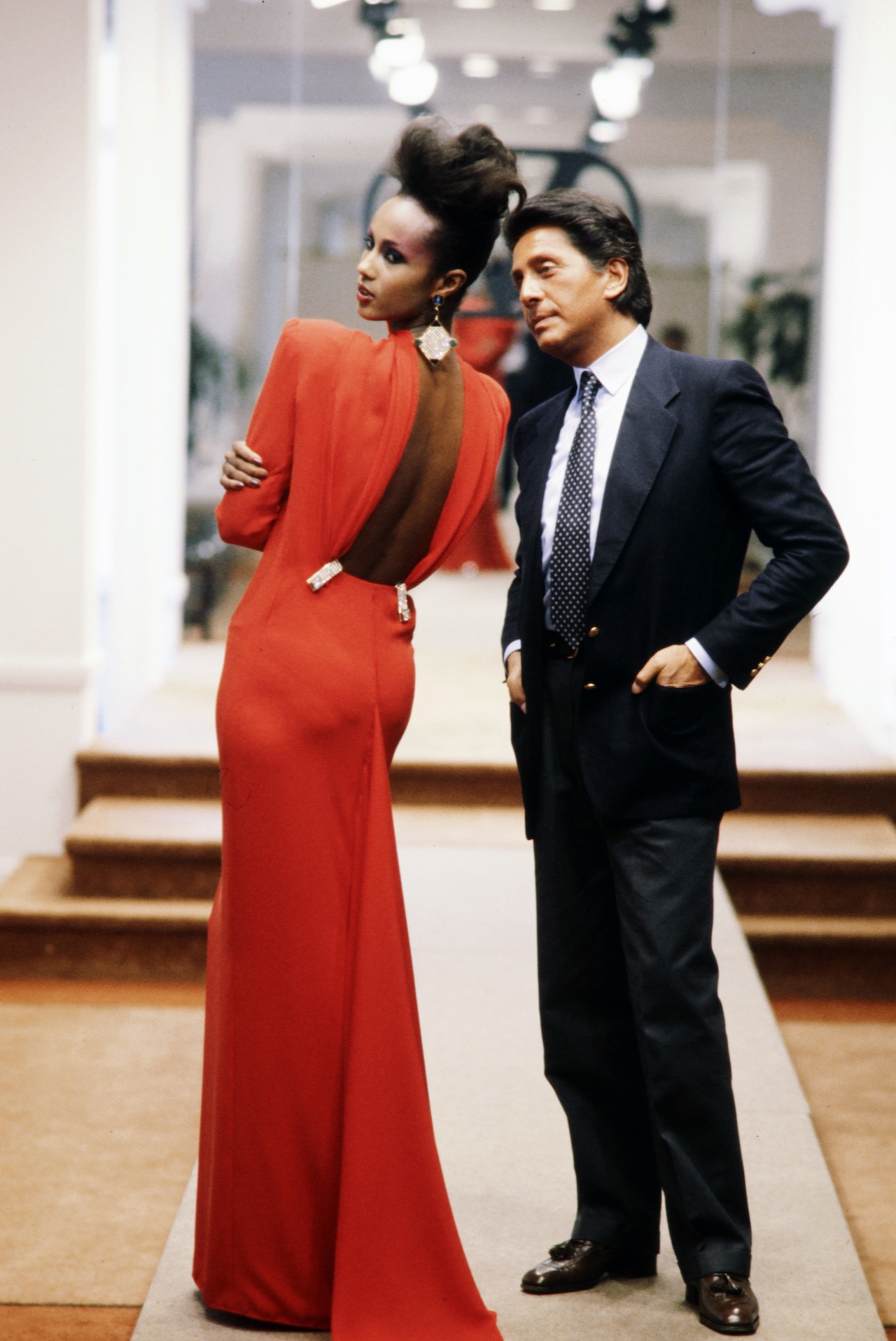
Few designers have claimed a color so definitively. Valentino’s red — vibrant yet refined — became his unmistakable signature and a constant presence in his couture collections, worn by clients across generations.
2. Jacqueline Kennedy’s Wedding Dress
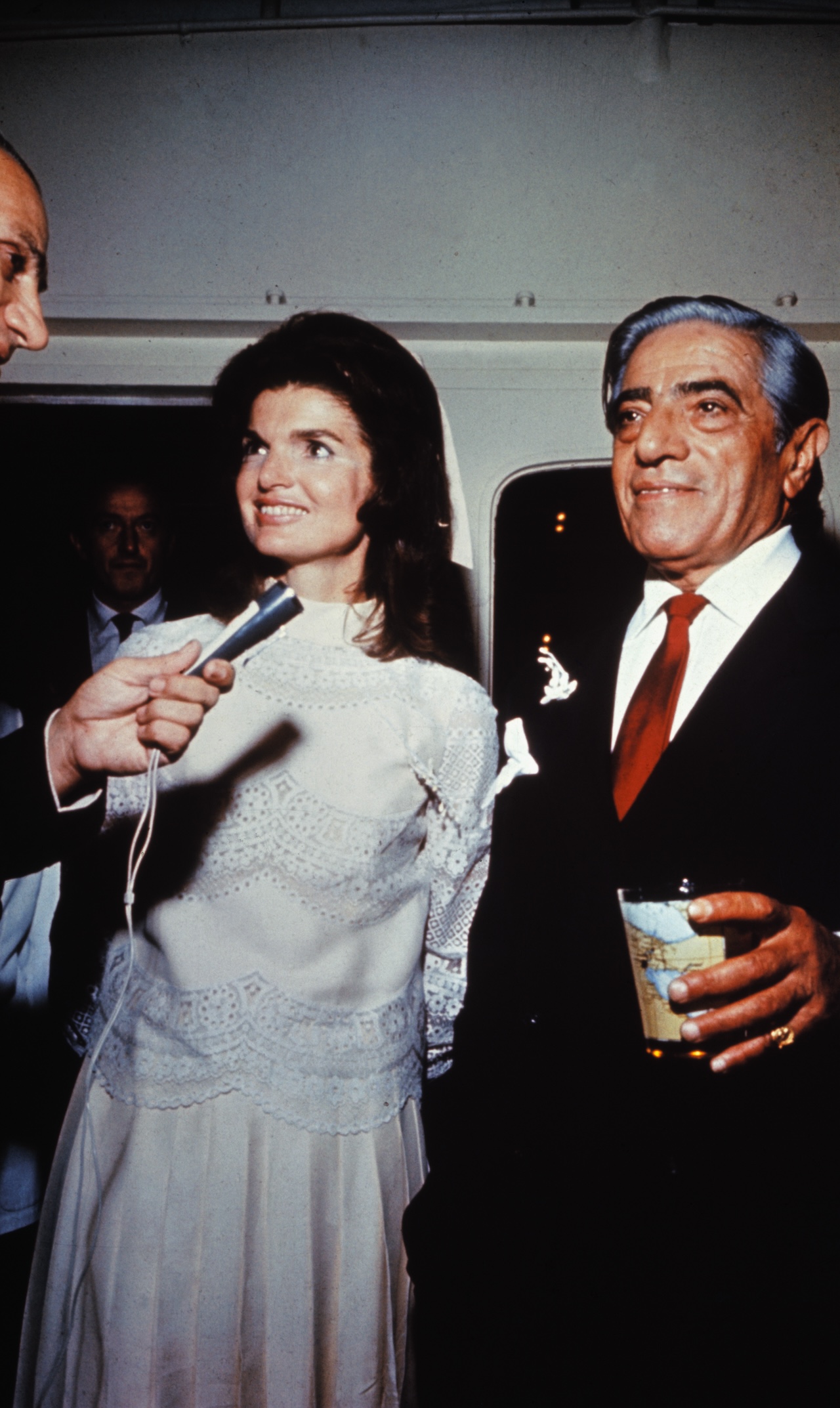
In 1968, Jacqueline Kennedy selected Valentino to design her wedding gown for her marriage to Aristotle Onassis. The moment solidified Valentino’s standing in American society and reinforced his reputation as the couturier of choice for the world’s most visible women.
3. The 1968 “White Collection”
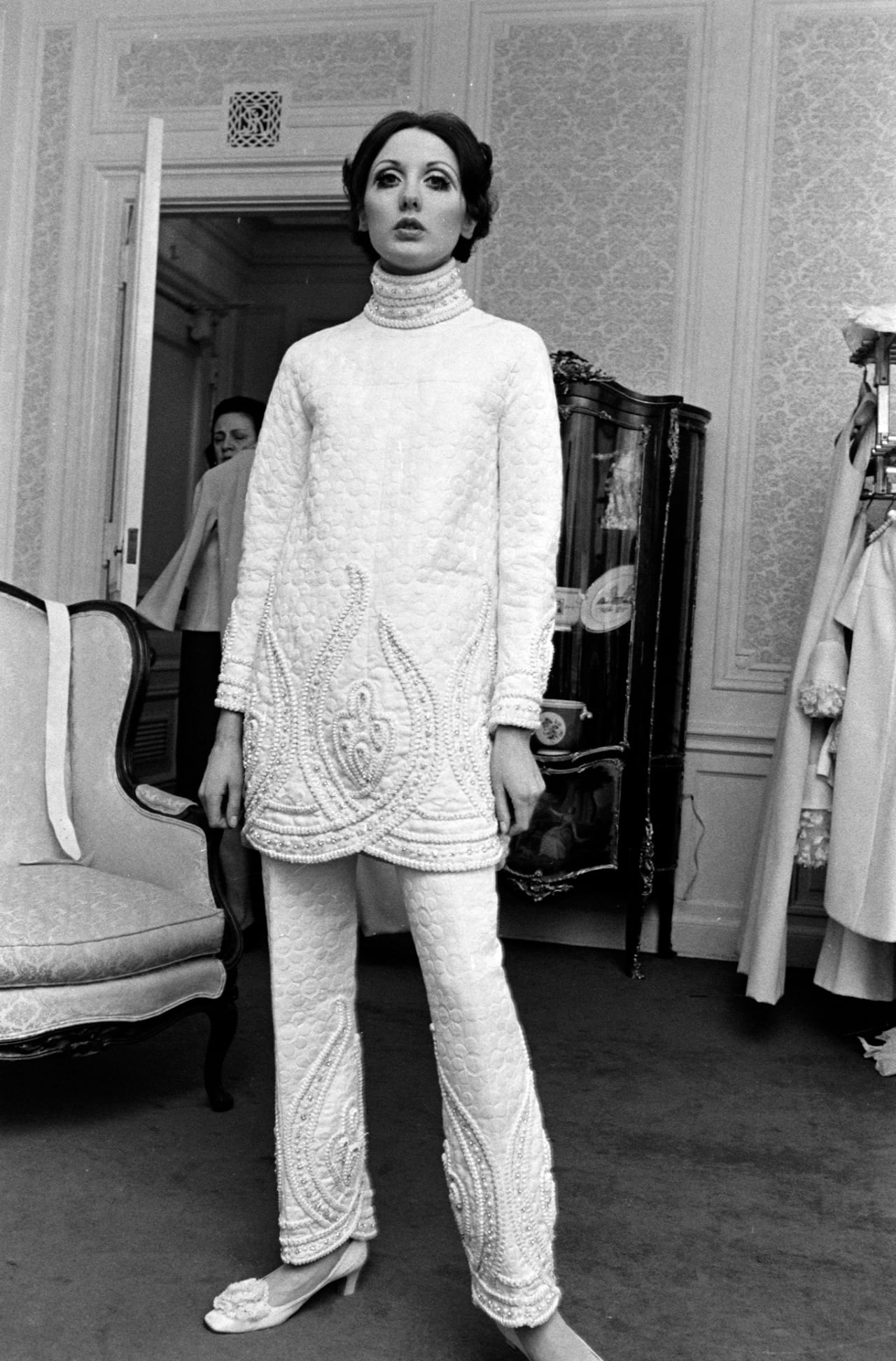
At a time when fashion was growing increasingly experimental, Valentino presented an all-white collection that emphasized purity, craftsmanship, and restraint. The collection earned him the prestigious Neiman Marcus Award and marked a major turning point in his global recognition.
4. Dressing the Icons of Film and Culture
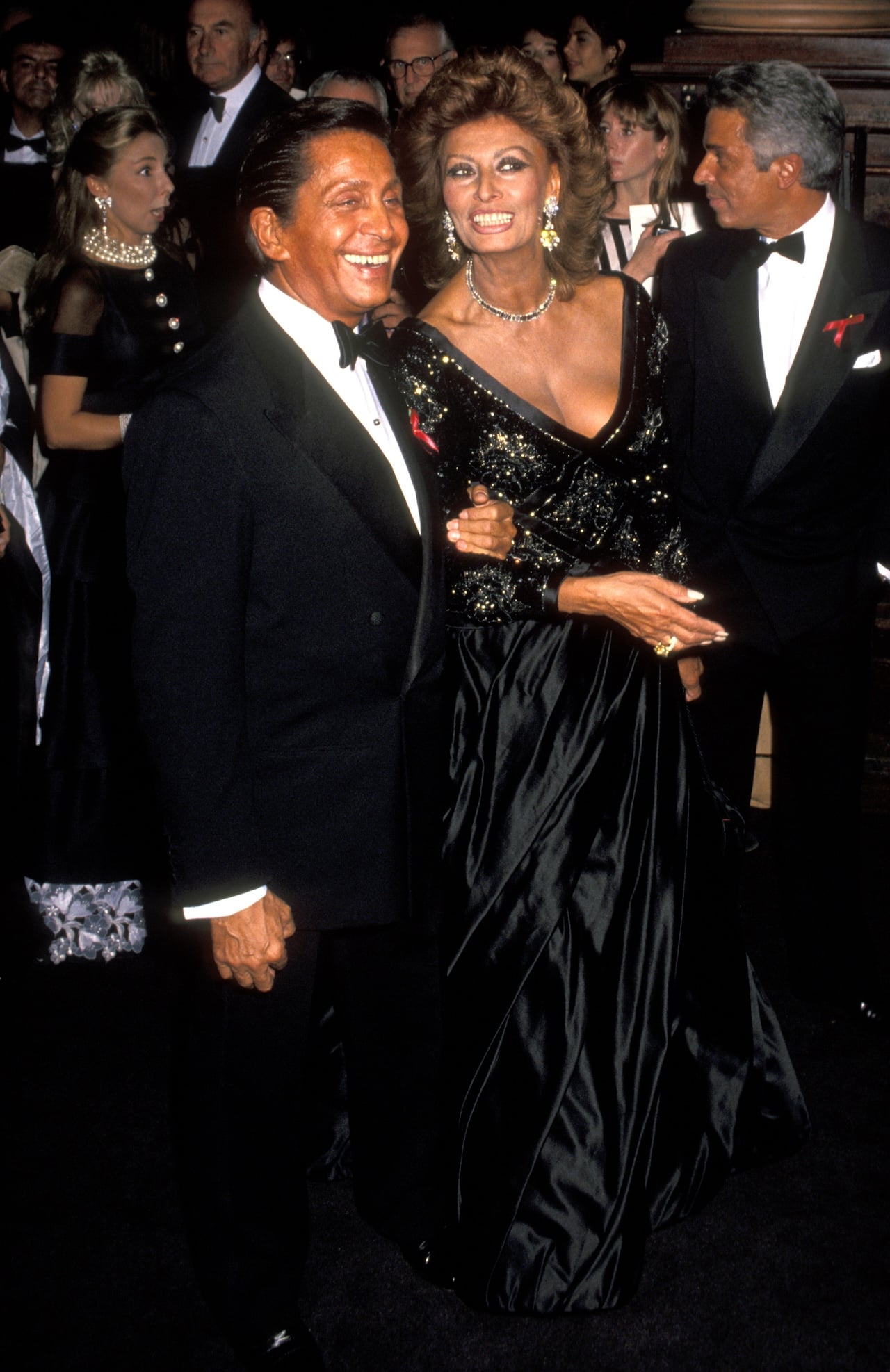
From Elizabeth Taylor and Sophia Loren to later generations of Hollywood stars, Valentino’s gowns became fixtures on red carpets and at historic cultural events, representing a continuity of glamour across eras.
5. His Final Couture Show in Paris
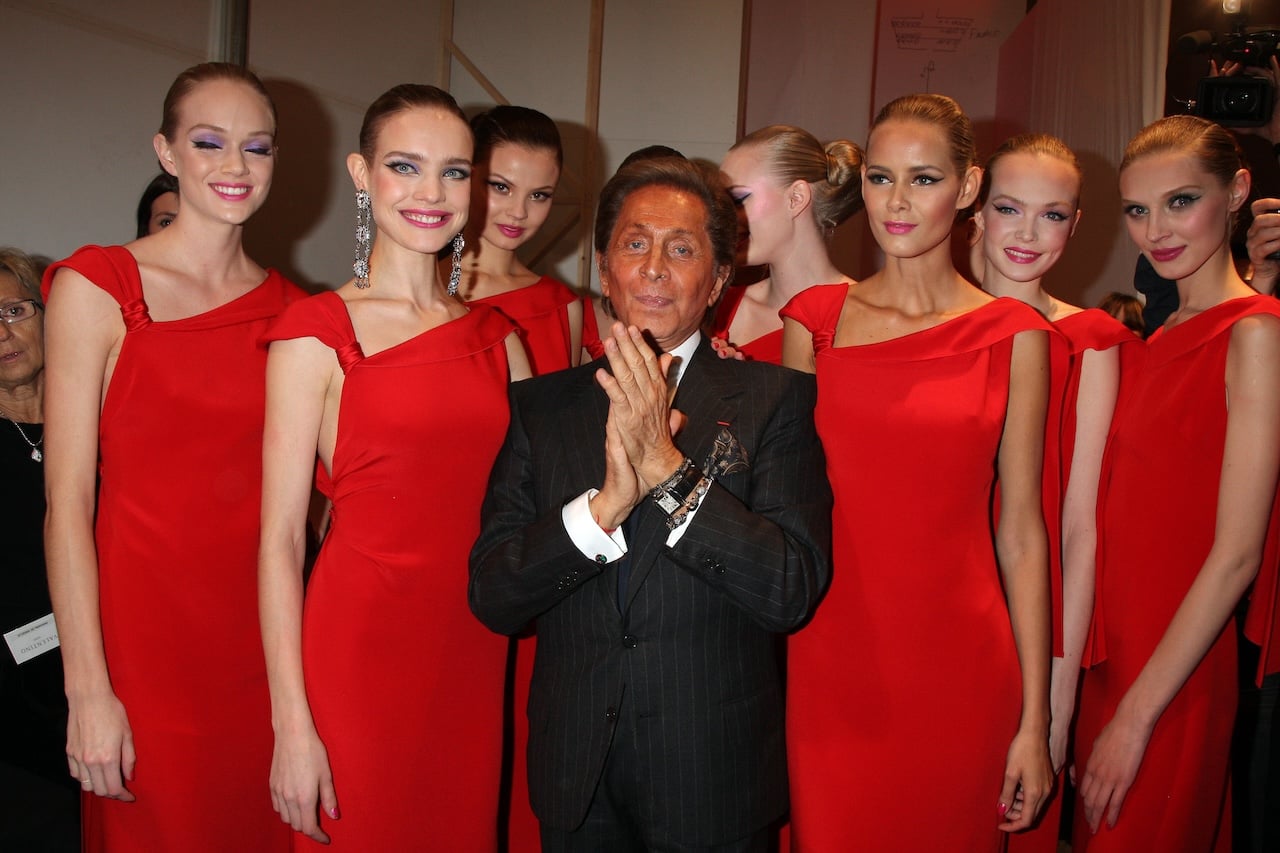
Valentino’s farewell couture presentation in 2008 — held in Paris — served as a deeply emotional conclusion to his career. The show honored his lifelong commitment to elegance and Italian excellence, marking the end of an era in fashion history.
A Legacy That Endures
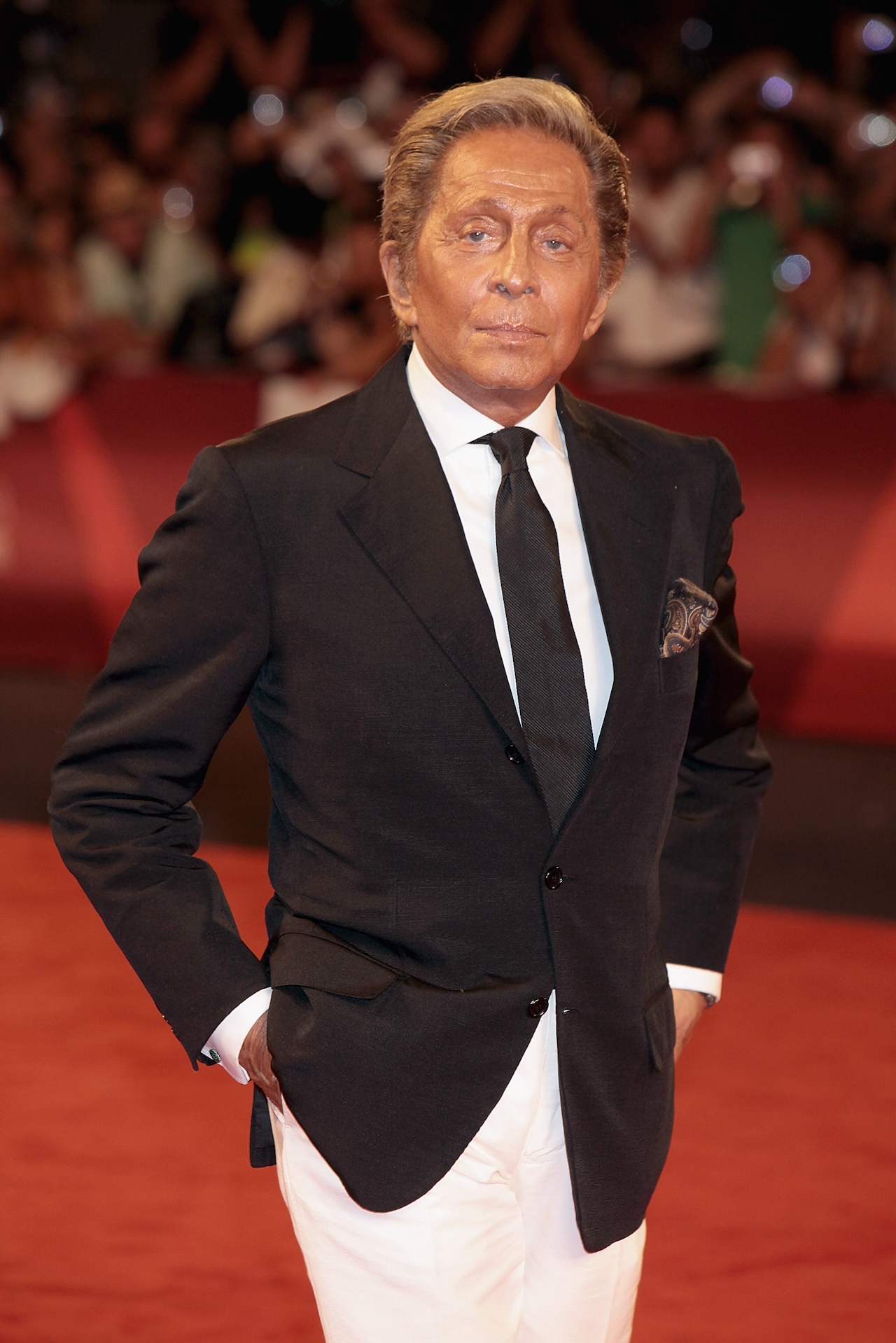
Valentino Garavani retired from active design in 2007, but his influence has never faded. His belief in discipline, beauty, and craftsmanship continues to shape the house he founded and the broader fashion landscape.
As tributes continue to pour in from across the industry, Valentino’s legacy remains clear: he proved that elegance could be enduring, that glamour could be timeless, and that fashion — at its highest level — could be an art form.


