










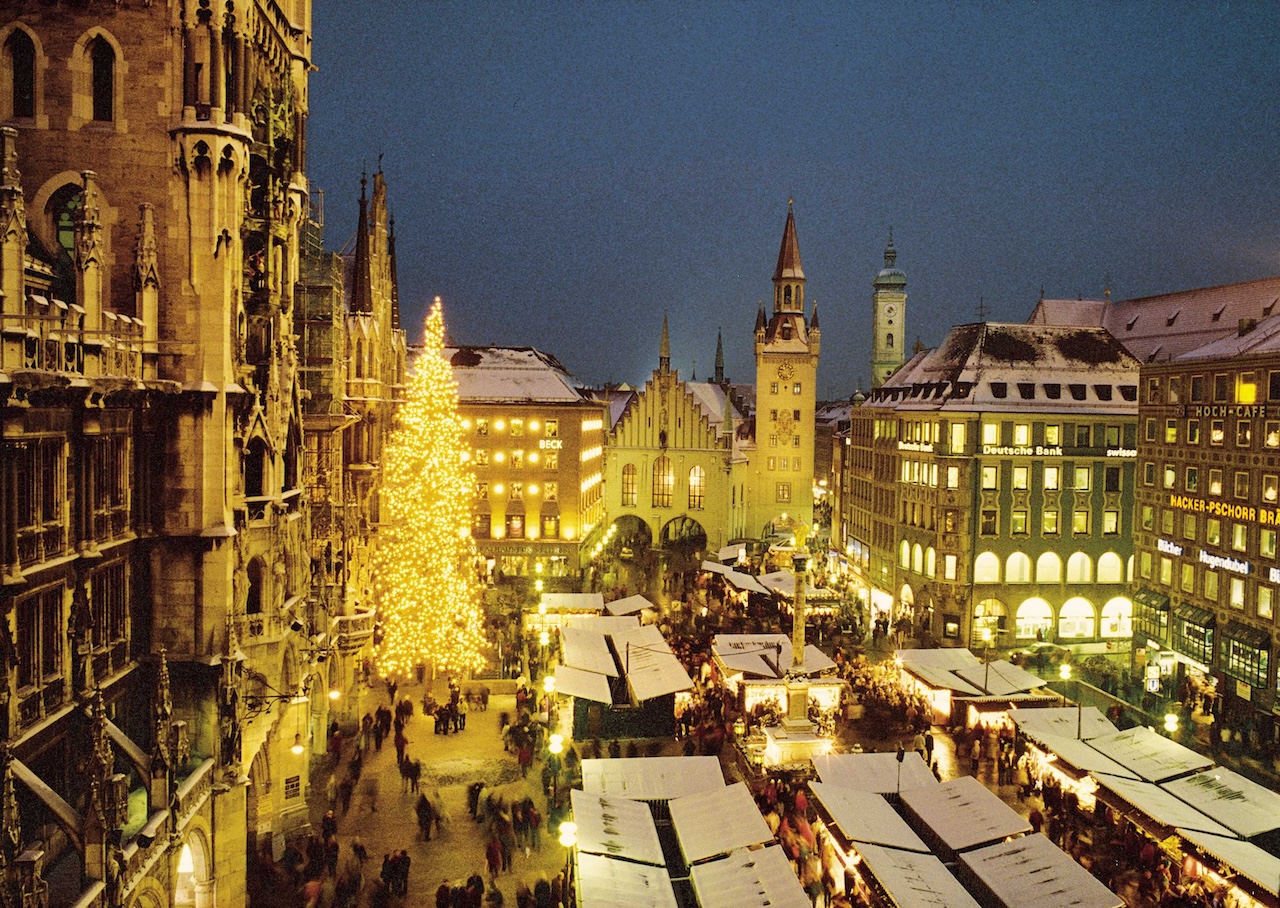
Winter in Munich arrives with a sense of ceremony. As daylight fades earlier each afternoon, the city glows from within — market stalls illuminated beneath historic arcades, church bells echoing softly through the Old Town, and the scent of mulled wine, roasted nuts, and pine lingering in the air.
Unlike destinations where the festive season feels staged for visitors, Munich’s winter traditions unfold as part of everyday life. Locals gather after work for a quick glühwein, choirs rehearse in candlelit courtyards, and the city settles into a rhythm that feels both celebratory and reassuringly familiar. It’s a season that invites lingering — and one that rewards travelers willing to slow down.
A Winter Stay at Rosewood Munich
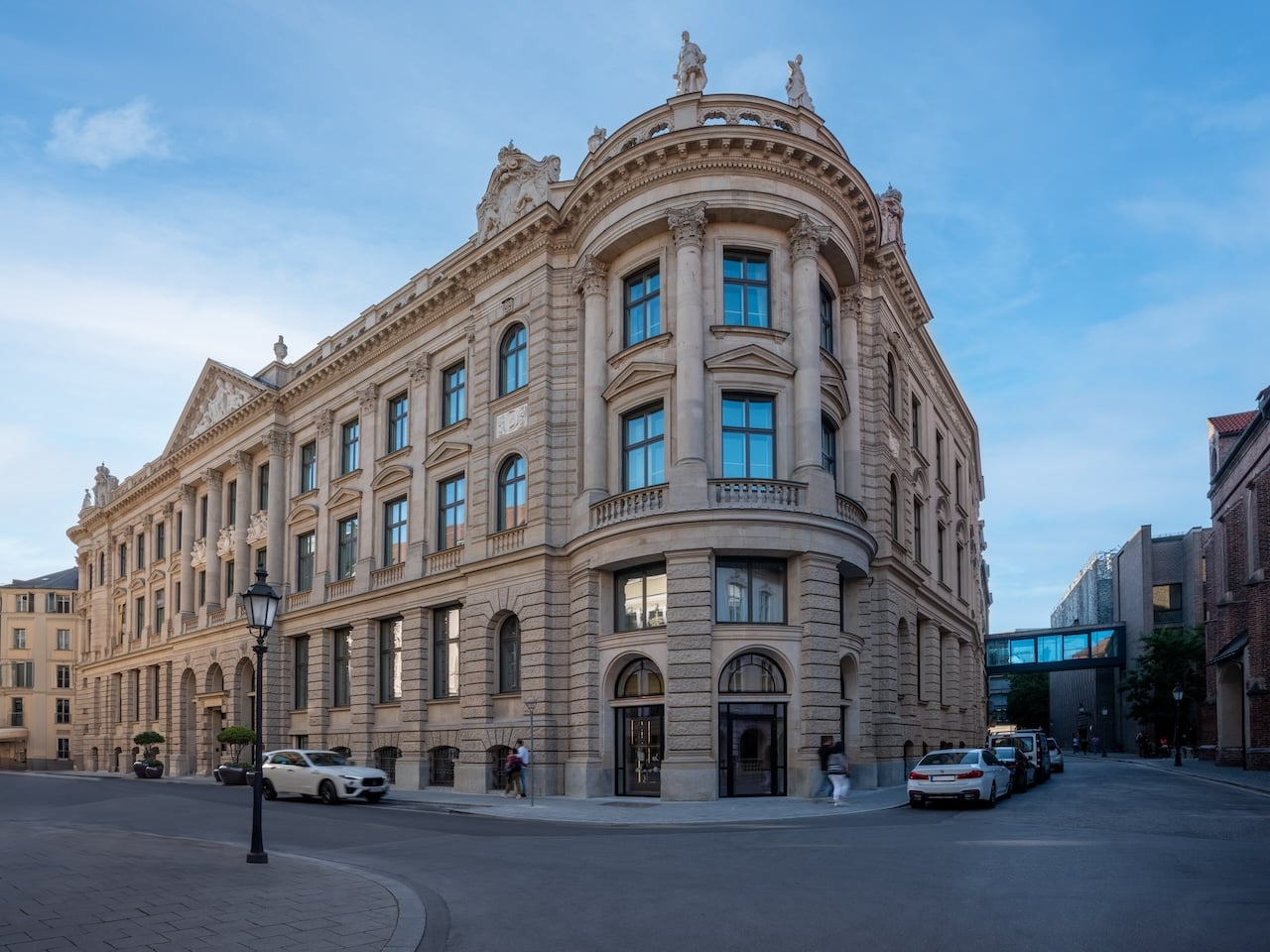

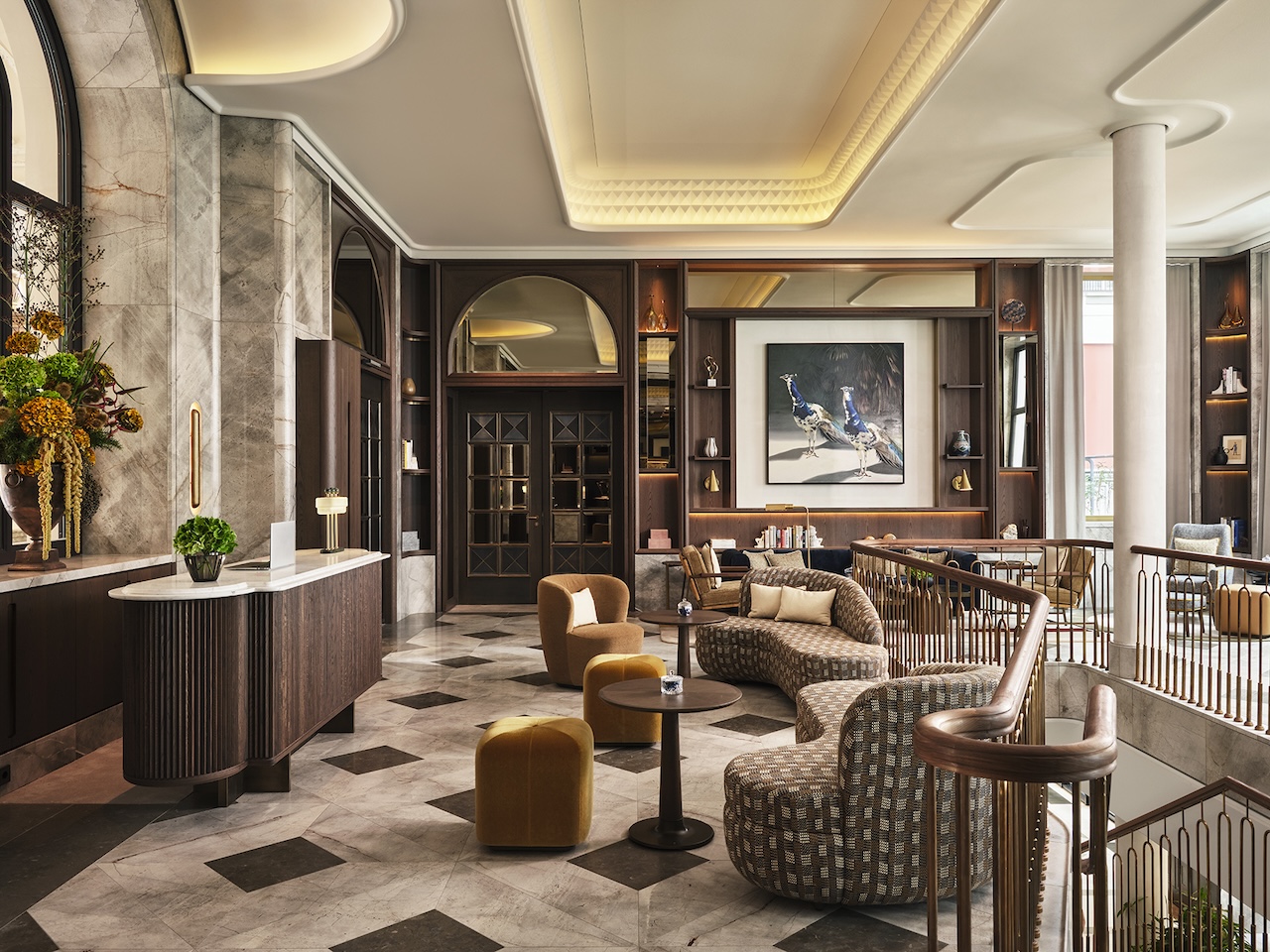
I arrived at Rosewood Munich just as this seasonal shift was taking place. The Christmas markets had opened that very day, and the city felt poised between anticipation and ritual. Set within the former Bavarian State Bank headquarters and the aristocratic Palais Neuhaus-Preysing, Rosewood Munich occupies a position that feels both central and quietly removed. Crossing the threshold from the street into the hotel, the pace softened almost immediately.
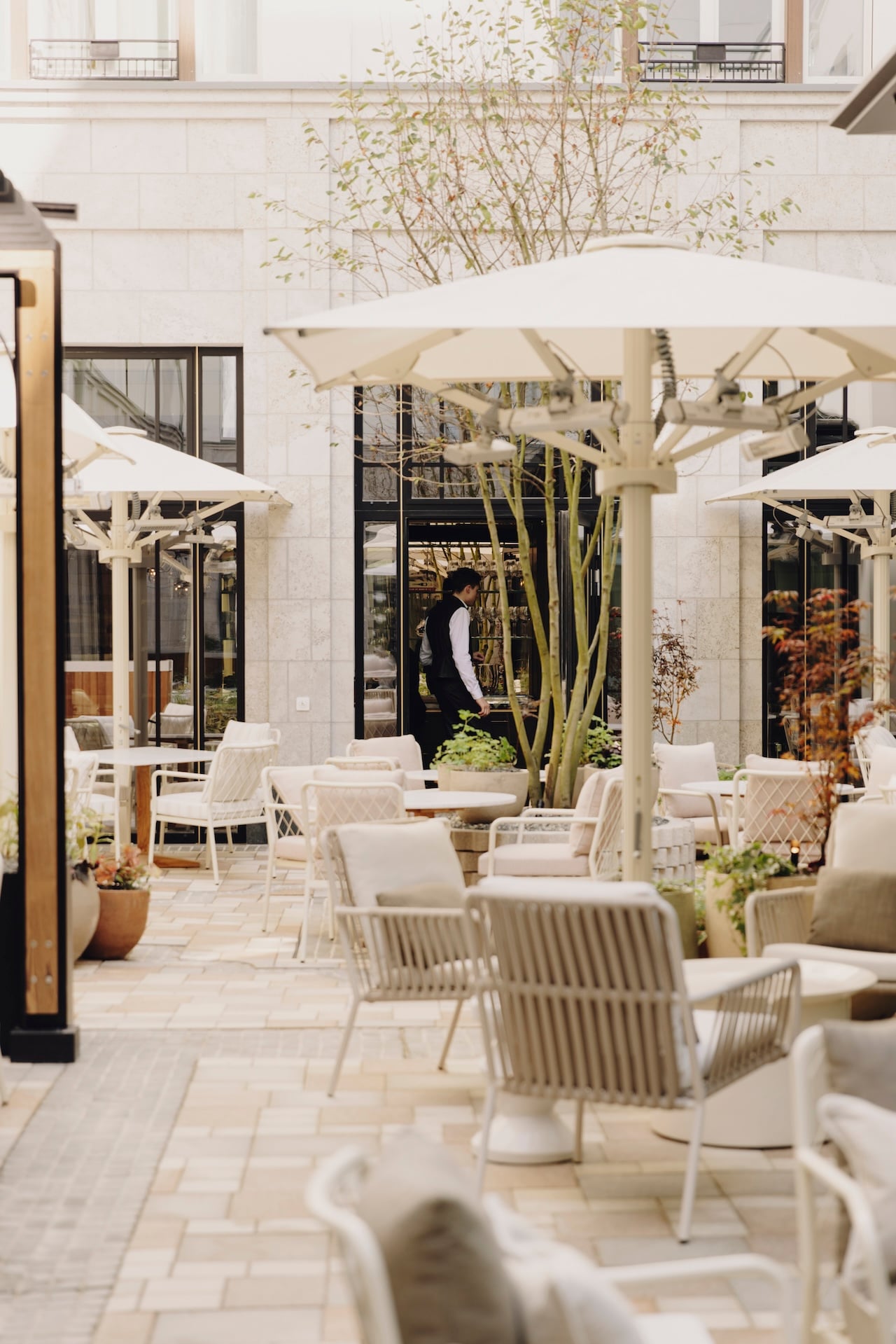
Inside, the building’s history reveals itself in subtle ways. The foyer is expansive yet warm, maintaining its architectural layout from when it was the Bavarian State Bank headquarters. Former banking vaults have been reimagined as intimate spaces — including a speakeasy with a penny-lined floor — small reminders of the building’s past life woven seamlessly into its present.
A Brothers Grimm–Inspired Festive Season

For Winter 2025–2026, Rosewood Munich introduces a brand-new festive concept inspired by the Brothers Grimm. The Brothers Grimm were 19th-century German folklorists whose collected fairy tales — drawn from oral European traditions — later inspired many classic Disney stories, though the original versions were often darker and more moralistic in tone.
Rather than overt theming, the hotel interprets these stories through a series of carefully designed experiences — moments that unfold naturally throughout the day and invite guests to engage as much or as little as they wish.
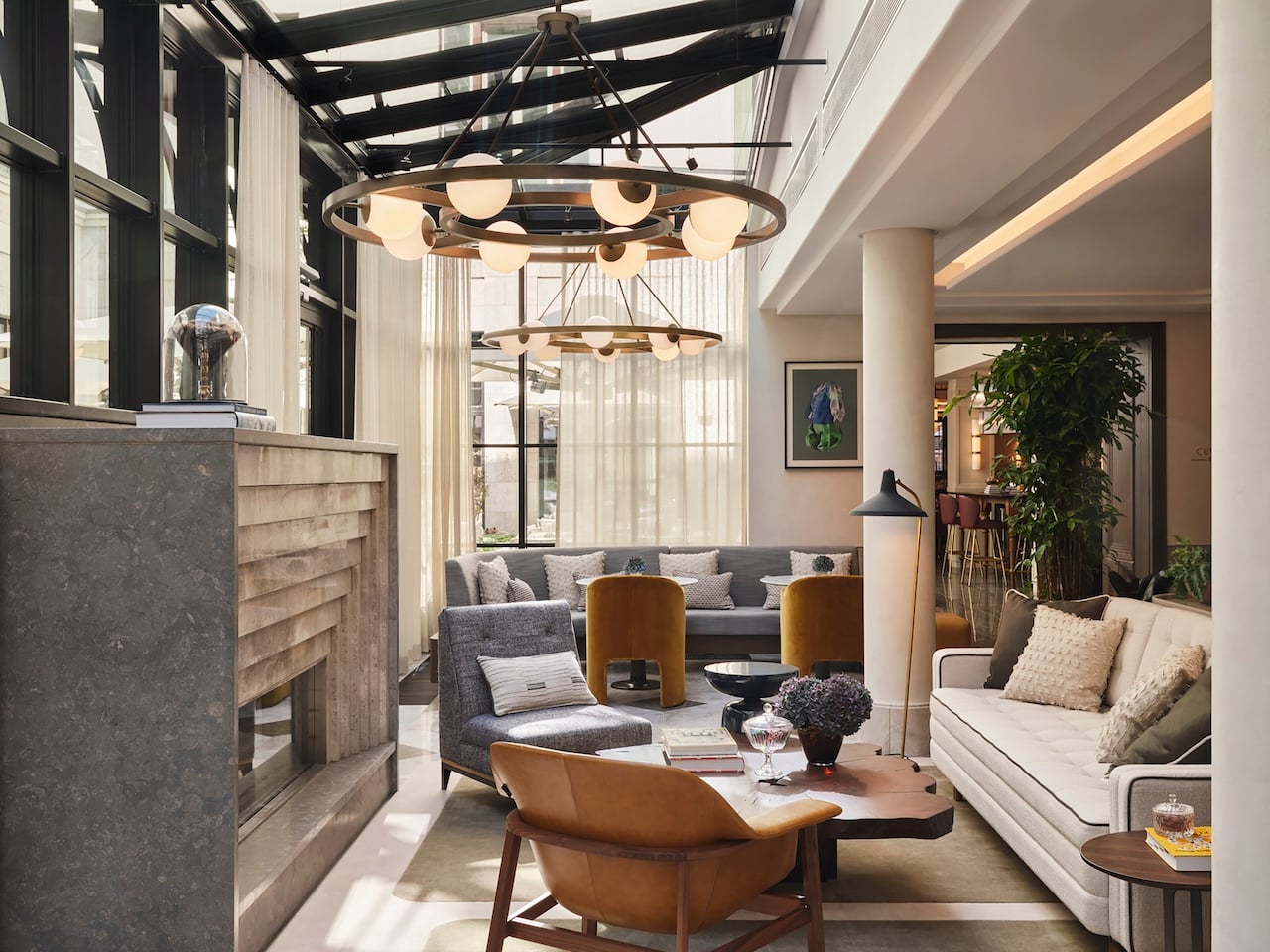
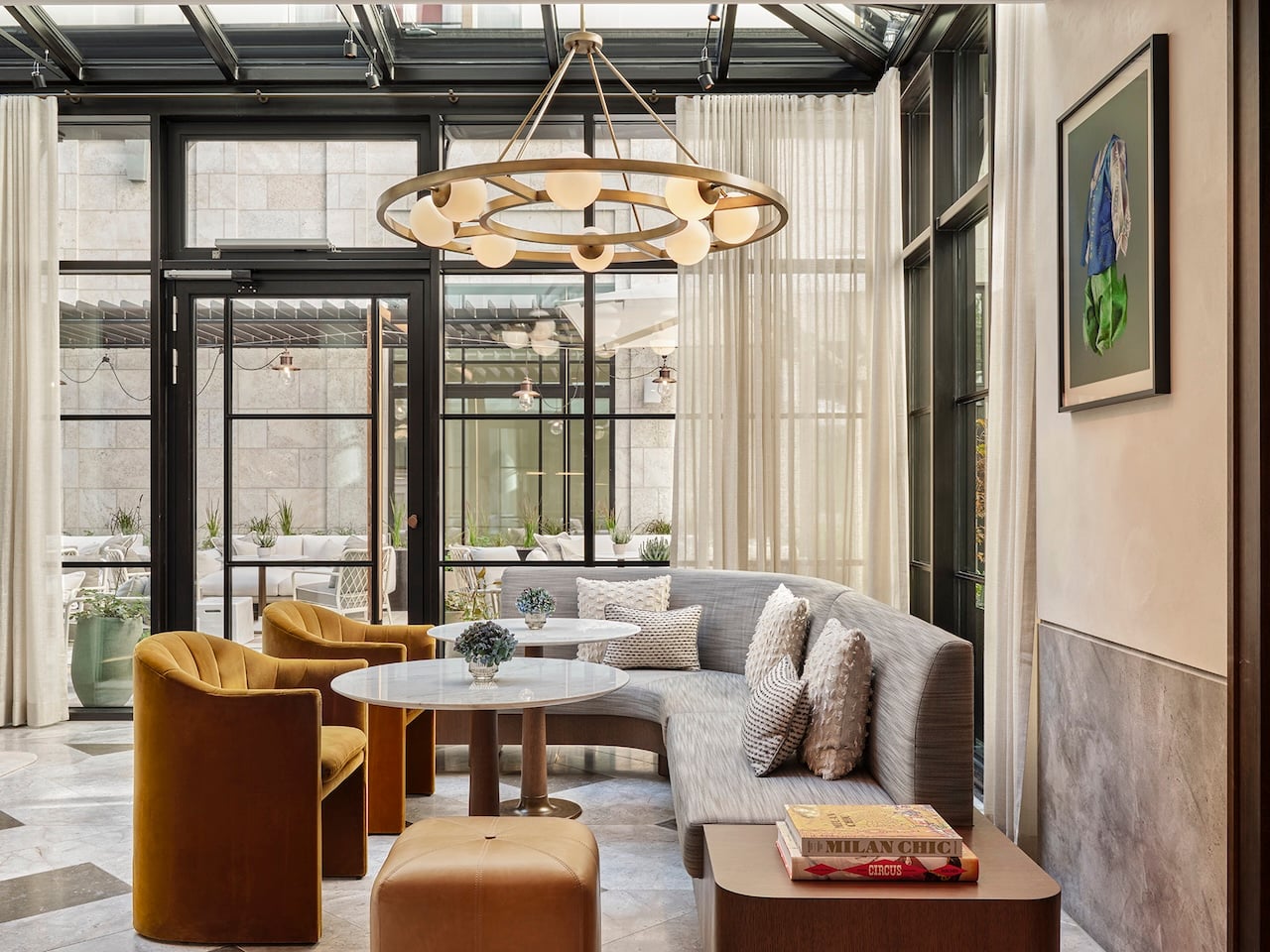
My first day at Rosewood, I made my way to the Wintergarten for the Snow White–inspired afternoon tea. I enjoyed carefully selected teas and pastries from their renowned pastry chef. The curation of indulgent bites and the explosion of flavors in each sweet treat easily made this my most noteworthy afternoon tea to date.
Meanwhile, outside the windows right in front of me, the first snowfall of the season began. It was unexpected and entirely perfect — the kind of quiet magic that makes winter travel worthwhile. The experience felt less like an event and more like a pause, an invitation to ease into the season.
Restoration at Asaya Spa
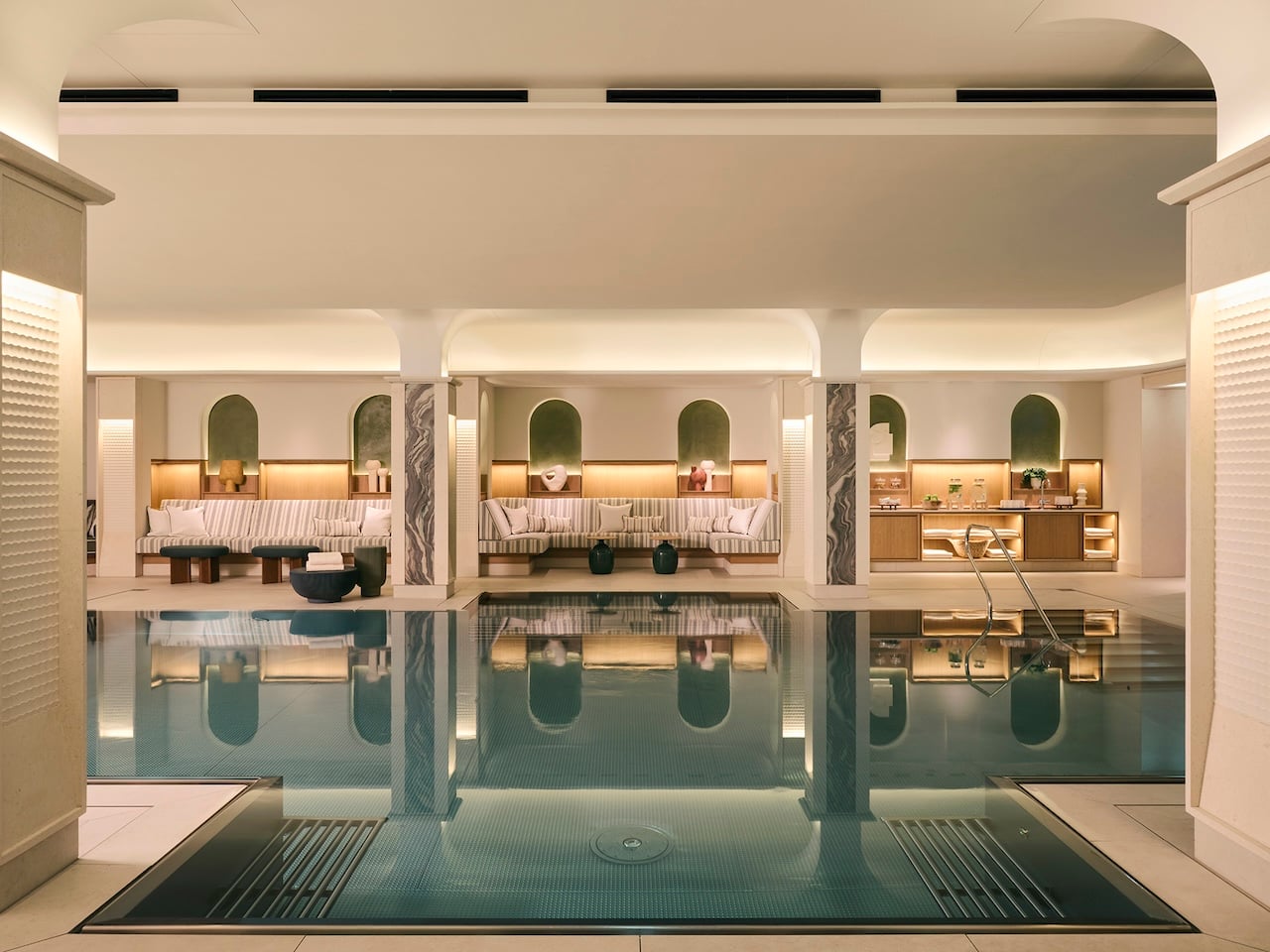
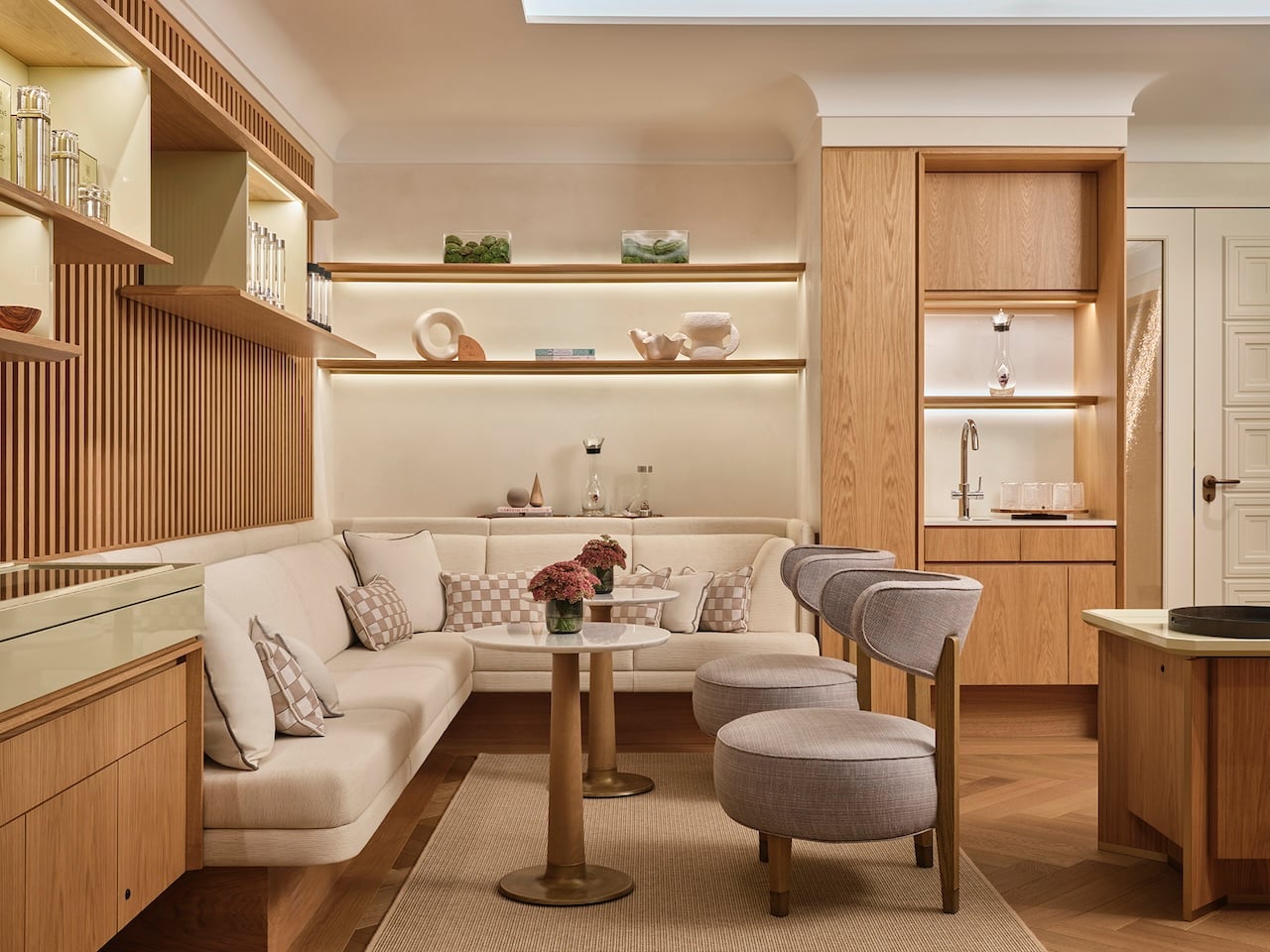
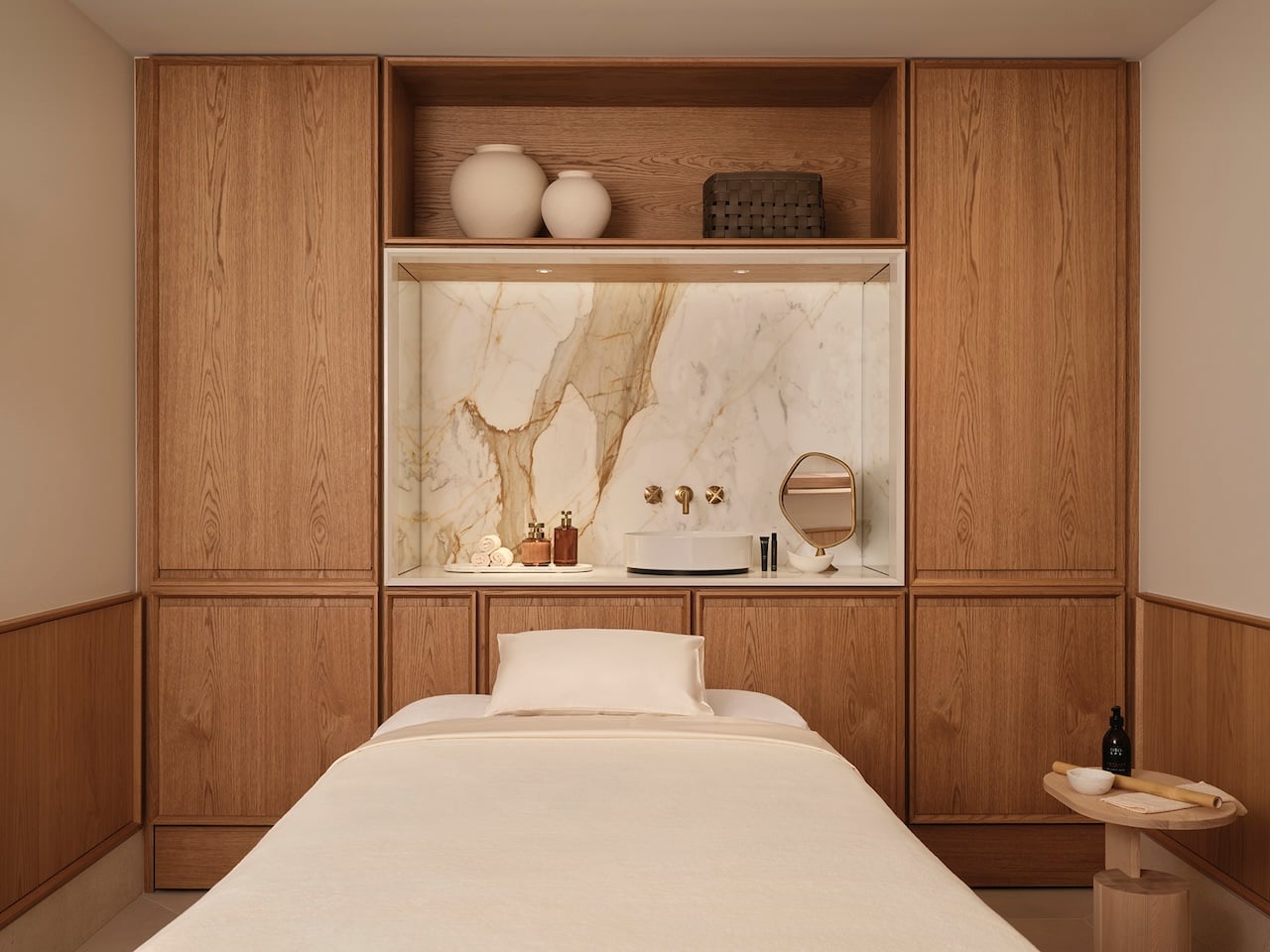
That sense of restoration carried into my visit to Asaya Spa, Rosewood’s integrative wellness concept and the brand’s first spa in Germany. Spanning two floors, the spa includes an indoor pool, saunas, steam rooms, and serene treatment suites designed to counterbalance winter travel.
I experienced the Cinderella-inspired Extreme Rejuvenation Facial by EviDenS de Beauté — a deeply pampering treatment that left my skin visibly refreshed and my energy restored. After many travel days and time spent outside walking through cold air and cobblestone streets, the spa felt not indulgent, but essential. My facial put me into a trance-like state of serenity that left me feeling truly rejuvenated, with my skin glowing under the twinkling lights, just like a real-life princess.
The Suites: Designed for Winter Living
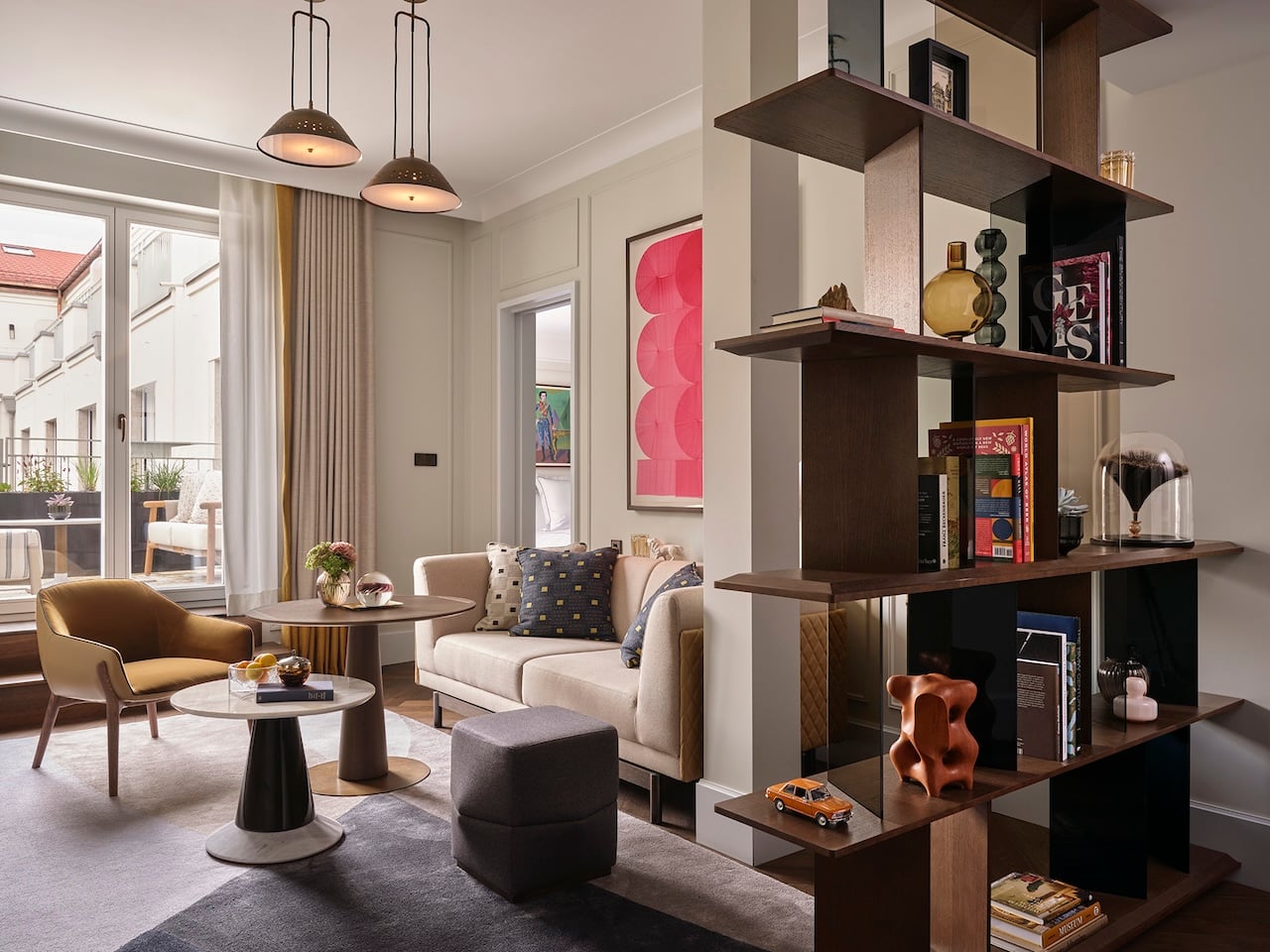
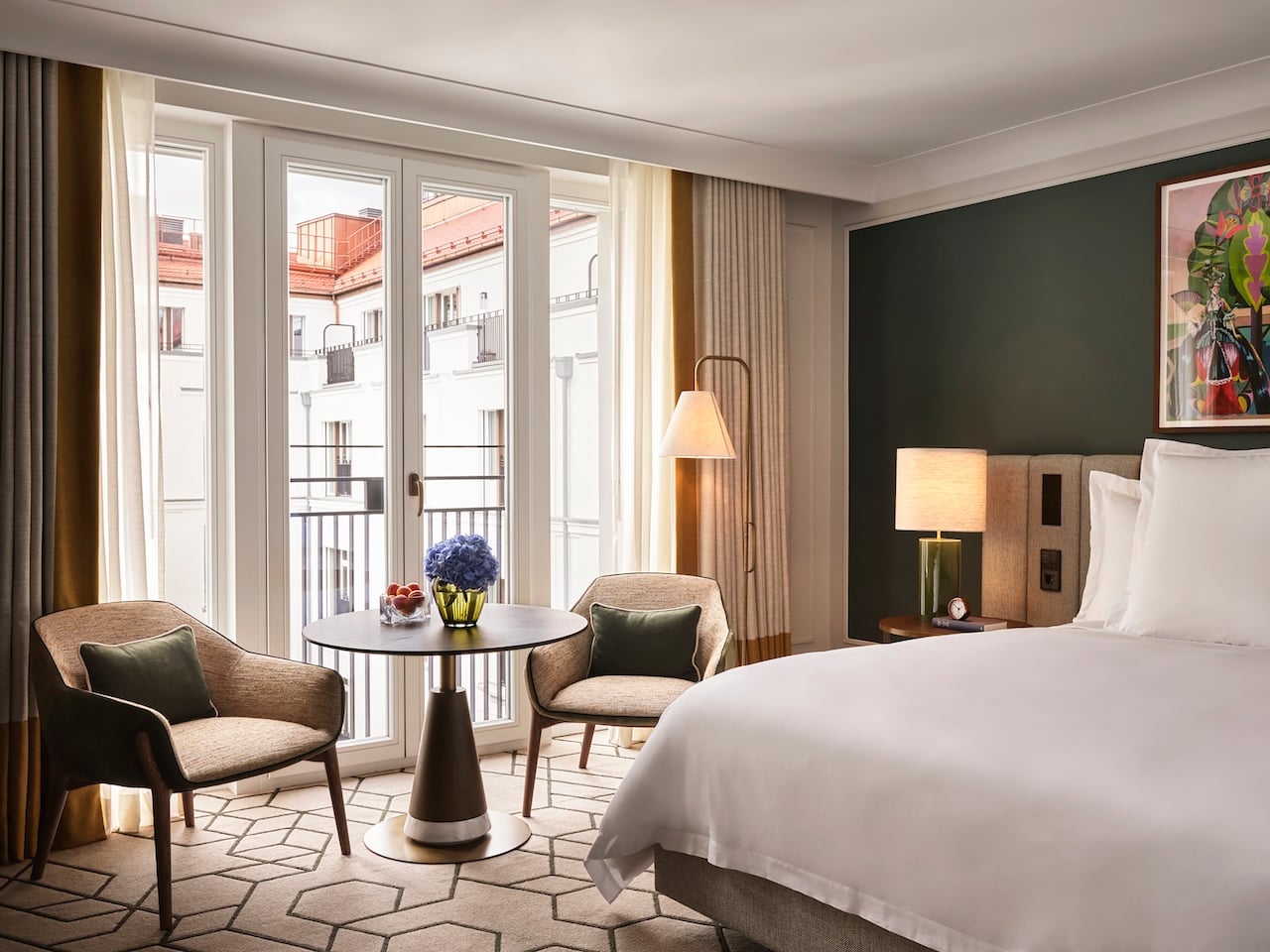
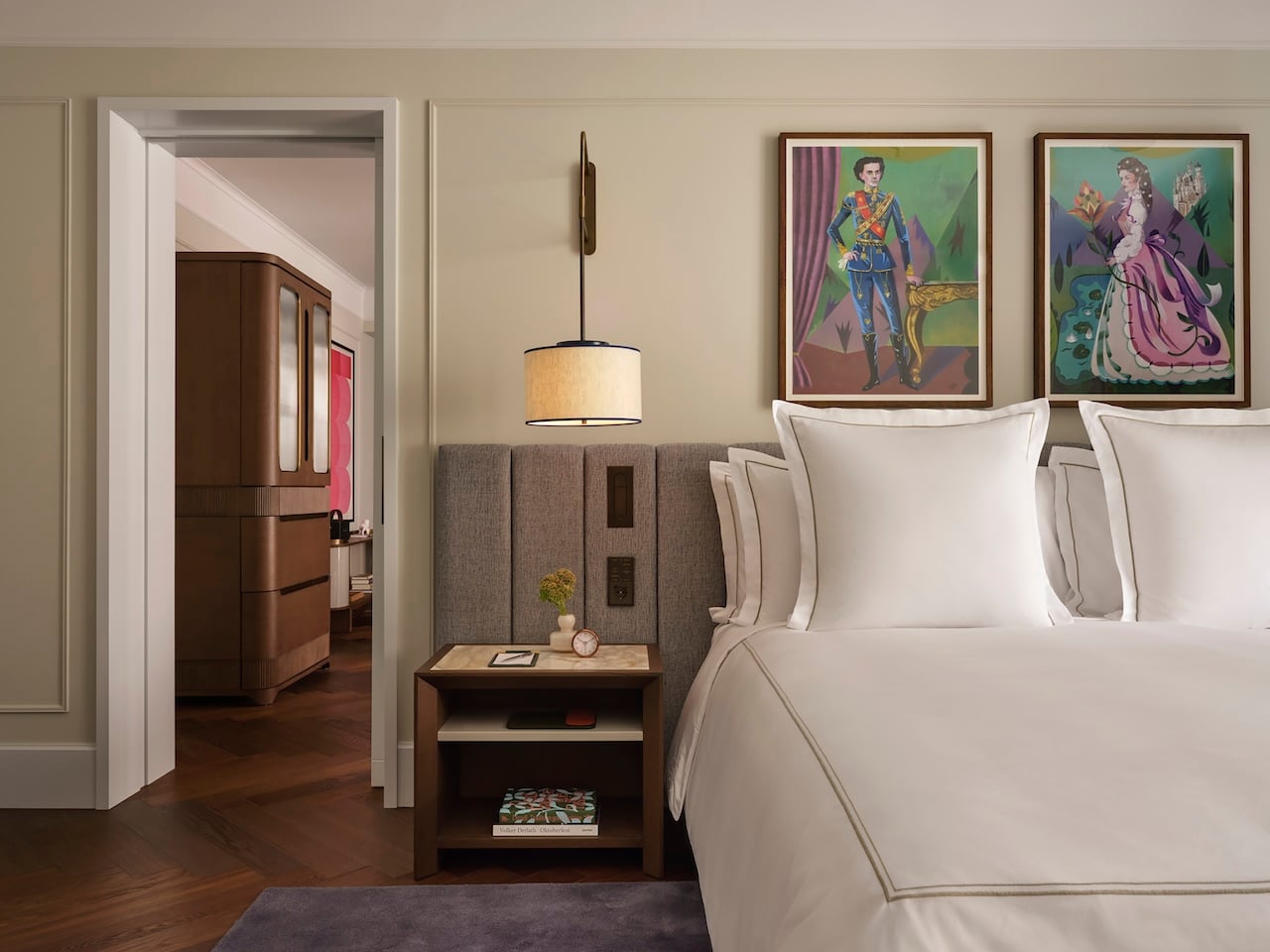
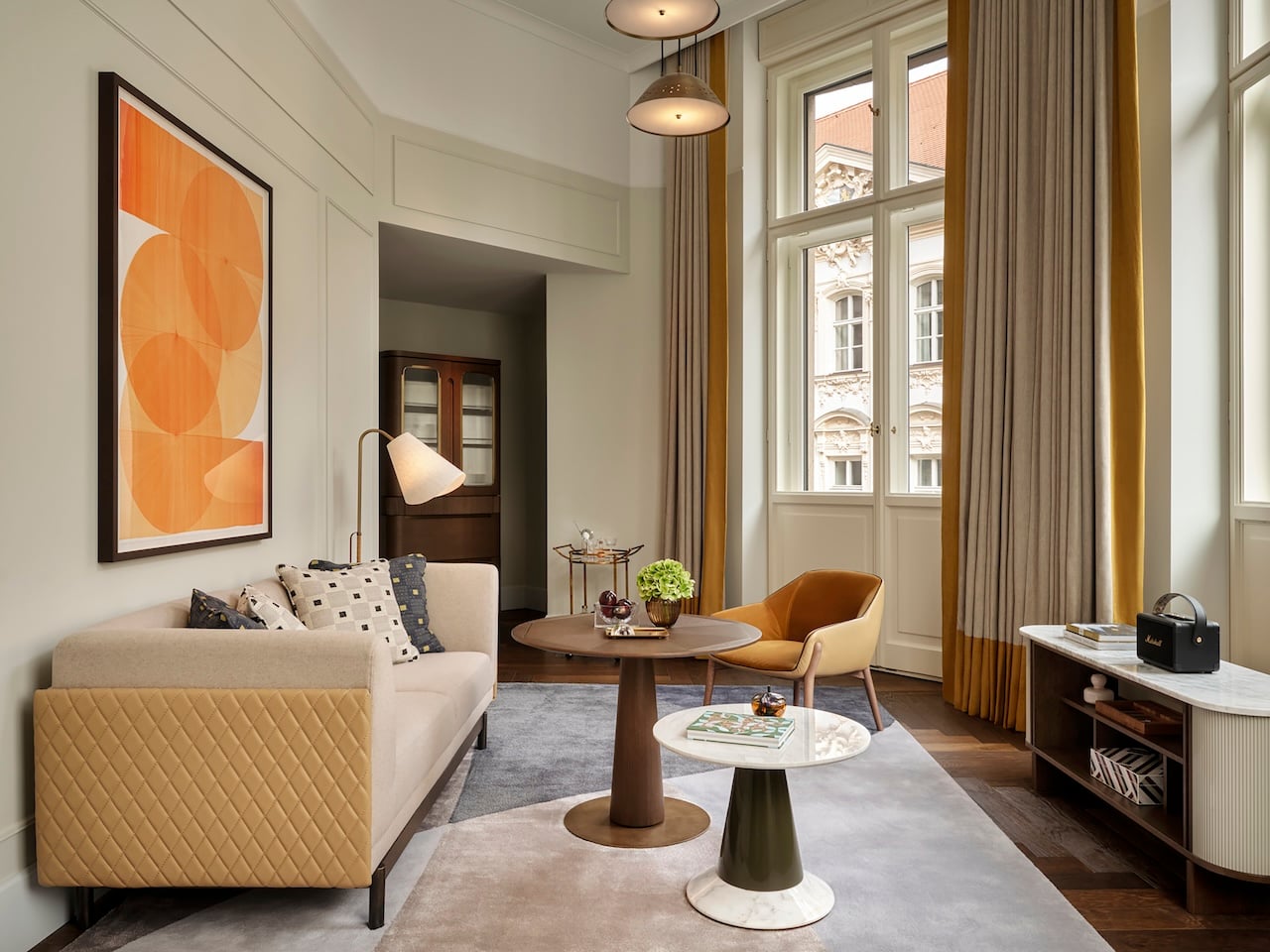
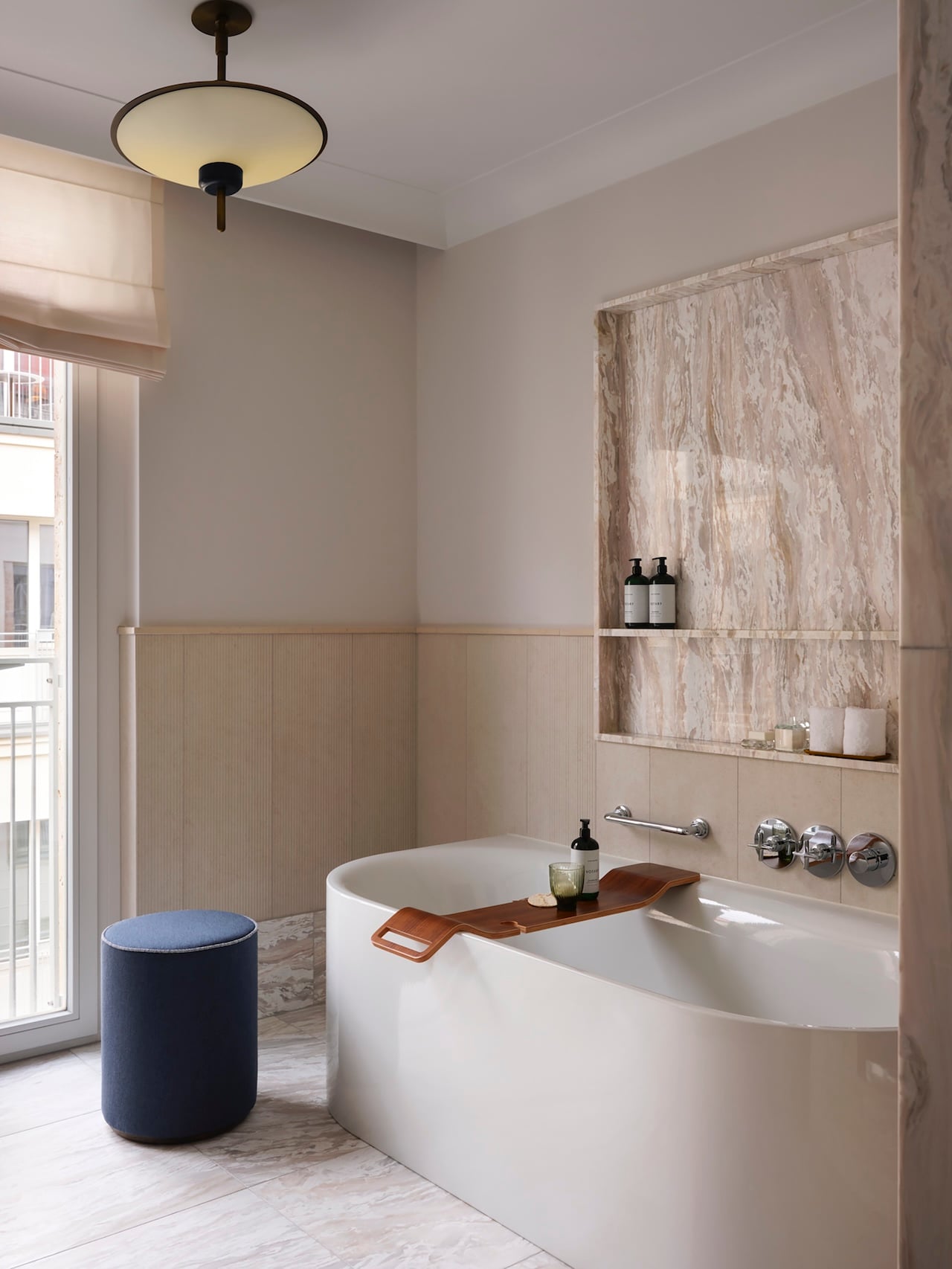
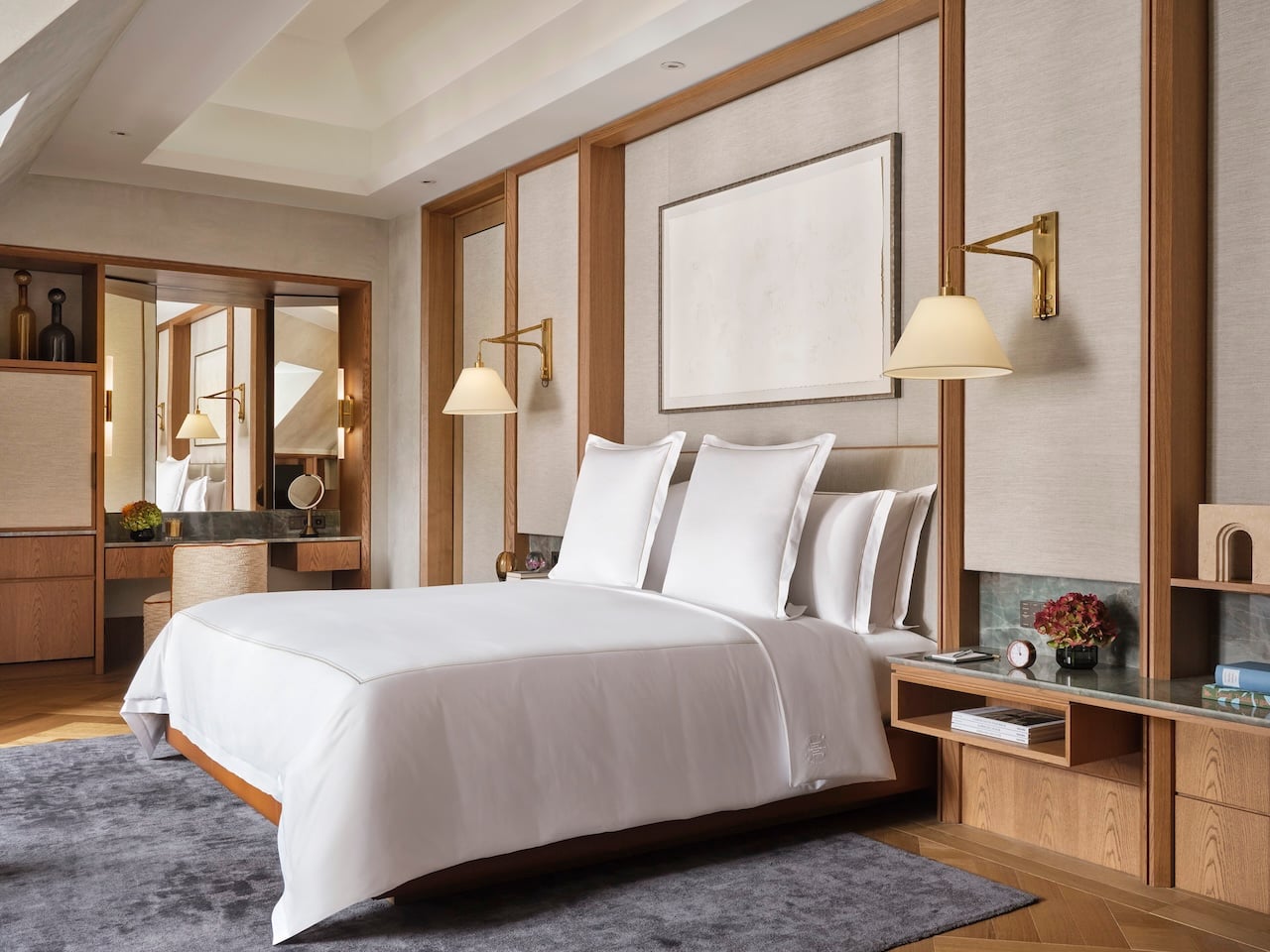
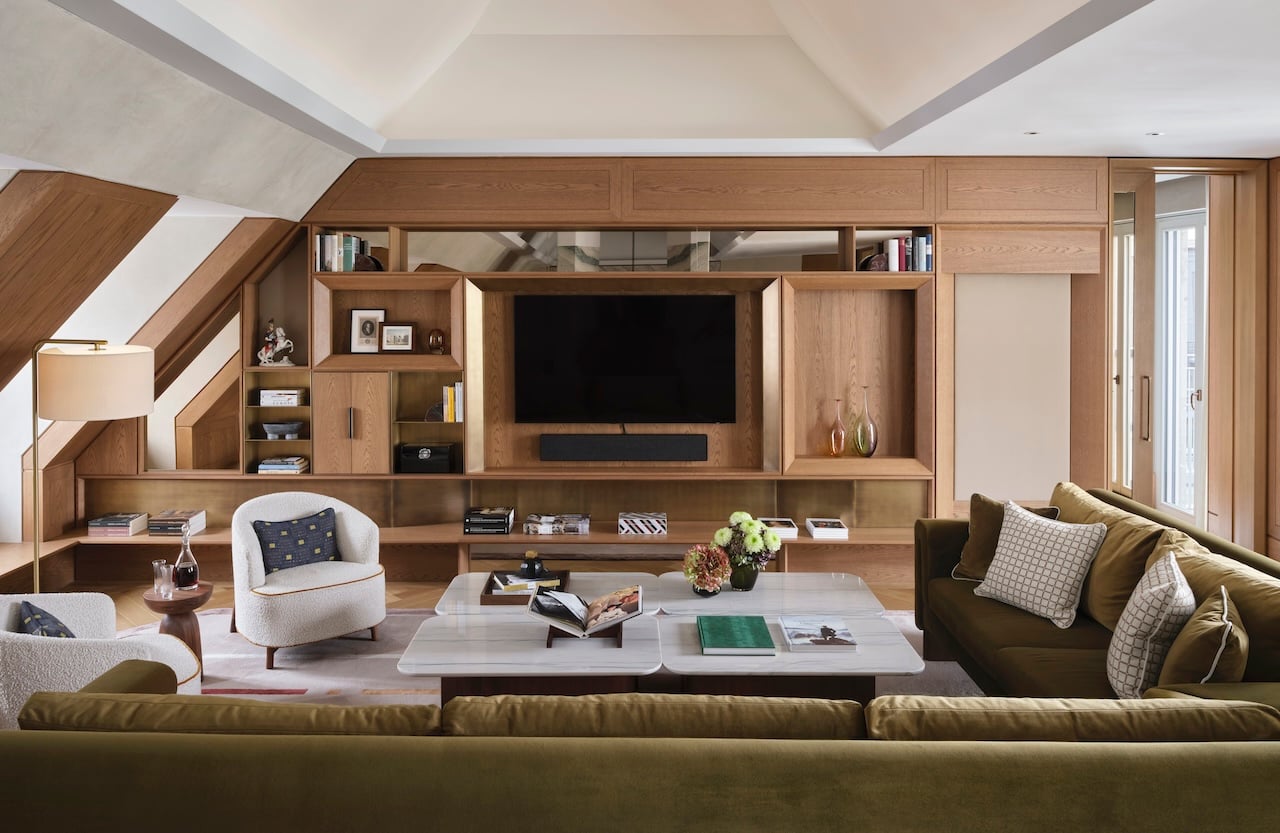
One detail stood out early on at Rosewood Munich: no two rooms share the same layout, lending the stay a sense of individuality rather than uniform luxury.
My suite overlooked a quiet interior courtyard, where the sounds of the city softened into a near hush. Floor-to-ceiling windows filtered the pale winter light throughout the afternoon, illuminating a generously sized living room, a separate bedroom, and a marble-clad bathroom with a deep soaking tub and walk-in shower. The rooms at Rosewood Munich are layered with artwork depicting Bavarian royalty and folklore, its colors offering a gentle counterpoint to the winter light outside. The hotel in whole felt designed for winter travel — room to unpack, to linger, to settle in.
Even the minibar reflected a thoughtful sense of place: traditional beer mugs accompanied by a note inviting guests to enjoy Munich’s beer culture with a locally brewed Paulaner Nockherberg, described simply as “a Bavarian moment full of flavor.” It was a small gesture, but one that captured Rosewood Munich’s approach to hospitality — grounded, intentional, and quietly confident.
Evenings at Bar Montez: Jazz, Cocktails, and Artistic Atmosphere
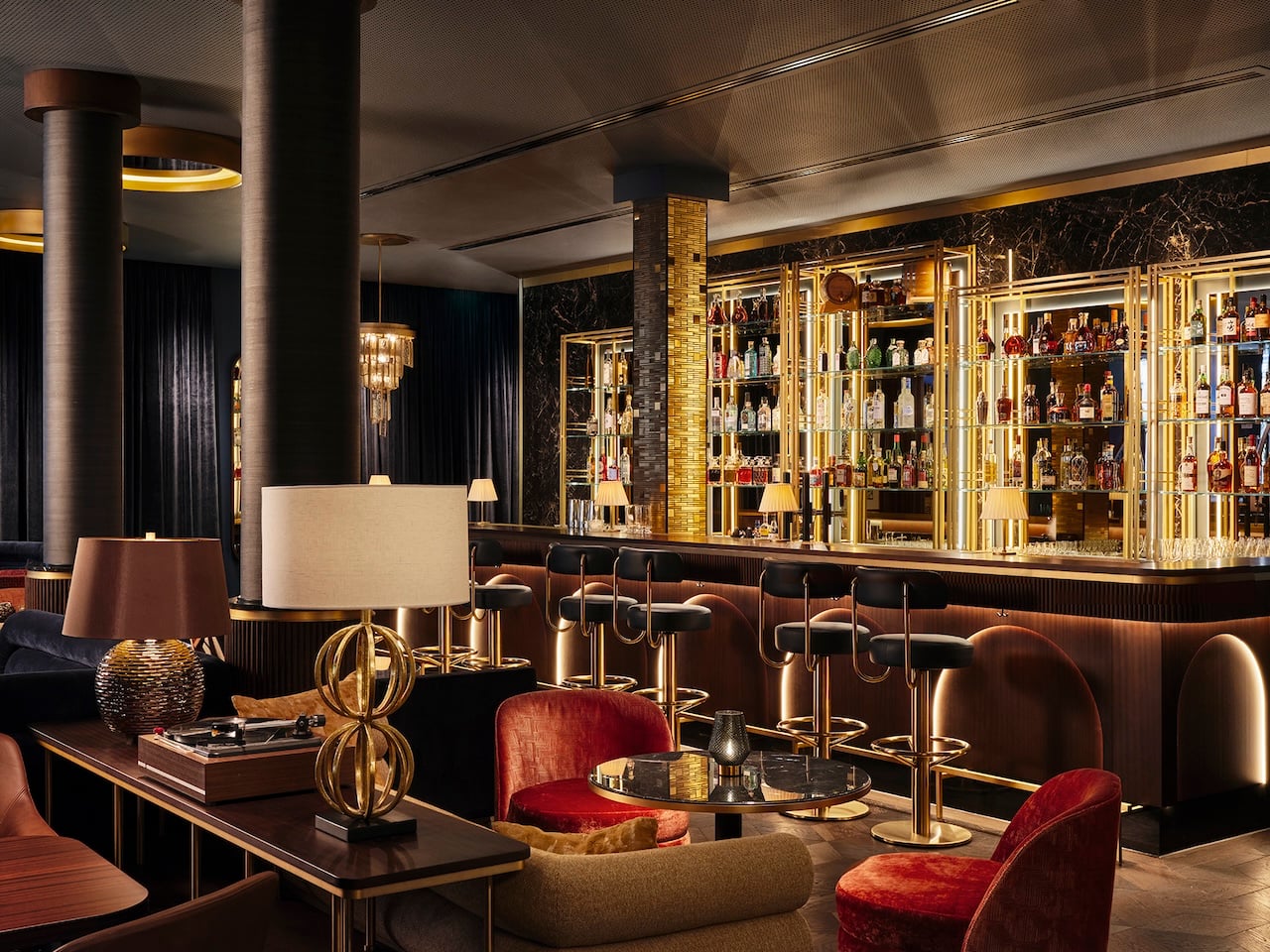
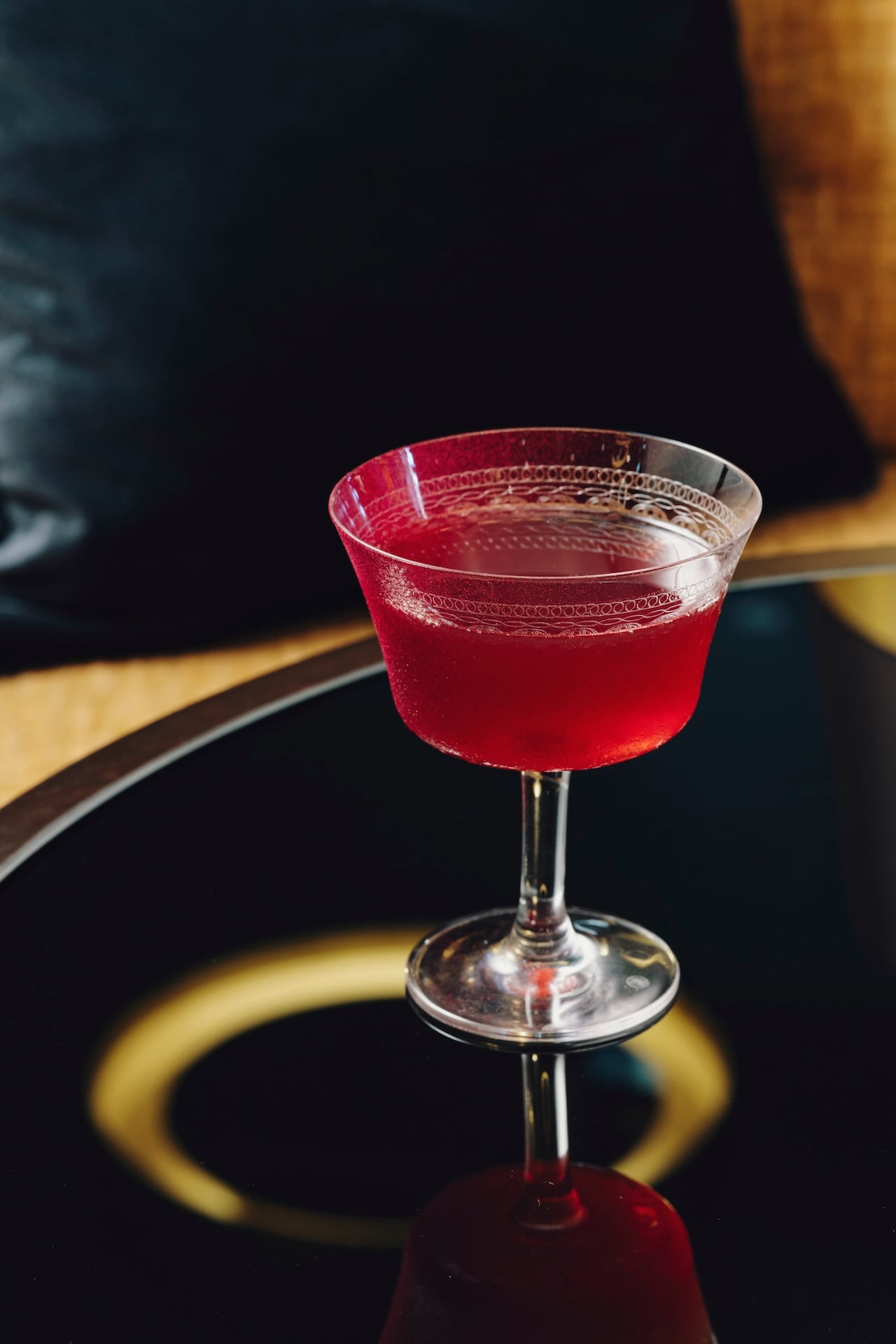
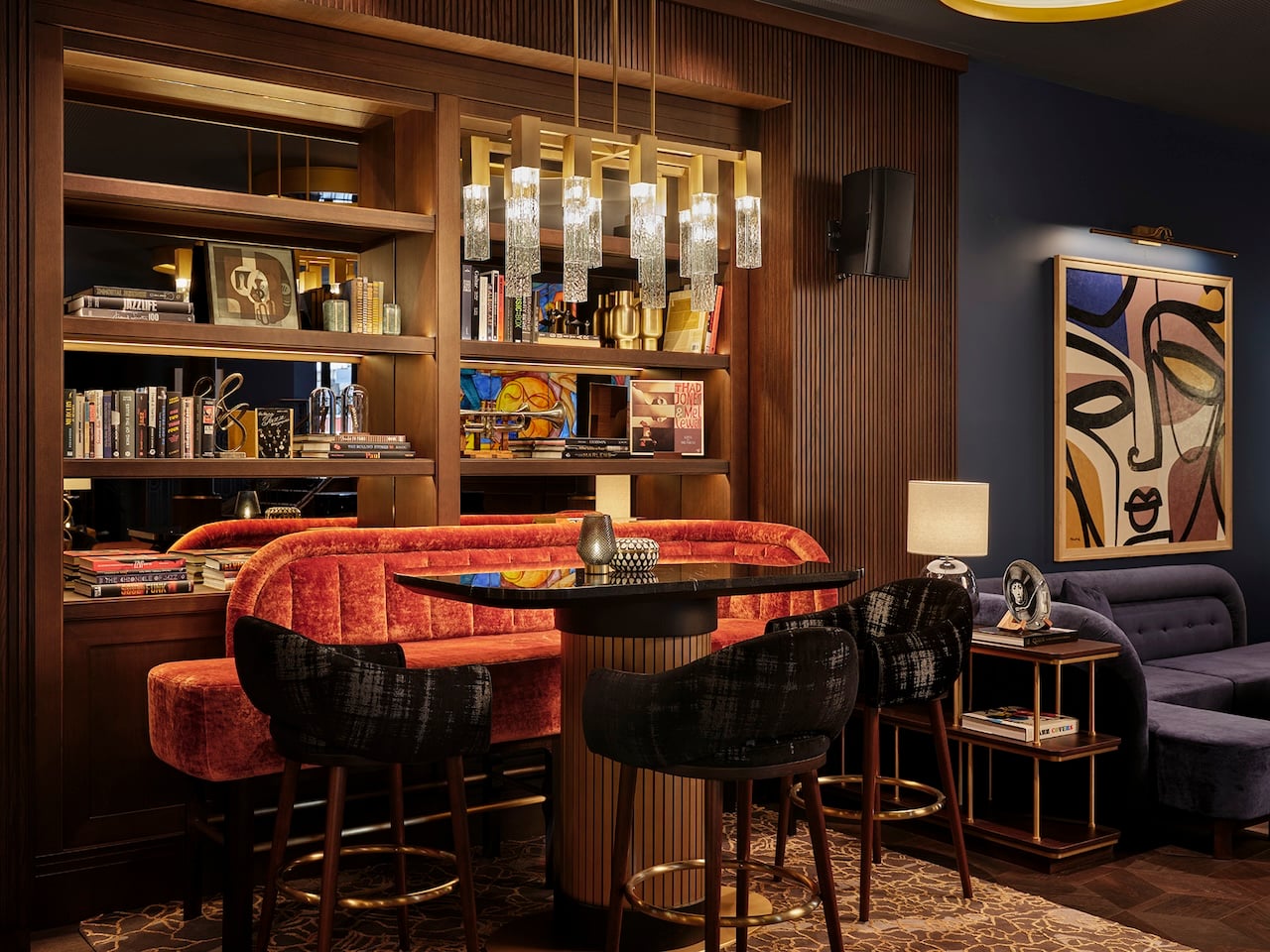
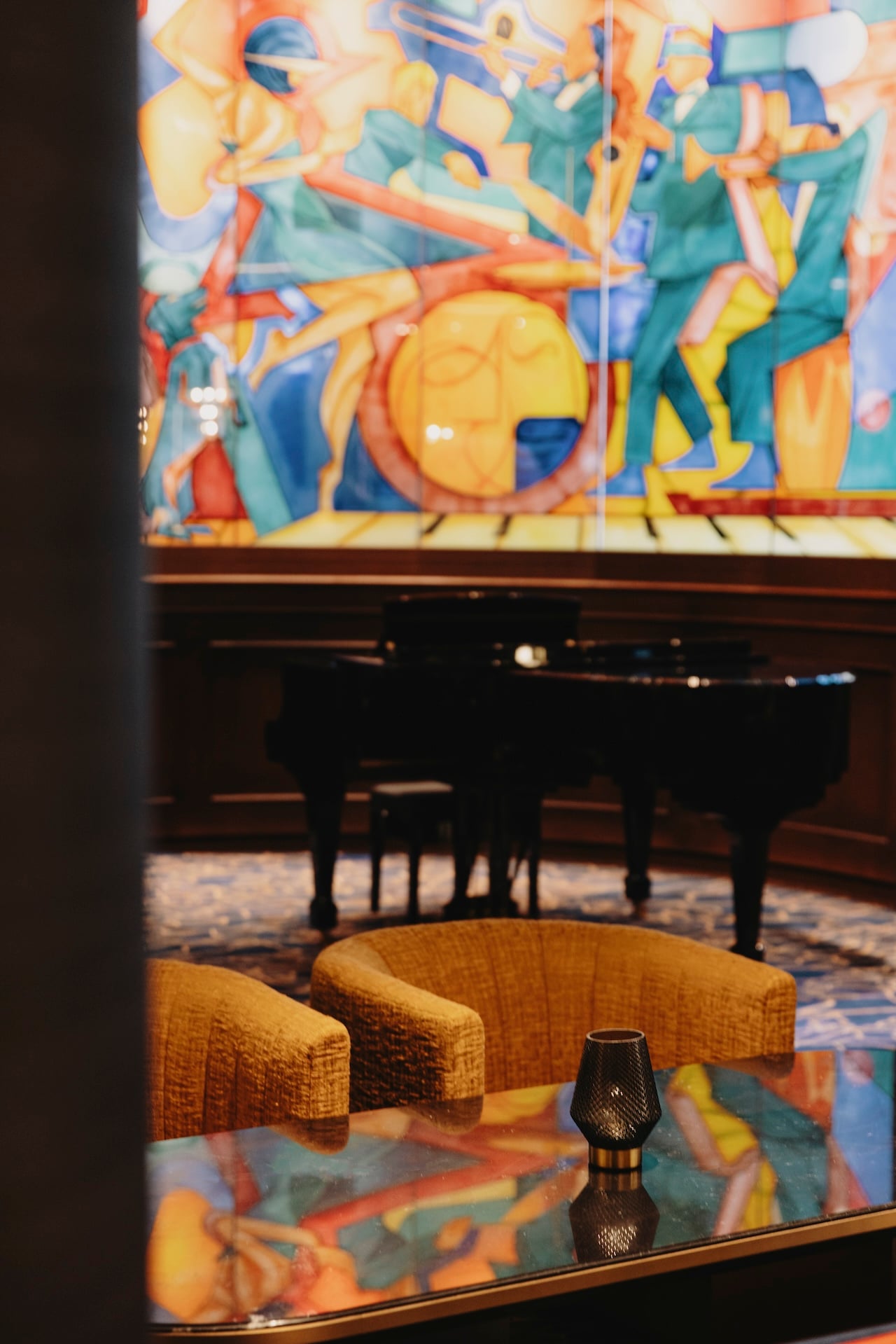
As evening settled in, the hotel gently shifted gears. At Bar Montez, live jazz filled the space, lending the room a steady, low-lit energy that encouraged lingering. During this festive season, the property has created a specific Christmas cocktail to layer upon the Brothers Grimm offering: The Lady Termaine, inspired by Cinderella’s stepmother.
Built with Rémy Martin VSOP, PX Sherry, rose verjus, and house-made pumpkin spice syrup, the cocktail was served without garnish in a Nick & Nora glass, allowing its aroma and structure to take center stage. Rather than portraying the character as cold or severe, the drink offered a more nuanced interpretation — warm, complex, and quietly elegant.
Dining at Brasserie Cuvilliés
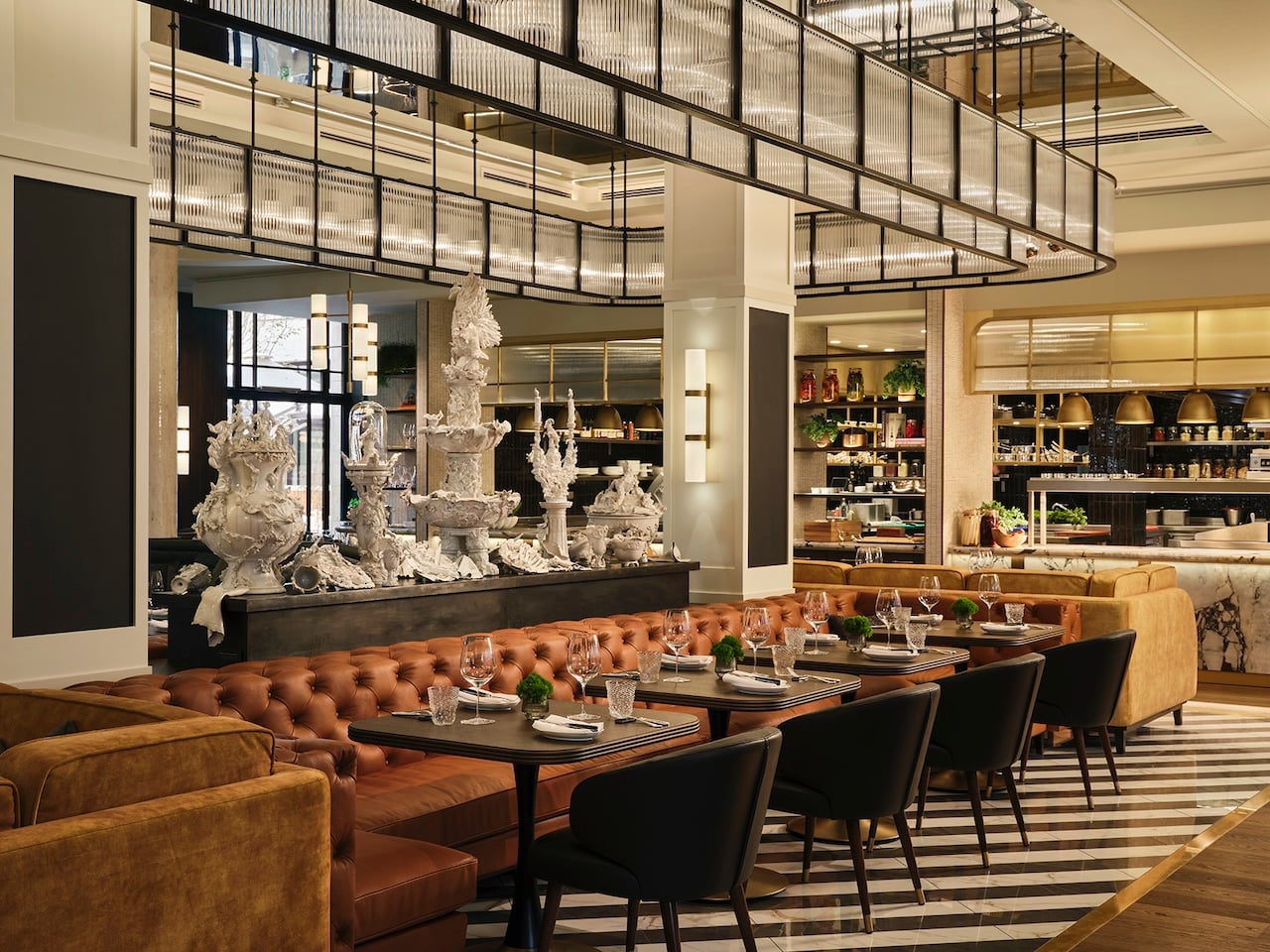
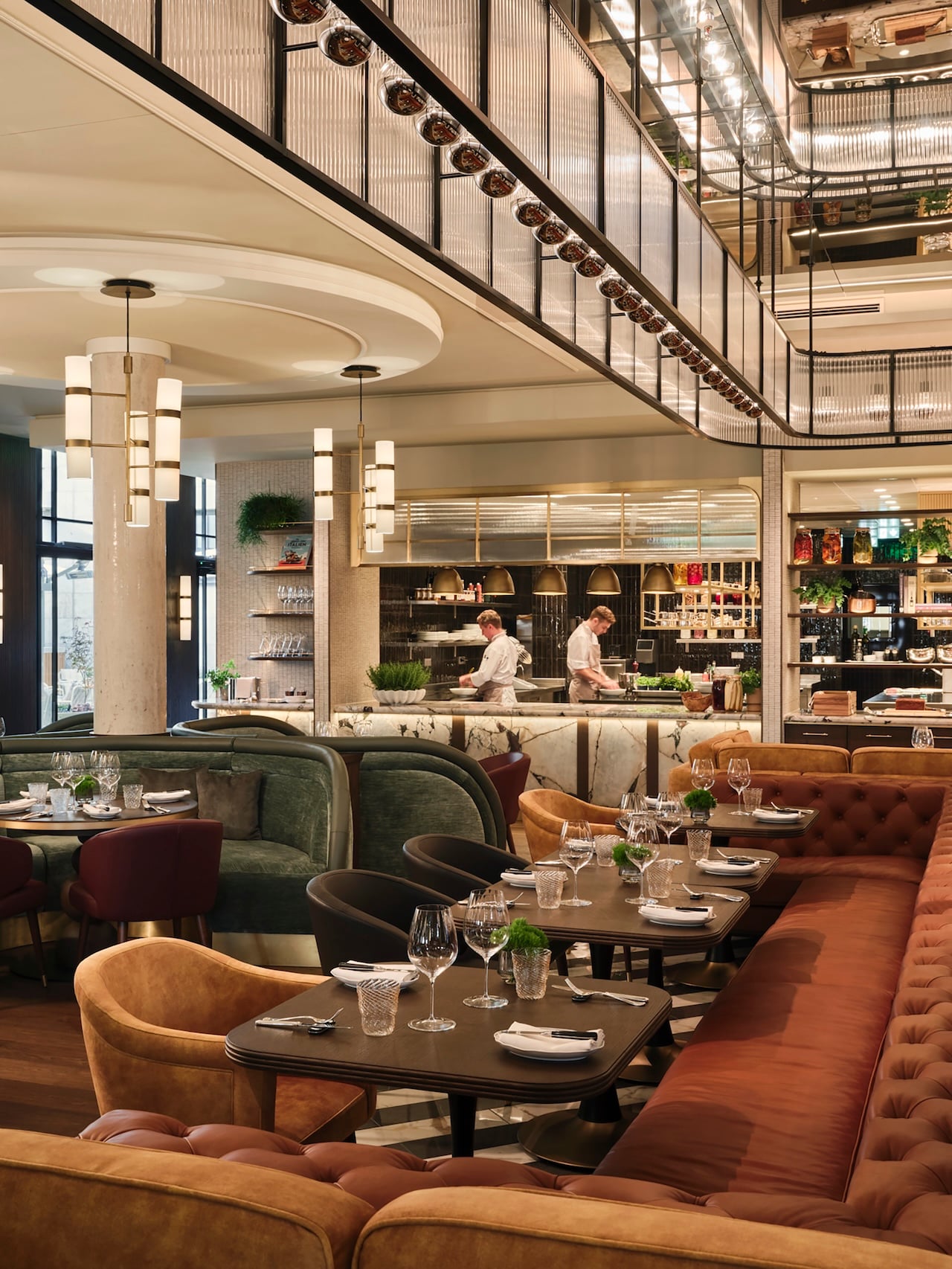
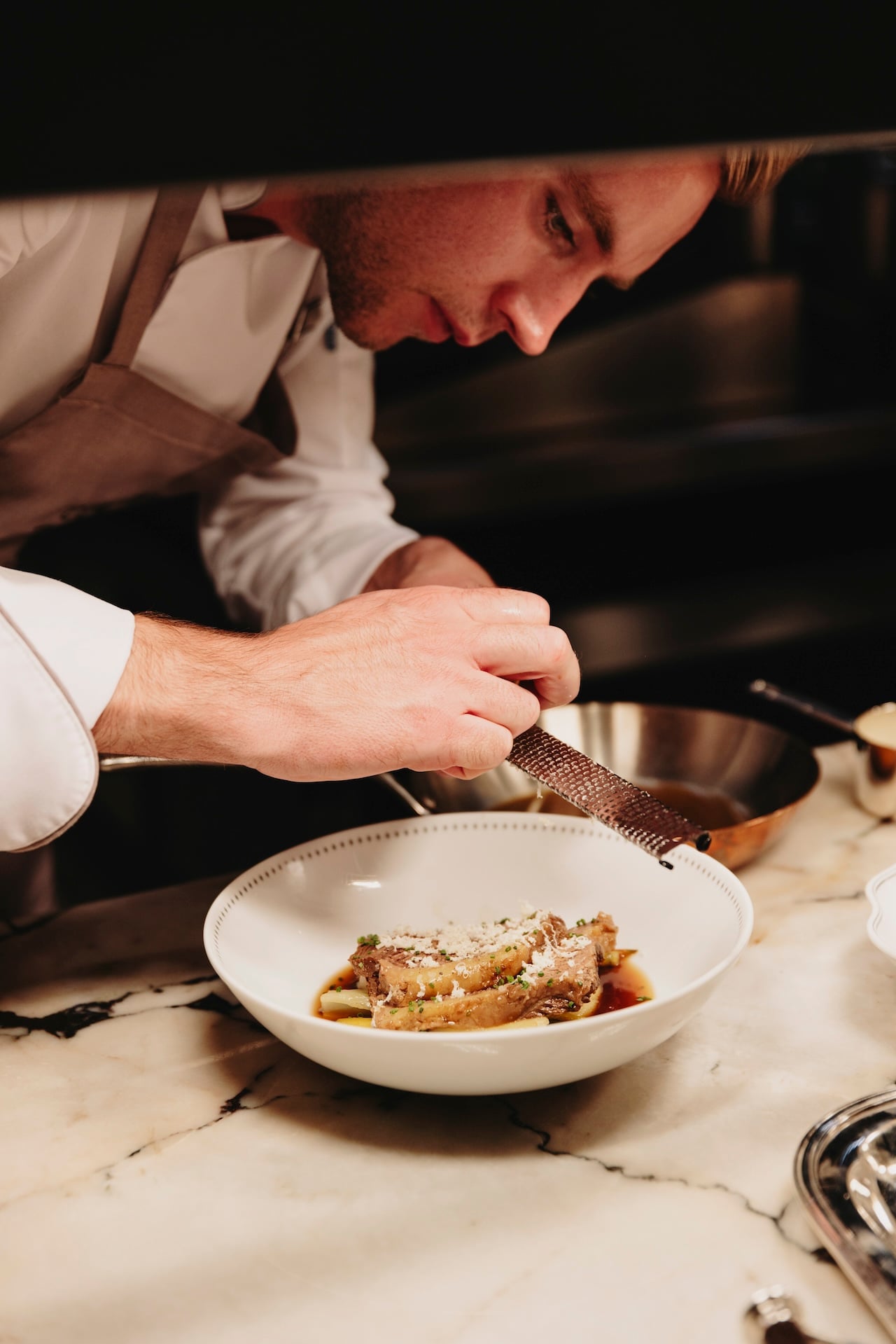
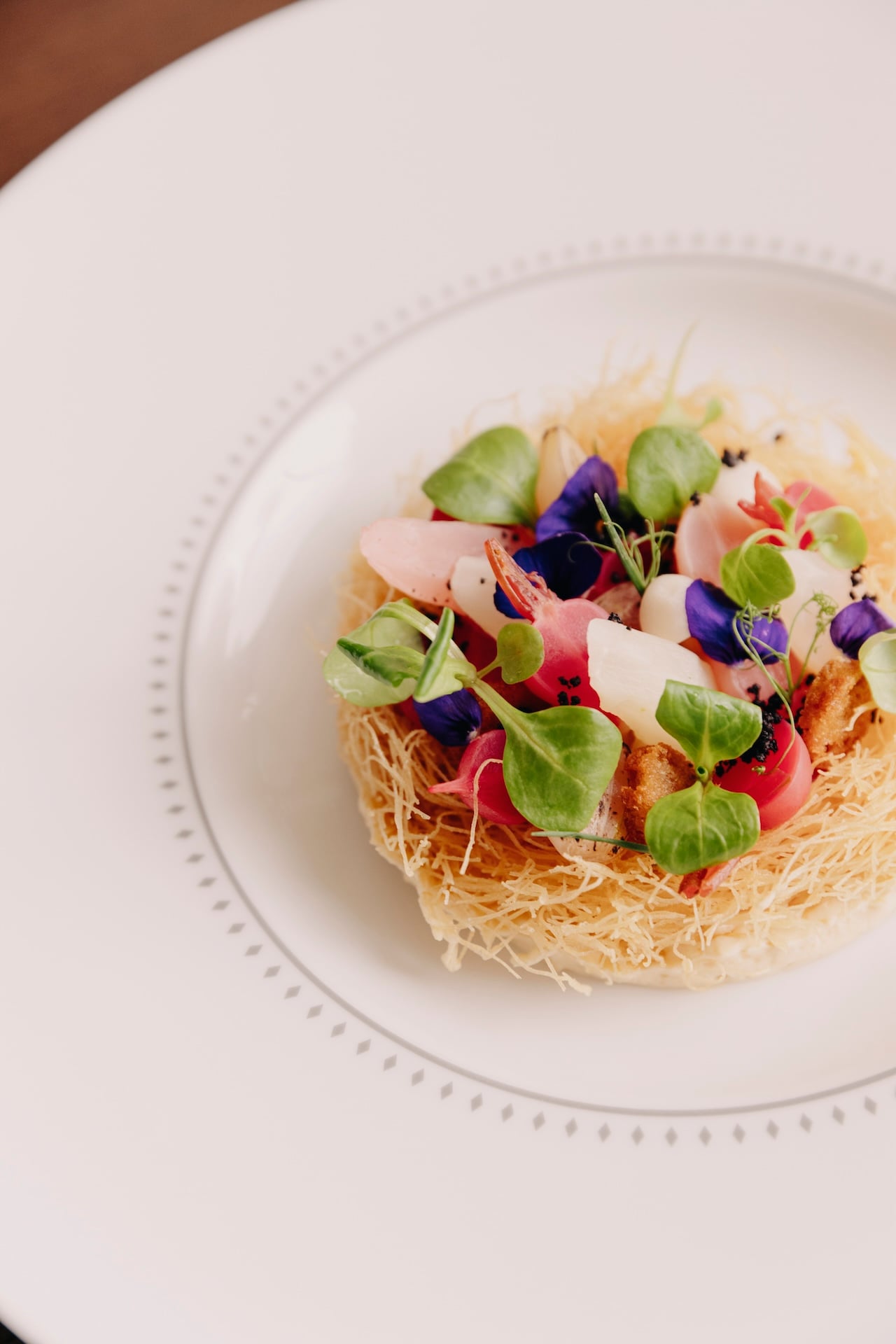
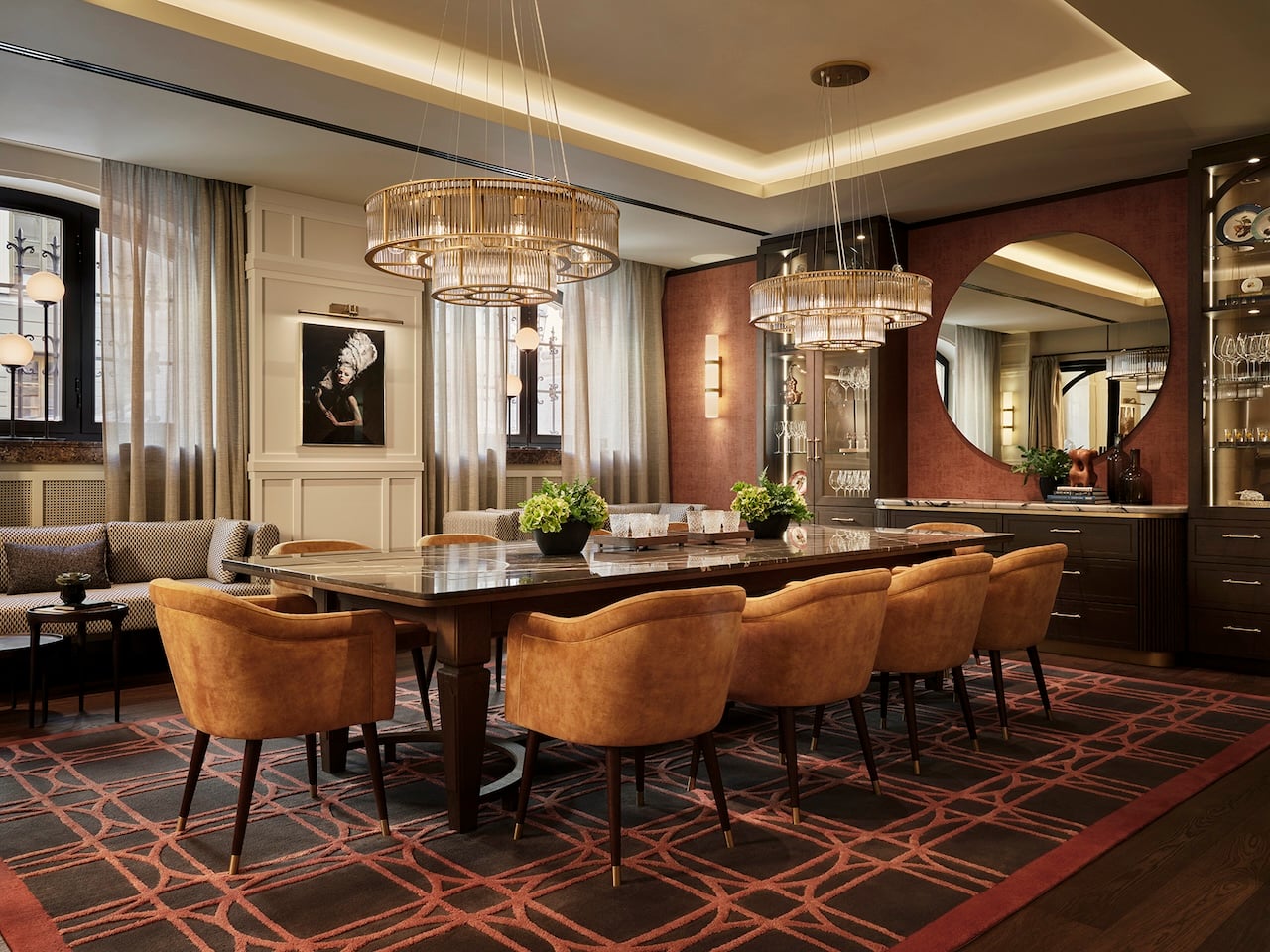
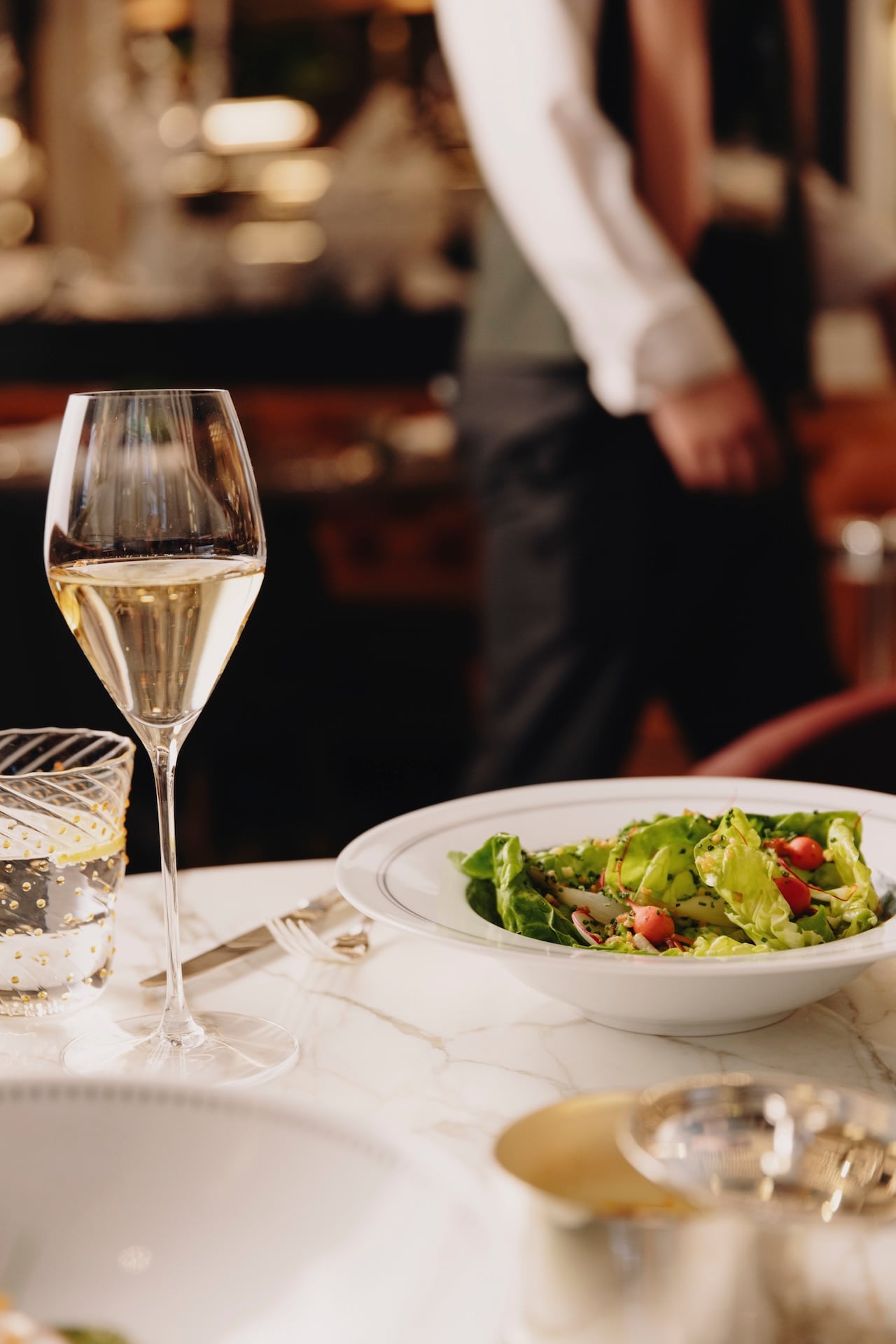
Dinner follows at Brasserie Cuvilliés, where I experienced the Chef’s Table dining experience, seated at a back bar overlooking the kitchen. Watching the chefs work added an intimate rhythm to the evening, each course arriving with ease rather than performance. It’s the type of experience that makes you want to linger long after the meal ends.
The menu at Brasserie Cuvilliés balances modern technique with Bavarian tradition. The braised lamb shank stood out as a highlight — deeply comforting, rich without being heavy, and perfectly suited to a winter night. Each course, from the bread and chive butter to the apple strudel dessert, lit up my taste buds with surprise and delight, perfectly paired alongside local wines and German digestifs.
The Brasserie Cuvilliés dining room also serves the hotel guests their daily breakfast. Mornings at Rosewood Munich unfold slowly, inviting both early risers and those content to linger. The buffet brought an array of beautiful pastries, and the à la carte menu served what may be the fluffiest egg-white omelet I’ve ever indulged in (a must-try, if you ask me) — offering a breakfast spread truly fit for a king or queen.
The cuisine at Rosewood Munich exceeded all expectations — and adds to the allure of staying at this winter haven.
Exploring Munich’s Christmas Markets
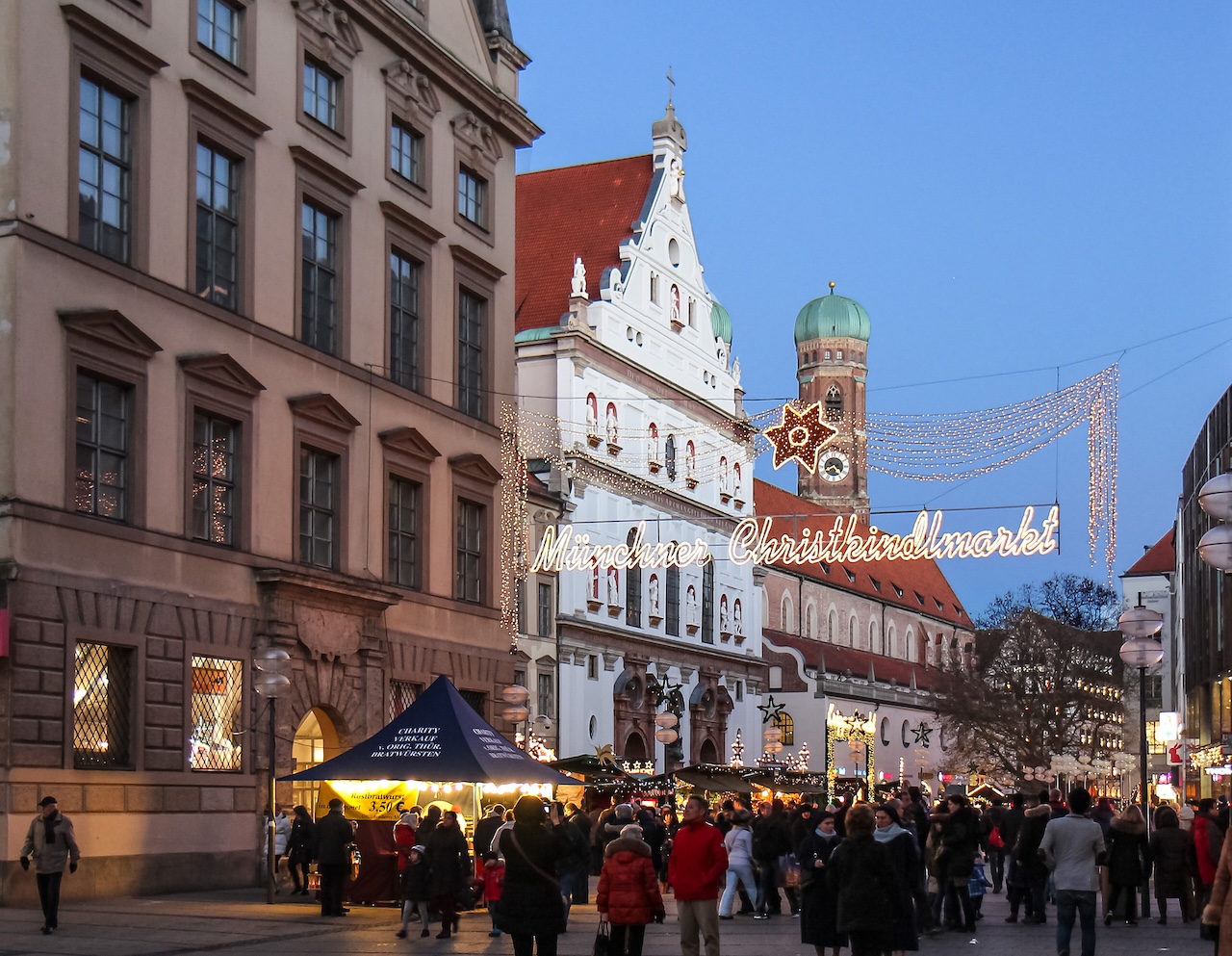
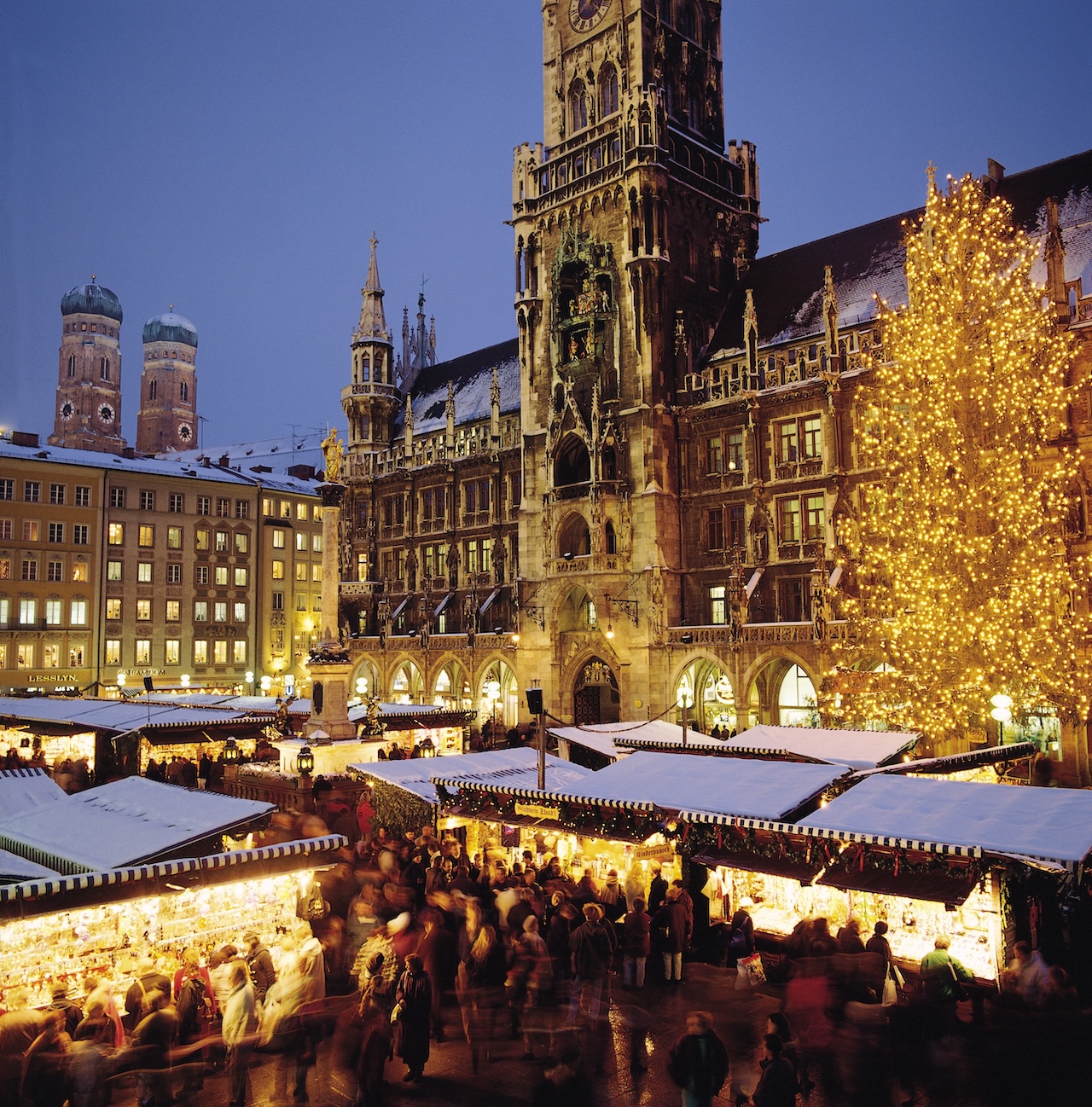
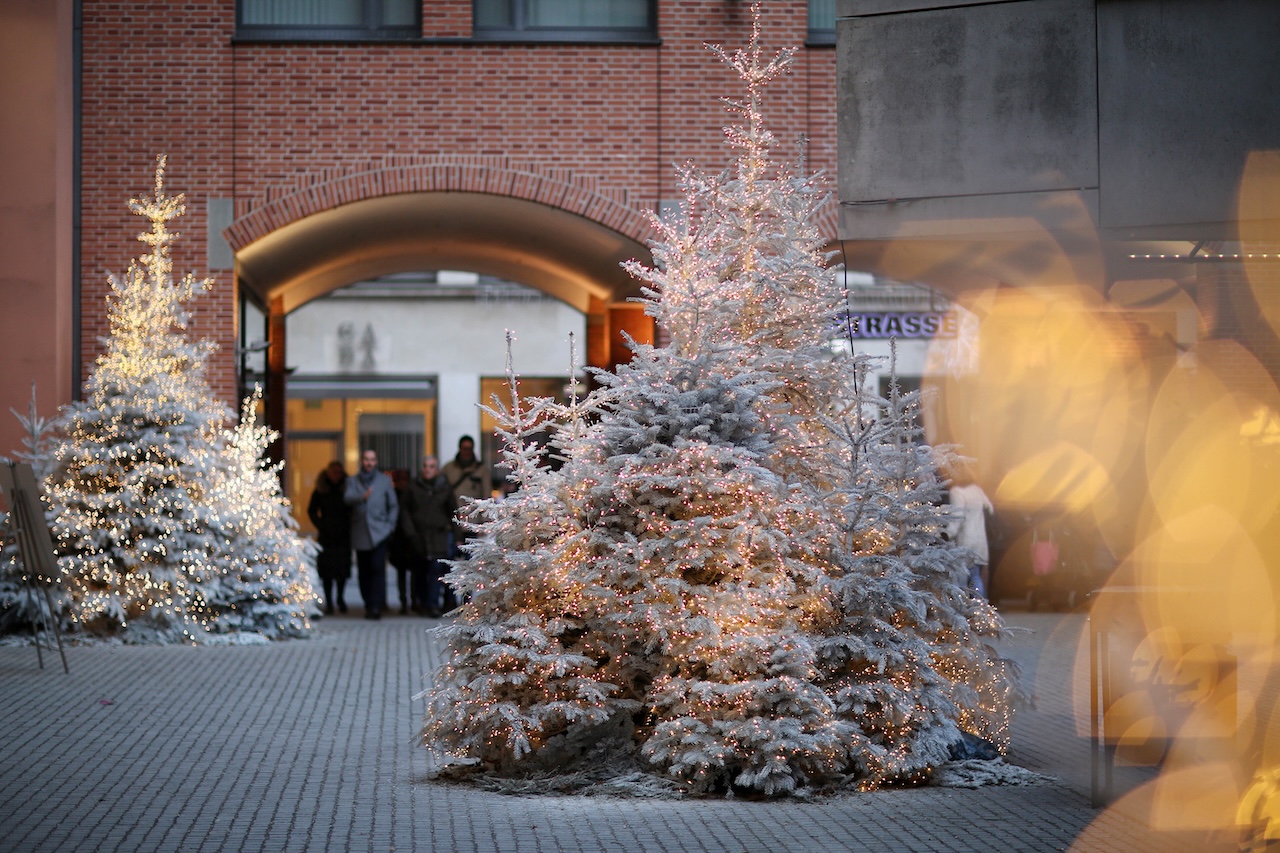
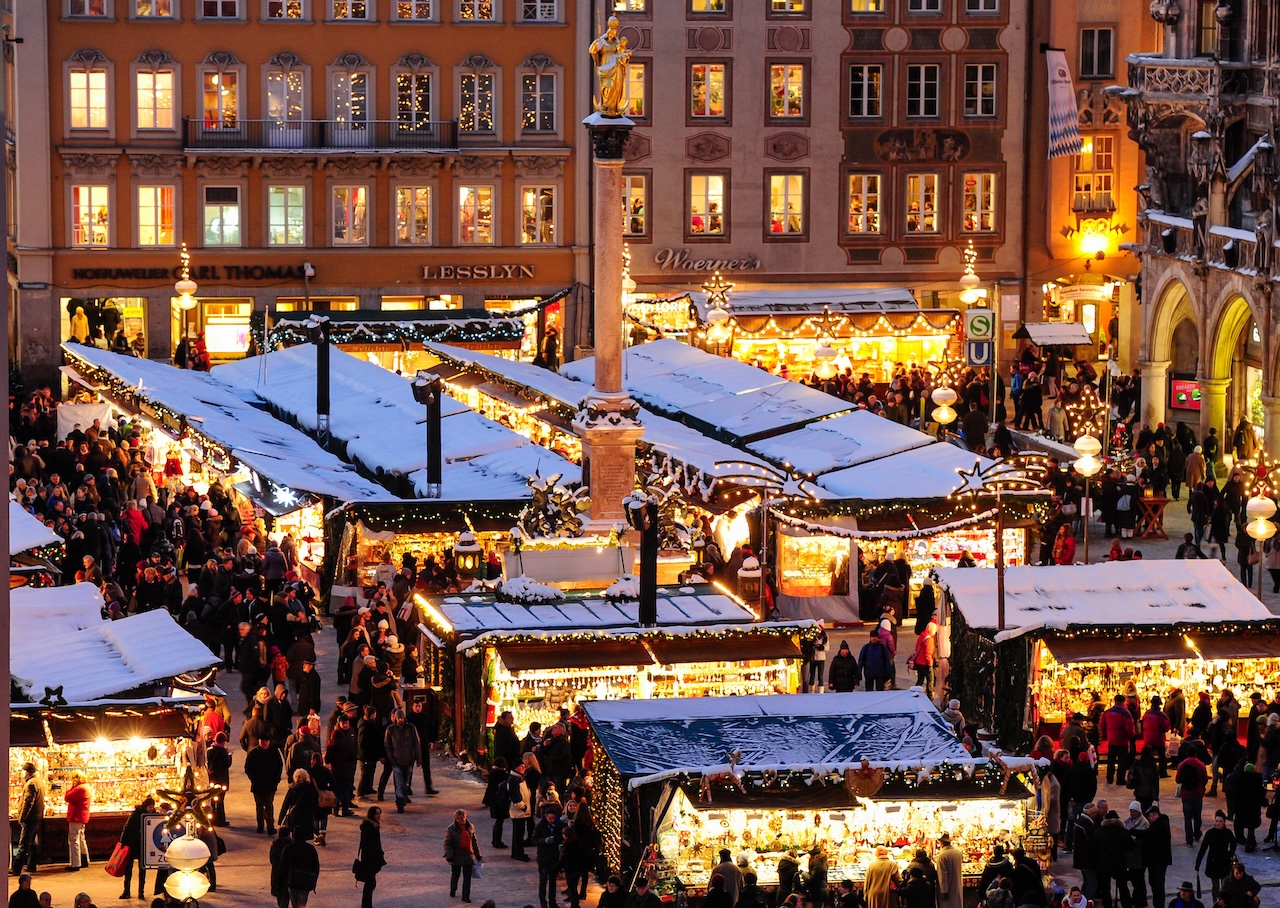
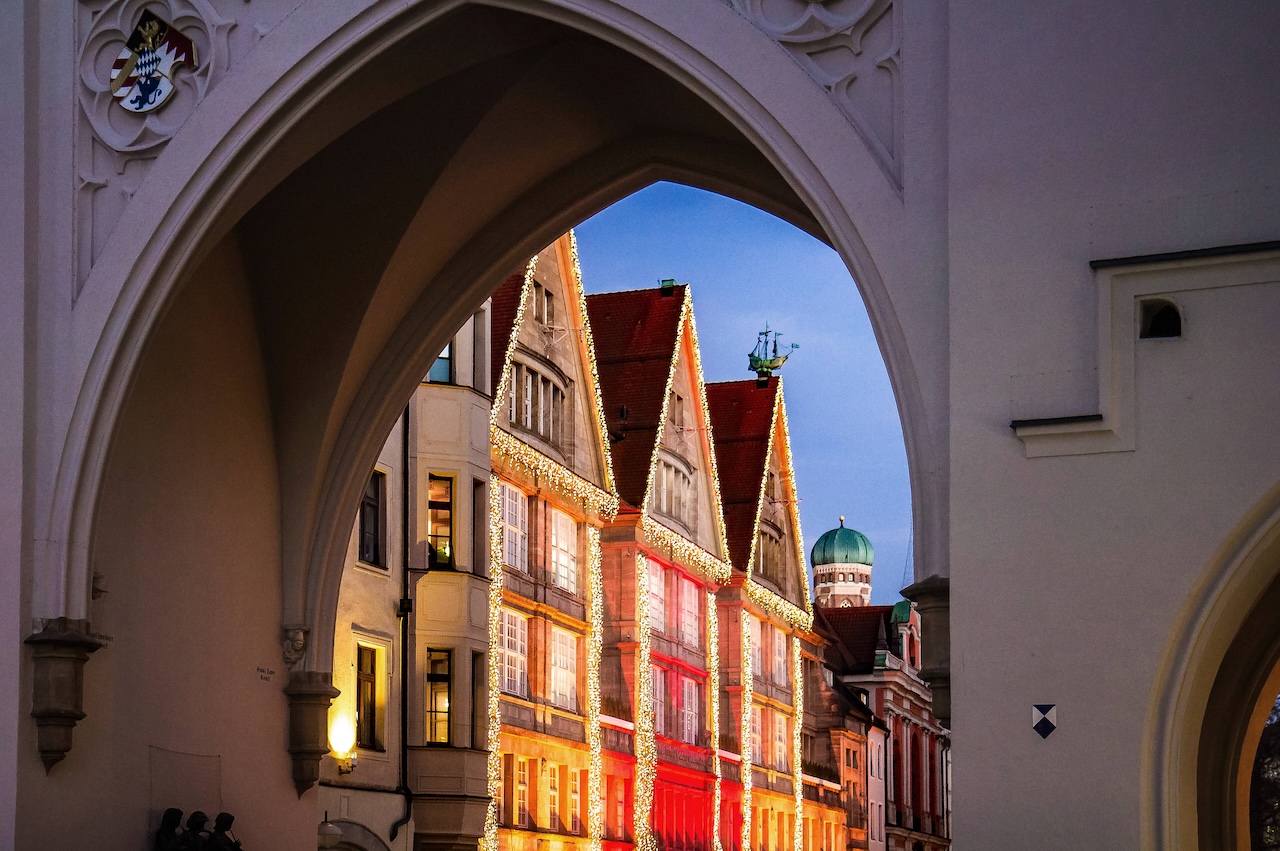
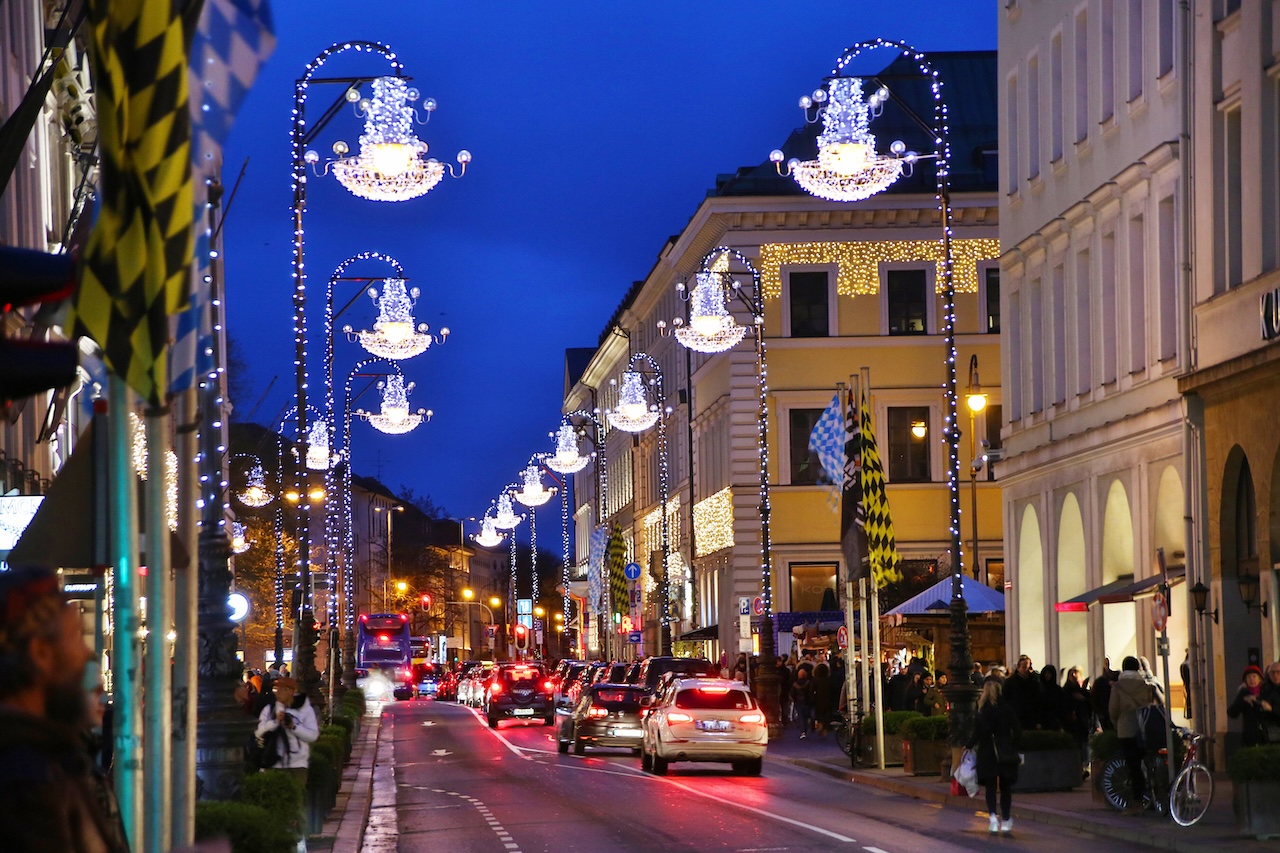
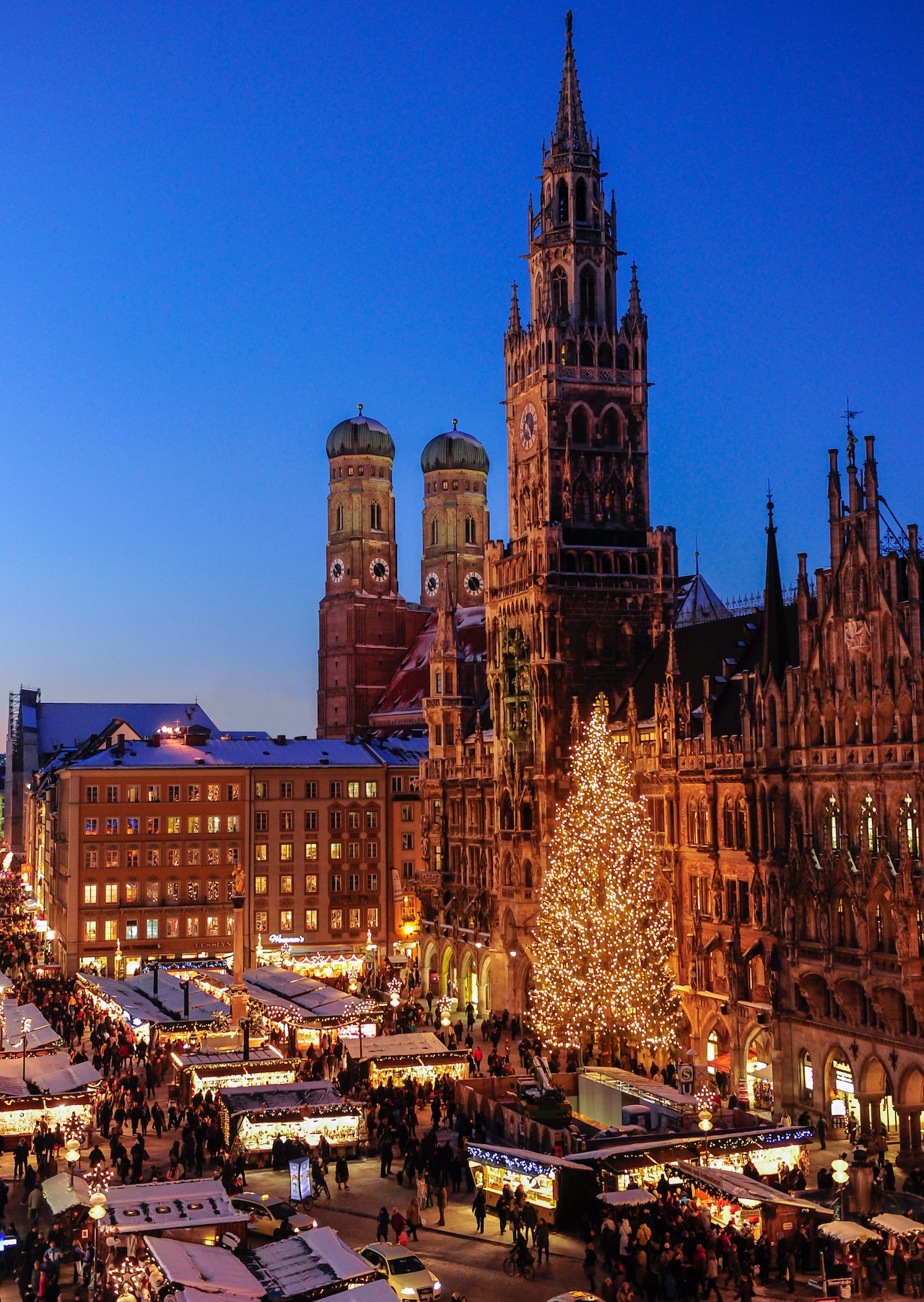
Stepping out from Rosewood Munich and into the city during the festive season feels less like entering a tourist attraction and more like joining a long-held tradition. Munich’s Christmas markets are not confined to a single square; they unfold across the Old Town in a series of distinct neighborhoods, each with its own rhythm, atmosphere, and character. Moving between them on foot is part of the experience, allowing the city itself to guide the day.
Viktualienmarkt: Munich at Its Most Lived-In
I began at the Viktualienmarkt, where the festive season blends seamlessly into daily life. Unlike more ornamental markets, this one feels distinctly local. During the holidays, the stalls are dressed with greenery and lights, and a large nativity scene anchors the beer garden at its center.
Here, Munich’s culinary traditions take the lead: bratwurst sizzling on open grills, mugs of glühwein warming hands, and honey wine offering a sweeter alternative. Locals stop by after work, children weave between tables, and the hum of conversation is constant and reassuring. It’s less about spectacle and more about ritual — a snapshot of how the city celebrates as part of everyday life.
The Residenz Courtyards: Tradition and Craft
From there, I made my way toward the Christmas Village in the Kaiserhof of the Residenz, tucked within the historic courtyards of the former royal palace. The setting feels almost cinematic: arched colonnades glowing with candlelight, handcrafted stalls arranged around stone courtyards, and choirs performing beneath open skies. This market is deeply rooted in tradition, with artisans selling carved wooden figures, nativity scenes, and classic Bavarian decorations.
The scent of mulled wine — offered in several variations — mingles with roasted almonds and spiced pastries, while the slower pace encourages lingering rather than browsing with urgency. It’s the kind of place where conversation stretches and time feels softened, making it especially atmospheric in the early evening as the light fades.
Wandering Between Markets and Moments
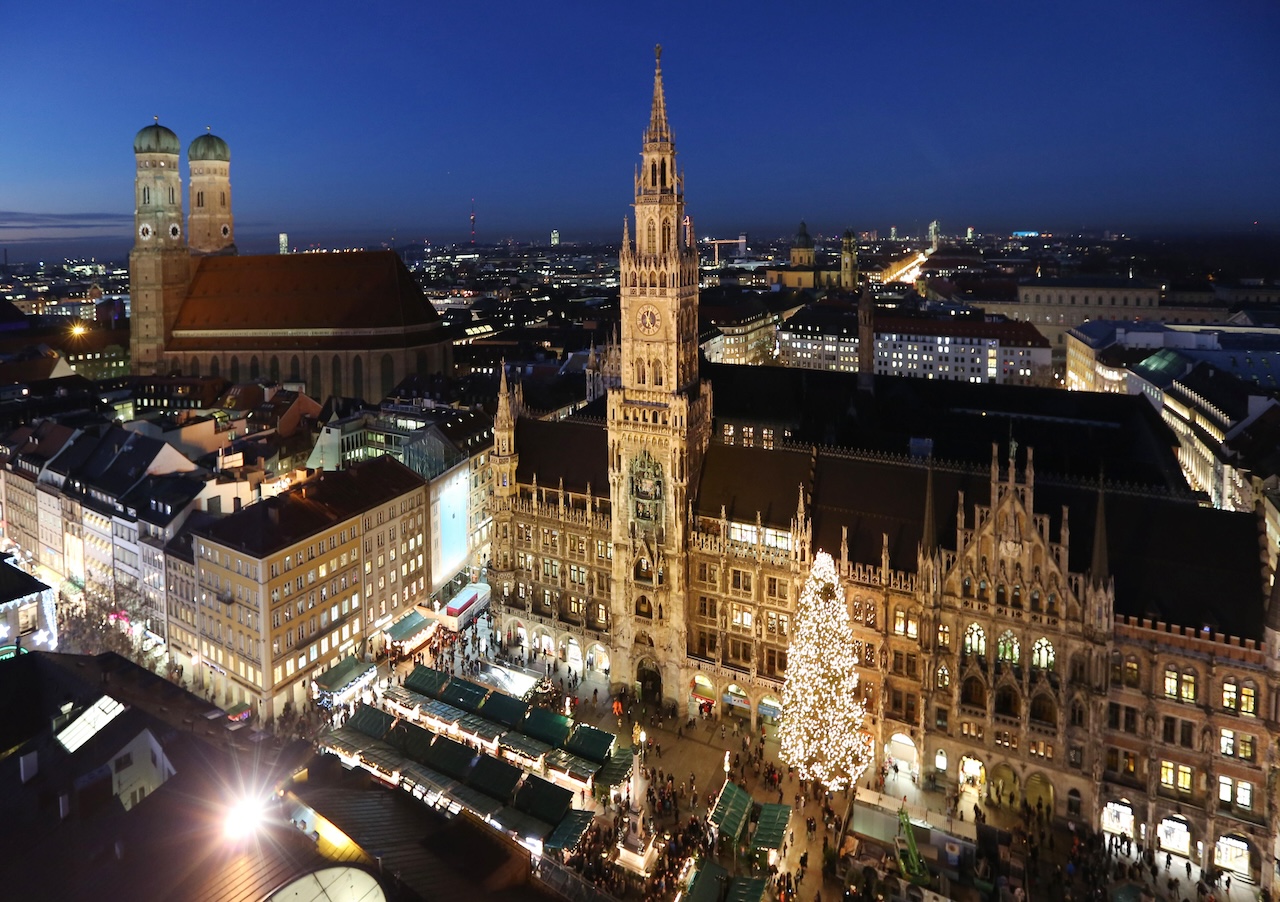
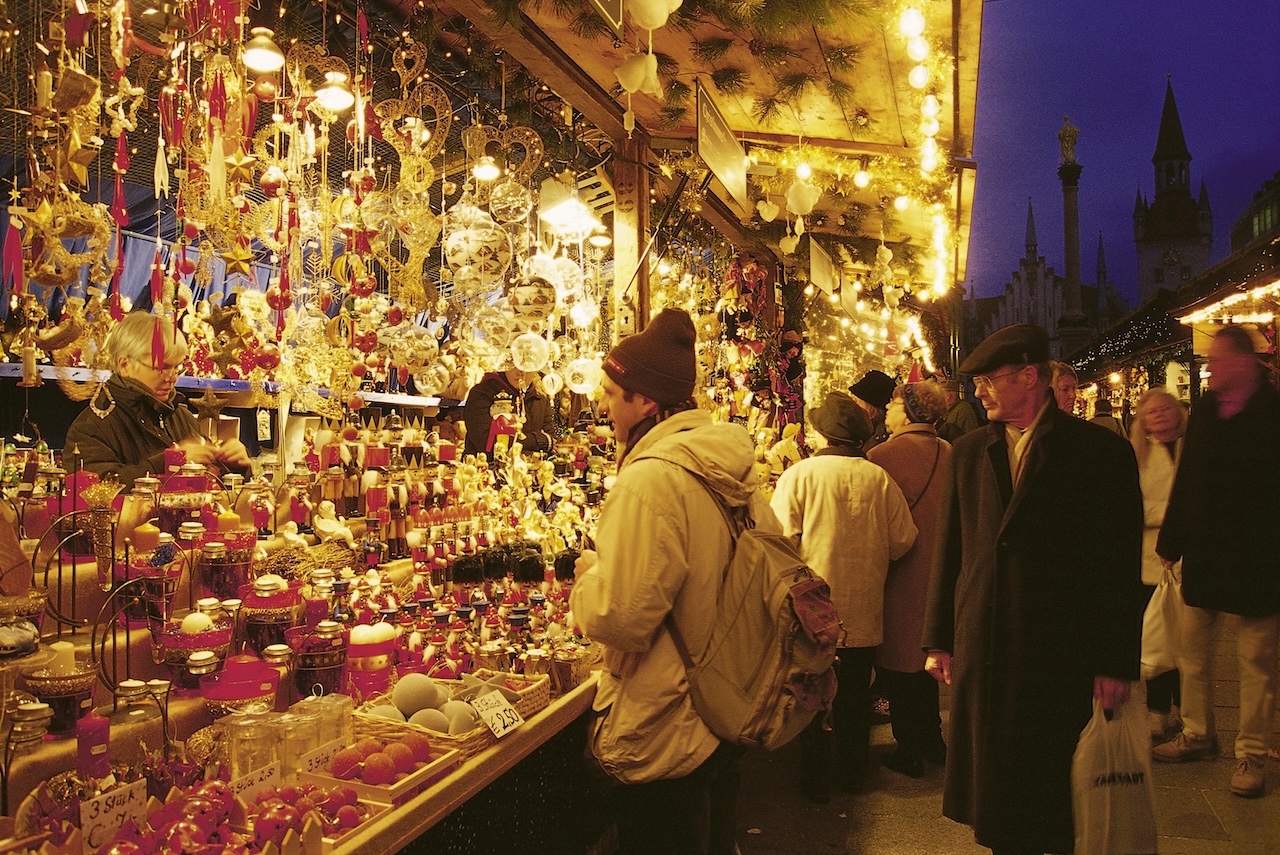
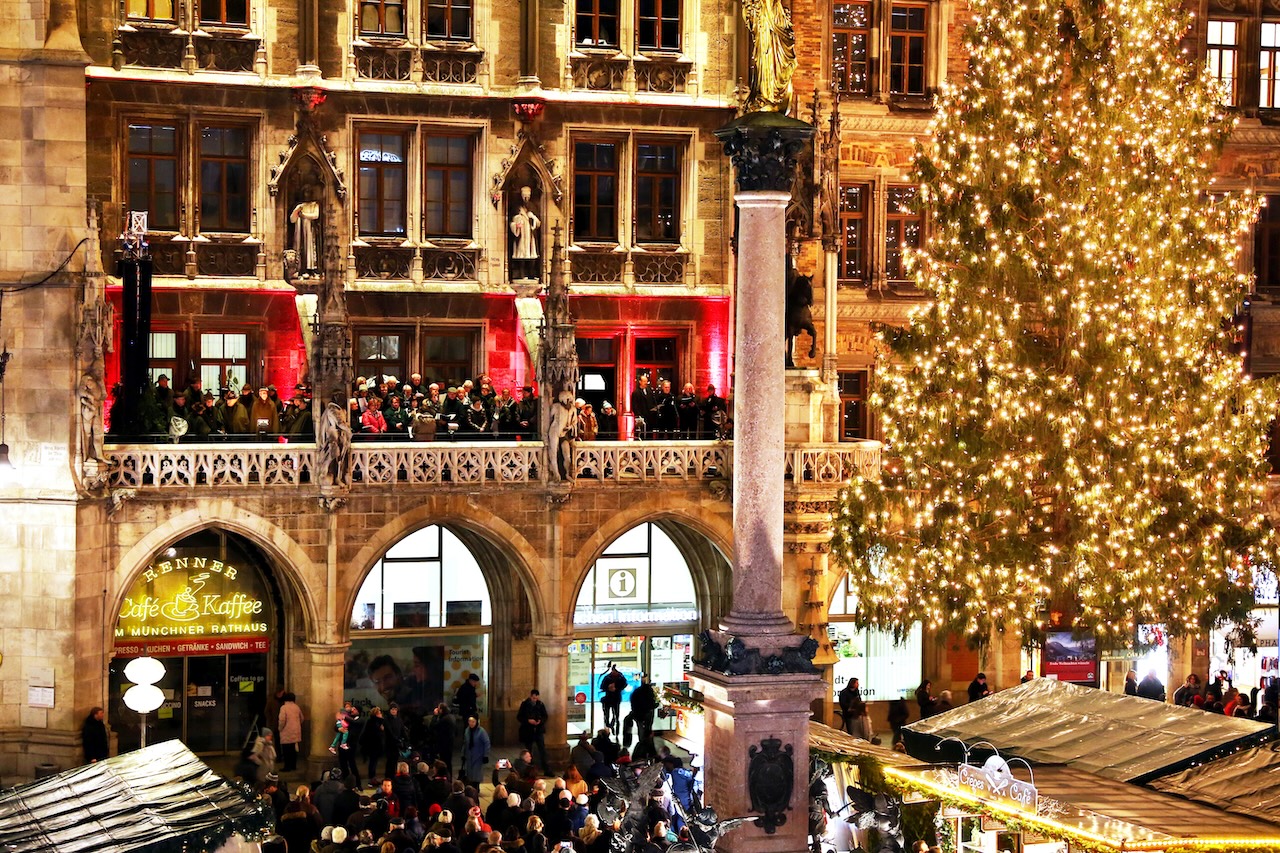
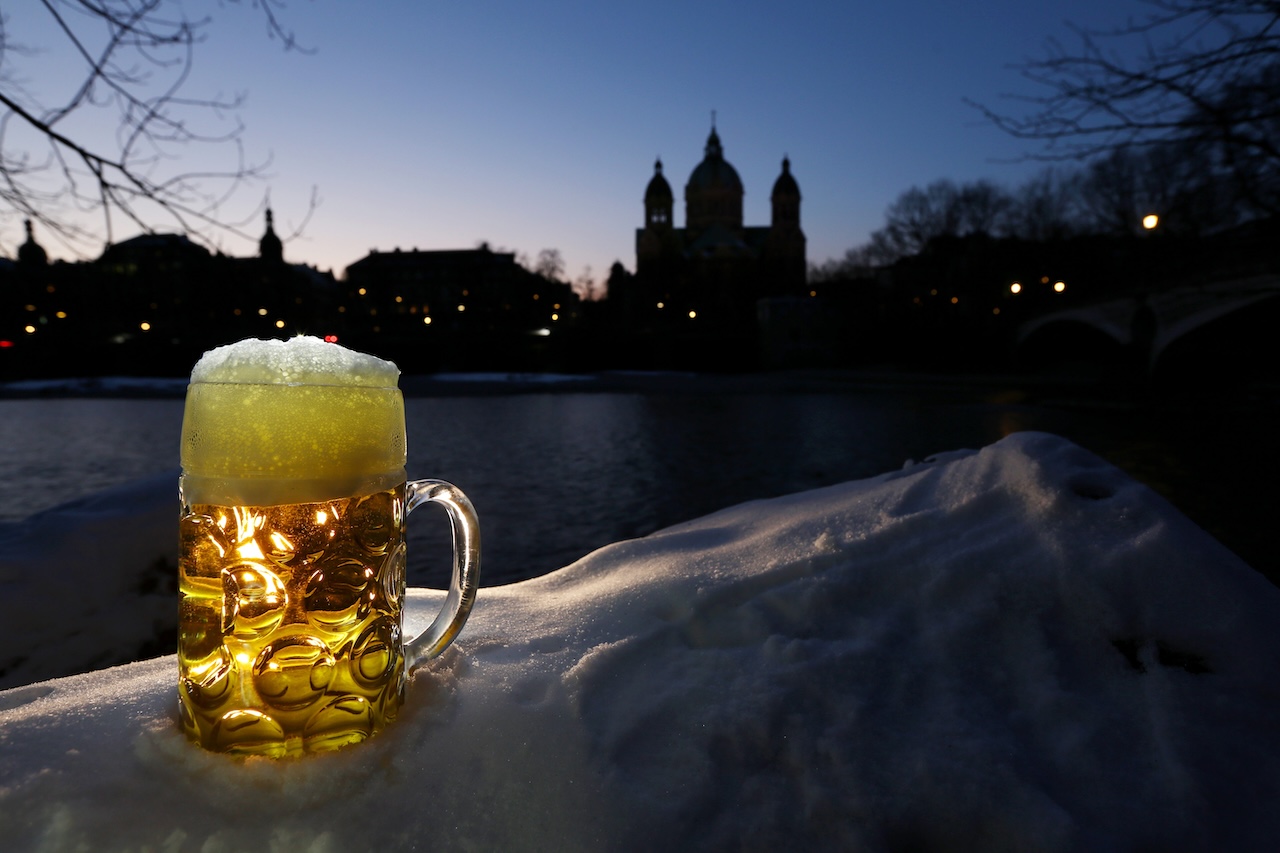
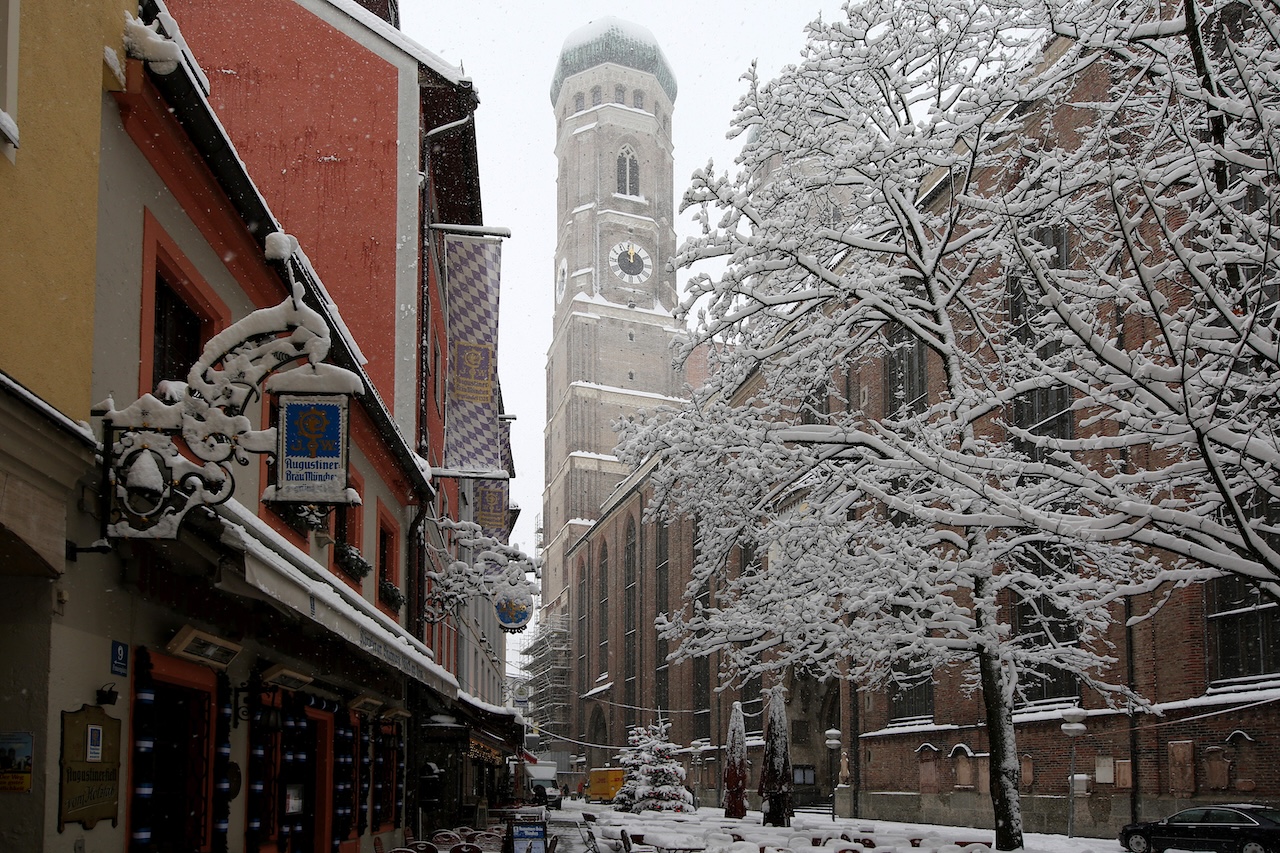
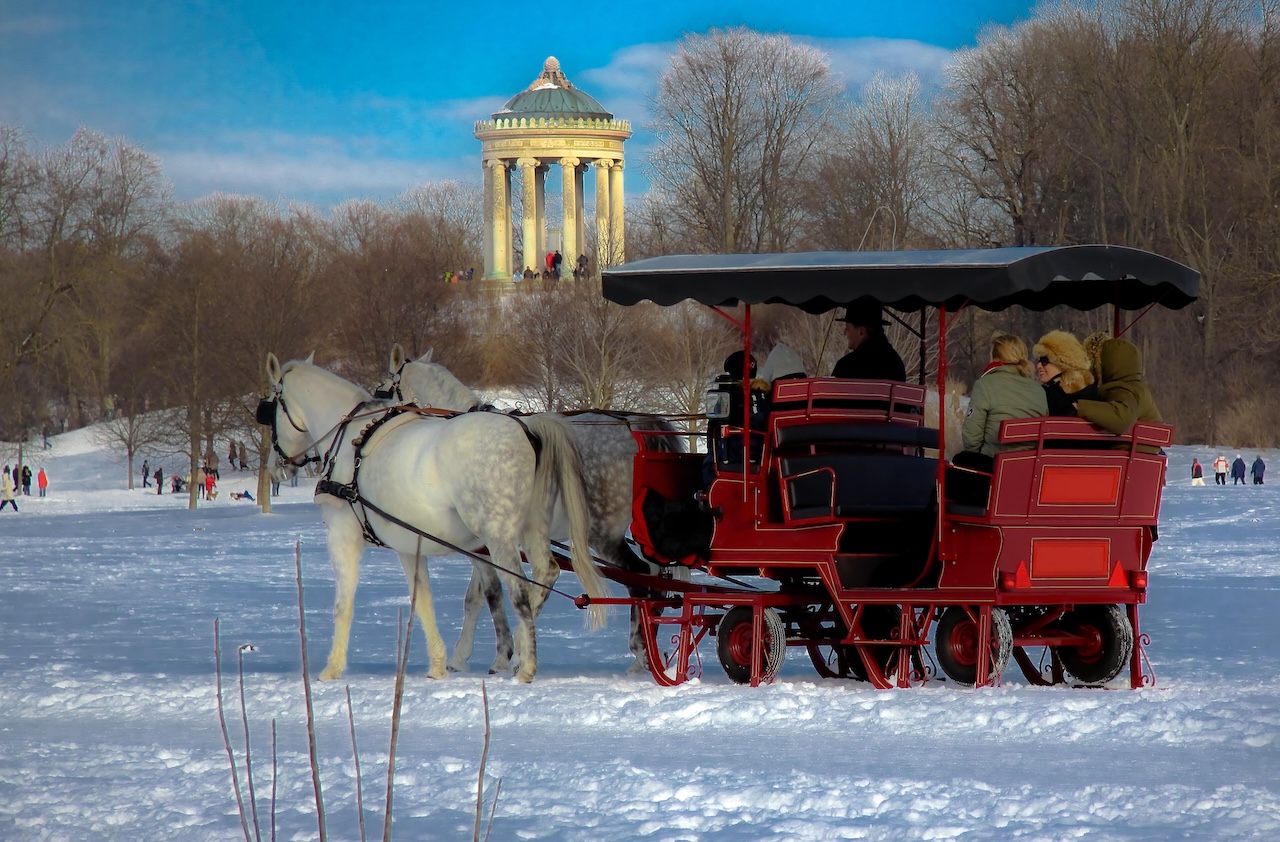
Throughout the Old Town, smaller Christmas markets appear almost unexpectedly — around churches, along narrow streets, and in quiet squares — each offering its own interpretation of the season. Music drifts through the air, from brass ensembles to soft choral arrangements, while corner pubs glow invitingly as dusk settles in.
What makes Munich’s festive season so compelling is how integrated it feels. The markets don’t demand attention; they invite participation. Between stops, I found myself ducking into historic buildings, warming up with a quick coffee, or wandering without a plan — allowing the city to reveal itself organically.
Returning to Rosewood Munich afterward felt like stepping back into a calm sanctuary, the day’s sensory impressions lingering just long enough before giving way to quiet.
Why Rosewood Munich Is a Winter Destination Worth Repeating
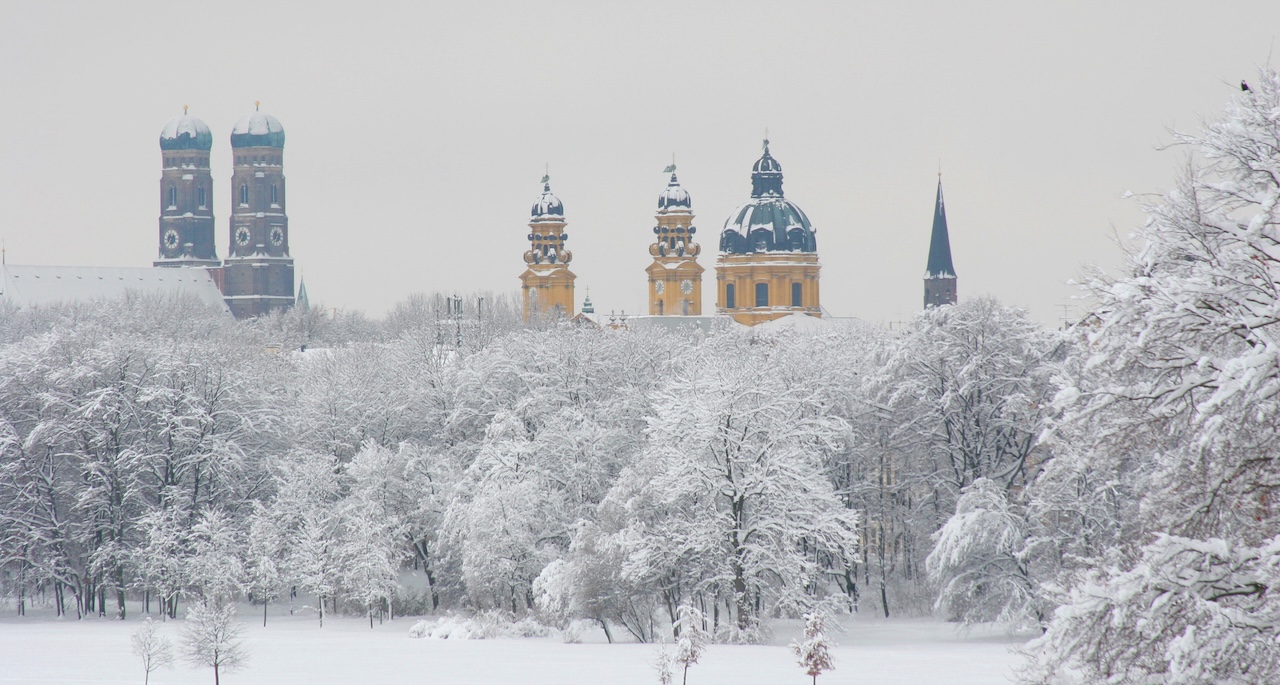
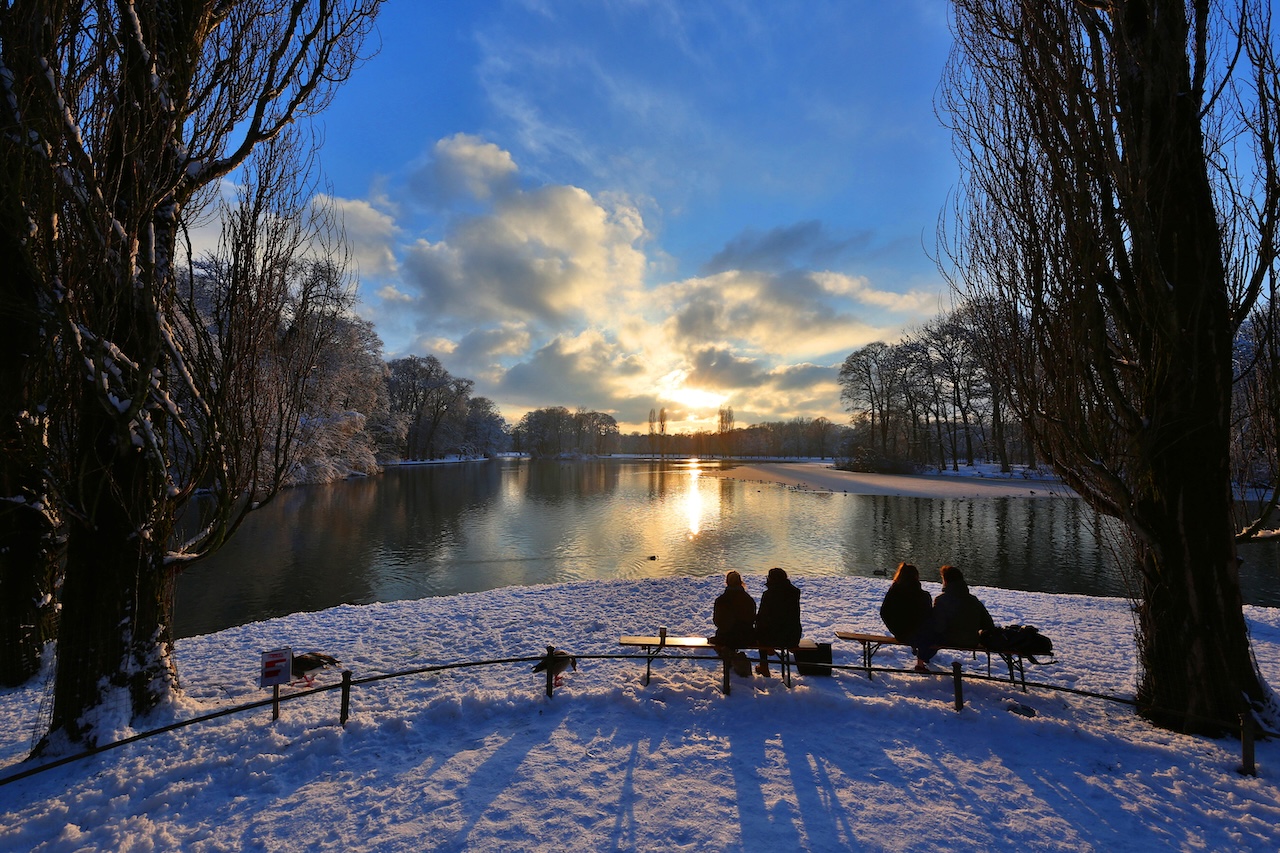
For travelers visiting during winter, Munich offers a festive experience that feels layered and lived-in. From the grandeur of the Residenz courtyards to the everyday warmth of the Viktualienmarkt, the city divulges itself slowly — rewarding curiosity, appetite, and a willingness to wander.
On the morning of departure, a final gesture from Rosewood Munich awaited in the car to the airport: a Munich-themed cookie, hand-decorated with two beer mugs raised in a toast made of white and yellow icing, and wrapped neatly with a bow. It was simple and charming, and it reflected the stay as a whole — attentive, personal, and rooted in place.
What ultimately distinguishes Rosewood Munich is not any single design detail, dining experience, or seasonal ritual, but the way it all comes together with remarkable ease. From the building’s architectural heritage and thoughtfully layered interiors to the quiet luxury of the suites, the restorative calm of Asaya Spa, and the rhythm of days shaped by food, music, and light, the experience feels cohesive and intentional. Just as memorable is the service — attentive without intrusion, warm without formality, and grounded in a genuine sense of care. It’s a hotel that understands how to hold space for both celebration and stillness, allowing guests to experience Munich at its most atmospheric while feeling entirely looked after.
By the time I left, I was already thinking about returning. Munich has a rare holiday charm, and Rosewood Munich gives it rhythm and warmth. In winter especially, Rosewood Munich doesn’t simply complement the season — it elevates it. It’s the kind of winter destination that invites tradition — not just a trip, but a ritual worth repeating (and take my word for it, this will definitely be a ritual that I repeat).


