



News feed


When Starface first launched in 2019, it did something the beauty industry had long avoided: it put acne front and centre. Not through concealing or condemning, but spotlighted in brightly coloured, star-shaped hydrocolloid patches. Now, as the cult label lands in Australia through Mecca, it brings not just a fresh addition to your skincare but a cultural shift that has redefined how a generation relates to its skin.
The idea was born from lived experience. Co-founder Julie Schott spent a decade as a beauty editor, with a front-row seat to innovation and ingredient breakthroughs, while privately navigating acne throughout her twenties and beyond. Hydrocolloid patches existed, but they were largely invisible in the US market and entirely functional in appearance. Effective? Sure. Joyful? Hardly.
Schott saw an opportunity, she tells me during a recent trip to Sydney. Amid endless products and articles that focused on hiding a breakout, what if, instead, you acknowledged it?—with flair, might we add. “What if you just said, ‘Yeah, I know,’” she has said of the early concept. The star shape, chosen for its nostalgic whimsy, reframed the experience entirely. A blemish was suddenly a canvas for something fun. A perceived flaw now an exciting opportunity for self-expression.
“A star feels like a reward,” Schott says. “There’s something about placing one on the thing you’d been taught to feel ashamed of that made it all feel lighter.”
Importantly, the brand wasn’t focus-grouped into existence, either. “I think if we had done the market research and gathered data, we probably would have found that nobody wanted this thing,” she laughs. “I think because it didn’t exist.” Before there was the product and community of devotees we know, there was just Instagram. When Schott began posting about her own acne, circling breakouts and awarding herself tongue-in-cheek “gold stars,” the response was immediate. Followers didn’t need to see the patch to understand the proposition; they connected to the candour. Acne, long treated as a private failure, was suddenly an open secret.

Co-founder Brian Bordainick recalls early scepticism from investors and retailers who struggled to imagine anyone willingly drawing attention to a pimple, drawing on their own experiences of wanting to run from a breakout rather than draw attention to it.
“It was really hard for people to kind of get outside of their own lived experience of acne as a bad thing, to see that this could be a thing that people would utilise or gravitate towards,” he explained. But that resistance underscored the generational shift Starface was tapping into. For Gen Z, visibility reads differently. Where previous generations grew up with tabloid spectacles and acne as a painful rite of passage to be grown out of, this one knows body positivity and unfiltered skin.
Celebrity uptake (Hailey Bieber is a big fan) only accelerated the conversation. Musicians, athletes, and actors began wearing the patches and unapologetically sharing their experiences. In a culture where high-definition cameras scrutinise every pore, the patch became a small act of defiance—all the while shrinking and healing spots in real-time.
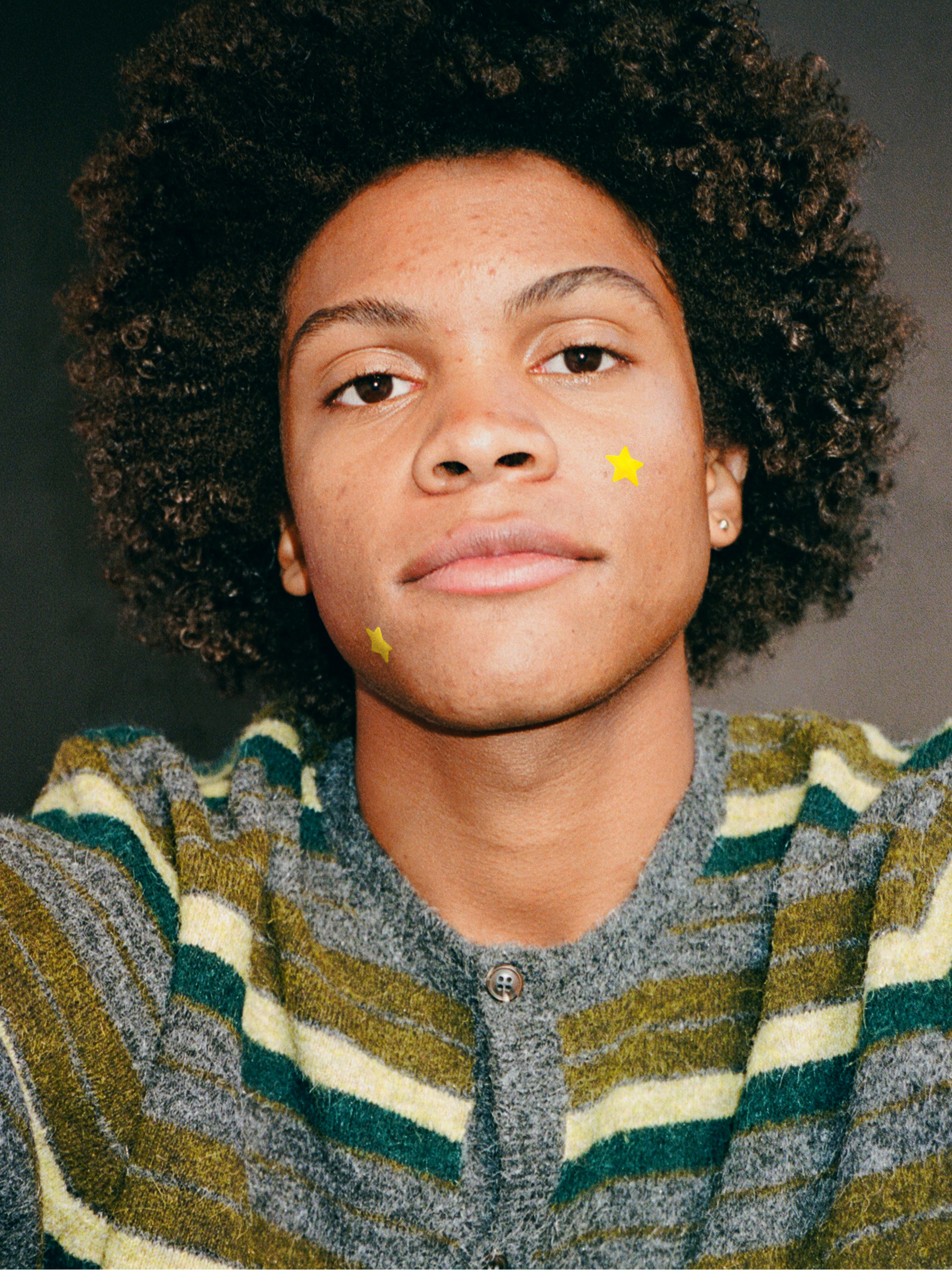
Collaborations have further cemented its pop-cultural footprint. Limited editions featuring Hello Kitty and Snoopy sit alongside partnerships with Heaven by Marc Jacobs, merging the brand’s vision of sitting at the intersection of pop culture rather than a pharmacy beauty staple. It’s skincare adjacent, certainly, but it resists the industry’s traditional “before and after” rhetoric. As Schott has noted, what if you’re fine both ways?
That refusal to prey on insecurity feels particularly resonant. Beauty has historically thrived on problem-solution binaries, amplifying flaws to sell fixes.
Where many beauty brands aim to market you a problem before selling the solution, Starface trades in emotional connection, believing universal experiences, like acne, connect us all.
“It’s been really great to be able to stay in our lane of knowing who we are as a brand,” says Schott. “Even as some of these more hype-y ingredients and trends come up, we’re able to stay on the path instead of what feels like, oftentimes, chasing what’s next, what’s coming up.”
We just want to make sure our relationship with the people who use our product stays authentic, and the rest of it tends to take care of itself.”
Of course, the hydrocolloid technology remains focal—the patches really do work—, but efficacy is only half the story. The other half is about making growing up more fun, about turning an everyday frustration into a badge of belonging.
In reframing acne, Starface hasn’t trivialised it, but stripped away the moral weight long attached to breakouts and “imperfections”. Particularly in a world that seems to benefit from consumers feeling bad about themselves, it’s a welcome turning of the tide that also happens to look pretty darn cute, if you ask us.
Shop STARFACE at Mecca now