



News feed

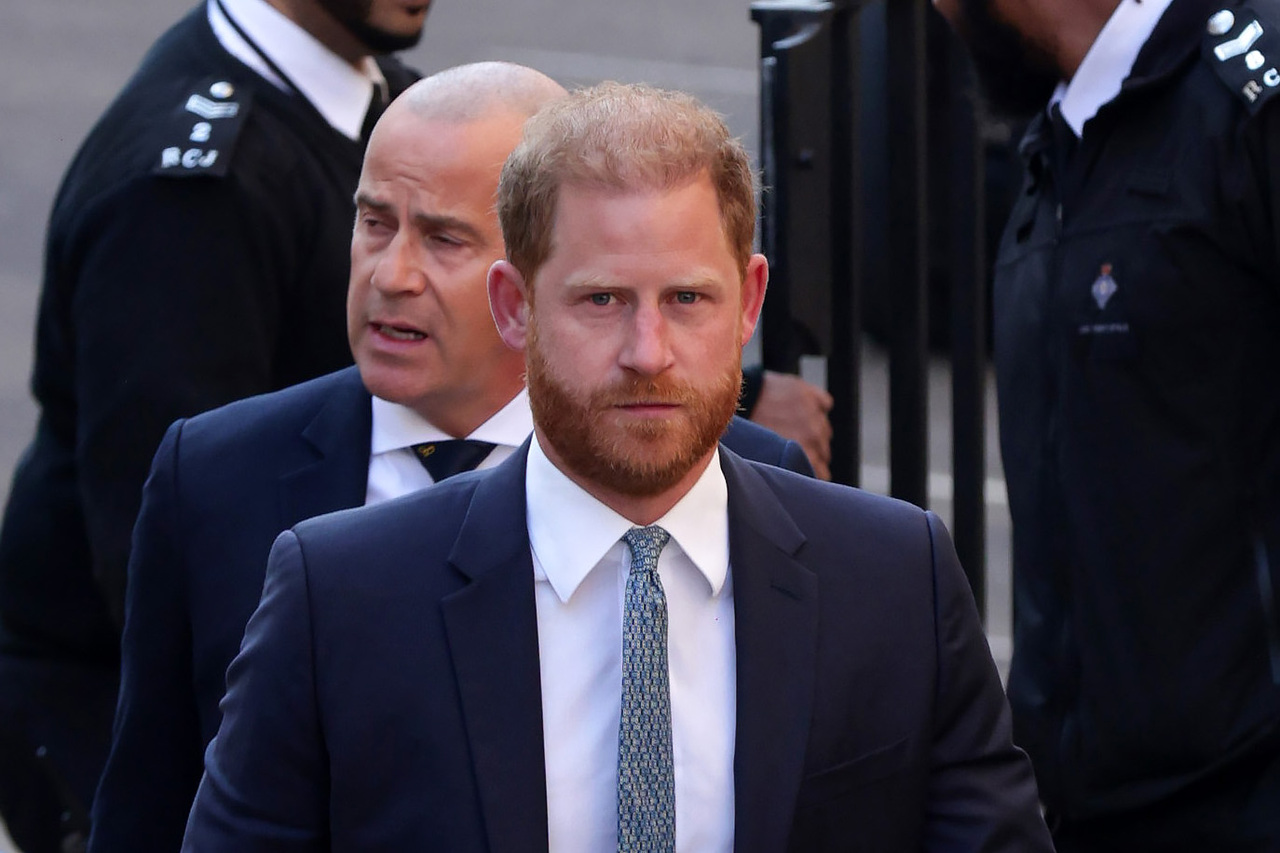
On Sunday, 8 November 2026, the royal family marked Remembrance Sunday in separate ways. At Whitehall, King Charles III, wearing naval uniform, and Prince William laid wreaths at the Cenotaph. Queen Camilla and Catherine, Princess of Wales, watched from Foreign Office balcony. Meanwhile, in Brackley, Northamptonshire, Prince Harry observed the national two-minute silence standing on a quiet street corner outside a local pub.
It was a vivid illustration of the distance within the modern royal family. Marking his first Remembrance Sunday since returning to live in the UK with his family in August, the Duke of Sussex attended a local tribute rather than the official ceremony in London. His appearance highlighted both the limits of his position outside the working royal family and the ongoing distance between him and his relatives.
The Protocol Behind the Cenotaph Absence
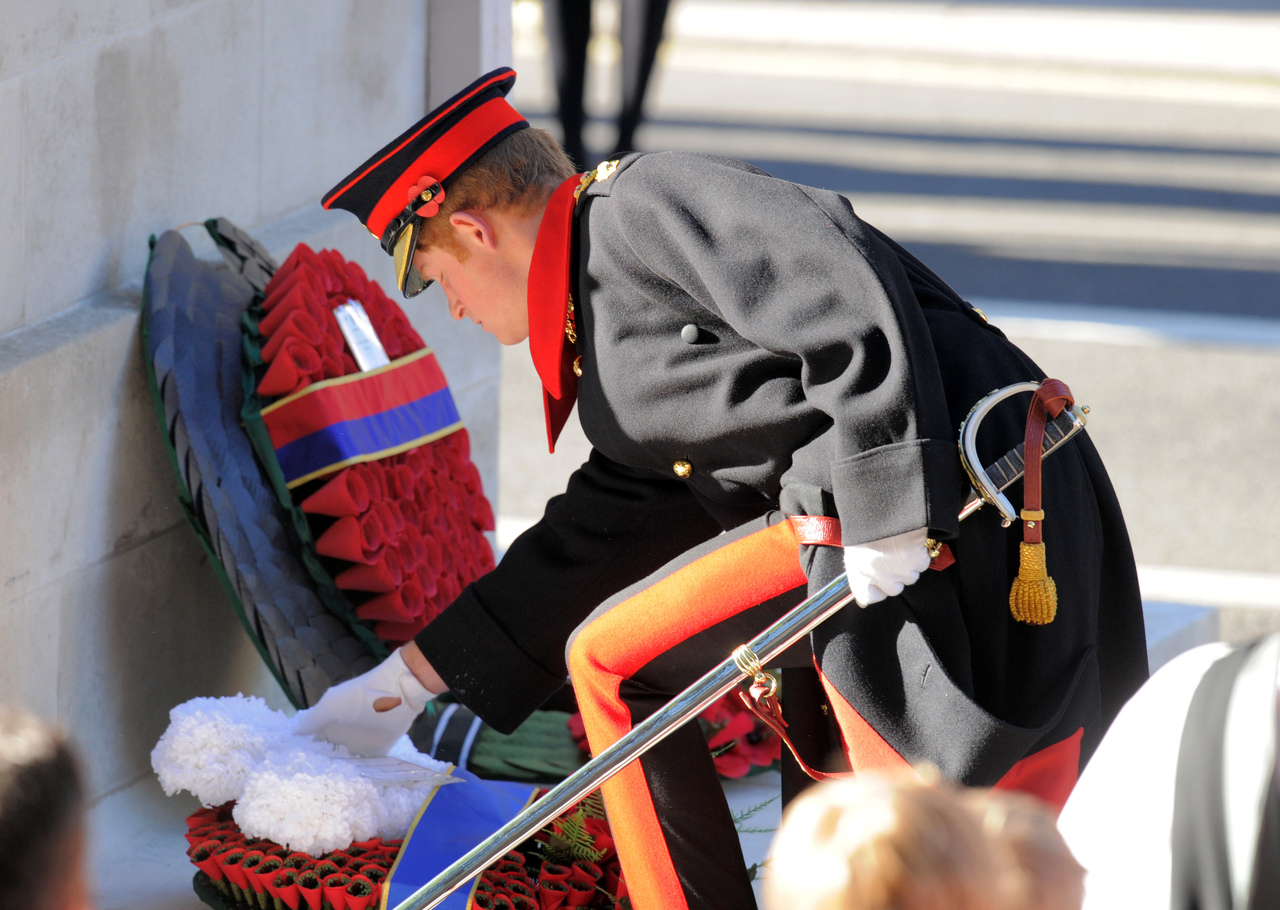
Some commentators portrayed Harry’s absence from the Cenotaph as a deliberate snub. However, it was largely explained by royal protocol. After the Duke and Duchess of Sussex’s decided to step back from official duties in 2020, Harry gave up his honorary military appointments, including his ceremonial role as Captain General of the Royal Marines. When the family returned to British soil earlier this year, Buckingham Palace confirmed that their status as non-working royals remained unchanged.
The National Service of Remembrance at Whitehall is formal state occasion attended by working members of the royal family, current political leaders and Commonwealth representatives. Without official duties or patronages, Harry had no official role in the ceremony. He was also no longer in a position to wear military uniform or lay a royal wreath on behalf of the family. His participation in the central ceremony woul therefore have raised questions about protocol.
A Low-Key Tribute in Northamptonshire
Instead, Harry attended a local service in the market town of Brackley, roughly a 45-minute drive from his Cotswolds base. Accompanied by minimal security and without Meghan Markle, who remained at home, the Duke joined the crown gathered for the local town council’s service. He wore a dark tailored suit, a Royal British Legion poppy, and his service medals, including his Operational Service Medal for Afghanistan and Queen Elizabeth II Jubilee medals.
Rather than joining an official enclosure, Harry stood on the footpath near The Crown Hotel, alongside local residents. After the two-minute silence, he walked through the market area, shaking hands and speaking with local veterans and community members. “He was at the memorial service – he was stood next to the pub,” an eyewitness noted. “He was there for the whole service… He just wanted to show some respect.” It was an understated tribute, entirely free from the intense media apparatus that surrounds royal events in the capital.
The Veteran’s Paradox: Service Outside the Monarchy
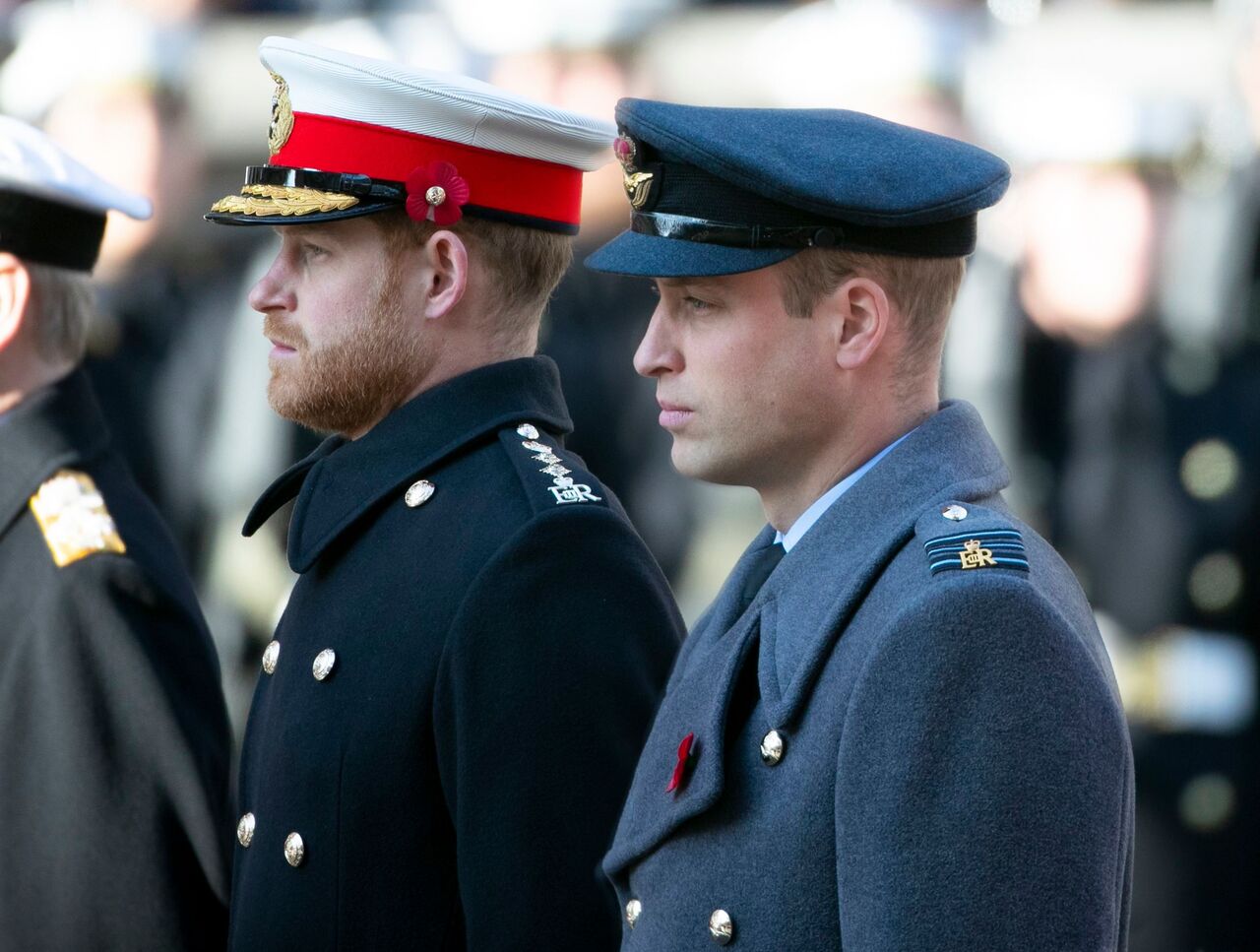
Prince Harry and Prince William – Remembrance Day Service, The Cenotaph, Whitehall, London, UK – 10 Nov 2019
The stark difference between Whitehall and Brackley highlights the contrast at the heart of Prince Harry’s public identity. Unlike many senior royals whose military titles and roles are honorary, Harry is a former British Army officer who served on the frontline. Having served a decade in the British Army, rising to the rank of Captain and completing two frontline tours in Helmand Province, his connection to the armed services community was forged through direct operational experience rather than hereditary appointment.
His military experience has also influenced his work outside the royal family, from establishing the Invictus Games in 2014 to championing charities like Scotty’s Little Soldiers for bereaved military children. By marking Remembrance Sunday among provincial veterans, Harry demonstrated that his commitment to service personnel exists entirely separate from crown mechanics. For the former Captain Wales, he can honour fallen service personnel without taking part in the official ceremony.