



News feed

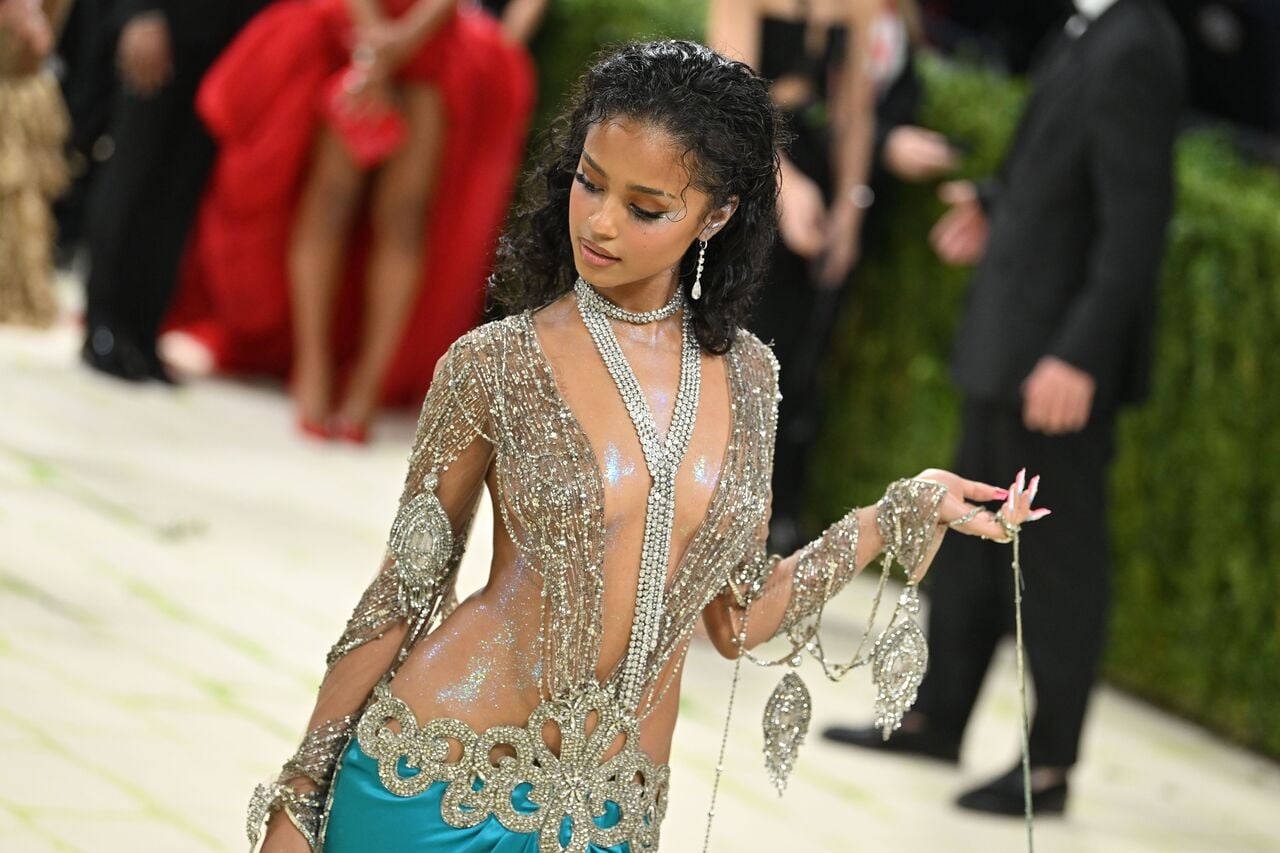
Tyla
Met Gala 2026, Costume Art, Arrivals, The Metropolitan Museum of Art, New York, USA – 04 May 2026
For several seasons, the phrase “naked dressing” has conjured a distinct, almost predictable sartorial spectacle. One immediately pictures flashing paparazzi bulbs, adhesive tape deployed with surgical precision, and sheer column gowns designed primarily to test the censorship algorithms of social media platforms. It was an aesthetic of pure exposure, built around the shock value of bare flesh. Yet looking closely at recent collections, fashion has quietly staged an intellectual pivot. The naked dress has not disappeared; it has simply grown up.
Rather than an exercise in red-carpet exhibitionism, the modern iteration of transparency is less about showing skin than mastering the dialogue between weightlessness and architecture. On the Spring 2027 runways, designers discarded the blunt shock tactics of yesterday, opting instead for an understated, tactile exploration of translucency. What was once a dare has become a sophisticated wardrobe solution – an evolution that feels particularly urgent for anyone who has ever attempted to look polished while facing down a blistering Australian high summer.
The Thermal Turn: Fashion’s Ergonomic Heatwave Response
The catalyst behind this tonal shift is surprisingly pragmatic. Following unprecedented summer heatwaves across the globe, designers arrived at the ready-to-wear shows with thermal survival on their minds. The creative response to record-breaking temperatures was an industry-wide pursuit of lightness across colour, silhouette and fabric weight. When the mercury climbs past 35 degrees, heavy textiles and rigid tailoring quickly become untenable. Bareness, in this context, is not an exhibitionist impulse; it is an ergonomic necessity.
To solve the heat dilemma without surrendering sartorial composure, houses turned to gossamer materials that circulate air rather than cling to perspiration. Open-weave crochet, airy lace and diaphanous textiles swept down the catwalks alongside bra tops and breezy babydoll silhouettes inspired by 1960s icon Twiggy. These high-hemline cuts favour endless stretches of bare leg, offering direct physical ventilation while maintaining an effortless, carefree innocence. Skin is exposed, certainly, but with the cool indifference of functional summer ease rather than the performative glamour of an afterparty slip.
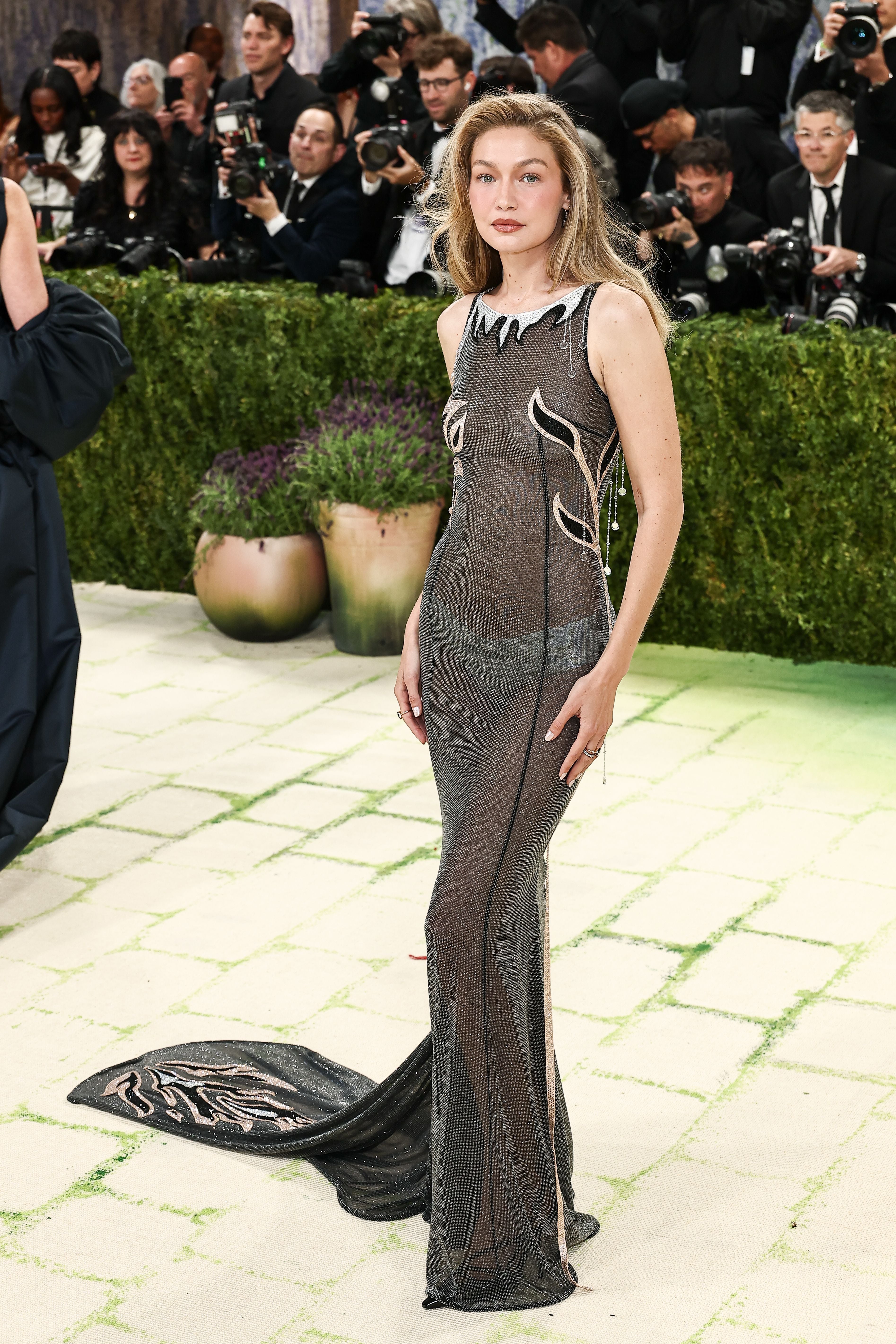
Gigi Hadid
Met Gala 2026, Costume Art, Arrivals, The Metropolitan Museum of Art, New York, USA – 04 May 2026
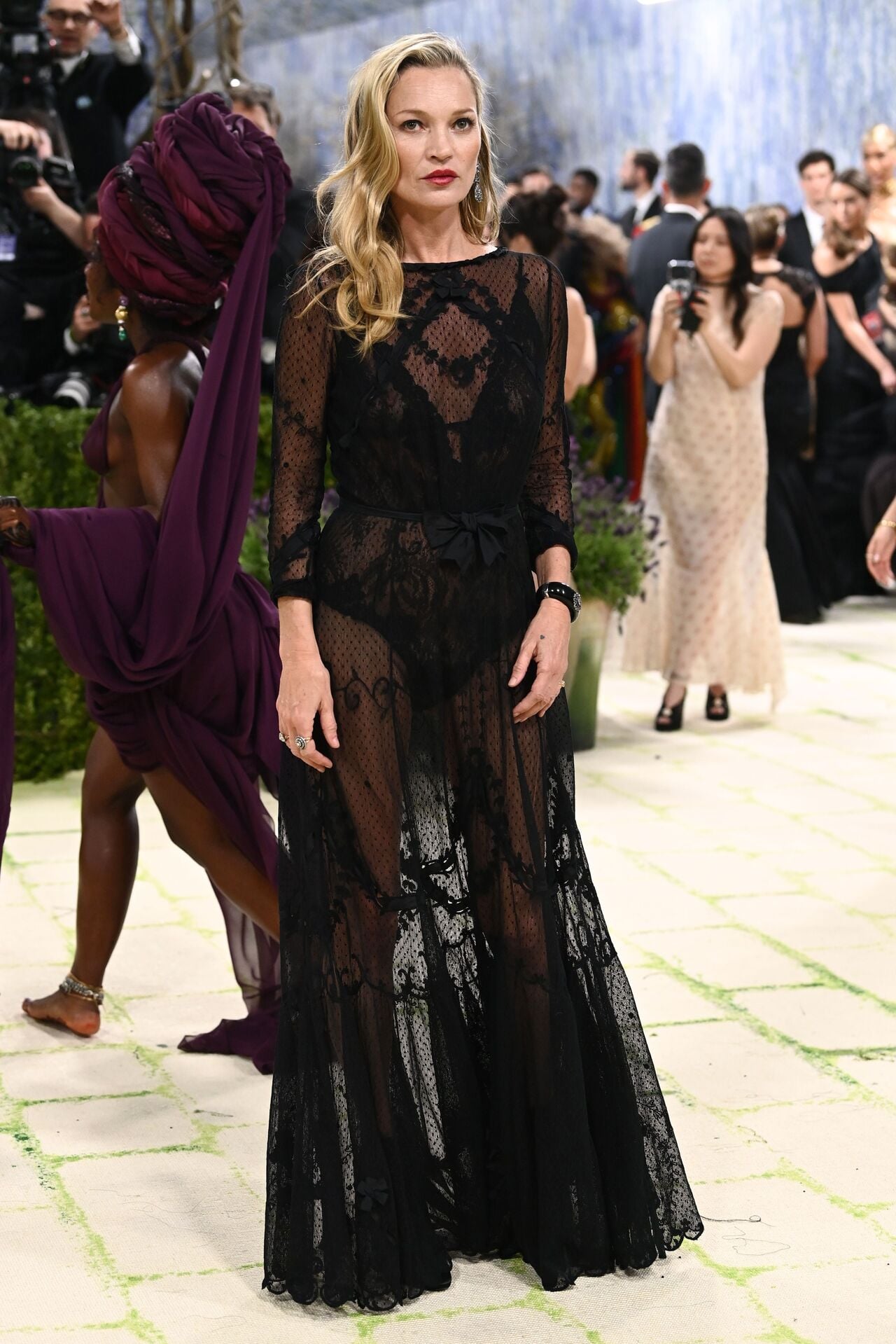
Kate Moss
Met Gala 2026, Costume Art, Arrivals, The Metropolitan Museum of Art, New York, USA – 04 May 2026
Wearing Saint Laurent
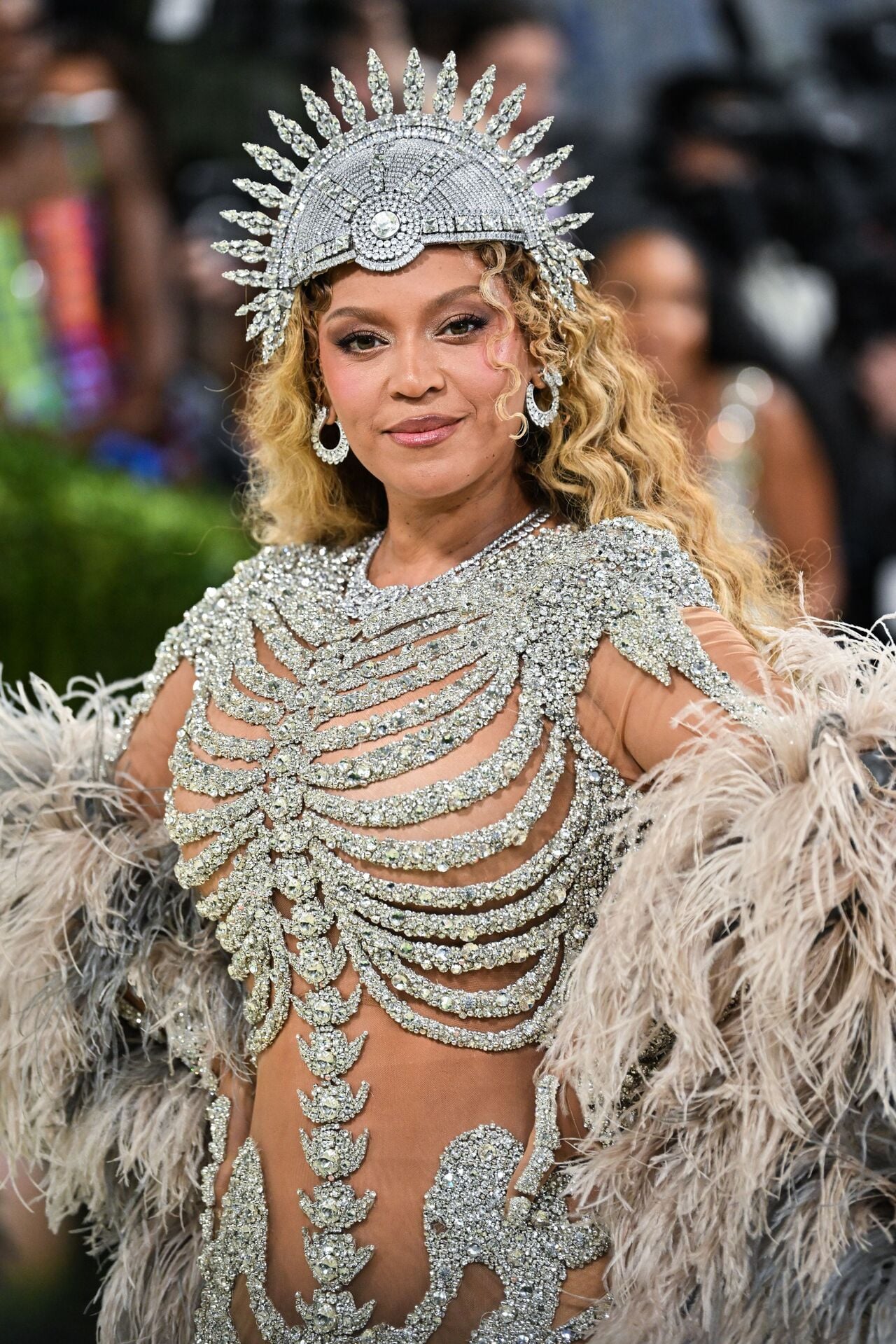
Beyonce
Met Gala 2026, Costume Art, Arrivals, The Metropolitan Museum of Art, New York, USA – 04 May 2026
The Scrim Effect: The Art of the Reveal and Conceal
Central to this new philosophy is how light interacts with the body. Rather than offering an unobstructed view, contemporary sheer pieces function like a theatrical scrim – a subtle nod to the delicate, light-filtering scrim made famous in the 1995 documentary Unzipped. Transparent silks, organzas and fine knits soften and diffuse the form beneath them, casting artistic shadows rather than putting anatomy on unvarnished display. It is a nuanced game of reveal and conceal, where the fabric acts as a filter rather than a window.
This optical softening transforms the sensory experience of dressing. For years, sheer dressing demanded an almost combative confidence, asking the wearer to put every curve and contour forward without defence. The scrim approach does the exact opposite. By cloaking limbs in translucent layers, the garment creates an aura of mystery and dimension. A semi-sheer midi skirt, for example, allows an observer to sense the movement of the legs underneath without revealing their exact topography. It is a refined, coquettish ambiguity that feels inherently modern – sophisticated enough for an alfresco dinner in Sydney, yet casual enough for balmy weekend drinks.

Doja Cat
The Metropolitan Museum of Art’s Costume Institute Benefit Celebrating the Opening Of “Costume Art”, New York, United States – 04 May 2026
Modular Architecture: Building Depth Beneath Transparency
If the surface of this new take on naked dressing is gossamer-light, its foundations are remarkably solid. Designers have realised that transparency works as high fashion only when anchored by carefully considered underpinnings. Instead of treating lingerie as something to conceal beneath matching skin-tone underwear, designers such as Marc Jacobs and Junya Watanabe repositioned the bodysuit as a cornerstone of modular dressing. In their collection, undergarments become visible, structural components of the silhouette.
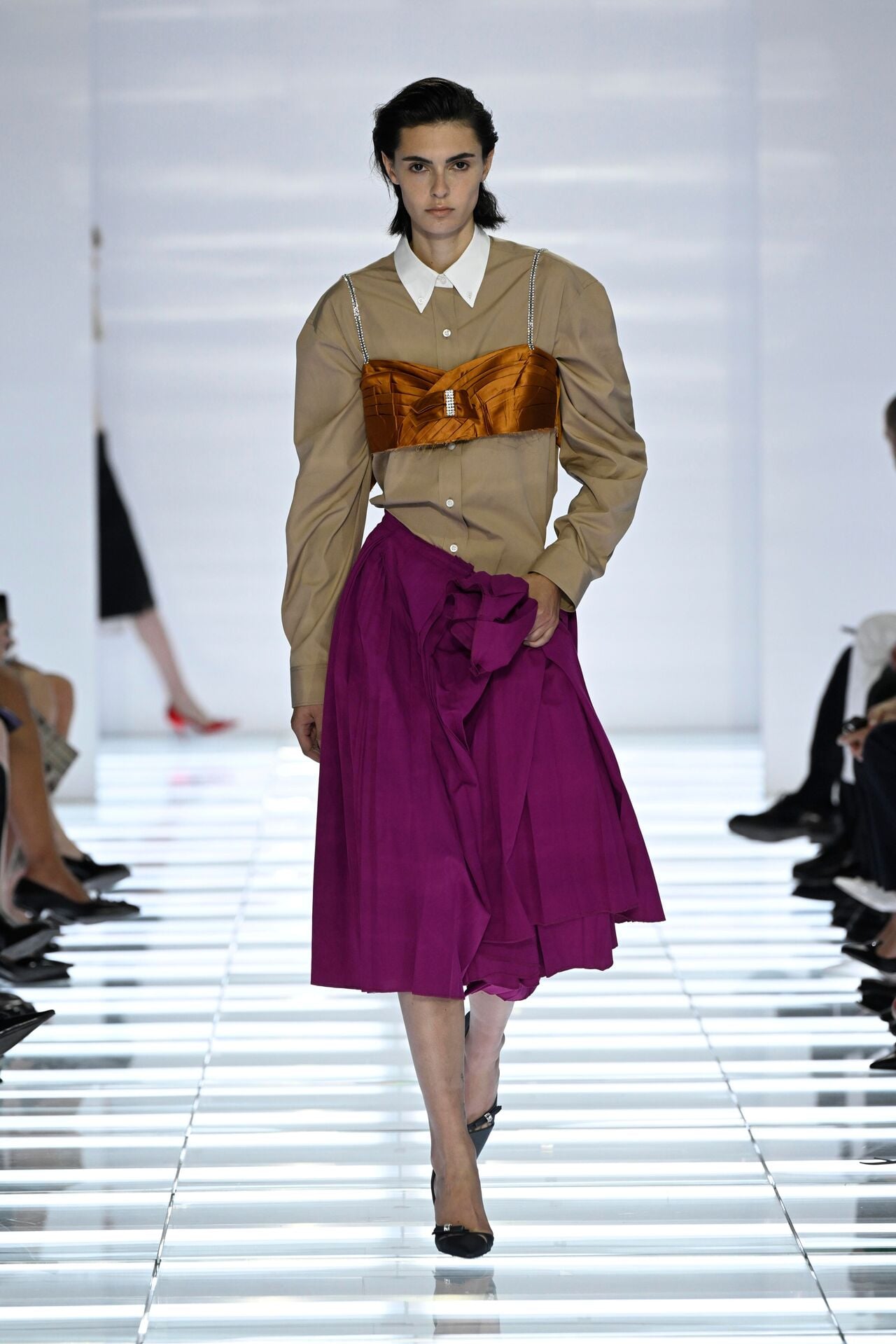
Miuccia Prada and Raf Simons on the catwalk
Prada show, Runway, Spring Summer 2027, Milan Fashion Week, Italy – 22 Sep 2026
Beneath a translucent layer, an opaque, sculpturally cut bodysuit creates clean graphic lines, instantly elevating gossamer chiffon a more tailored feel. This modular approach changes the entire psychological contract of wearing sheer. When your base layer is intentional, tailored and fully covered, the transparent layer floating above it ceases to be an act of exposure. It becomes a design flourish, treated almost like a standalone object of aesthetic desire in the spirit of Miuccia Prada and Raf Simons. The result is an effortlessly chic system that proves the chicest way to wear nothing at all is to think meticulously about what you put underneath.