



News feed

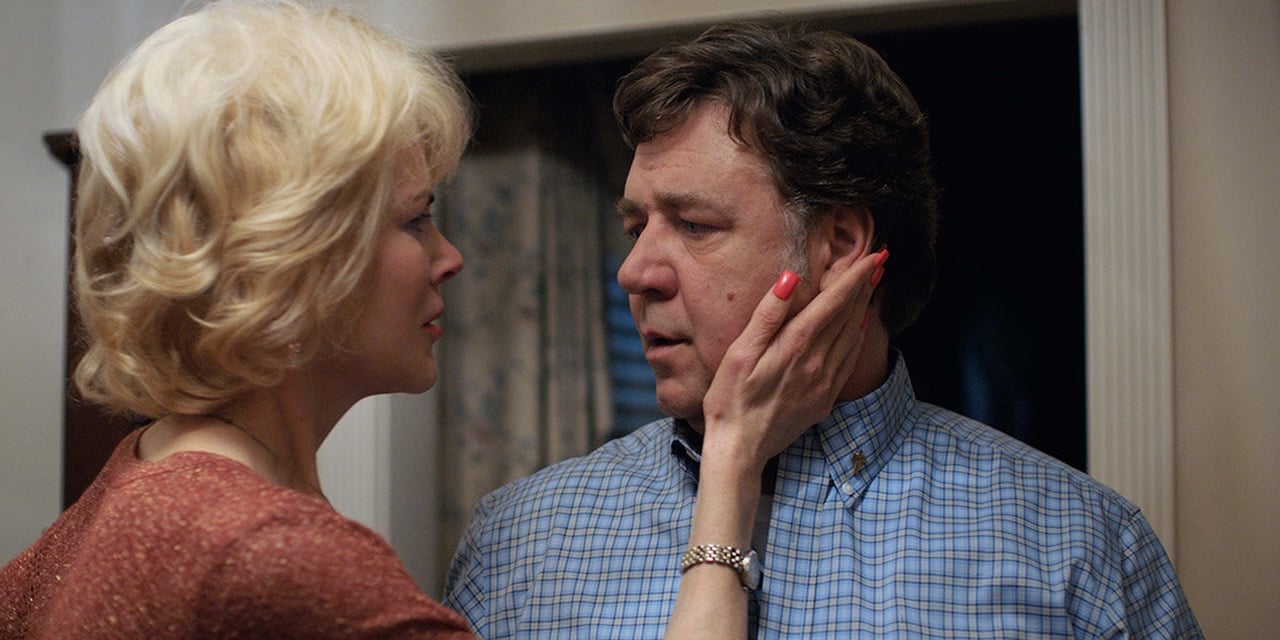
Mandatory Credit: Photo by Focus Features/Moviestore/Shutterstock
Nicole Kidman, Russell Crowe
Boy Erased – 2018
There is something deliciously grounding about imagining Nicole Kidman, the undisputed high priestess of red-carpet composure, standing over an industrial-sized skillet in an inner-Sydney terrace and utterly butchering dinner. Long before the couture gowns, the Academy Awards and the gilded life in Nashville, Kidman was an ambitious young actor navigating the bohemian energy of late-1980s Darlinghurst. It was an era defined by share-house parties, shared dreams and, on one memorable evening, a culinary catastrophe of epic proportions.
The occasion was a massive gathering hosted at her boyfriend’s home in Darlinghurst, with an estimated 500 people spilling through the doors. Among the thirsty crowd was another rising local talent named Russell Crowe. Eager to play host on a grand scale, Kidman decided to prepare a mammoth batch of paella to sustain the hungry revellers. The ambition was admirable; the execution, by her own admission, was a disaster.
When Nicole Kidman Met Russell Crowe Over Crunchy Rice
Cooking paella for a handful of discerning friends is daunting enough, but attempting to feed several hundred thirsty Sydneysiders in a residential kitchen requires a brand of youthful optimism that borders on delirium. Unsurprisingly, the domestic triumph never materialised. In her hurry to serve the masses, Kidman made the fatal error of pulling the pan from the heat far too soon, leaving the rice completely uncooked at the centre.
Recalling the evening years later in an interview with Vanity Fair, Kidman was disarmingly candid about the misfire. “My memory of Russell is in a place in Darlinghurst at my boyfriend’s house, and Russell came to a party where we invited I think 500 people,” Kidman said. “And I attempted to cook paella. And I didn’t cook the rice, so it was crunchy. Not good. Throw it out, bring out the beer.”
Rather than spiralling into domestic embarrassment, the future Oscar winner simply embraced the informal philosophy of the Sydney share-house. The rock-hard grains were promptly abandoned, the kitchen was written off, and the crowd – including a young Crowe – turned their attention entirely to crates of cold Victoria Bitter. It was a failure met with laughter rather than apology, setting the tone for an unpretentious, lifelong friendship.

Russell Crowe and Nicole Kidman
Screen Actors’ Guild Awards 2013
The Bonds Forged in Australia’s Scrappy Creative Scene
Kidman’s anecdote offers a rare, affectionate glimpse into the tight-knit creative circle that defined the Australian film landscape before its leading lights became international exports. Decades before studio trailers and private jets, this generation shared apartments, social circles and a collective hunger for rare domestic roles. In those early years, Kidman and contemporaries like Naomi Watts navigated an industry that was distinctly DIY.
Kidman has frequently described the era as belonging to a “scrappy film industry,” one where budgets were tight and every production felt like an all-in gamble. Breaking through with Phillip Noyce’s 1989 thriller Dead Calm gave Kidman her initial launchpad, but the cultural foundation had already been laid in places like Darlinghurst. It was an environment where performers learned resilience, unbothered by polished pretension – a quality that tends to stay with Australian actors even after they reach the upper echelons of Hollywood.
That shared history created an unspoken fraternity among the cohort. When Australian talent decamped to Los Angeles in the 1990s, they did not arrive as isolated competitors, but as an informal collective that had already survived undercooked catering and empty bank accounts together.
From Darlinghurst Share-Houses to Oscar-Calibre Shorthand
The true artistic dividend of that chaotic Darlinghurst evening did not reveal itself until decades later, when director Joel Edgerton cast Kidman and Crowe opposite each other in the 2018 drama Boy Erased. Playing Marshall and Nancy Eamons, a conservative Baptist preacher and his conflicted wife grappling with their son’s sexuality, the pair delivered performances of extraordinary intimacy and emotional weight.
What looked like intense character work was, in reality, built on the solid bedrock of a 30-year bond. Kidman acknowledged that stepping into a complex screen marriage with Crowe required almost no preparation at all. “I loved being able to play that and with him because I’ve known him since we were teenagers, so the marriage itself can exist with no rehearsal, no time, no effort because we know each other so well,” Kidman said. “That’s a blessing as actors when you can bring all of that to the performance without having to work for it, it’s just there.”