



News feed

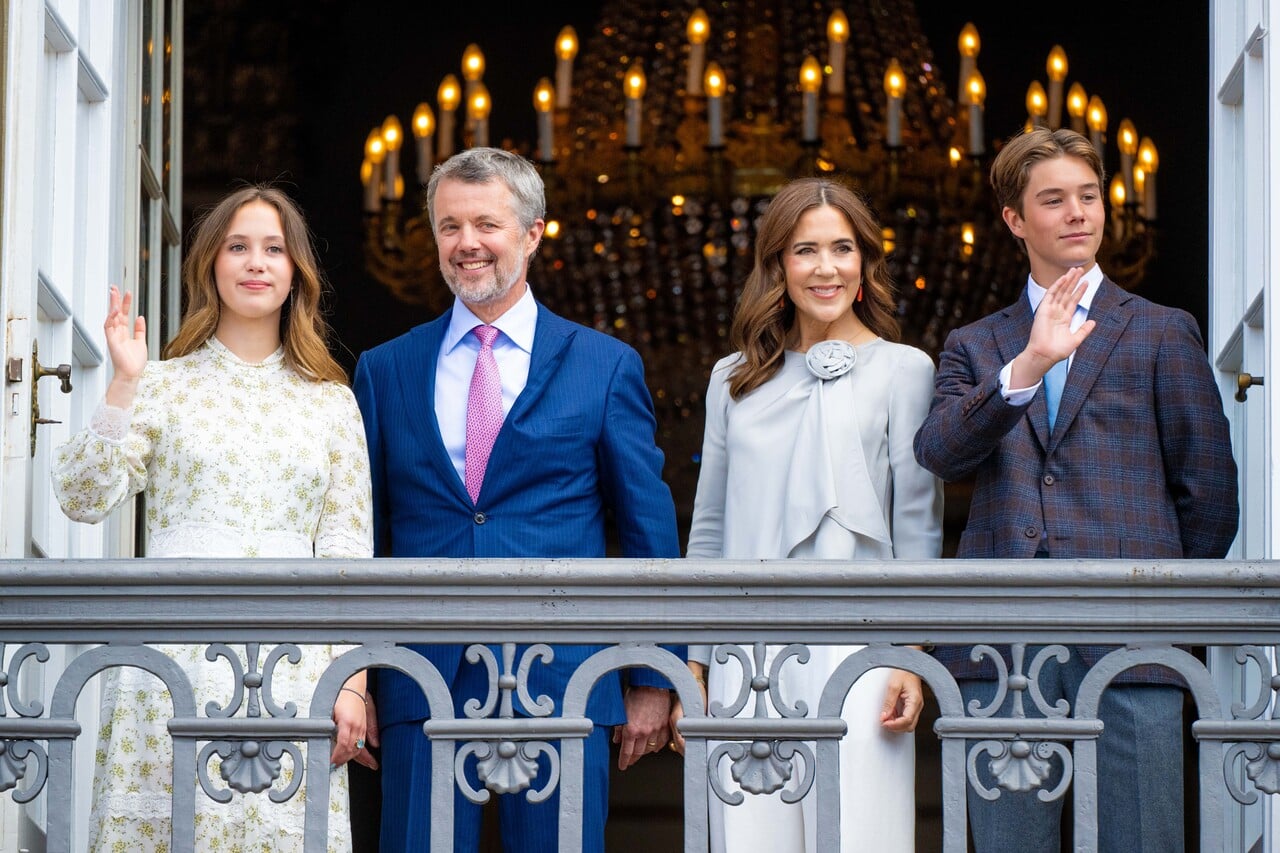
There is something undeniably refreshing about the prospect of a crowned monarch waiting in line for a cinema ticket. While the world has long grown accustomed to European royalty moving almost exclusively behind tinted glass, bespoke motorcades and dense security details, Queen Mary of Denmark has spent two decades quietly proving that palace life does not necessarily mean domestic exile. Long before her husband ascended the throne as King Frederik X in January 2024, the Tasmanian-born royal was regularly spotted navigating the daily rhythms of Copenhagen, from local bistro booths to the dim glow of public cinema screenings.
For an Australian who grew up in suburban Hobart playing hockey and swimming before famously meeting Prince Frederik at Sydney’s Slip Inn during the 2000 Olympics, ordinary personal freedoms were never going to be discarded lightly. Yet, maintaining a grounded family life while raising four children under the scrutiny of the royal spotlight is an intricate balancing act. In a candid interview with the Financial Times, Mary once explained precisely how her household manages to enjoy family outings to the pictures without creating public bedlam – and the unique cultural dynamic that makes it possible.
The Unspoken Danish Etiquette of Personal Space
According to Mary, the ability to take her young family out for casual dinners or weekend film screenings comes down to a distinctly Scandinavian civic grace. While the Danish public are naturally conscious of the royal family’s presence in a room, local culture dictates a generous measure of discretion. Danes, as Mary explained to the Financial Times, deliberately offer the family physical space in public, allowing them to share in communal experiences without facing chaotic crowds.
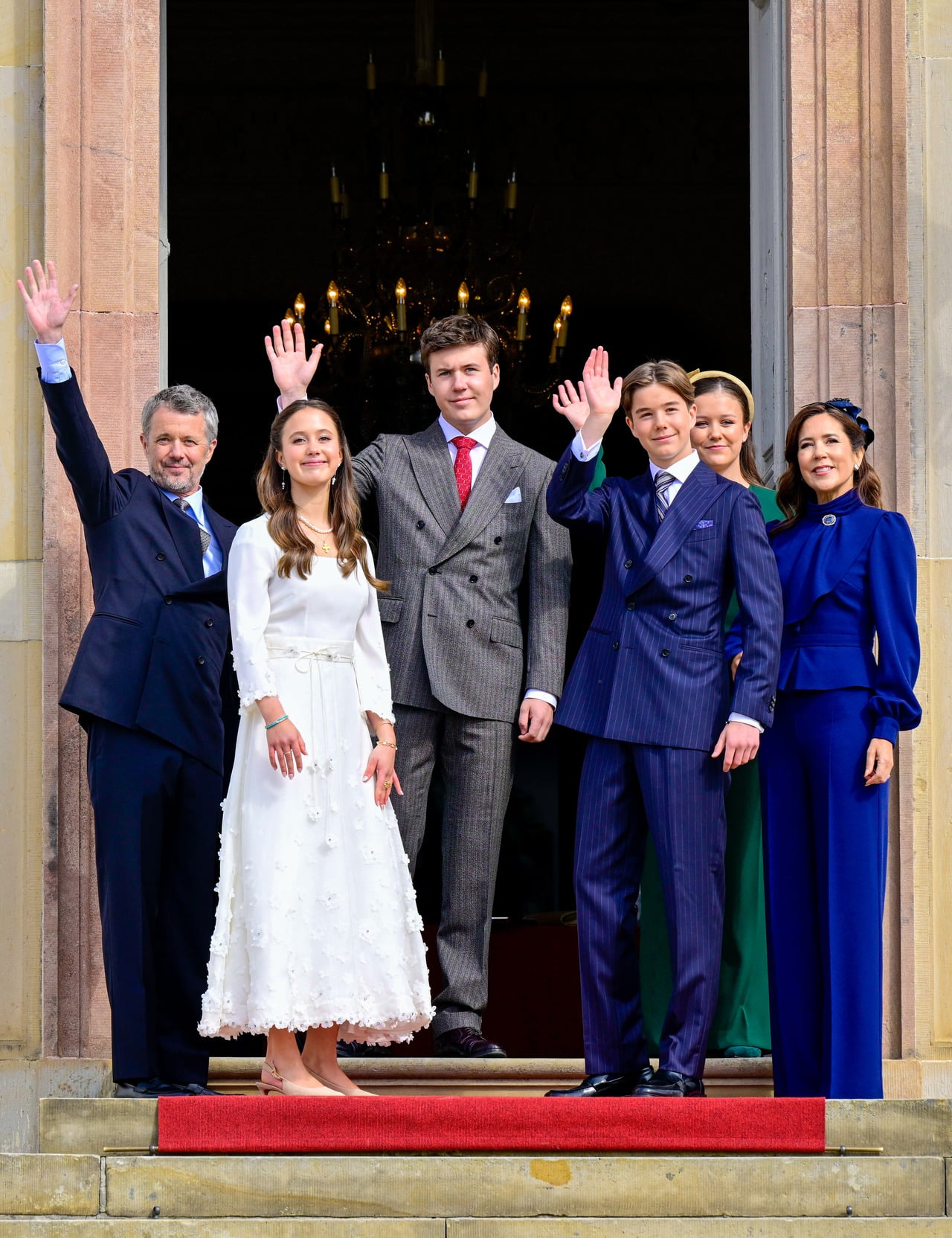
This hands-off approach reflects the broader egalitarian ethos of Denmark, where modesty and restraint are ingrained social virtues. The unwritten social contract ensures that while cinema patrons might instantly recognise their monarchs slipping into a row of seats, the urge to intrude is tempered by a collective respect for normal life. For Mary, whose foundational values remain rooted in Australian unpretentiousness, this communal courtesy allowed her to give Crown Prince Christian, Princess Isabella, and twins Prince Vincent and Princess Josephine an upbringing connected to the real world rather than one confined to palace walls.
The Modern Smartphone Dilemma and the Smile Rule
Still, navigating public life in the digital era involves undeniable compromises. Even if Scandinavian etiquette ensures bystanders keep a respectful physical distance, the ubiquity of mobile camera phones means complete anonymity is impossible. Mary frankly addressed the trade-off that accompanies stepping outside, acknowledging that practically anyone, anywhere, can discreetly capture photos or film video footage of their family outings.
Her strategy for handling that perpetual lens is disarmingly simple. Rather than dispatching security personnel or adopting a frosty regal posture, she relies on open, natural engagement. “But what can you do? I make eye contact with people and smile,” Mary said of coping with candid phone cameras. It is a reaction that reflects her refreshingly modern sensibility: diffusing awkward scrutiny with immediate warmth, turning an intrusive recording into a brief, civil human connection.
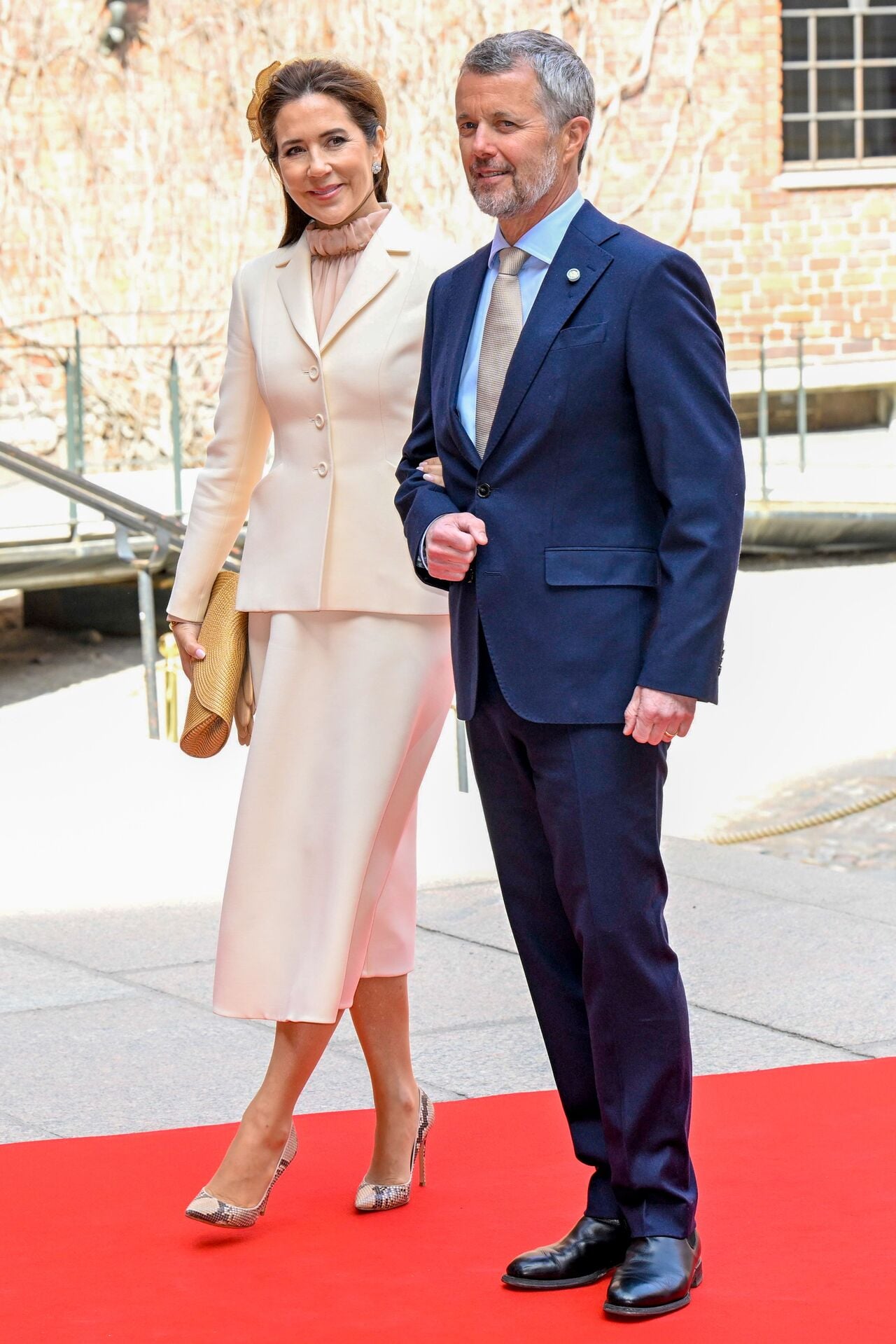
Keeping Four Royal Children Anchored to Reality
That pragmatic perspective carries over into the family’s everyday life around Copenhagen’s parks and public spaces. Beyond trips to the cinema, Mary pointed out how the most mundane neighbourhood encounters – the unscripted moments no palace adviser can stage – keep a high-profile family properly grounded. In the same conversation, she drew upon the democratic ritual of walking the family dog as an example of social levelling: “If you go for a walk and your dog wants to talk to another dog, well, you talk to the person who’s got the other dog.”
It is an uncomplicated philosophy that feels entirely natural for an Australian-born queen who never sought the cloistered isolation historically associated with European courts. By choosing casual cinema sessions and dog-park small talk over fortress-style seclusion, Mary and Frederik have cultivated an accessible, distinctly Scandinavian blueprint for twenty-first-century monarchy. Even following the heightened state duties that arrived with Queen Margrethe II’s historic abdication, that commitment to everyday normalcy remains Mary’s sharpest editorial note: proving that even royal duties leave room for an evening at the movies.