


News feed

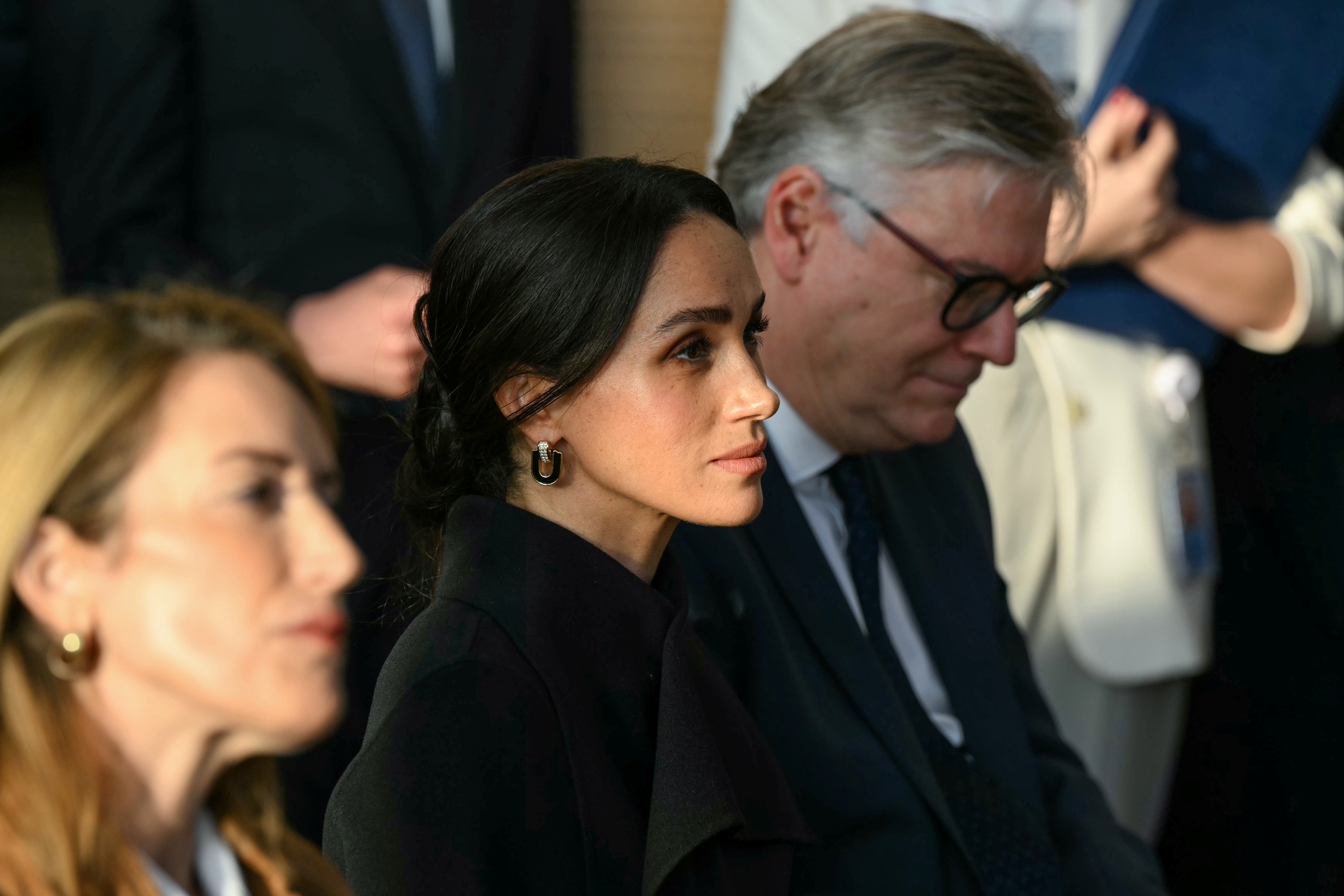
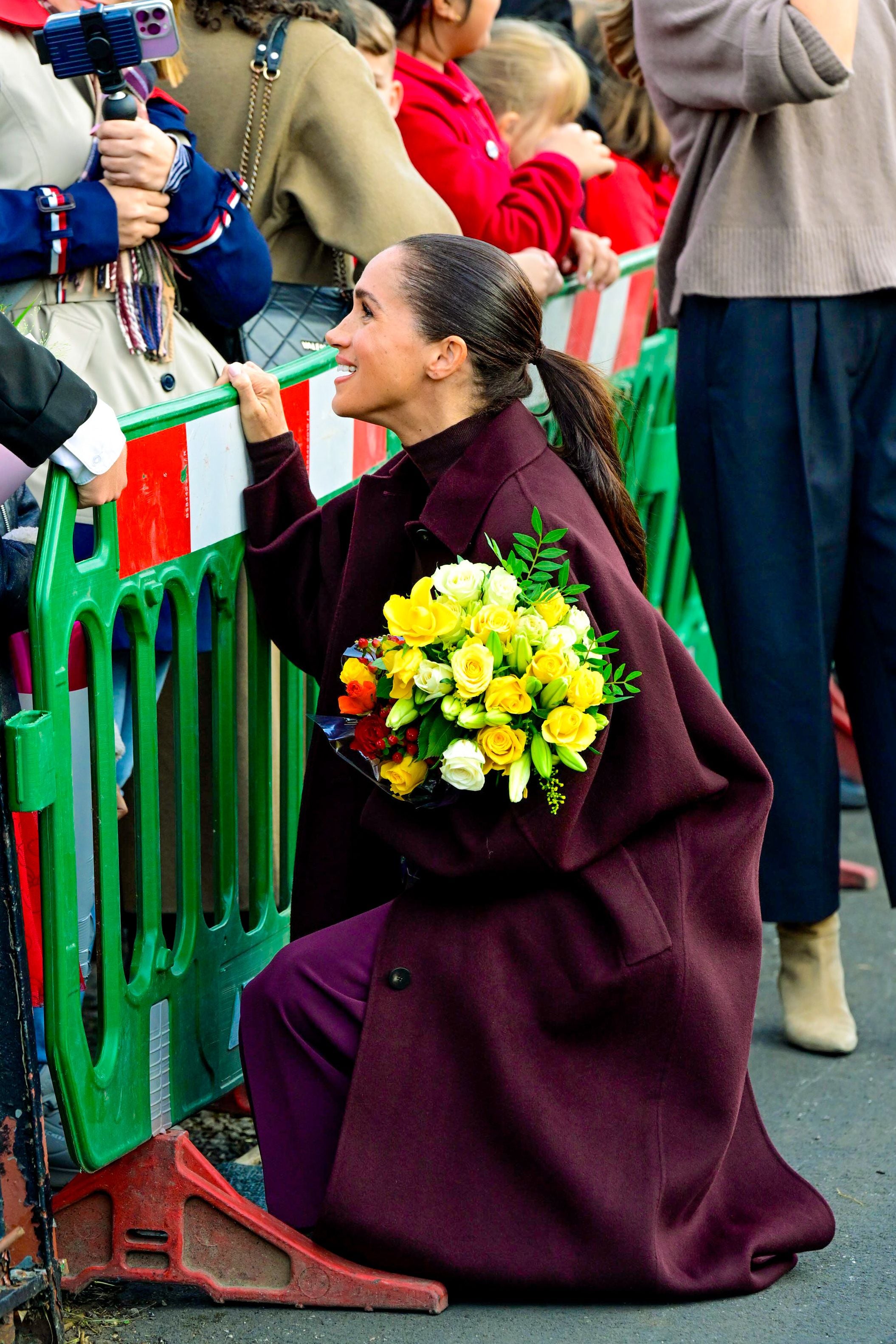
Meghan (C), Duchess of Sussex, attends the opening of “Lost Screen Memorial” at the European Parliament in Brussels on November 10, 2026.
Prince Harry and Meghan Duchess of Sussex visit to the European Parliament, Brussels, Belgium – 10 Nov 2026
In late August 2018, three months after marrying in front of a global television audience, Meghan Markle sat down to write a five-page letter to her estranged father, Thomas Markle. Penned in her meticulous script and spanning roughly 1,250 words, the correspondence was a private plea for him to stop making public appearances in the media. What began as an intimate family fracture, however, rapidly transformed into one of the most consequential media law battles of the modern royal era.
When extensive excerpts of the handwritten correspondence were published in The Mail on Sunday and MailOnline, the leak triggered a two-year legal battle. Contrary to popular belief, the dispute was never an open-court defamation trial played out before a jury. Instead, it hinged on the application of privacy and copyright law, ultimately setting the boundaries between public scrutiny and personal correspondence.
The Domino Effect: From an Anonymous Interview to Tabloid Print
Mandatory Credit: Photo by Shutterstock (17217929ba)
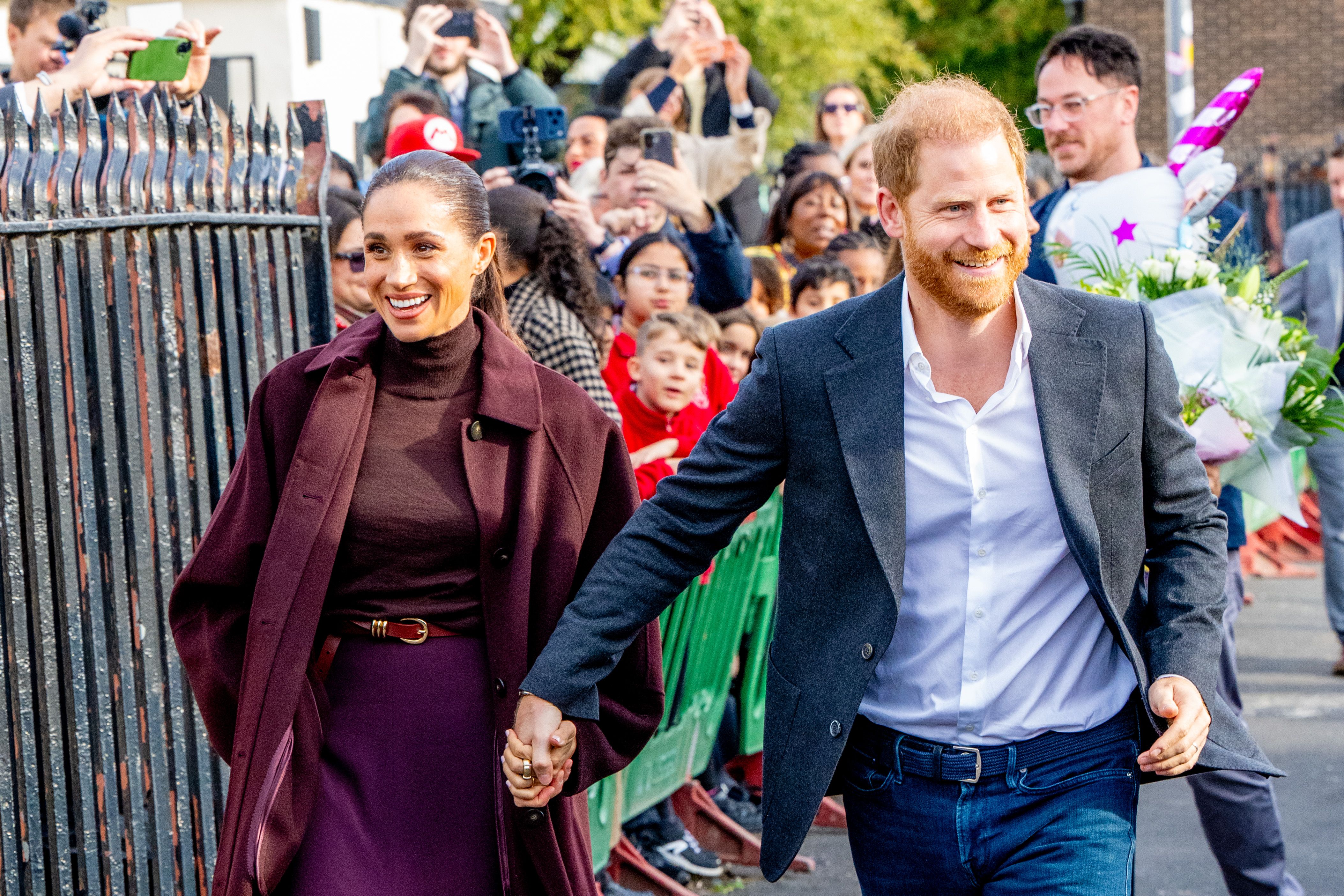
Prince Harry, Duke of Sussex, Meghan Markle, Duchess of Sussex during a visit to the Community Recording Studio (CRS) in Nottingham, UK.
Duke and Duchess of Sussex visit Nottingham, UK – 15 Oct 2026
For six months after the letter was delivered via courier to Mexico, its contents remained entirely private. The catalyst for its public disclosure arrived in February 2019, when five of Meghan’s close friends gave an anonymous interview to American magazine People to defend her against sustained tabloid criticism. In the article, one friend briefly mentioned the correspondence, describing it as a loving attempt to repair relations.
Aggrieved by how the situation was framed, Thomas Markle provided the physical pages to Associated Newspapers Limited (ANL), the publisher of The Mail on Sunday and MailOnline. Over the weekend of 9–10 February 2019, the publisher ran five separate articles detailing the correspondence. The coverage went far beyond reporting on the letter’s tone; the outlet reproduced 585 verbatim words – nearly half of the entire draft – alongside photographs of her distinctive handwriting.
The High Court Showdown: Why Meghan Won Without a Trial
Meghan launched legal proceedings in October 2019, citing misuse of private information and copyright infringement. Rather than heading towards a potentially invasive witness trial where both father and daughter would face cross-examination, her legal team made a strategic procedural move by seeking summary judgment. Under English civil procedure, this allowed the judge to determine the outcome without a full trial because the publisher had no realistic defence to present.
On 11 February 2021, Mr Justice Warby delivered a decisive ruling in Meghan’s favour. The judge concluded that the Duchess held an undeniable “reasonable expectation of privacy” in a personal communication outlining her emotional anguish. “It was, in short, a personal and private letter,” Mr Justice Warby said, noting that the text focused heavily on her own feelings regarding her father’s behaviour. The High Court determined that reprinting such substantial extracts was “manifestly excessive and hence unlawful.”
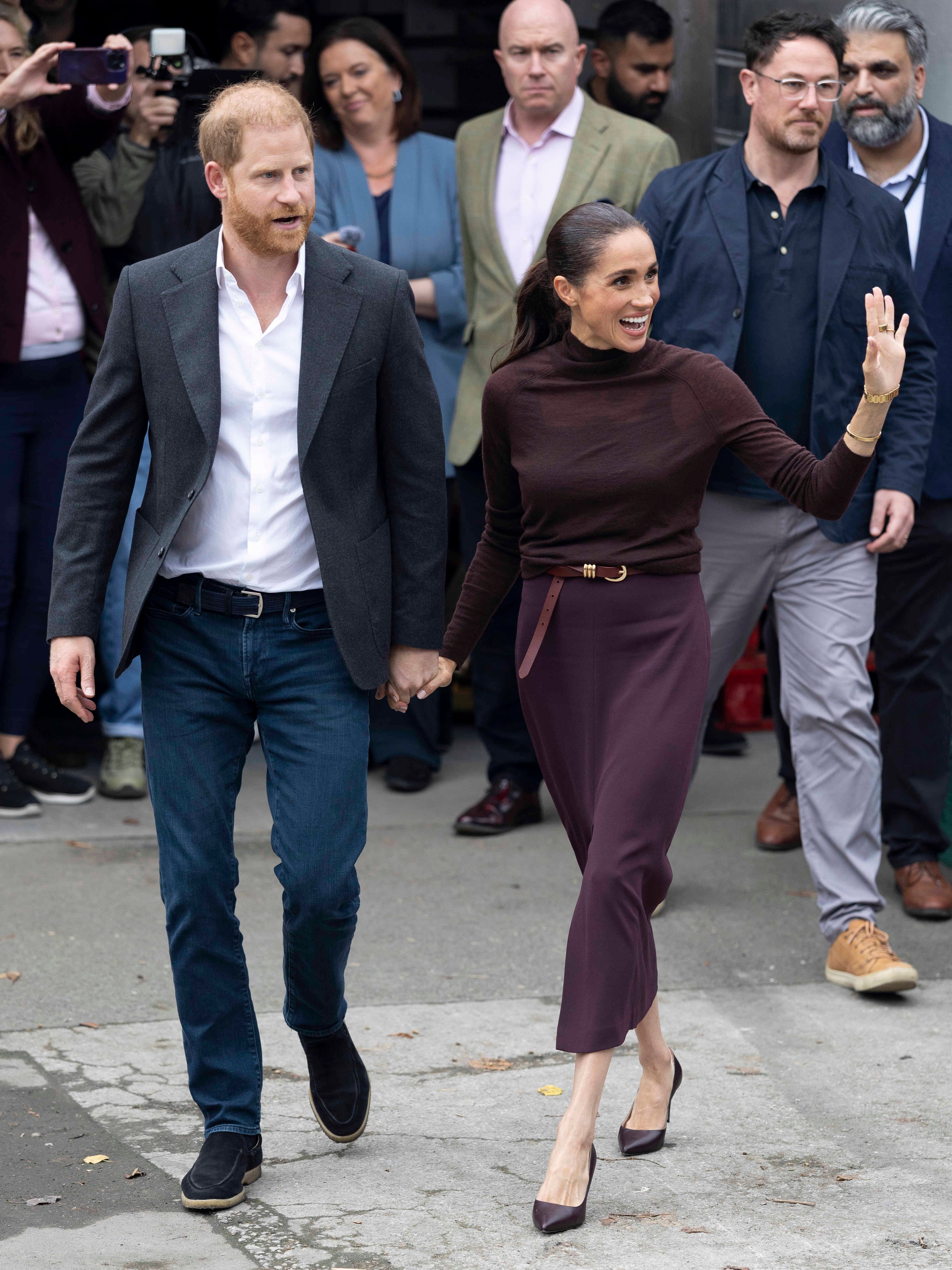
Prince Harry and Meghan, Duchess of Sussex, visit the Community Recording Studio (CRS) in Nottingham as part of their first Joint Engagement since arriving back in the UK
Harry and Meghan, Nottingham, UK – 15 Oct 2026
Mandatory Credit: Photo by Shutterstock (17217929e)
Meghan Markle, Duchess of Sussex during a visit to the Community Recording Studio (CRS) in Nottingham, UK.
Duke and Duchess of Sussex visit Nottingham, UK – 15 Oct 2026
The Copyright Trap and the Failed Court of Appeal Challenge
While the privacy argument captured headlines, intellectual property proved equally decisive. ANL attempted to rely on a “fair dealing” defence, arguing that reprinting large substantial portions of the letter was necessary to allow Thomas Markle to correct the public record following the People article. The High Court dismissed this rationale, determining that publishing 585 of her exact words went far beyond legitimate rebuttal and breached her copyright as the sole author.
ANL appealed the decision in late 2021, producing witness statements from Meghan’s former communications secretary, Jason Knauf. Messages revealed that while drafting the letter, Meghan had recognised that the text could theoretically be leaked to the press and had chosen her phrasing carefully. The publisher argued that this awareness demonstrated the letter was a strategic public relations document rather than genuine personal correspondence.
The Court of Appeal was unconvinced. On 2 December 2021, Sir Geoffrey Vos, Master of the Rolls, dismissed the appeal entirely. Vos confirmed that planning for the unfortunate contingency of an unauthorised leak does not waive one’s legal right to privacy, nor does it grant a national media organisation permission to reproduce a private manuscript. The ruling forced the publisher to print a front-page apology, carry an online notice for seven days, and settle substantial legal costs, bringing the dispute to a definitive end.