


News feed
When Chanel transformed Sydney’s Barangaroo with beige barricades and an estimated $20 million showcase on 5 November, the glamour hid a ruthless calculation. Beyond the front-row star power, this unprecedented Australian spectacle marks a calculated play for the nation’s wealthiest patrons.
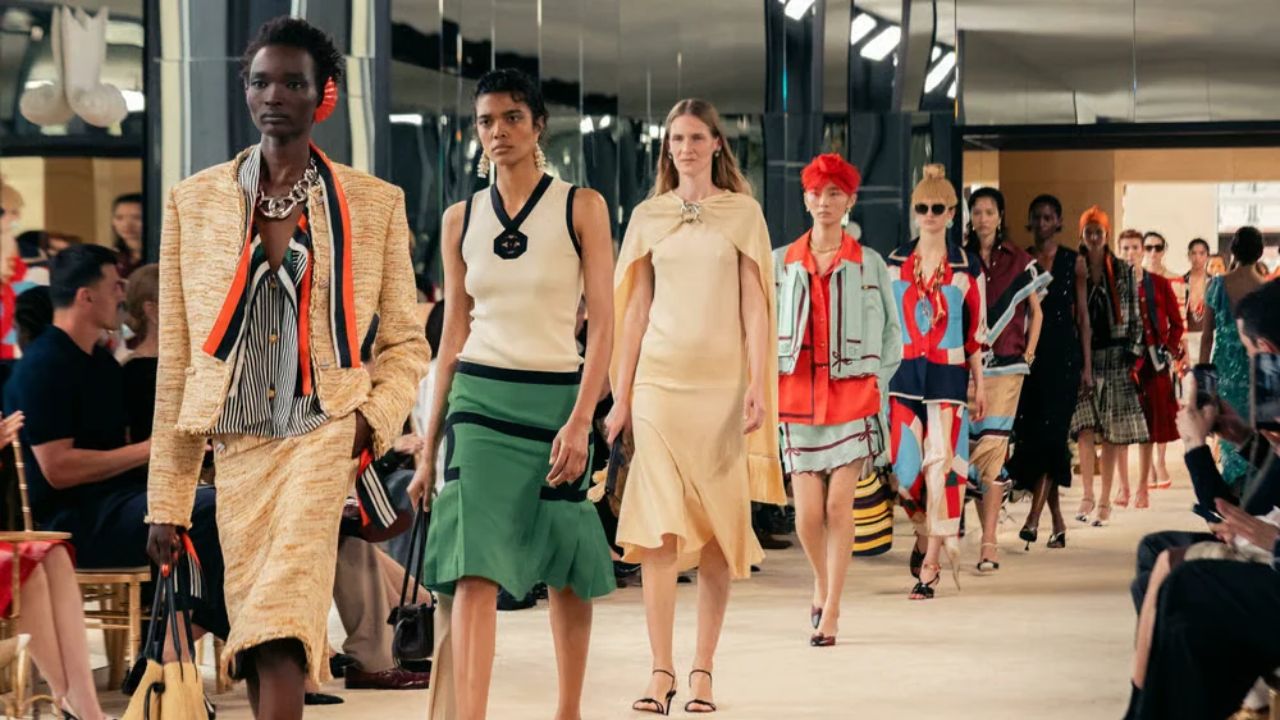
On 5 November 2026, Hickson Road at Barangaroo ground to an eerie, immaculately choreographed halt. A fleet of tinted vehicles formed what resembled a foreign dignitary’s motorcade, while security teams and sniffer dogs paced alongside hundreds of metres of crowd-control barricades upholstered in house-signature beige canvas. Below ground level, inside the cavernous sandstone walls of The Cutaway, Chanel restaged its Cruise 2026/27 collection – marking the French maison’s first runway presentation on Australian shores.
With a front row anchored by Nicole Kidman, Margot Robbie and Baz Luhrmann, followed by an afterparty headline performance from Kylie Minogue, the spectacle seemed like pure high-fashion glamour. Yet beneath the Biarritz-inspired tweed, delicate maritime stripes and breezy silk chiffon lay a disciplined commercial calculation. The storied French house did not fly three hundred staff, 80 runway models and bespoke Parisian staging across the globe on a whim. Chanel brought its travelling circus to Sydney because Australia has quietly become one of the most lucrative and resilient wealth corridors in luxury retail.
The Anatomy of a Multi-Million-Dollar Takeover
Industry estimates place Chanel’s expenditure for the Sydney showcase between $10m and $20m, an extraordinary figure that reflects the bespoke nature of the exercise. The maison did not simply hire an event space; it imported an entire aesthetic universe. Original French gilded baroque armchairs were freighted from Paris to duplicate the Biarritz front row, accompanied by mirrored ceilings, expansive beige wool carpeting and custom 45-metre floral urns commissioned from Coffs Harbour ceramicist Damion Fuller.
Crown Towers Sydney functioned as Chanel Central throughout the week, complete with a dedicated pop-up concierge desk stationed in the marble foyer to look after visiting executives, models and VIPs. Beyond the harbour-side venue, the brand orchestrated an intricate, highly curated itinerary designed to showcase Sydney at its most photogenic. There were media cocktails at Justin Hemmes’ Hermitage estate in Vaucluse, private swims at Bondi Icebergs and an evening with the Australian Ballet at the Sydney Opera House, a nod to the fashion house’s long-standing heritage partnership with the company.
Courting the Lucrative Two Percent
While roughly 1,300 guests attended the two catwalk sessions, the real focus of the operation was clear: the 800 domestic and regional Very Important Customers (VICs) sitting front and centre. Data from Bain & Company demonstrates that VICs represent a mere 2% of the global personal luxury customer base yet generate nearly half of total sector revenues. With annual outlays running anywhere from US$20,000 to more than $1m, securing their enduring loyalty warrants substantial hospitality.
Treating those clients to a sunset dinner at Shelly Beach in Manly – an occasion that required Northern Beaches Council to grant a rare exemption to its strict alcohol ban – proved that Chanel views Australia not as an emerging testing ground, but as an established, high-yield market. According to the UBS 2026 Global Wealth Report, Australia ranks third globally in median wealth per capita and is home to 1.6 million US-dollar millionaires. With half of the brand’s eight freestanding Australian boutiques situated in Sydney, catering directly to this cohort on home soil is simply shrewd business.
A Tale of Two Australian Retails
The presence of such unabashed opulence provided a surreal backdrop to the broader Australian economic landscape. On the exact Thursday Chanel filled Barangaroo with five-figure flap bags, David Jones – the nation’s 188-year-old department store institution – entered voluntary administration. The heritage retailer had quietly vacated its level 7 Chanel footwear boutique only two months earlier.
This striking contrast underscores the widening chasm in Australian consumer spending. While rising interest rates and living pressures strain middle-tier shopping precincts, top-tier luxury continues to operate in an insulated stratosphere. Chanel’s local operations generated more than half a billion dollars in sales revenue last year, according to ASIC filings, proving that domestic appetite for ultra-luxury goods remains remarkably buoyant regardless of broader macroeconomic winds.
A Global Coming of Age for Sydney
For decades, the standard complaint within domestic fashion circles was geographical isolation – the persistent tyranny of distance that saw major houses bypass Oceania for transit hubs like Singapore, Tokyo or Hong Kong. Chanel’s Sydney production decisively dismantles that narrative.
“We are this amazing country, but some people think we’re far away,” Baz Luhrmann noted following the evening presentation. “It’s a real coming-of-age moment.”
By treating Sydney not merely as a boutique sales outpost but as an international cultural stage worthy of couture-level investment, Chanel has effectively recalibrated Australia’s position on the global luxury circuit. The beige barricades may have departed Hickson Road, but the message delivered inside The Cutaway was unequivocal: Sydney has graduated from spectator to indispensable destination.