

News feed

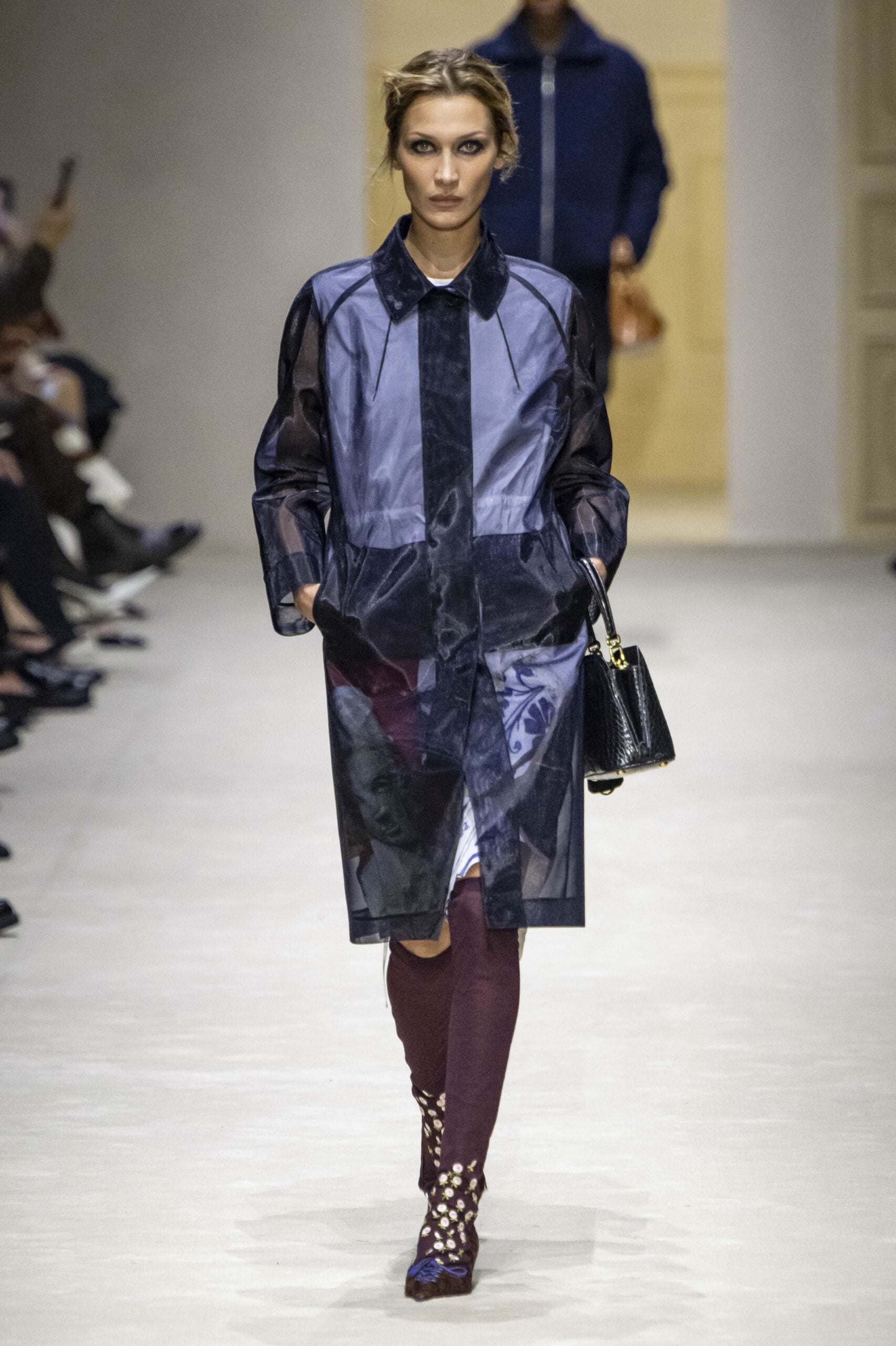
At Prada this season, excess was met not with more, but with meaning.
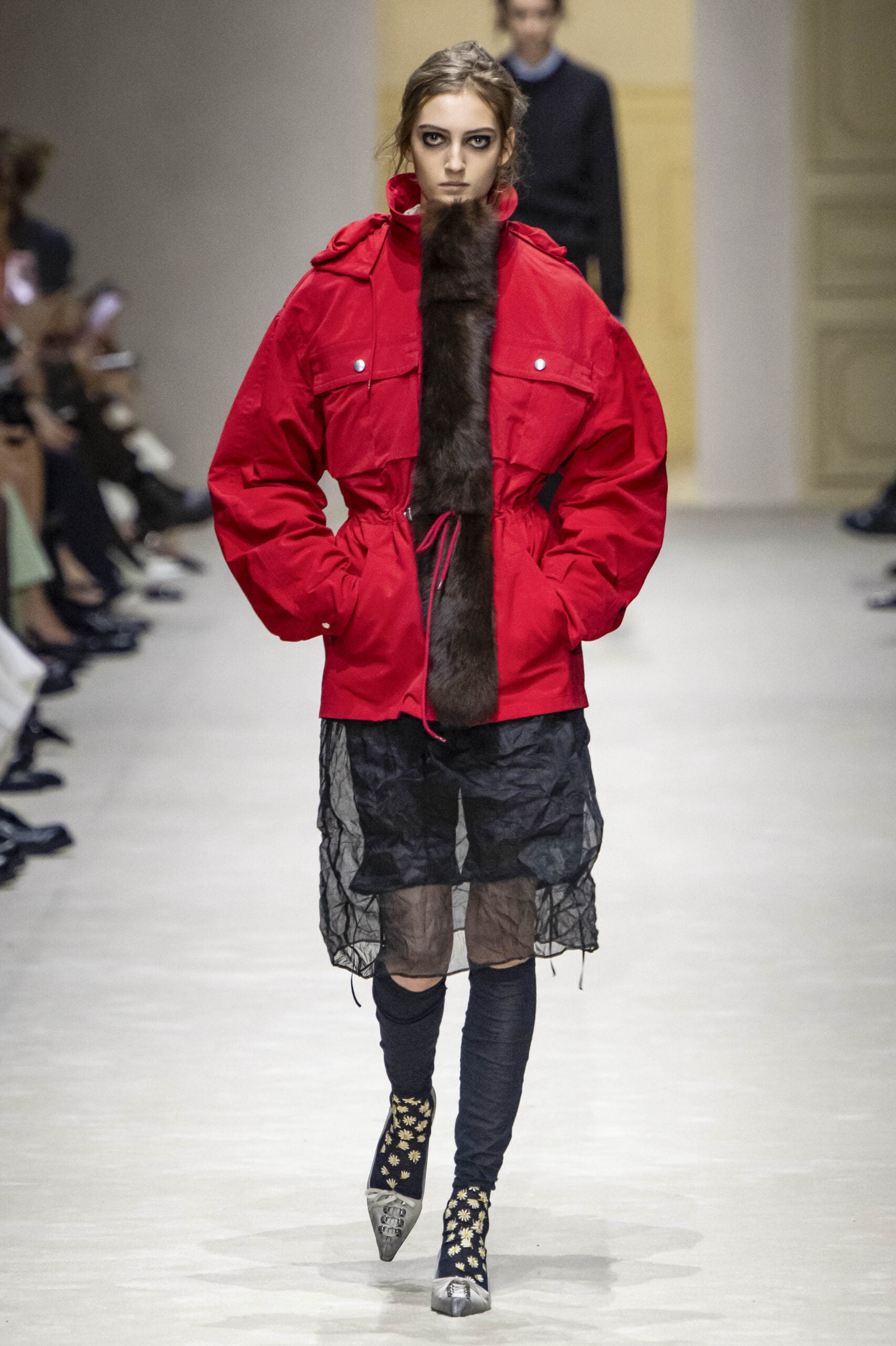
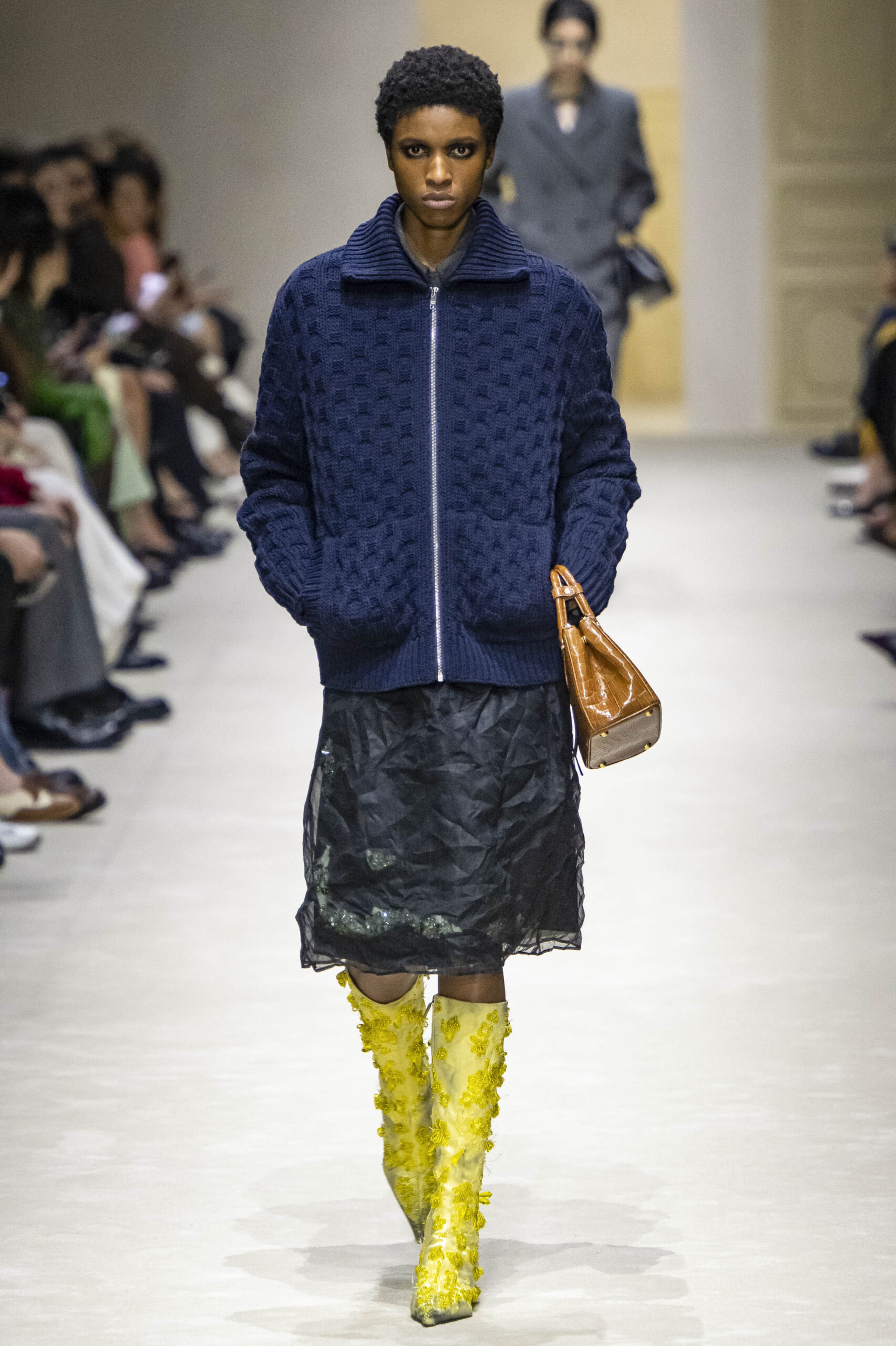
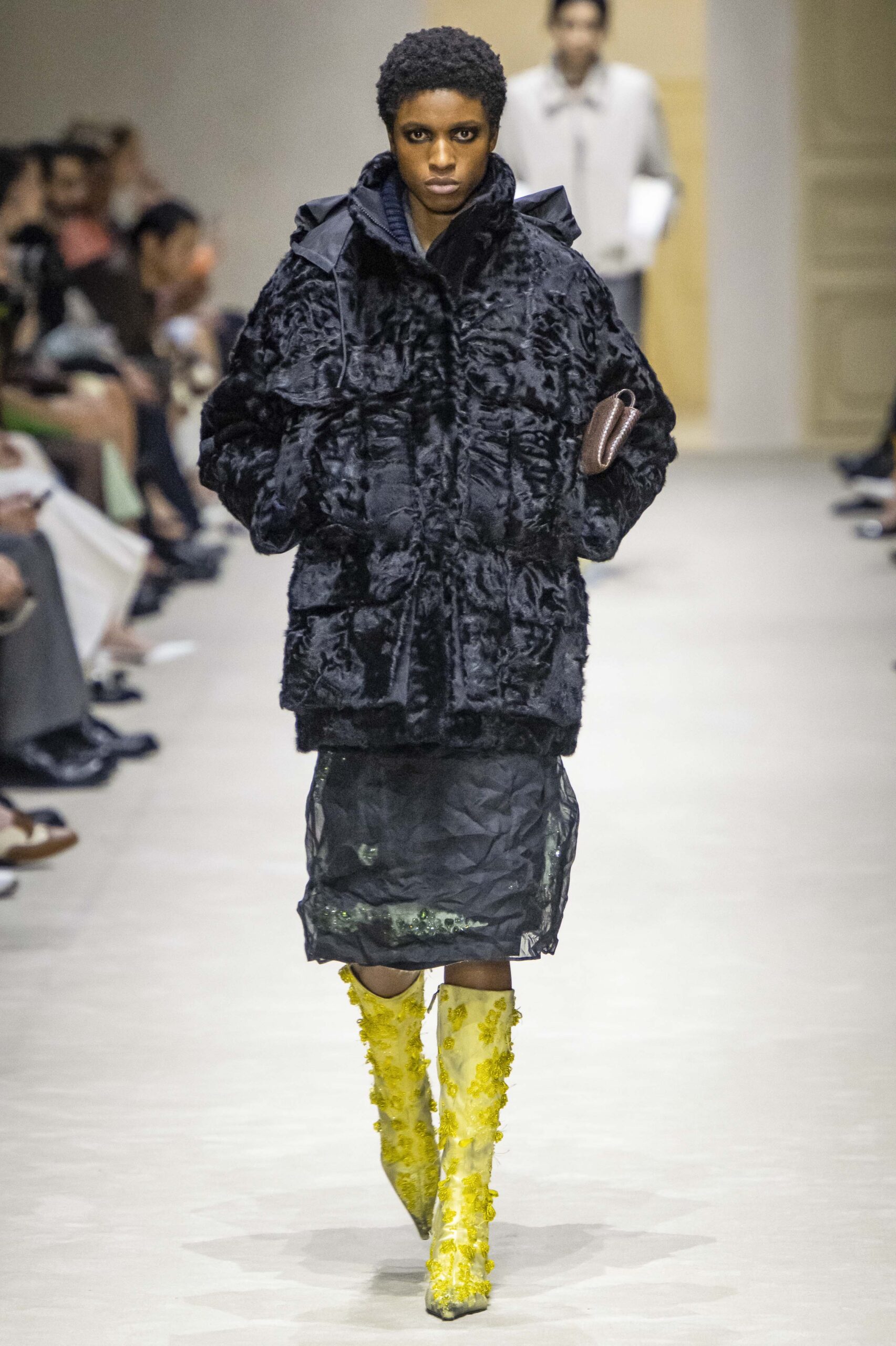
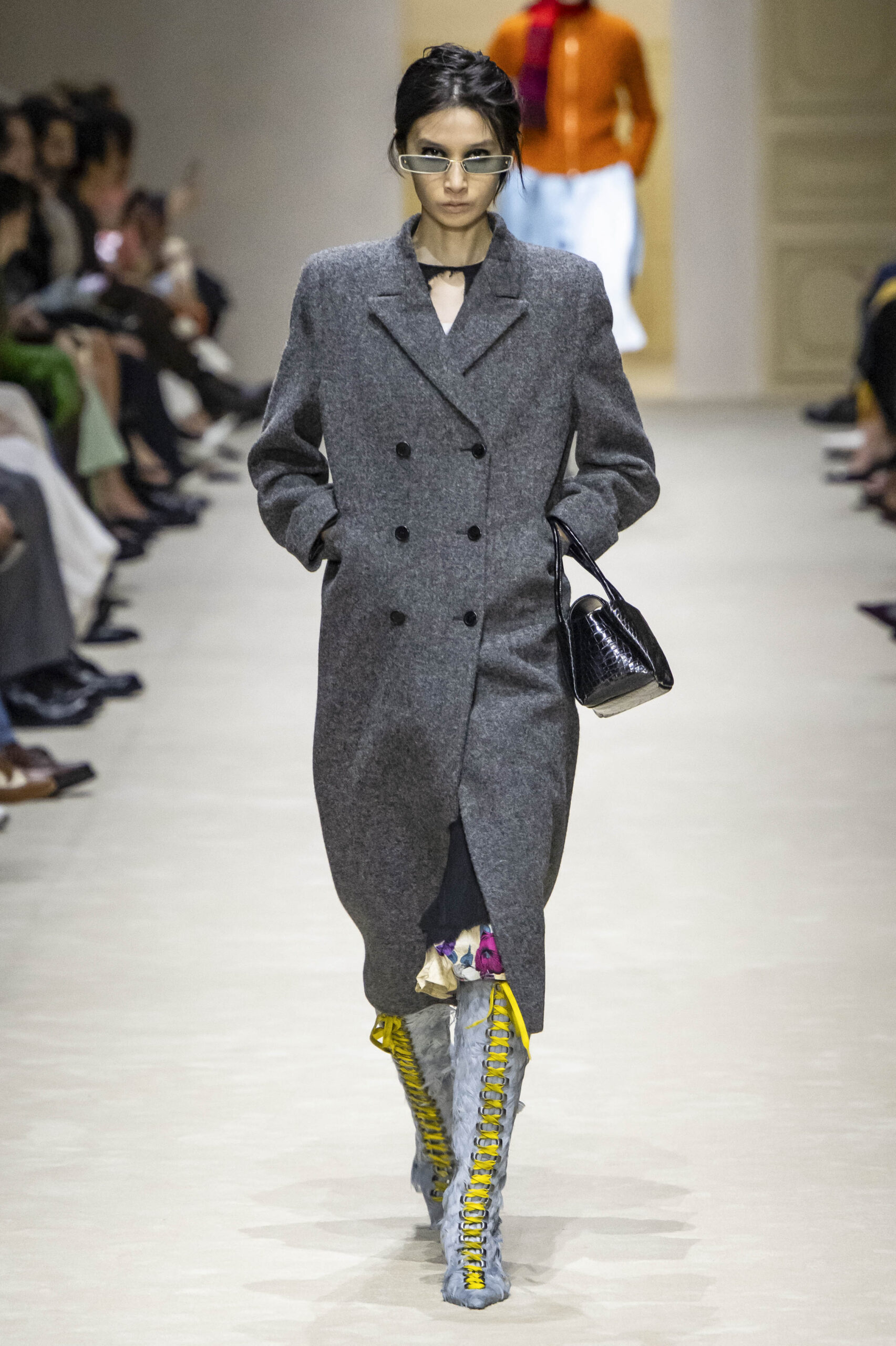
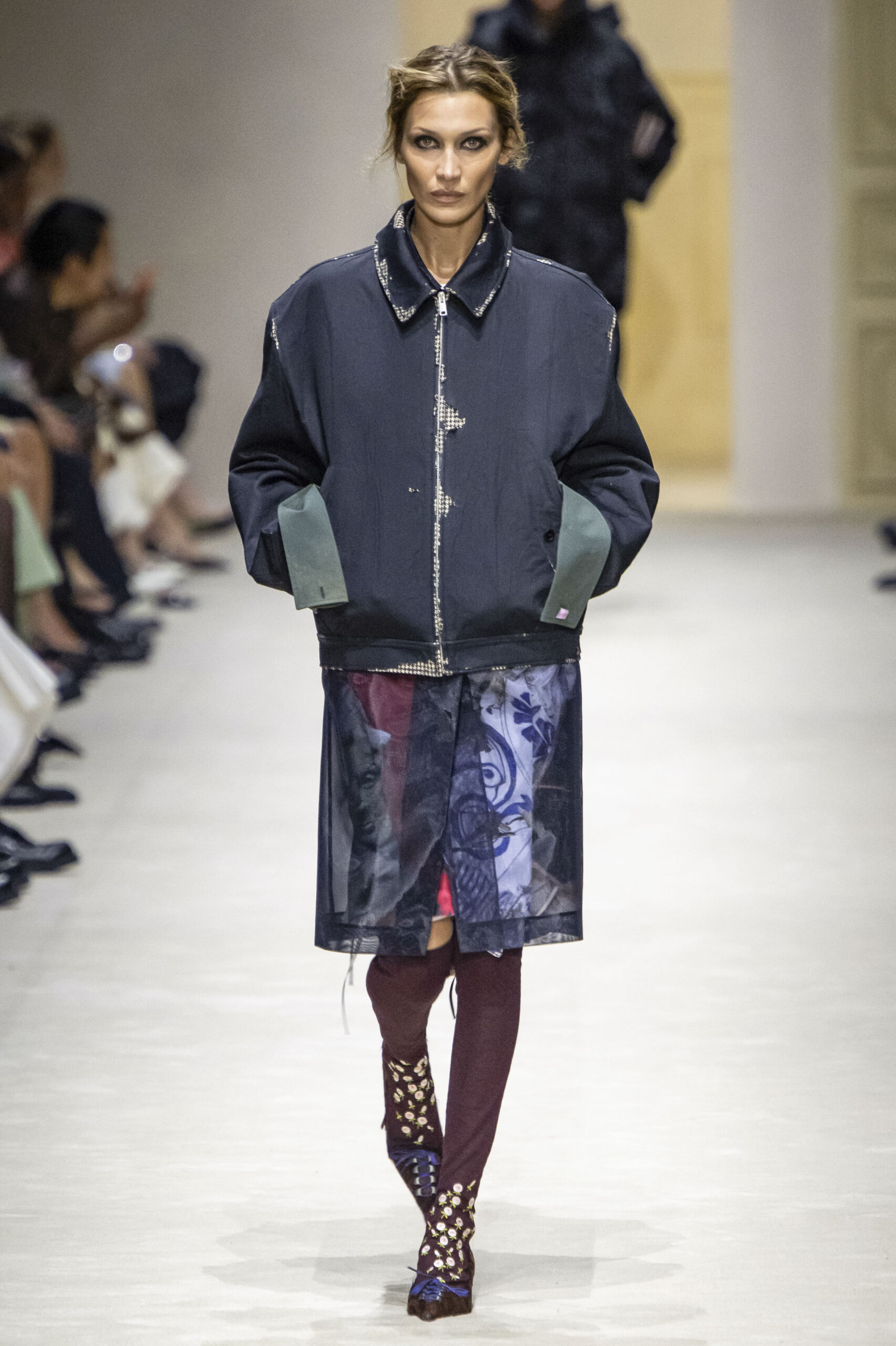
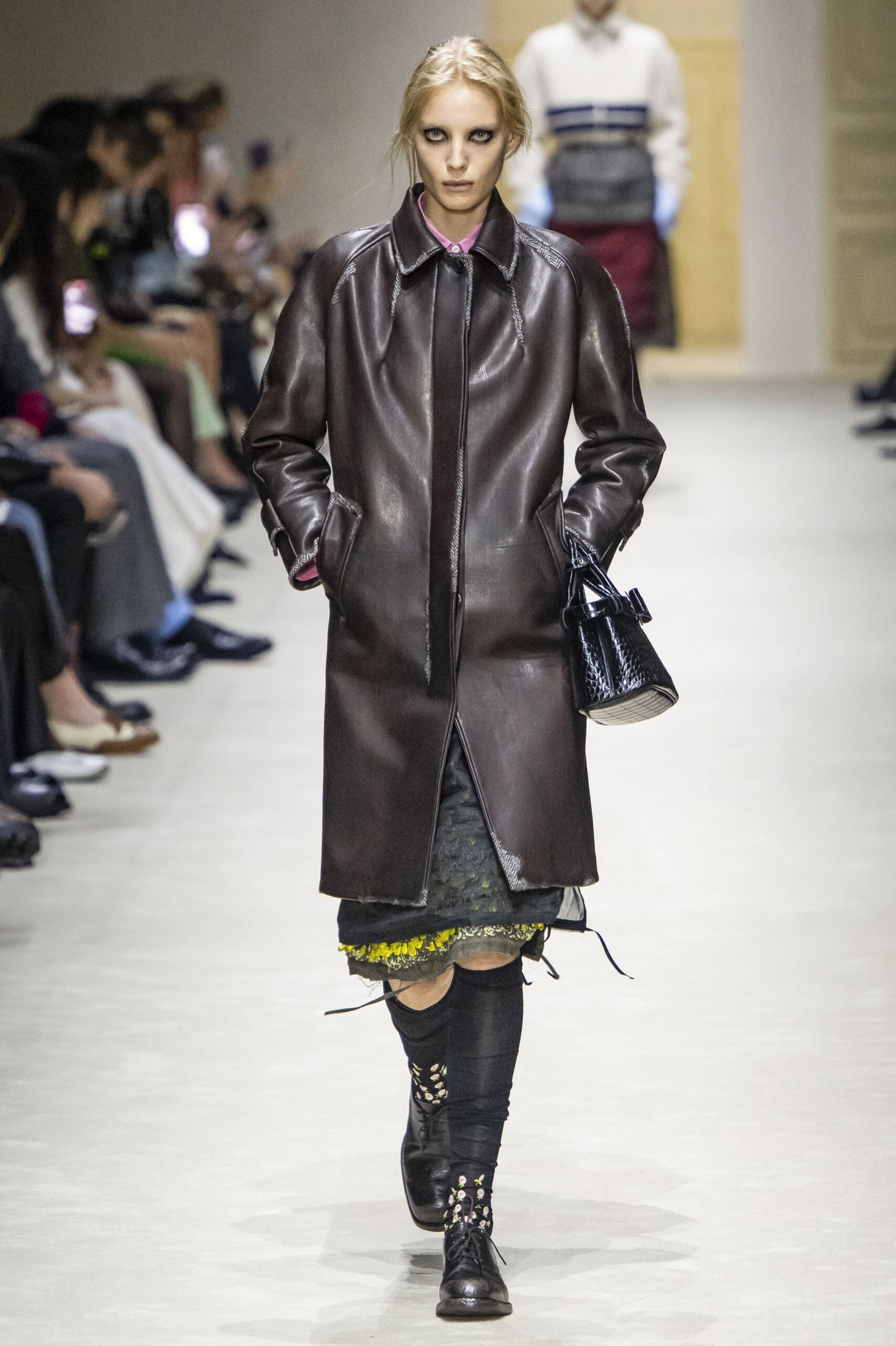
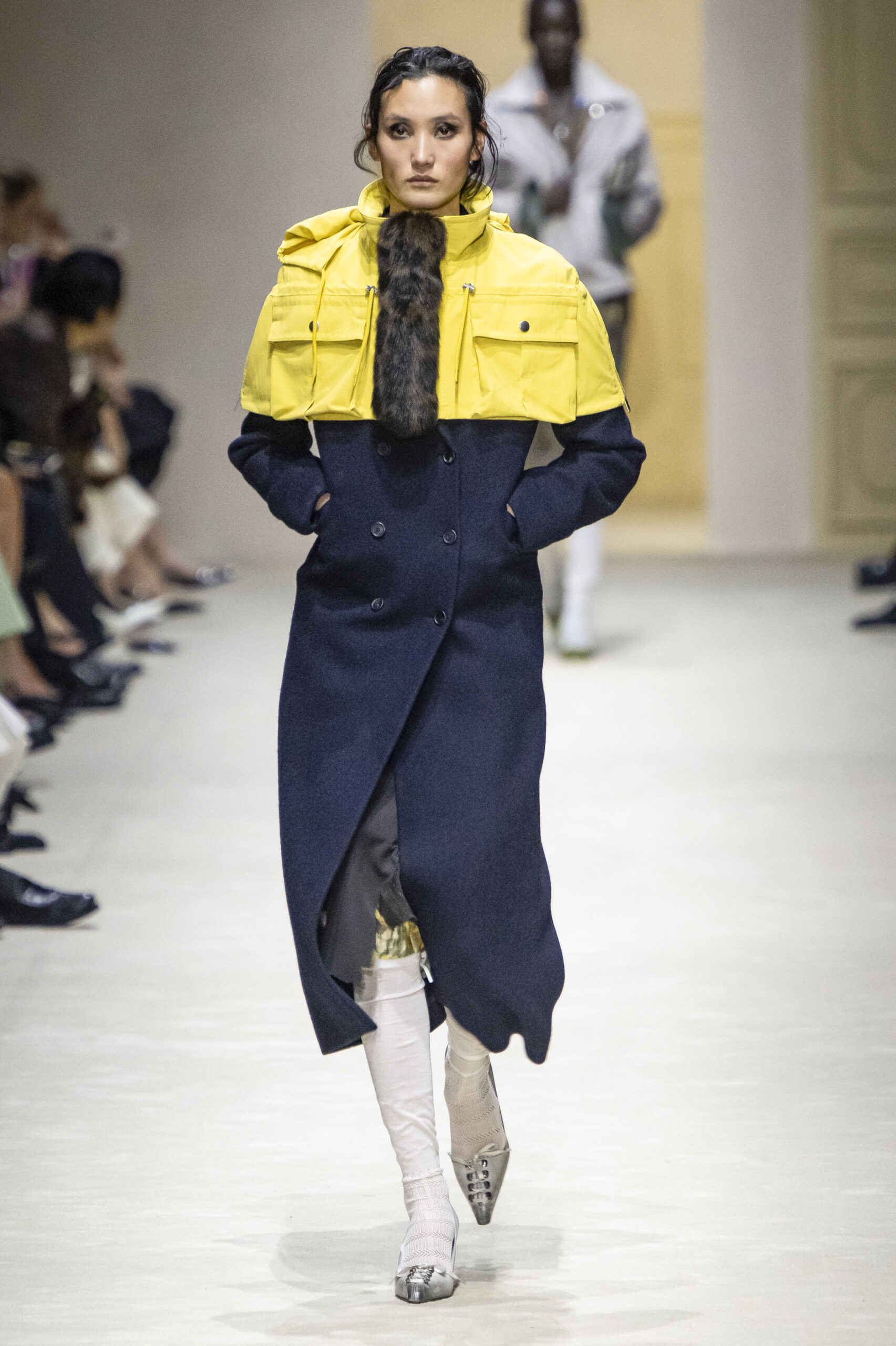
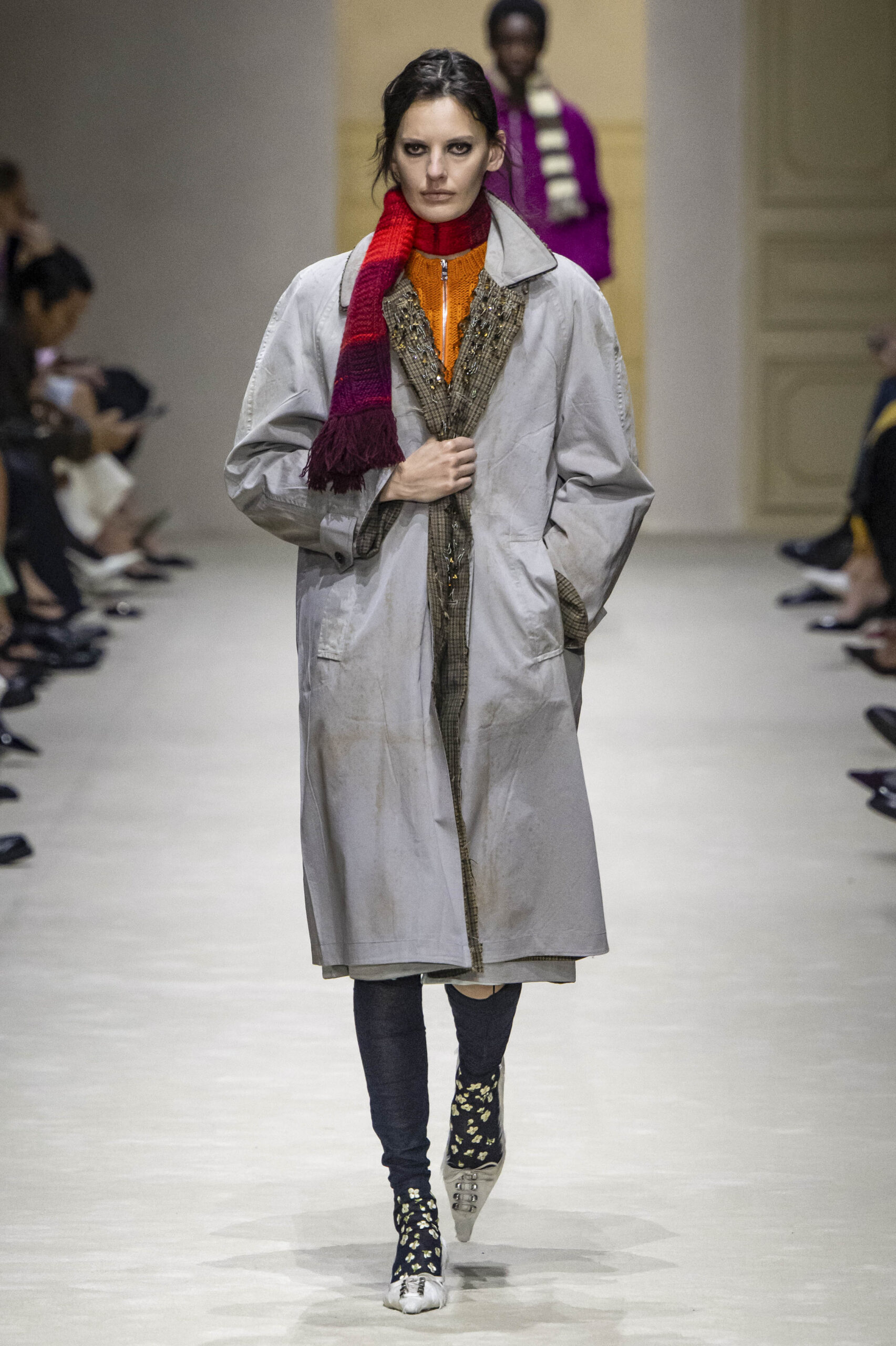
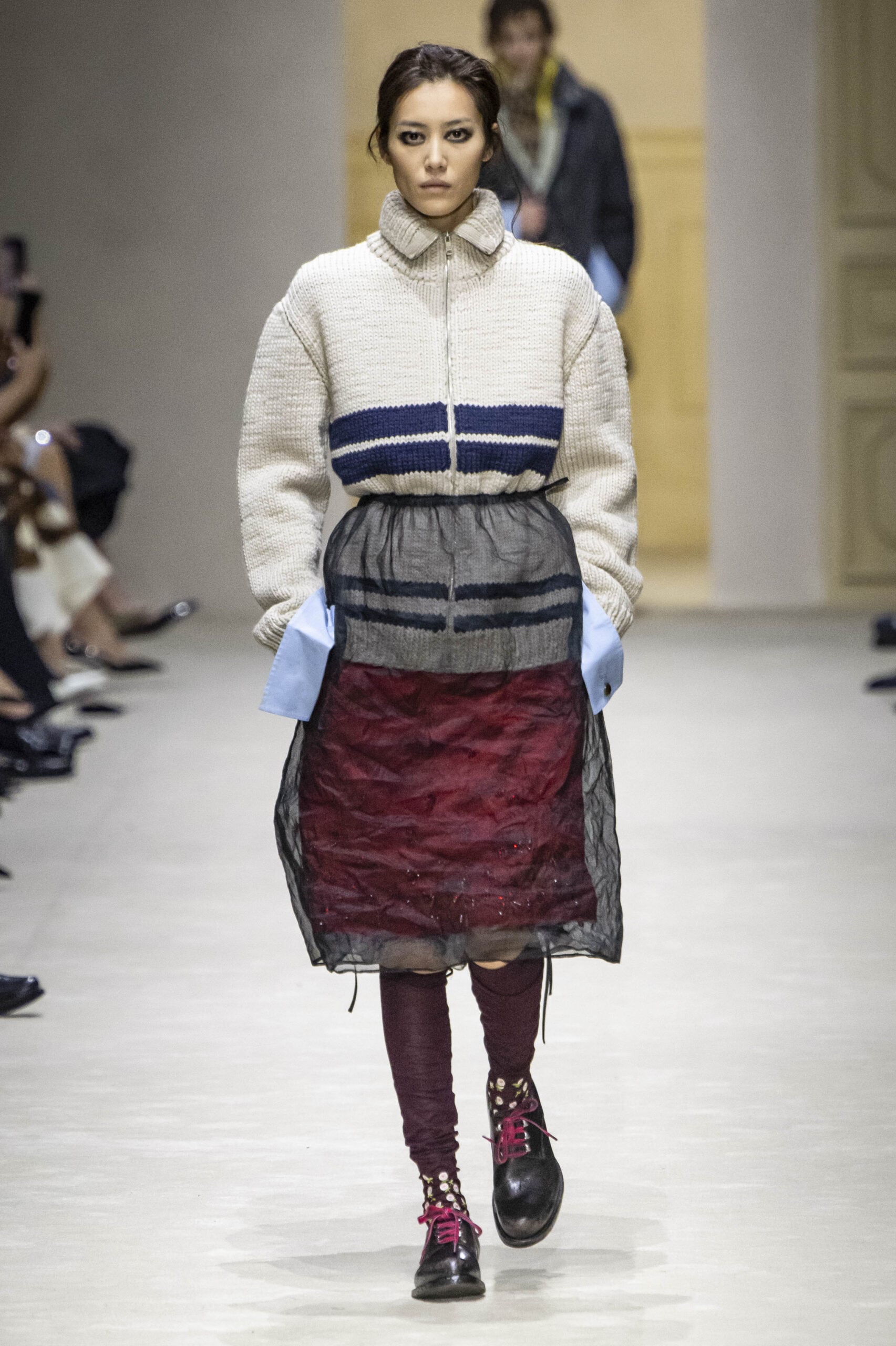
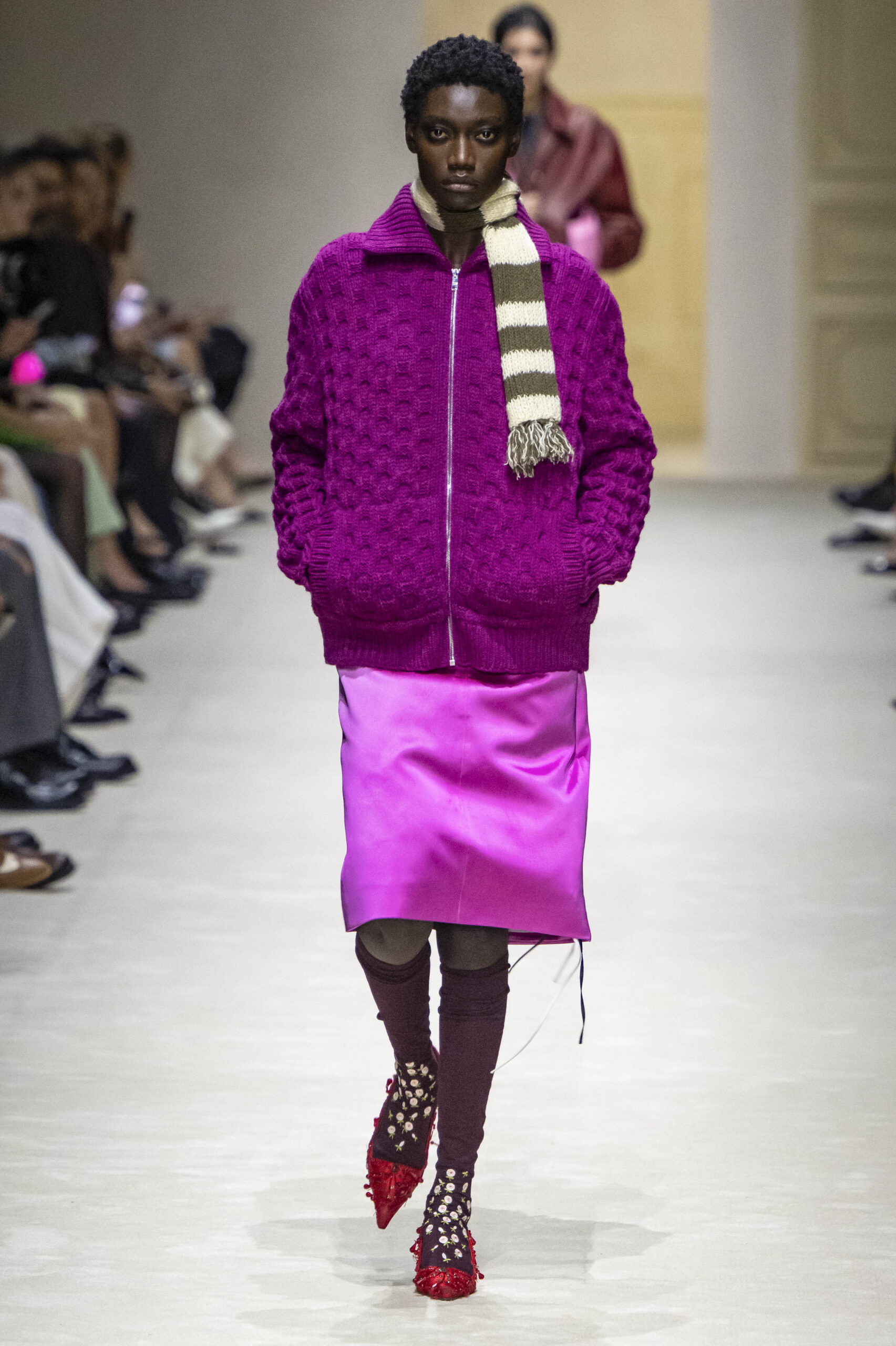
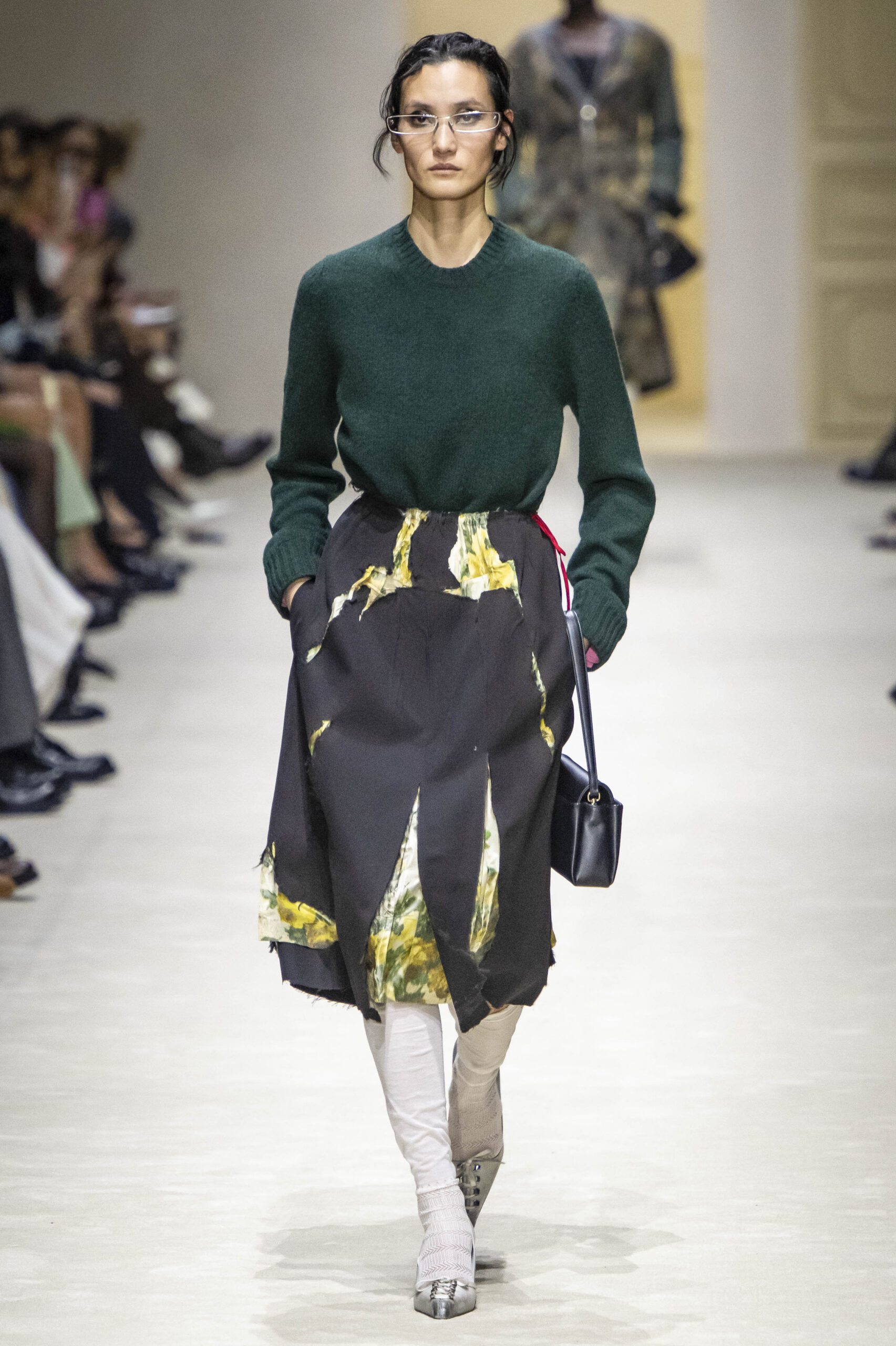
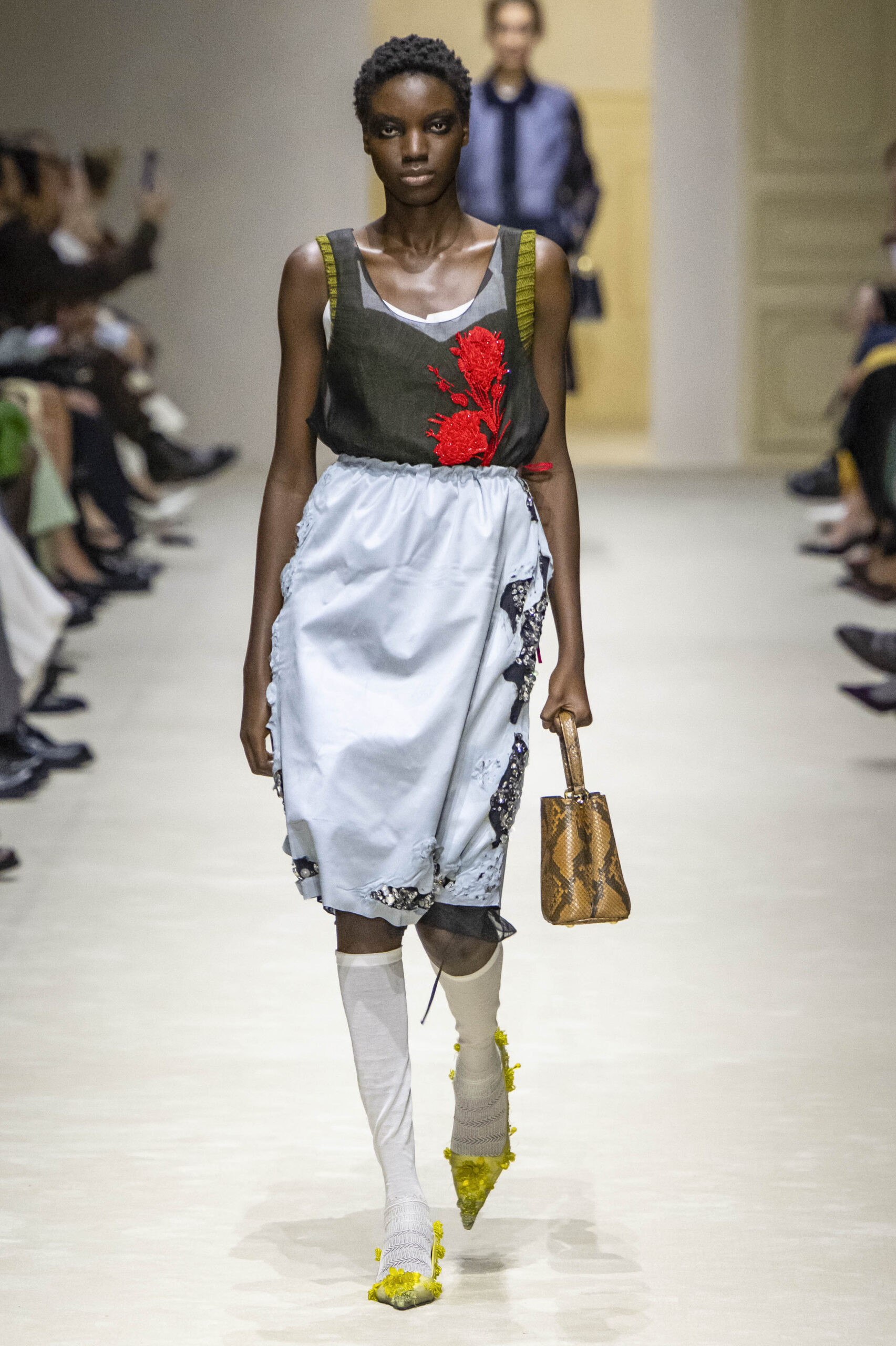
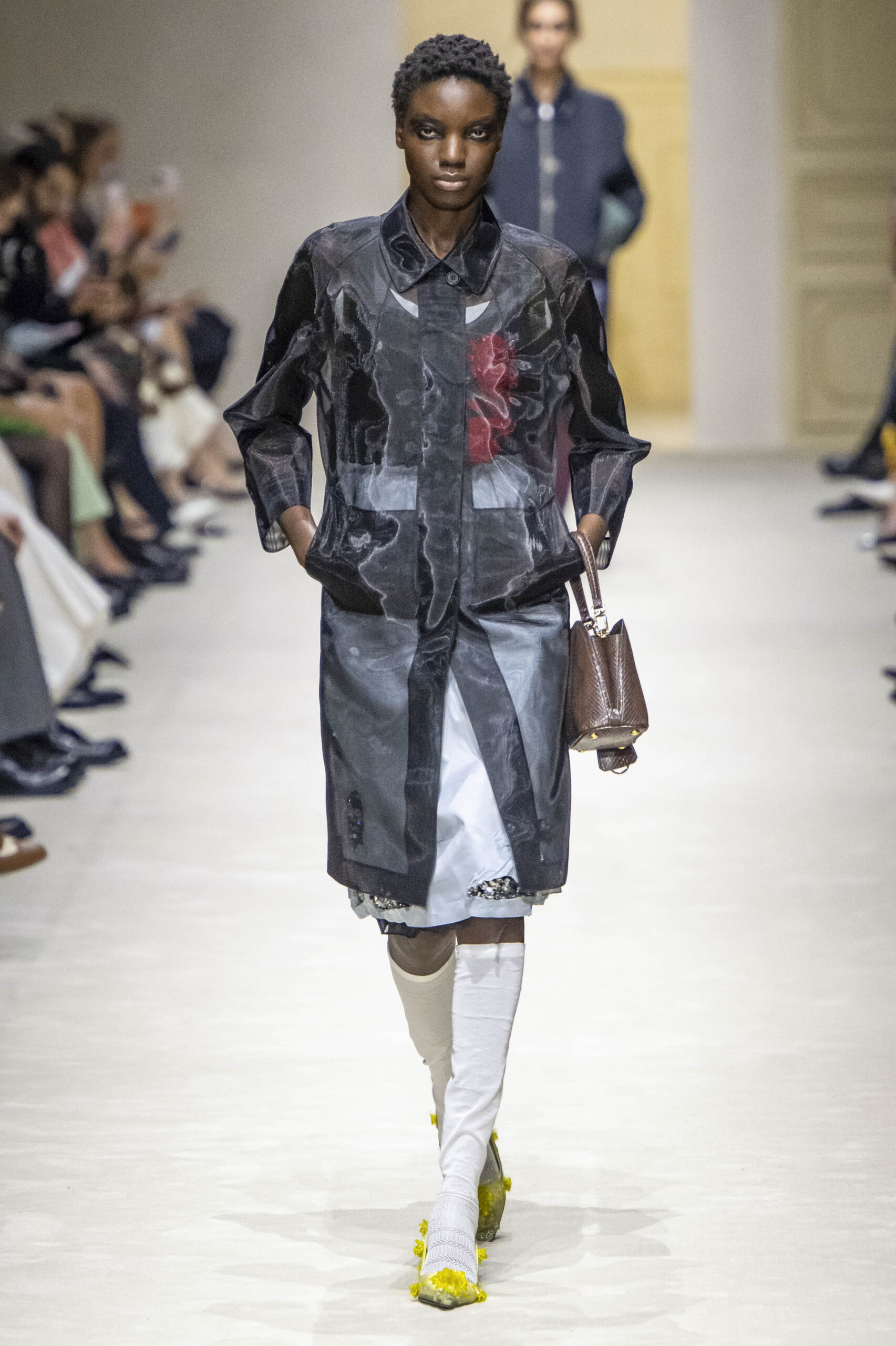
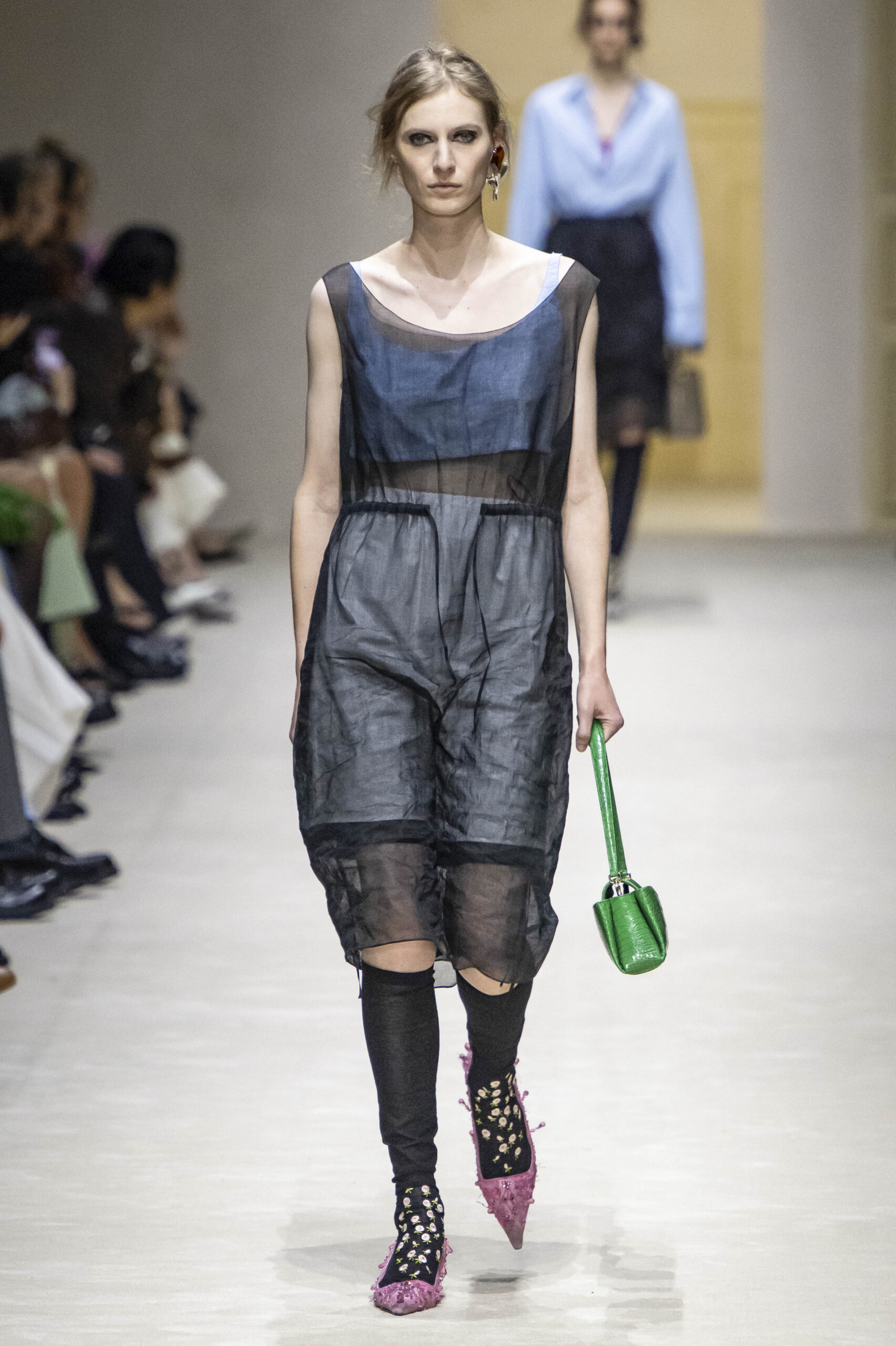
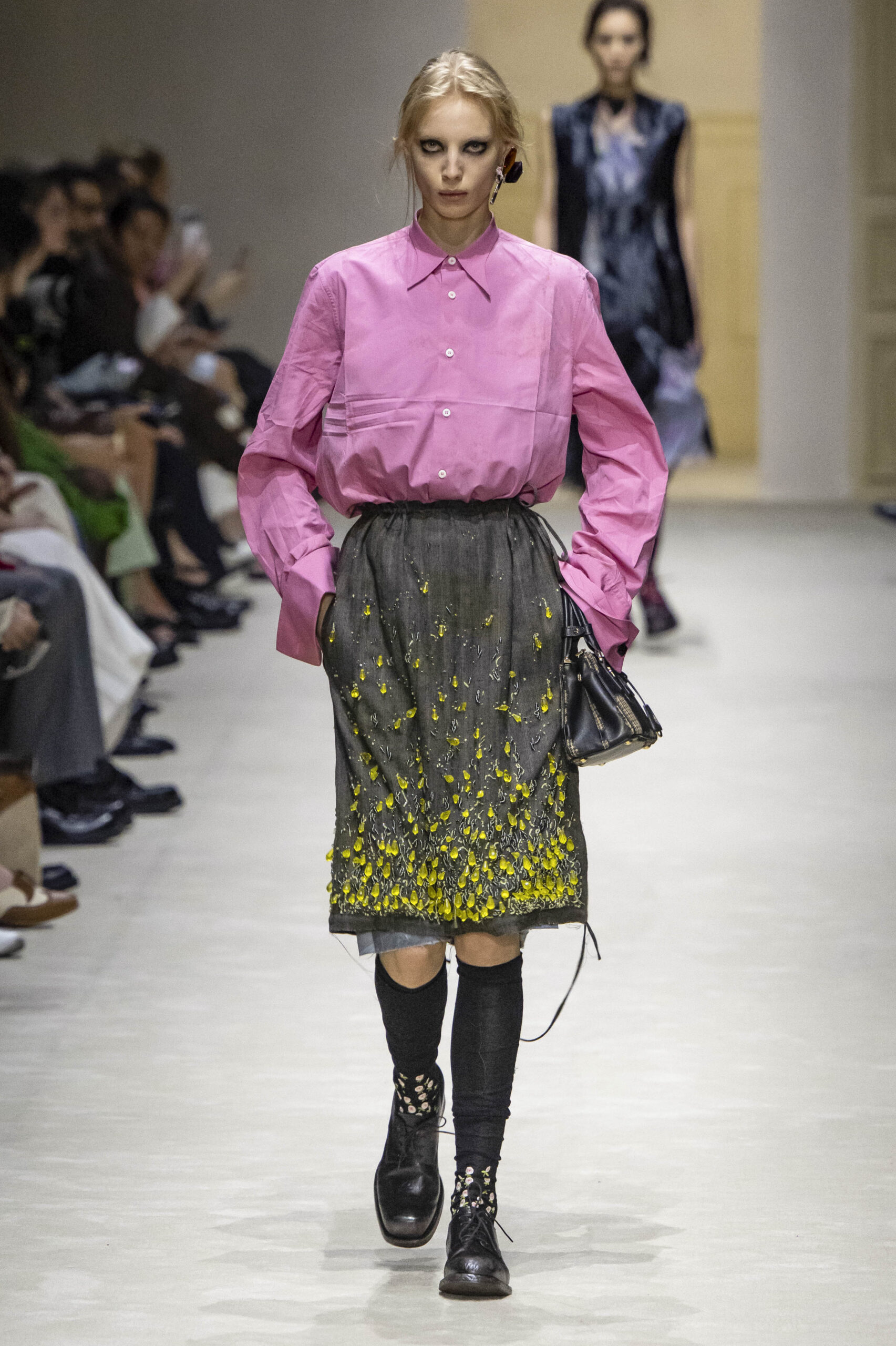
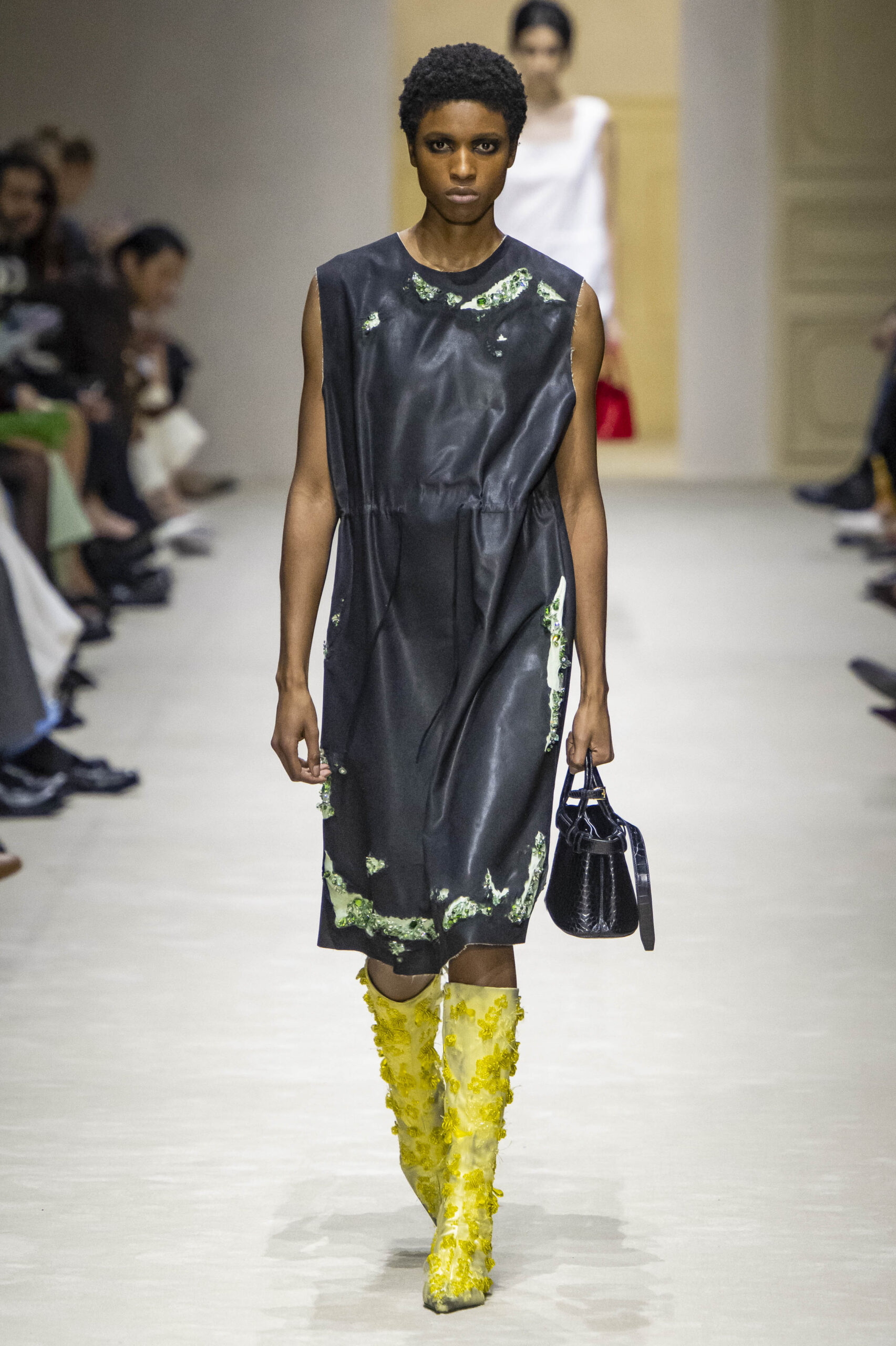
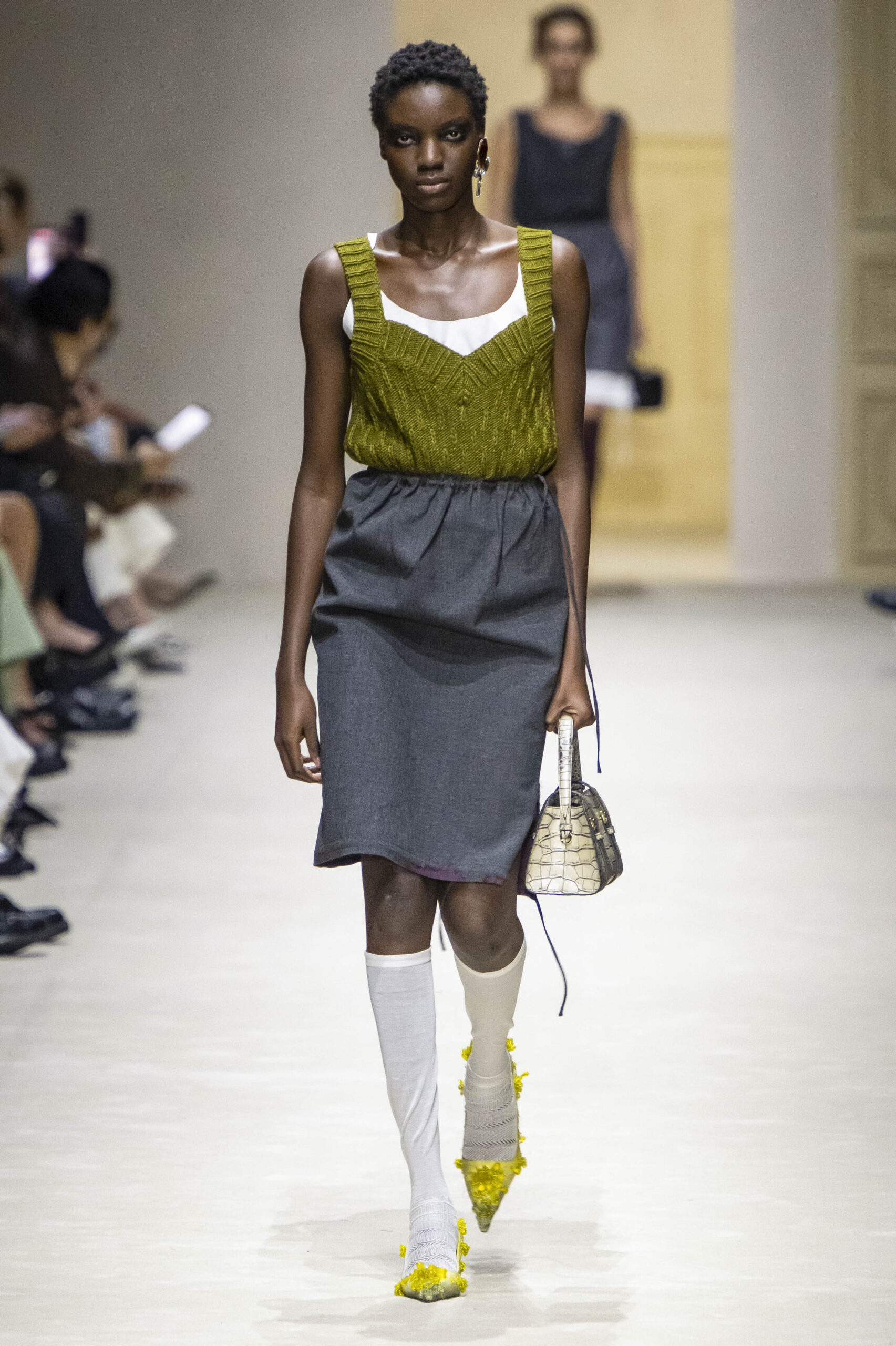
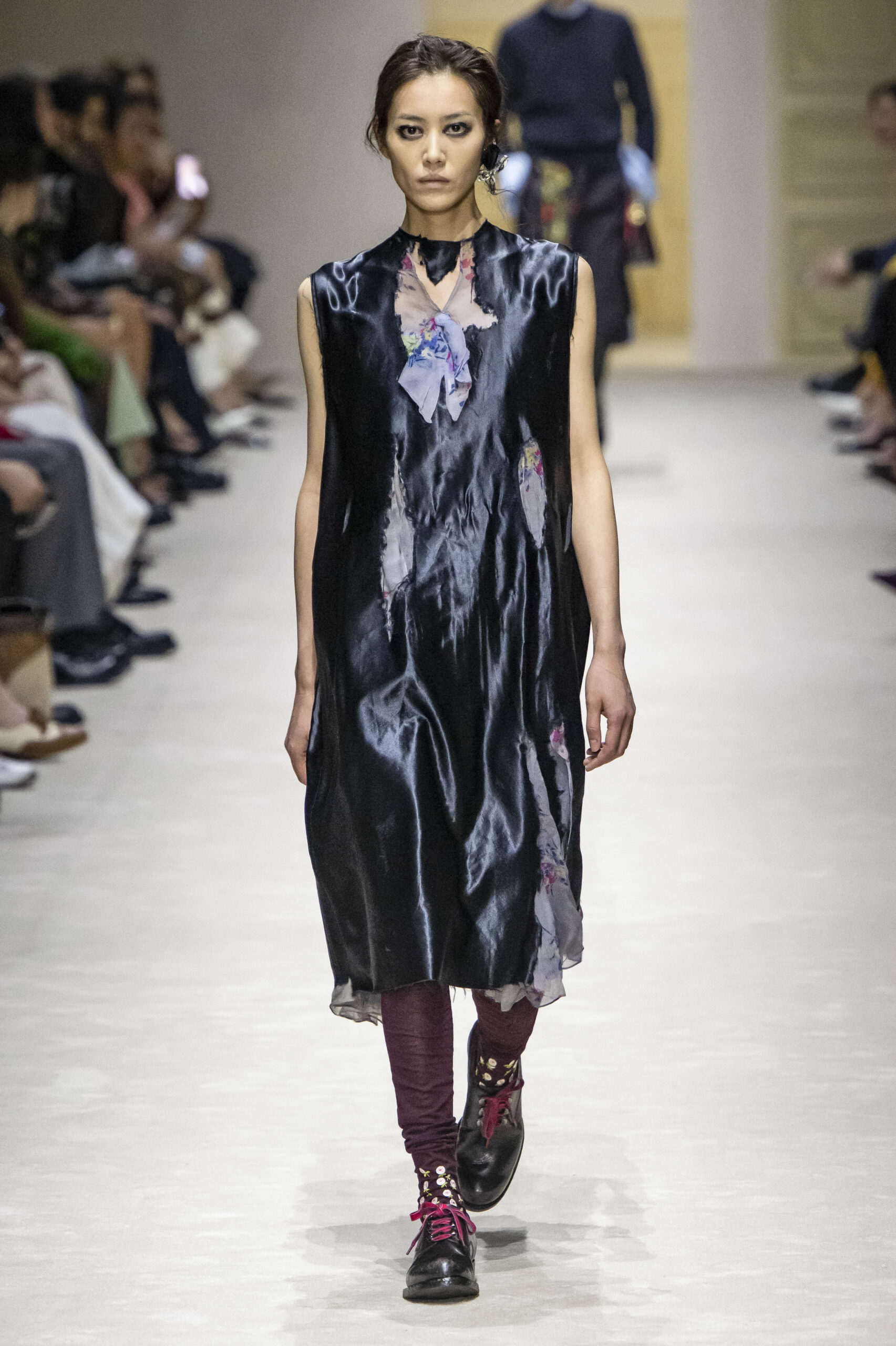
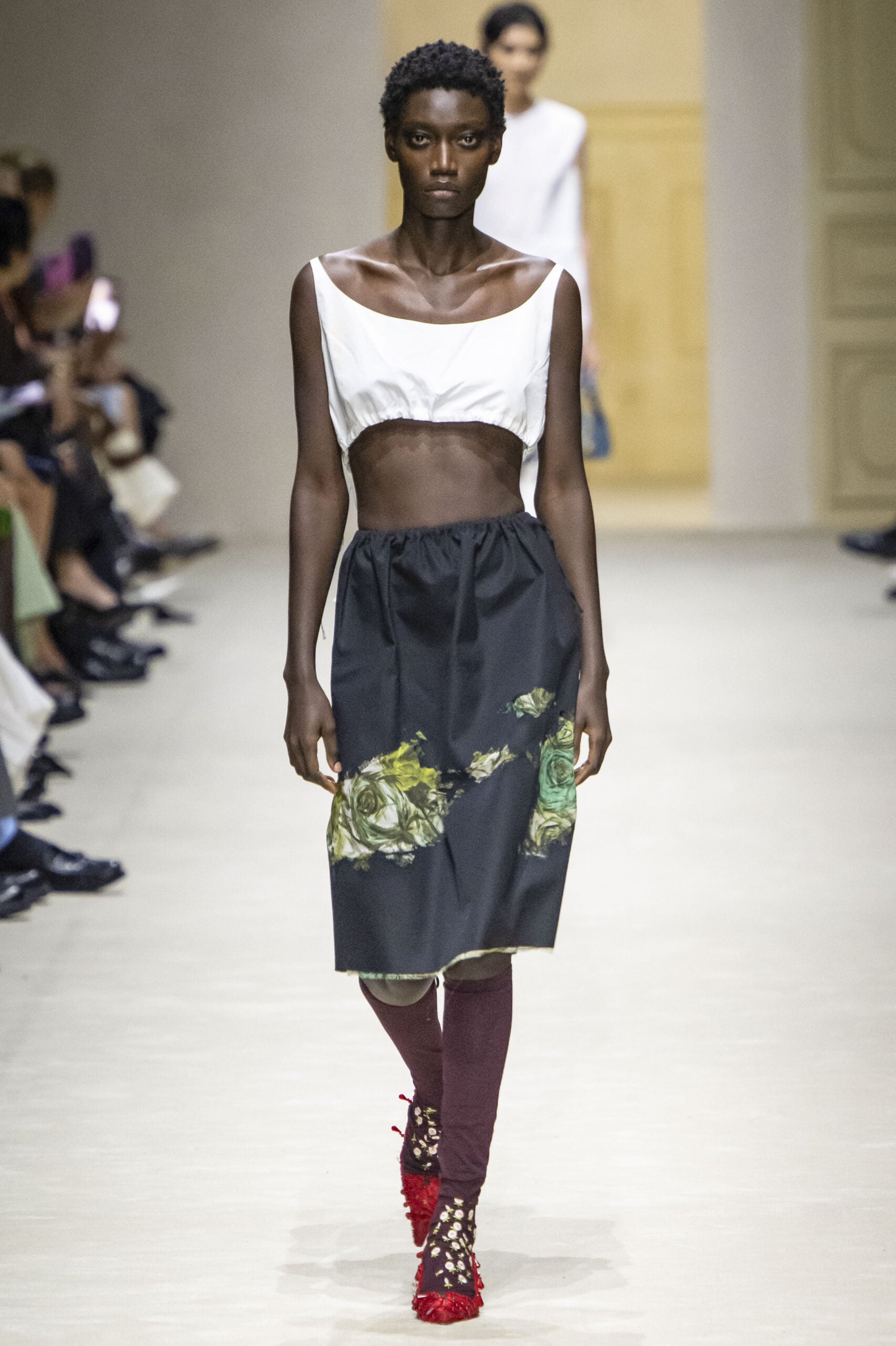
For Fall/Winter 2026 in Milan, Miuccia Prada and Raf Simons staged an experiment: 60 looks, worn by just 15 models. The same models returned to the runway repeatedly, each time reconfigured. A coat shrugged off to become a dress. A sheer slip revealed beneath a severe jacket. A knit layered, unlayered, then layered again. What emerged wasn’t just the procession of outfits we expect from a collection presentation, but a study in accumulation. In a time of rampant consumption and fleeting trends, Prada showed us how one wardrobe could build, mutate and adapt around a life.
“As a woman, your life is layered—each day demands not only a shifting of clothes, but a richness of identities within yourself,” Prada wrote in the show notes, describing a desire to reflect “the complexity of life, and that inherent complexity of women”. In practice, that meant clothes without hierarchy. “Within the composition of these outfits, there is zero hierarchy, either within how pieces are layered, or what they fundamentally are,” Simons added.
The result was disarmingly real. Masculine overcoats playfully juxtaposed with translucent skirts; sturdy cotton shifts brushed against silk dresses; sportswear interrupted sharp tailoring. Proportions felt gently askew, with sleeves elongated, hems hovering at ambiguous lengths, and asymmetrical slashes in dresses, as if garments had been lived in and loved.
In a moment defined by relentless trend cycles and algorithmic dressing, the gesture felt potent. Rather than proposing a single, must-have silhouette, Prada suggested a method: rework what you own, rethink what you know, resist the tyranny of the new. It was a subtle critique of overconsumption, but didn’t criticise for the sake of it. Instead, it offered a pragmatic way forward, bringing back the ‘editing’ elements of style we seem to be endlessly chasing down all the wrong algorithmic avenues. Particularly for a brand with great commercial success, which often sets the blueprint for fast-fashion mimicry (an industry on track to reach $291.1 billion by 2032), this season’s sentiment rests on noble conviction.
Accessories followed suit: kitten heels worn with floral socks, leopard scarves tucked beneath embellished coats. Nothing clamoured for dominance; everything conversed.
Sixty looks. Fifteen women. Infinite permutations. At Prada, the future of fashion may not lie in more clothes, but in more ways to wear them.