


News feed


For her first collection at Fendi, Maria Grazia Chiuri did not opt for a spectacle. Instead, she chose a sentence: Less I, more us.
Functioning as both a manifesto and a method, the Fall/Winter 2026
. After nine years at Dior—and some 37 years after she first walked into Fendi’s Rome headquarters as a young accessories designer—Chiuri’s return arrives as a full-circle moment. Her Fall/Winter 2026 debut echoed the collaborative spirit of the five Fendi sisters, its founders.
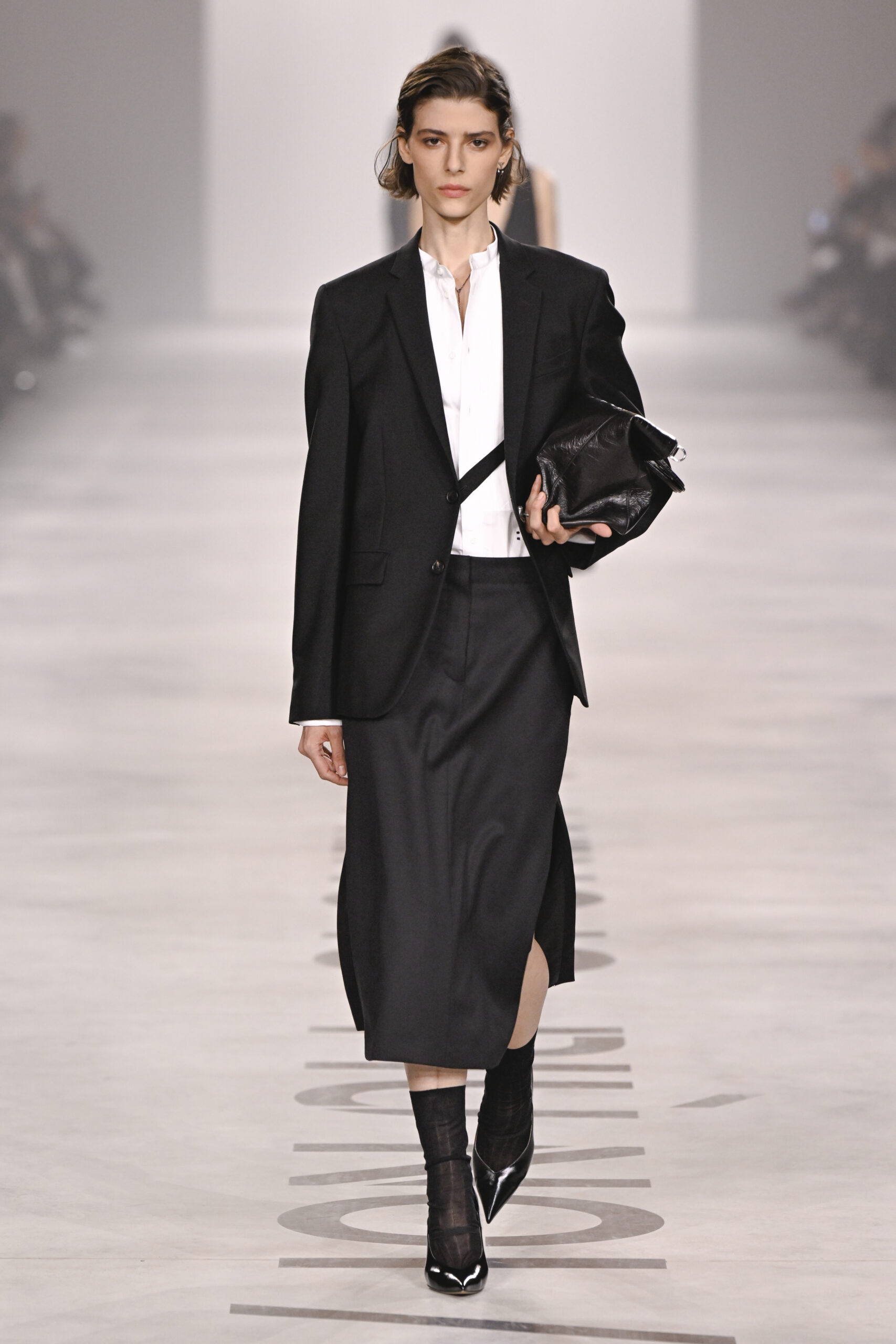
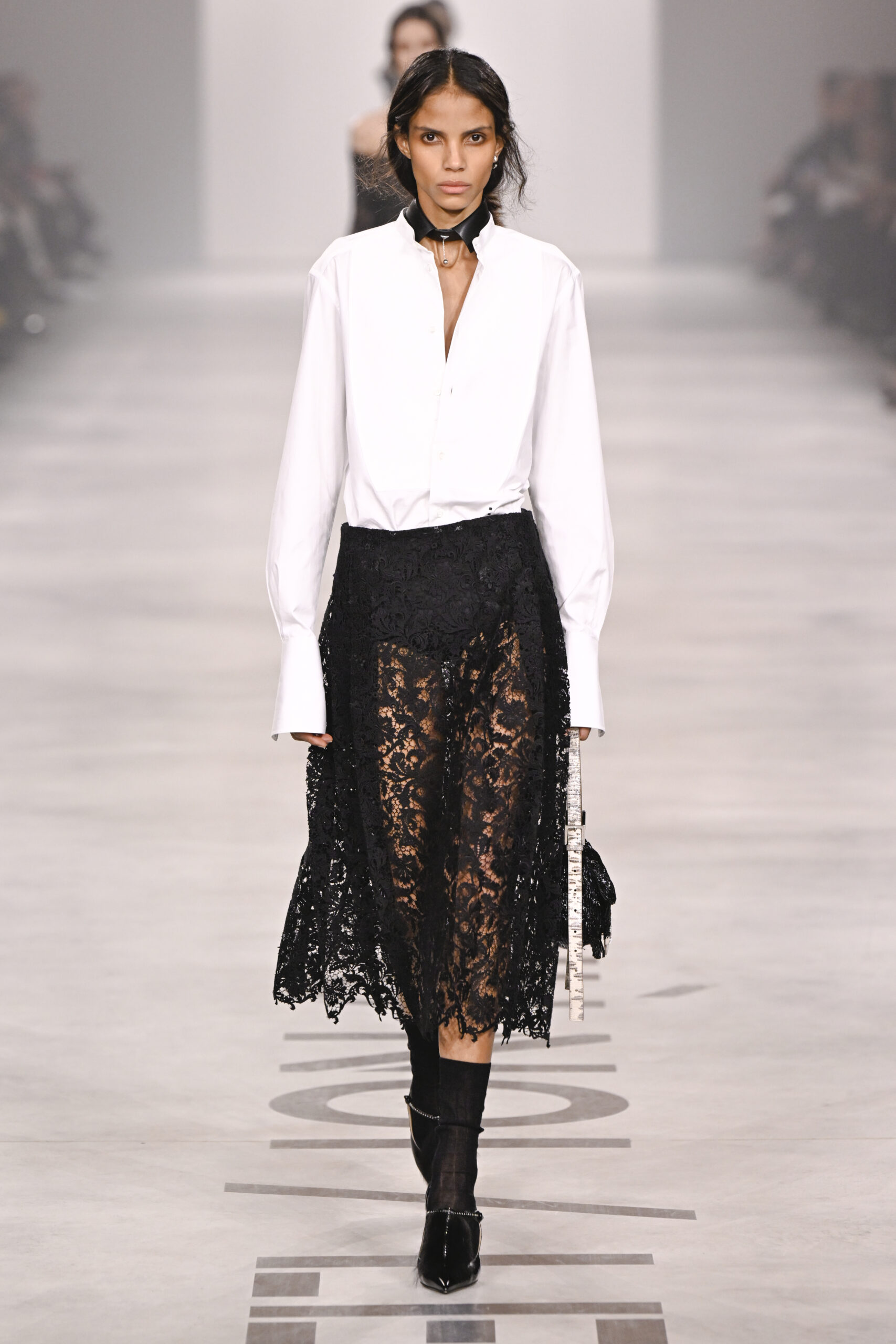
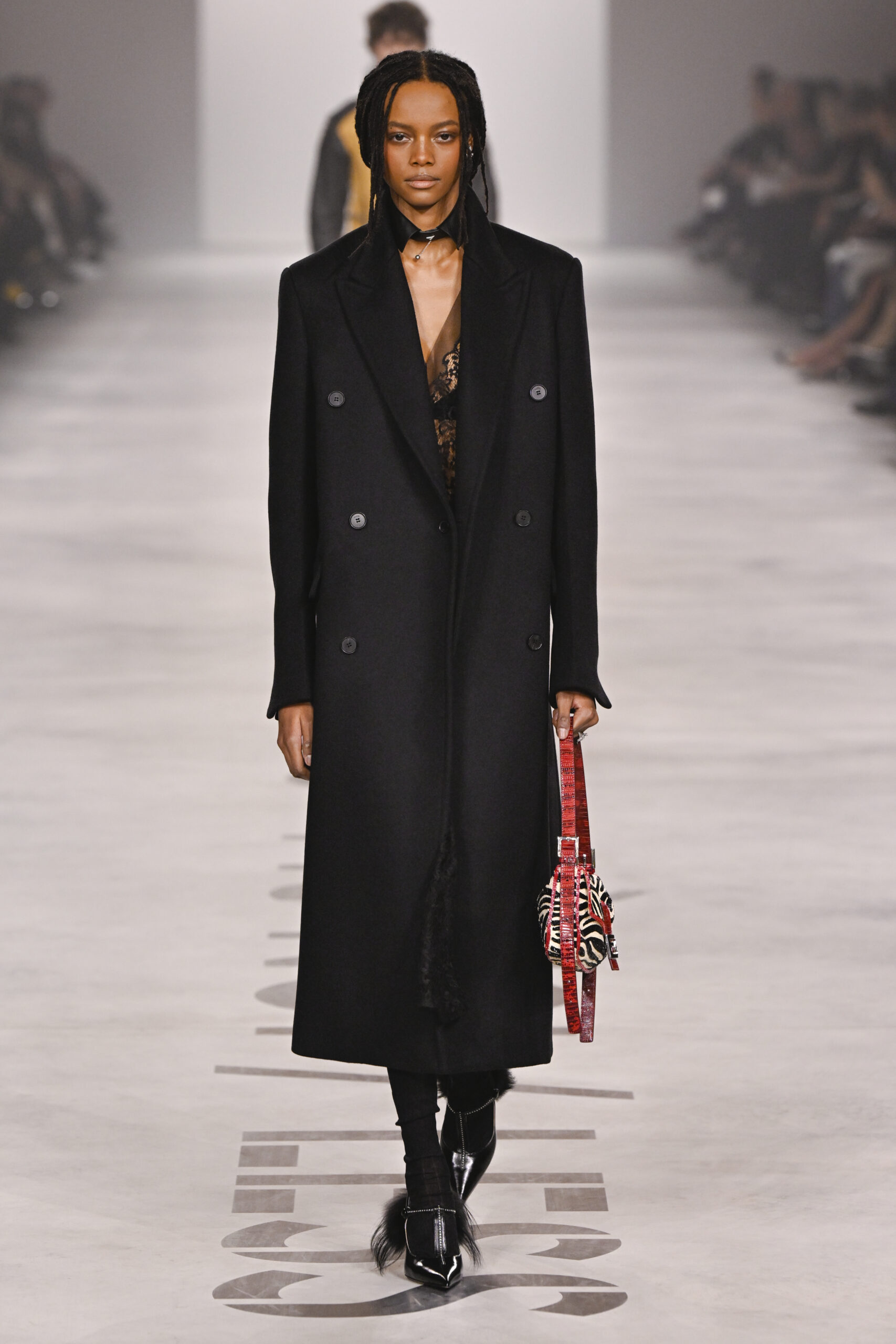
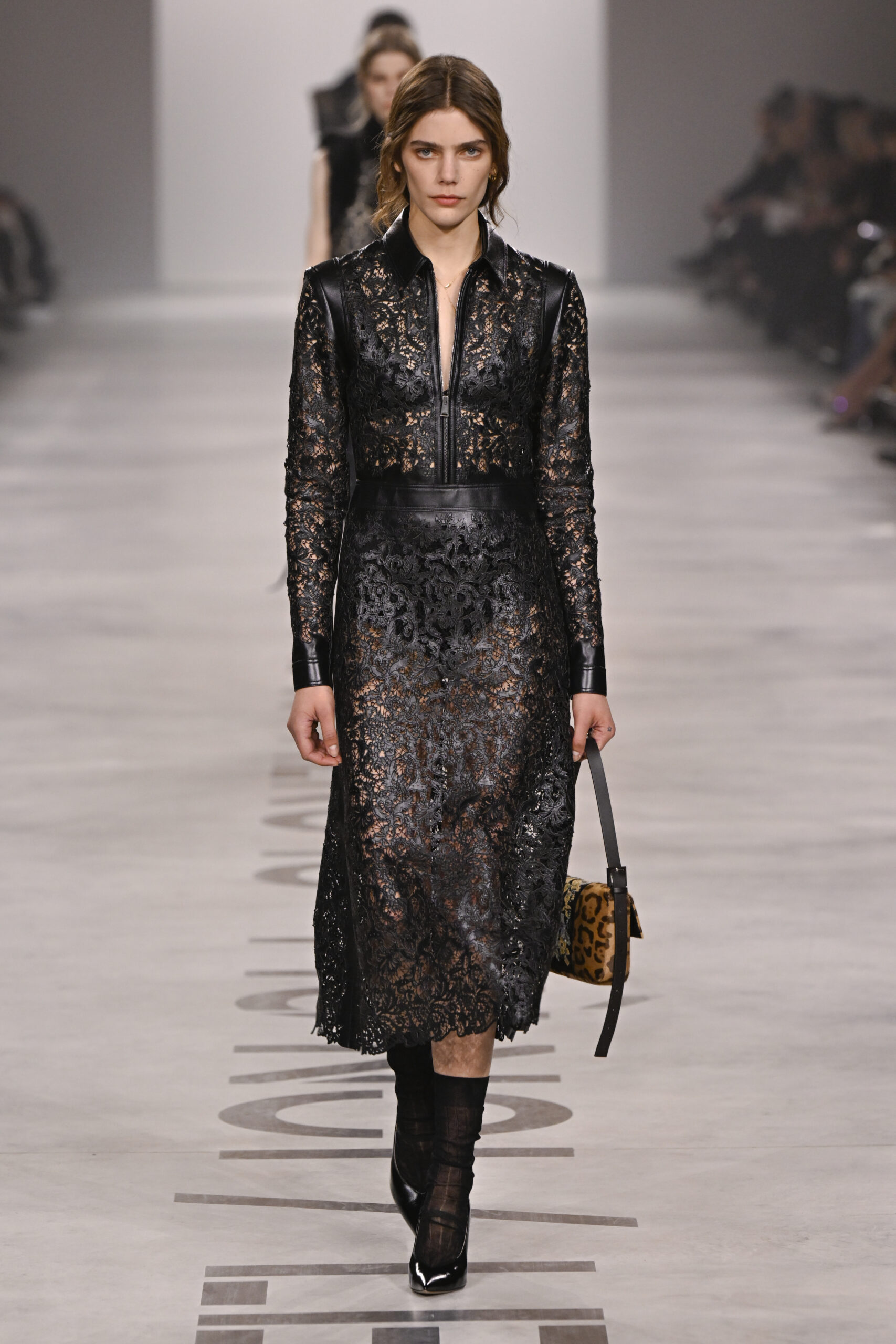
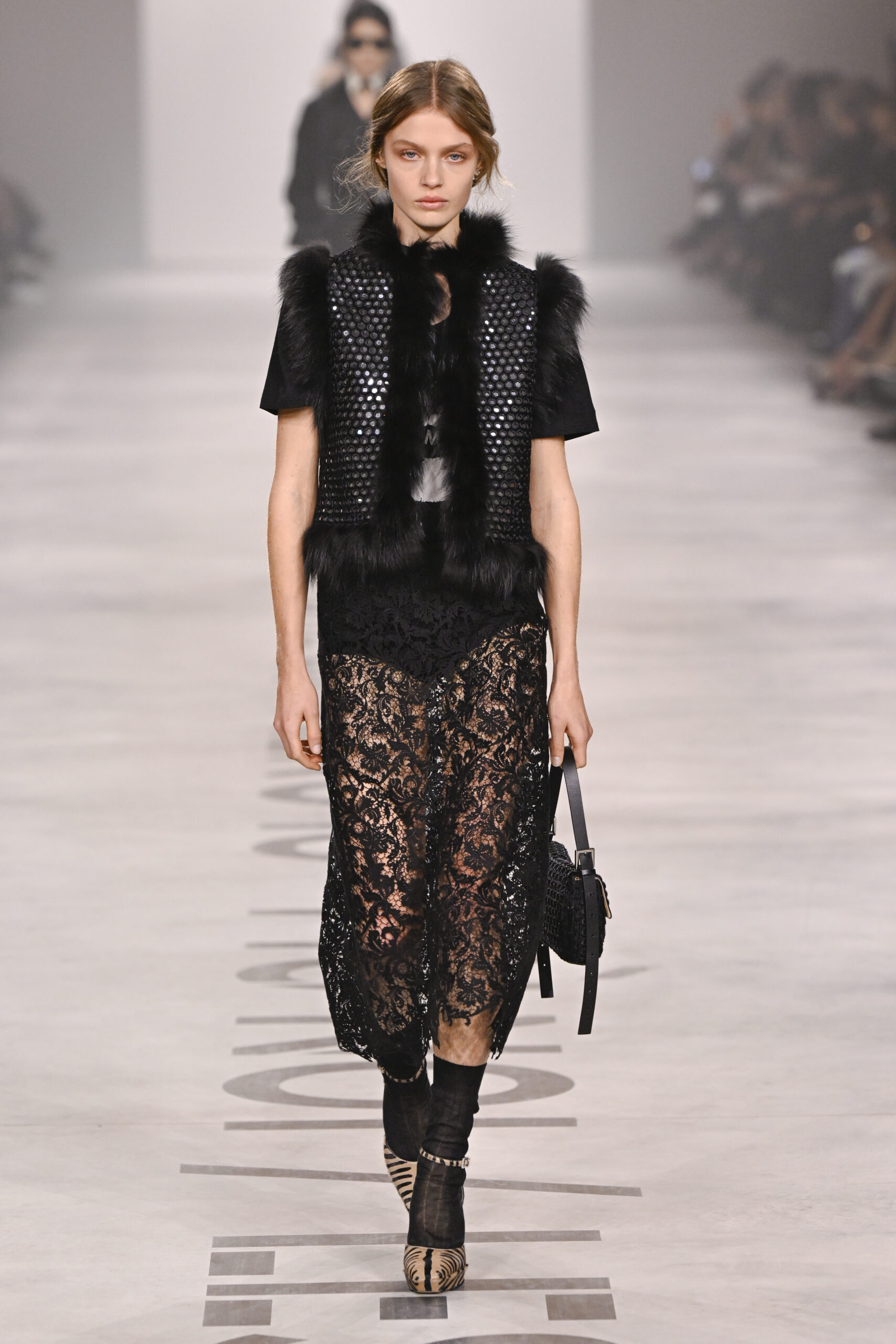
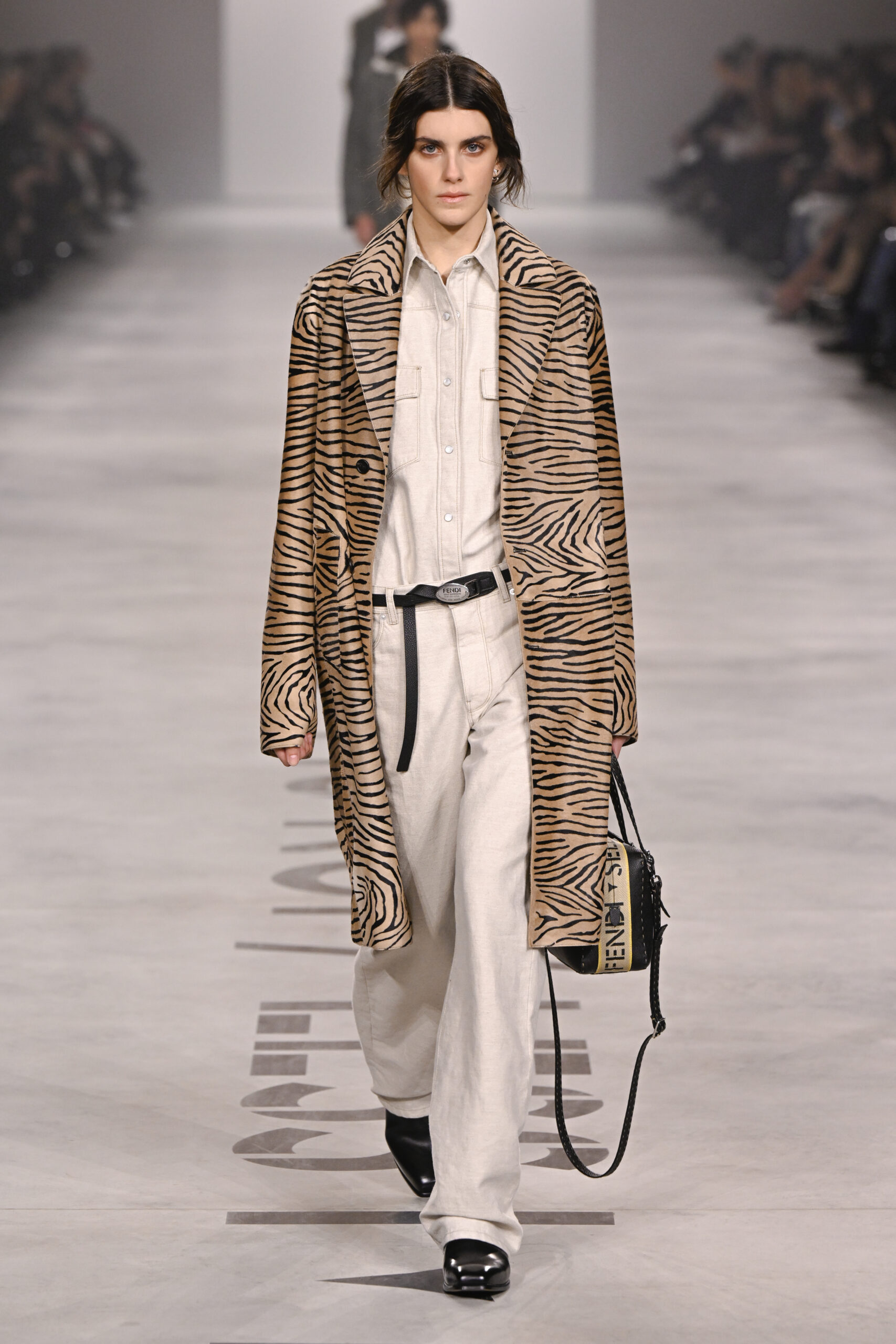
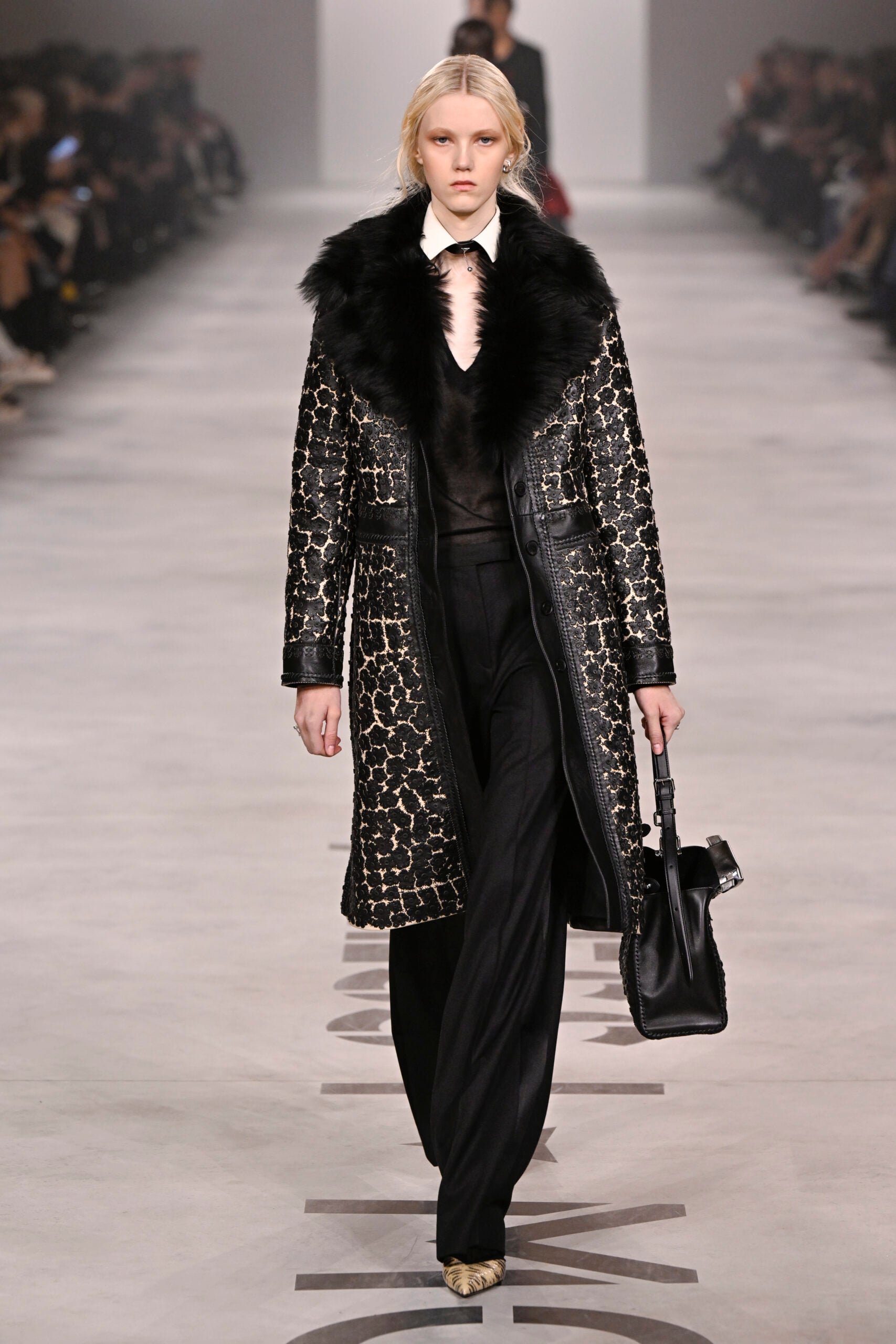
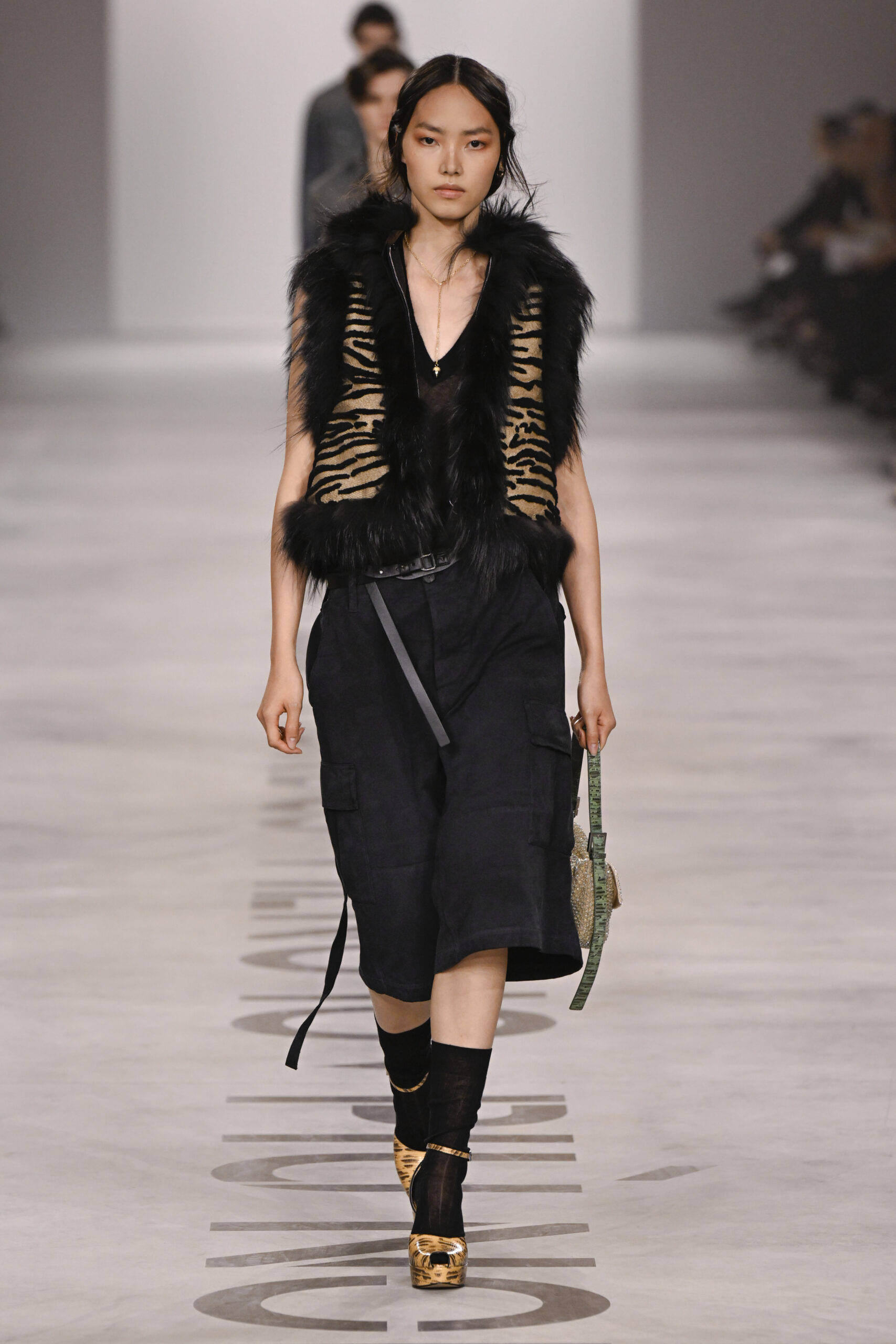
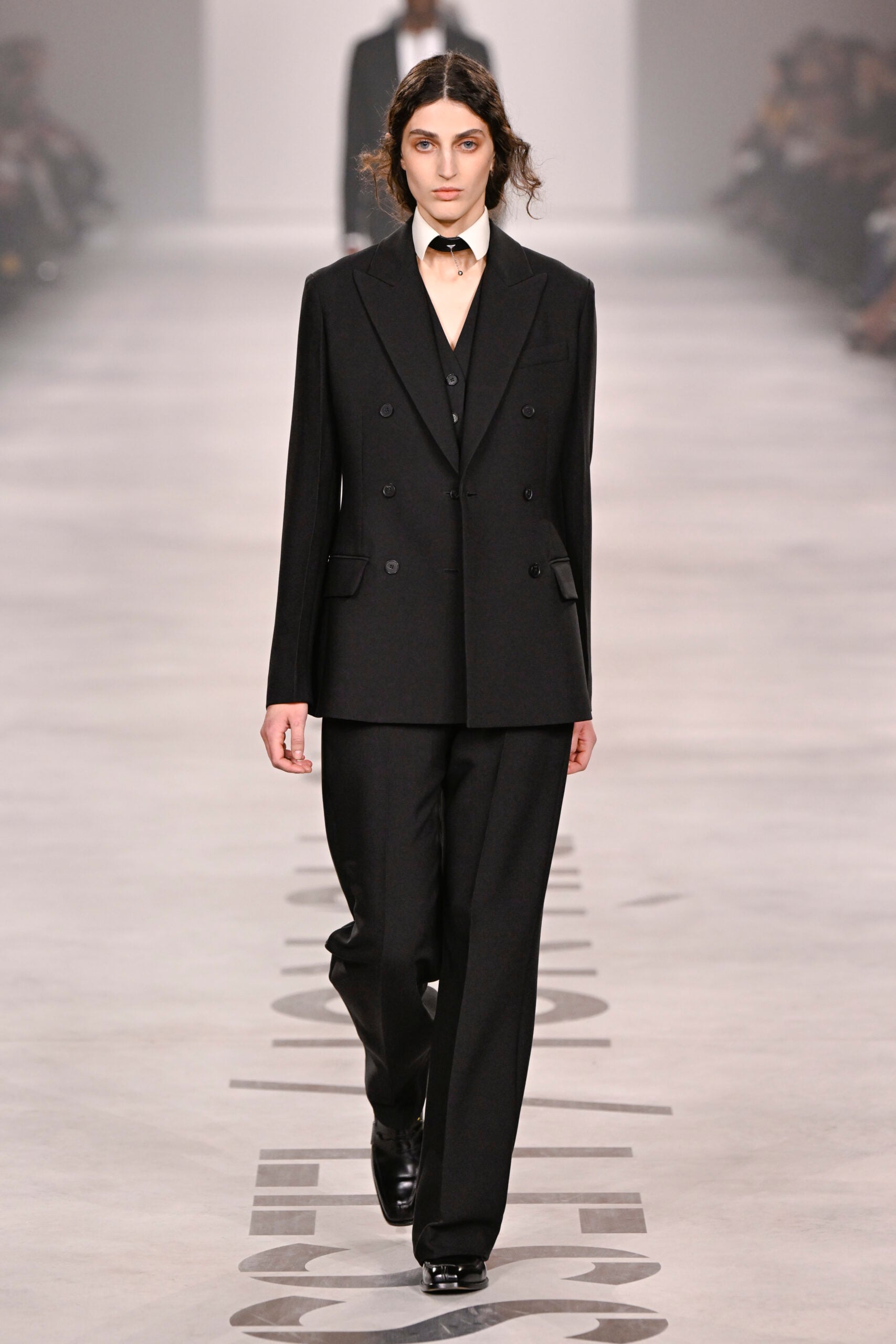
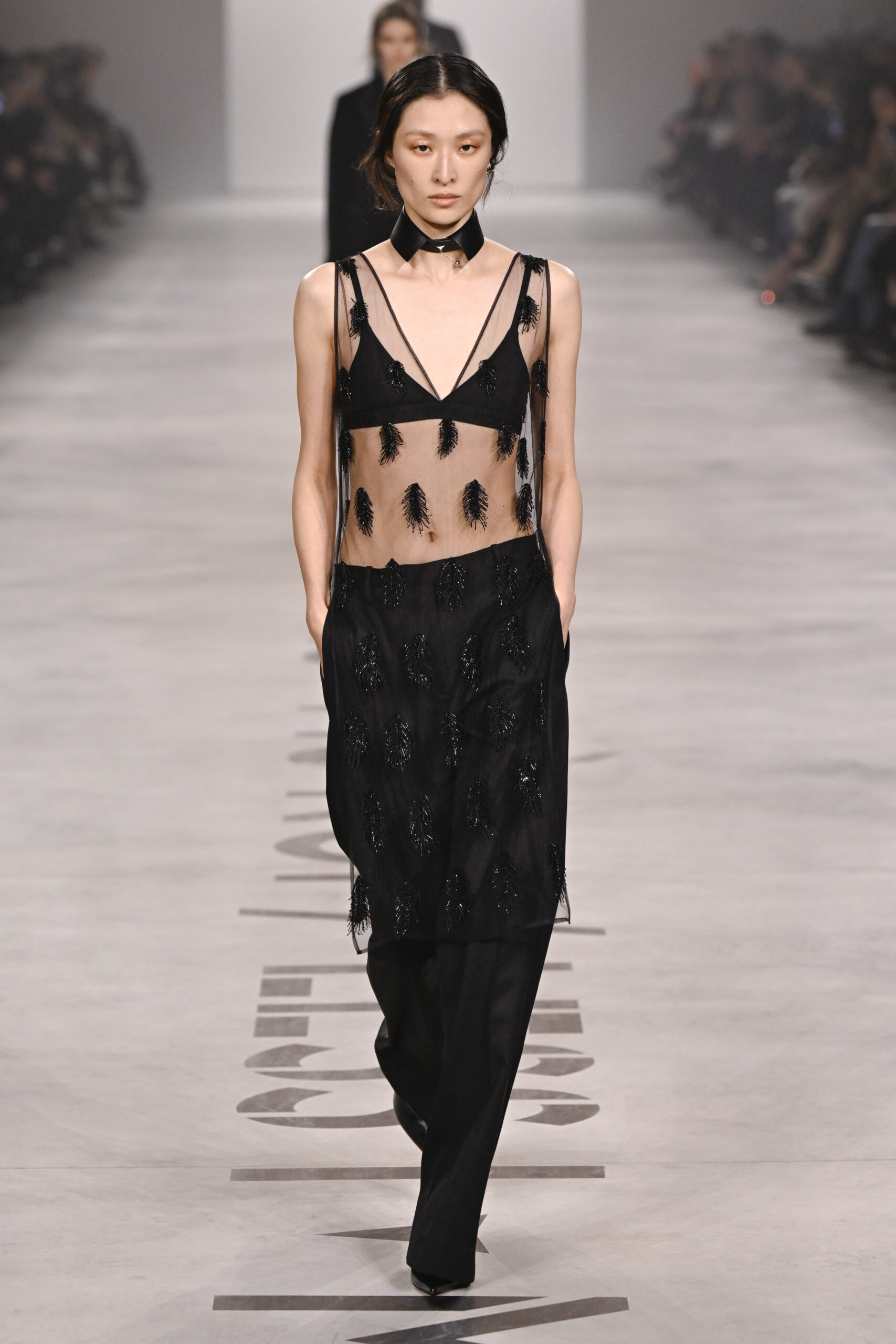
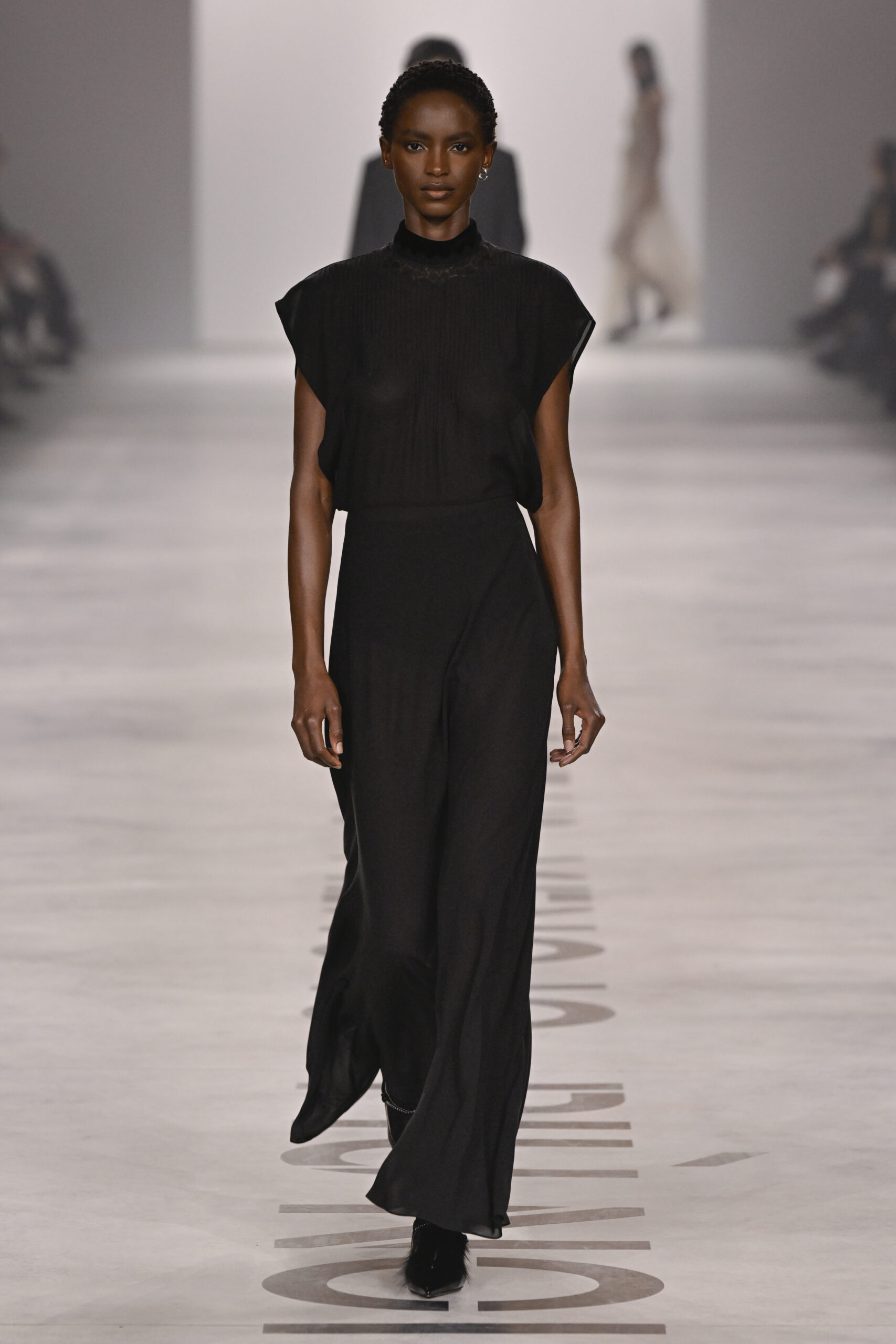
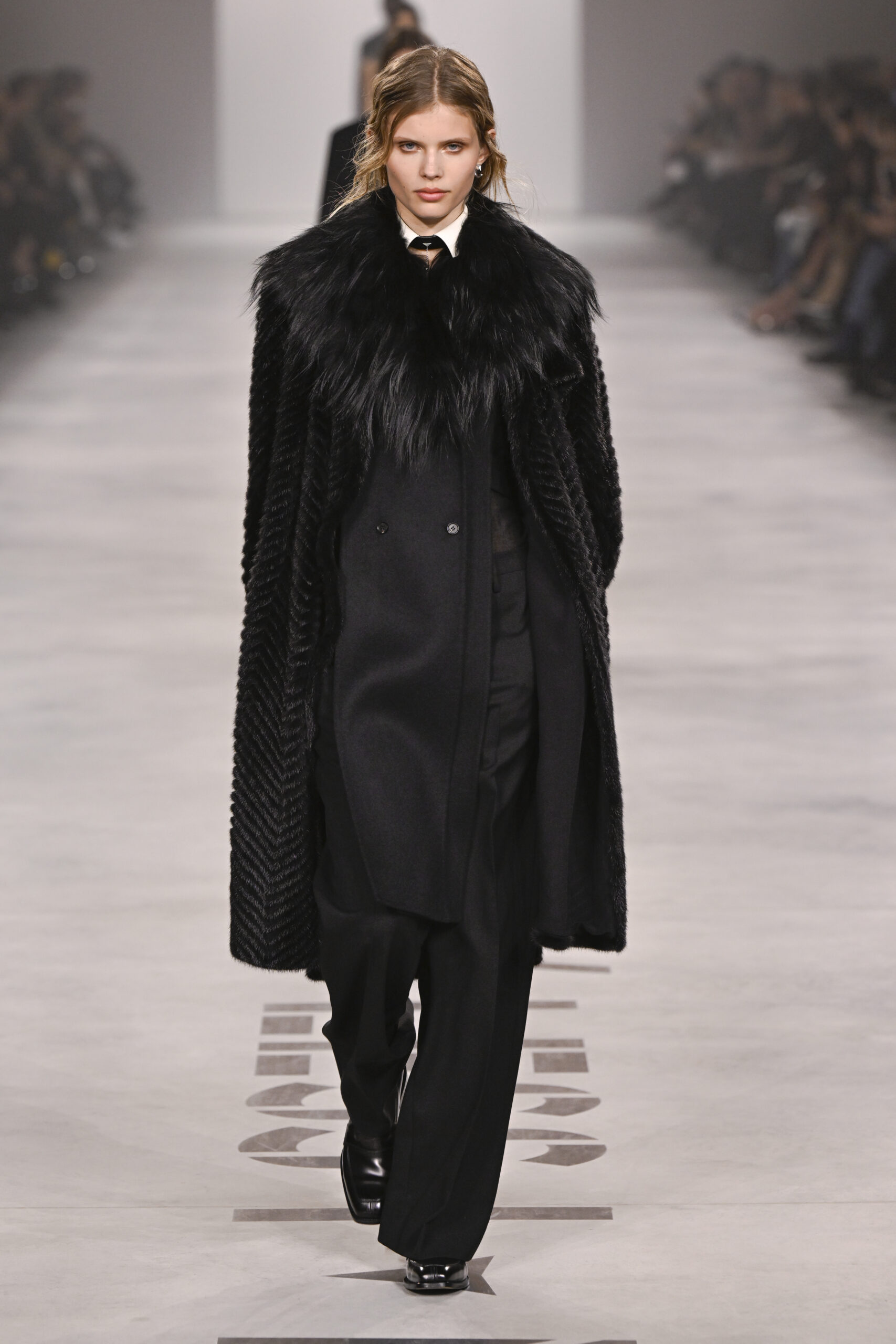
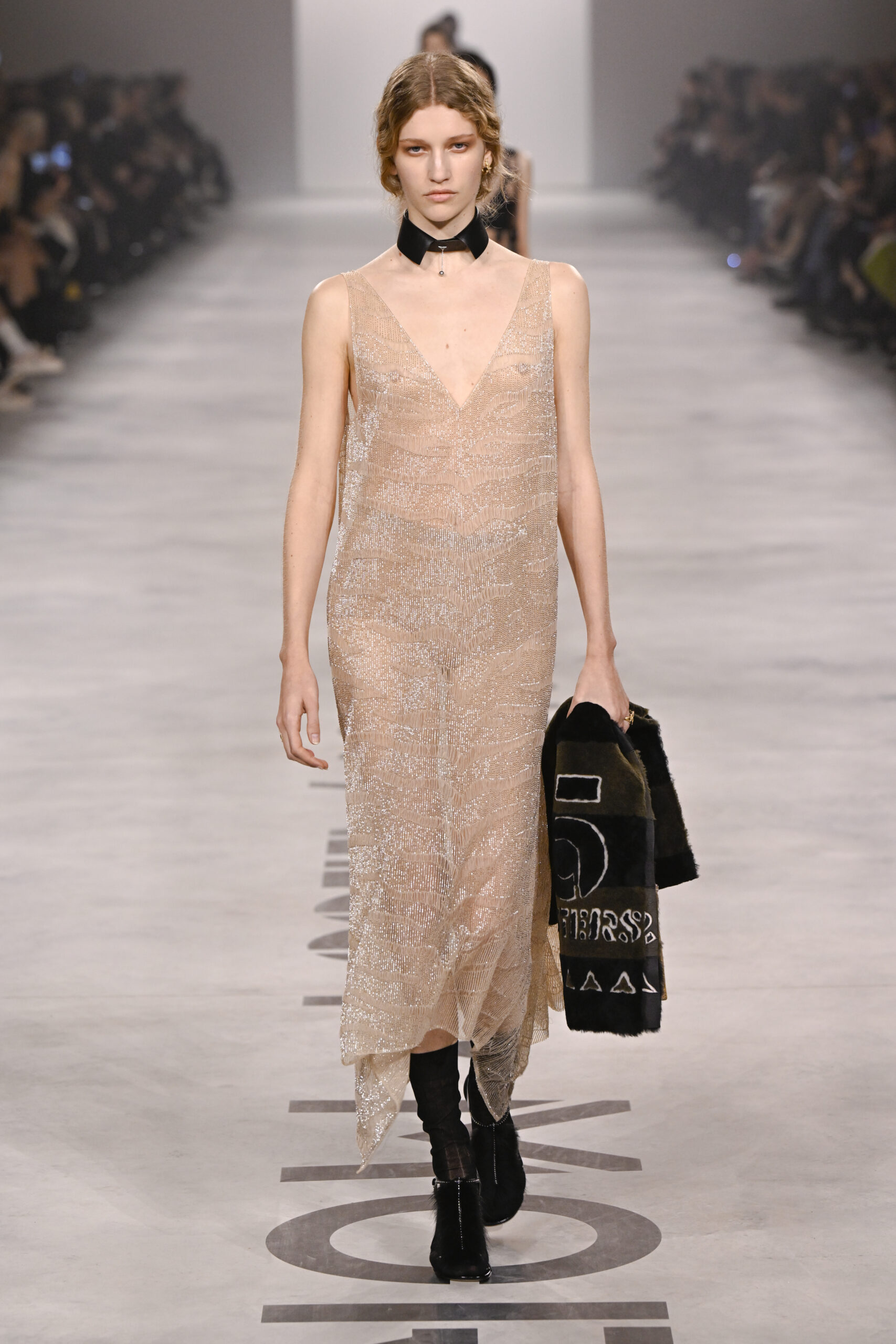
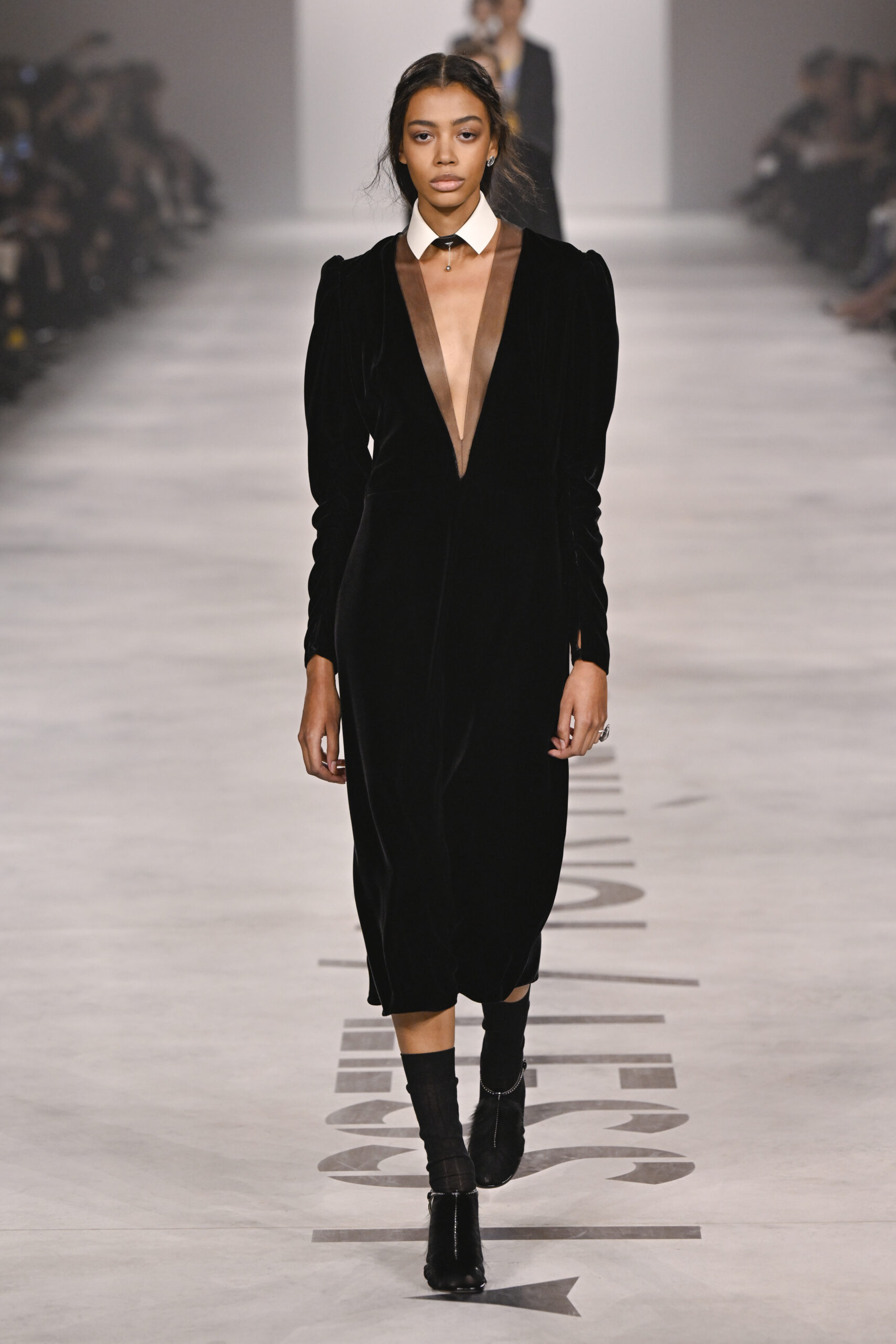
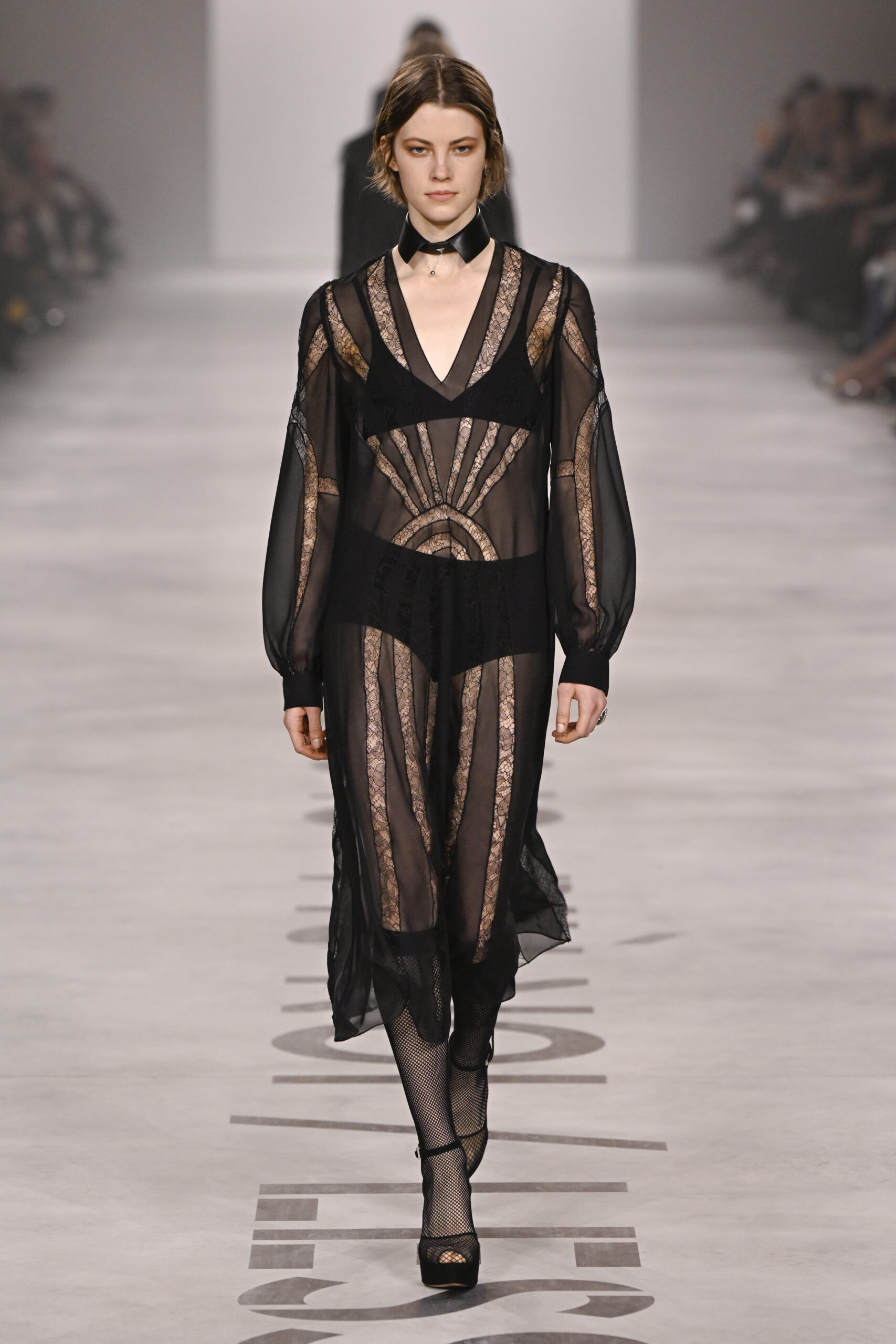
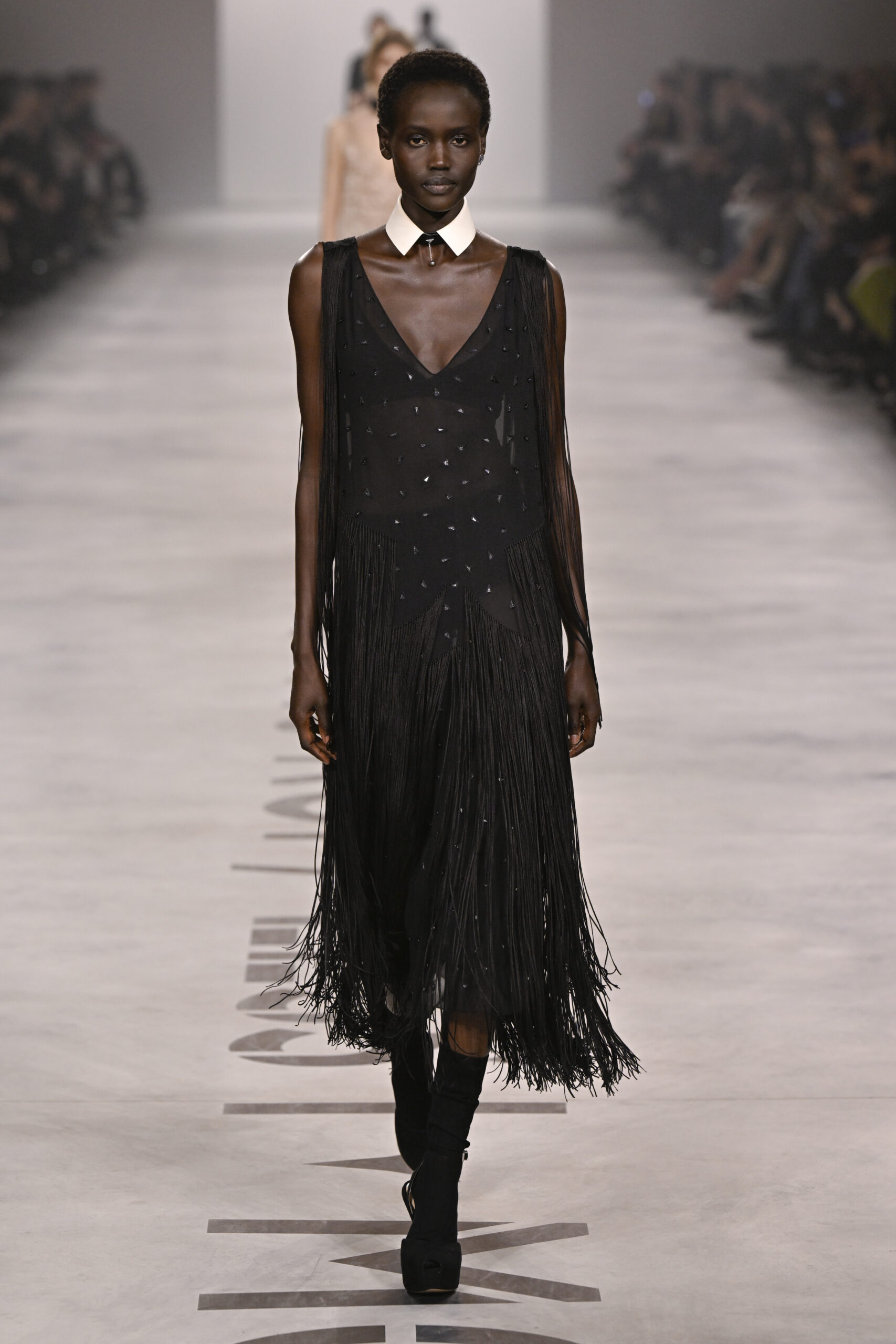
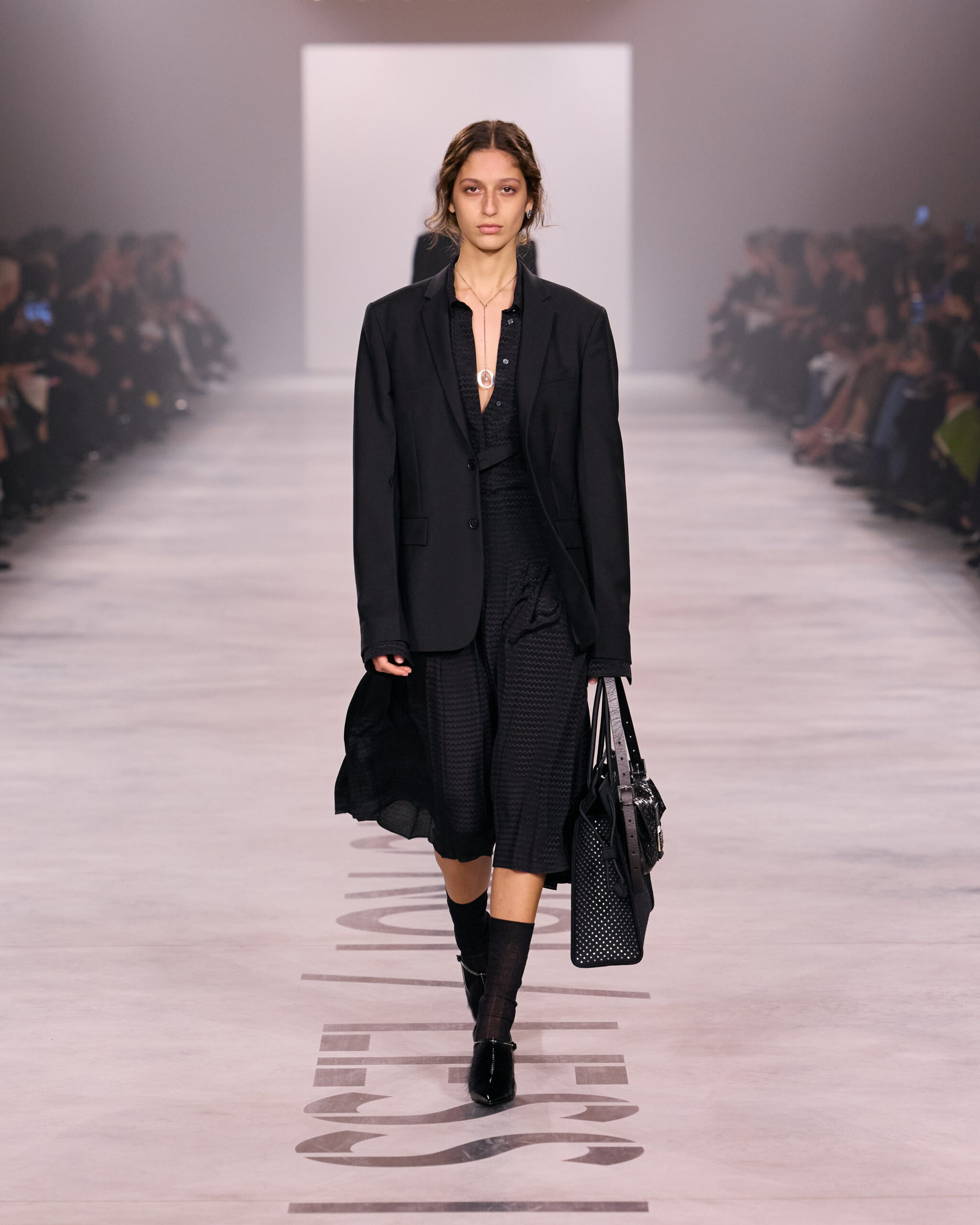
The collection unfolded as a true fusion of codes. Sheer lace gowns and silk slips—signatures of Ms Chiuri—skimmed the body with tactile directness, while deconstructed tailoring and relaxed, everyday separates introduced a note of pragmatic resolve. While some might’ve expected a grand gesture, Chiuri’s commitment to making wearable clothes that fit seamlessly into one’s wardrobe continues on at Fendi.
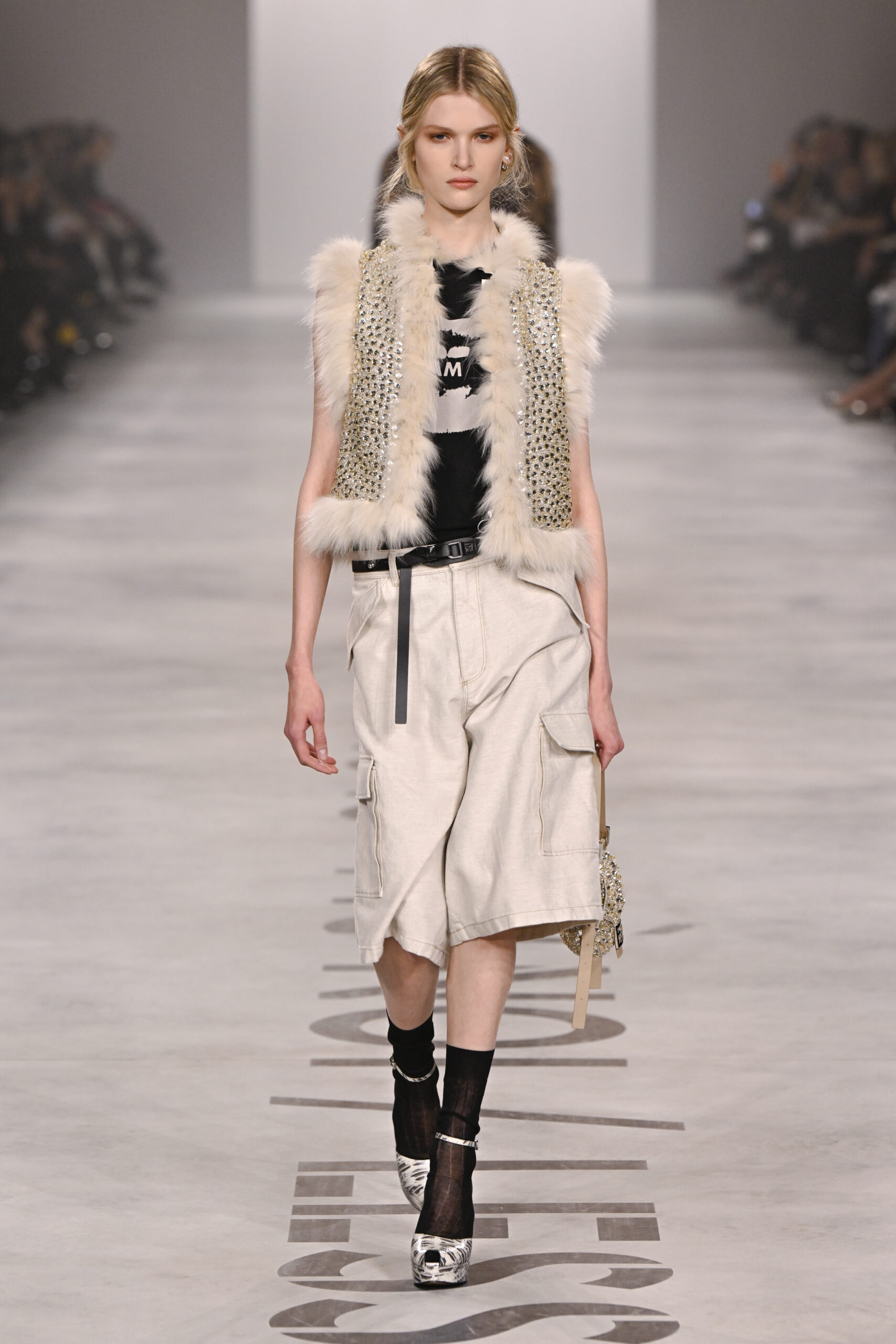
The designer also reasserted her long-standing dialogue between fashion and art. A collaboration with the late Italian visual poet Mirella Bentivoglio—developed with the Archivio Mirella Bentivoglio—brought limited-edition jewellery conceived in the 1970s into the present. Bentivoglio’s conceptual rings and earrings, rooted in wordplay and semantic subversion, appeared as wearable signs. Clothing, too, carried fragments of language, with phrases like Olt3 and Senza senso transforming garments into what Bentivoglio once described as “verbal objects.”
Furthering the collective spirit, Chiuri enlisted SAGG Napoli—who she tapped for a performance during the Dior Spring/Summer 2025 runway—once again, creating slogan tees and football scarves that read: “Rooted but not stuck” and “Loyal but not obedient”, proposing balance over submission.
Accessories, naturally, held pride of place. Not only for Fendi’s history of bag craftsmanship, but also as a discreet nod to Chiuri’s own beginnings at the House in 1989. Baguettes of varied iterations swung nonchalantly at the hip, while lapel-grazing necklaces punctuated tailoring with graphic intent.
Underlying it all was a meditation on emotional durability: garments remodelled and reimagined as archives of memory rather than seasonal novelties. In an era addicted to immediacy, where era-specific codes are adopted over and over again for empty nostalgia, Chiuri’s debut offers something steadier. Less ego, more exchange. Though some whinced at the paucity of colour on the runway, its messaging felt clear enough. For Fendi’s new chapter, Chiuri isn’t rewriting the House’s history, but widening the conversation.