

News feed


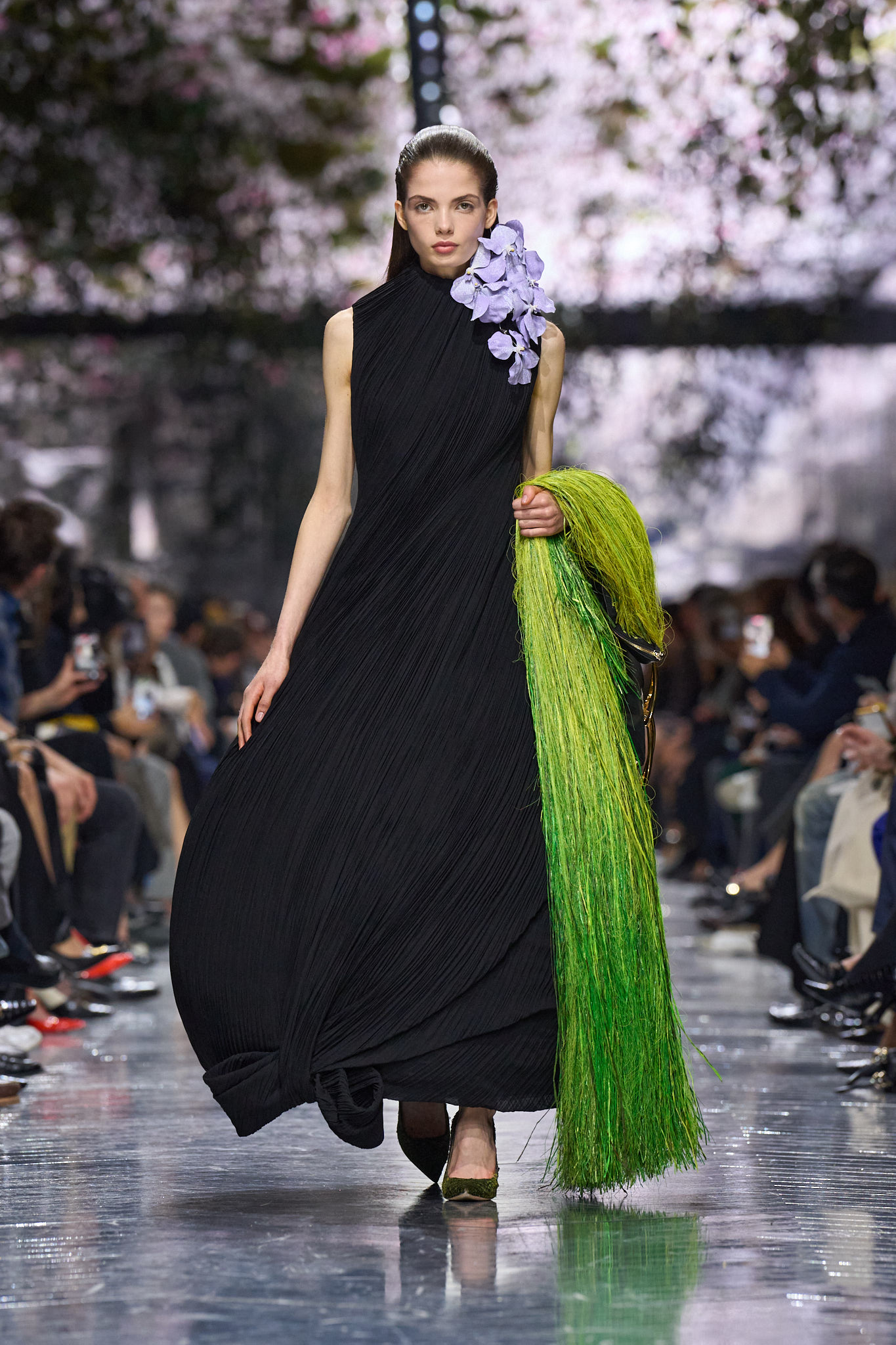
Paris Haute Couture week is always a spectacle to behold, but this season, the stakes are as high as they get, with Jonathan Anderson‘s milestone runway kicking off the week.
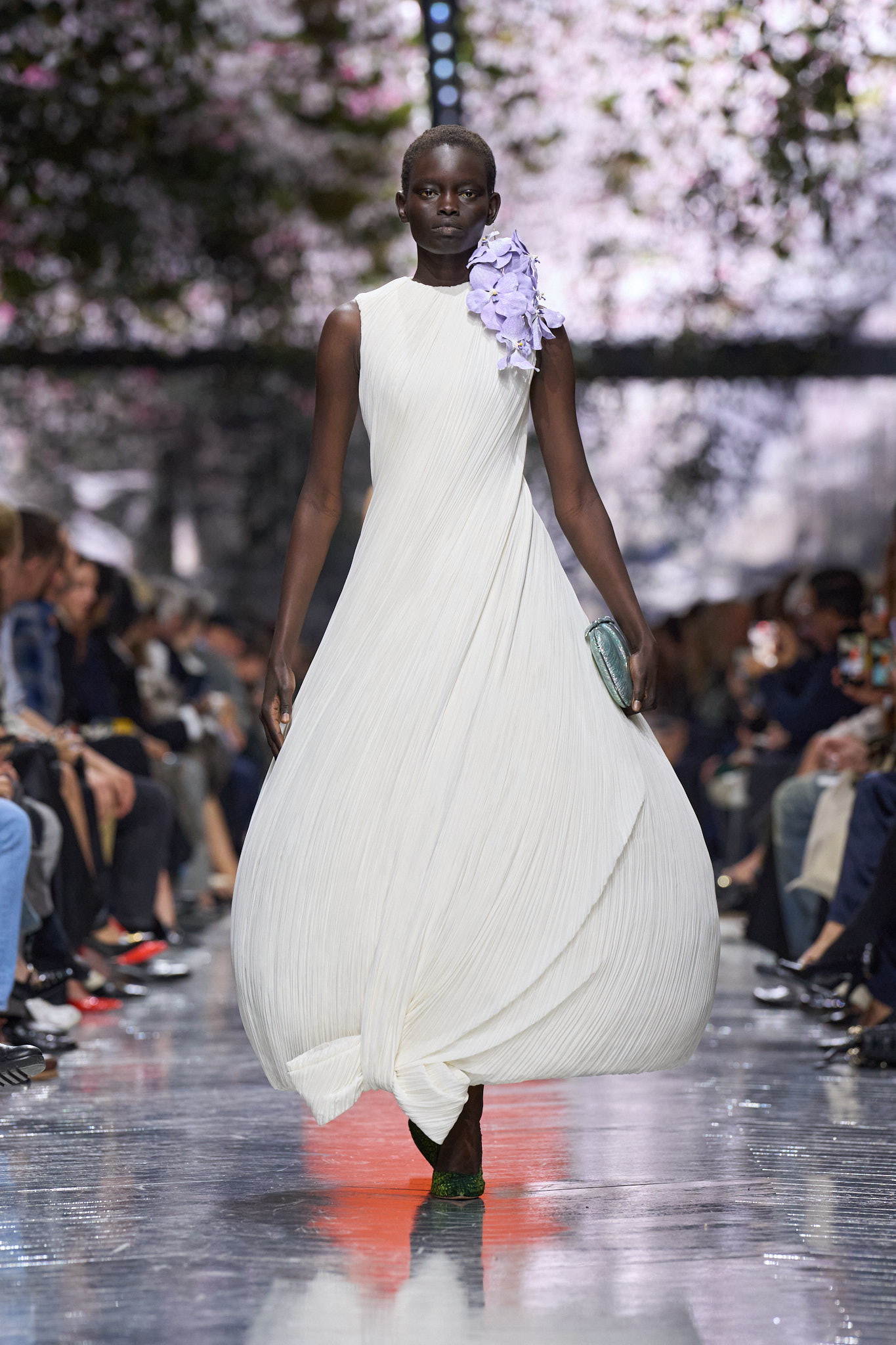
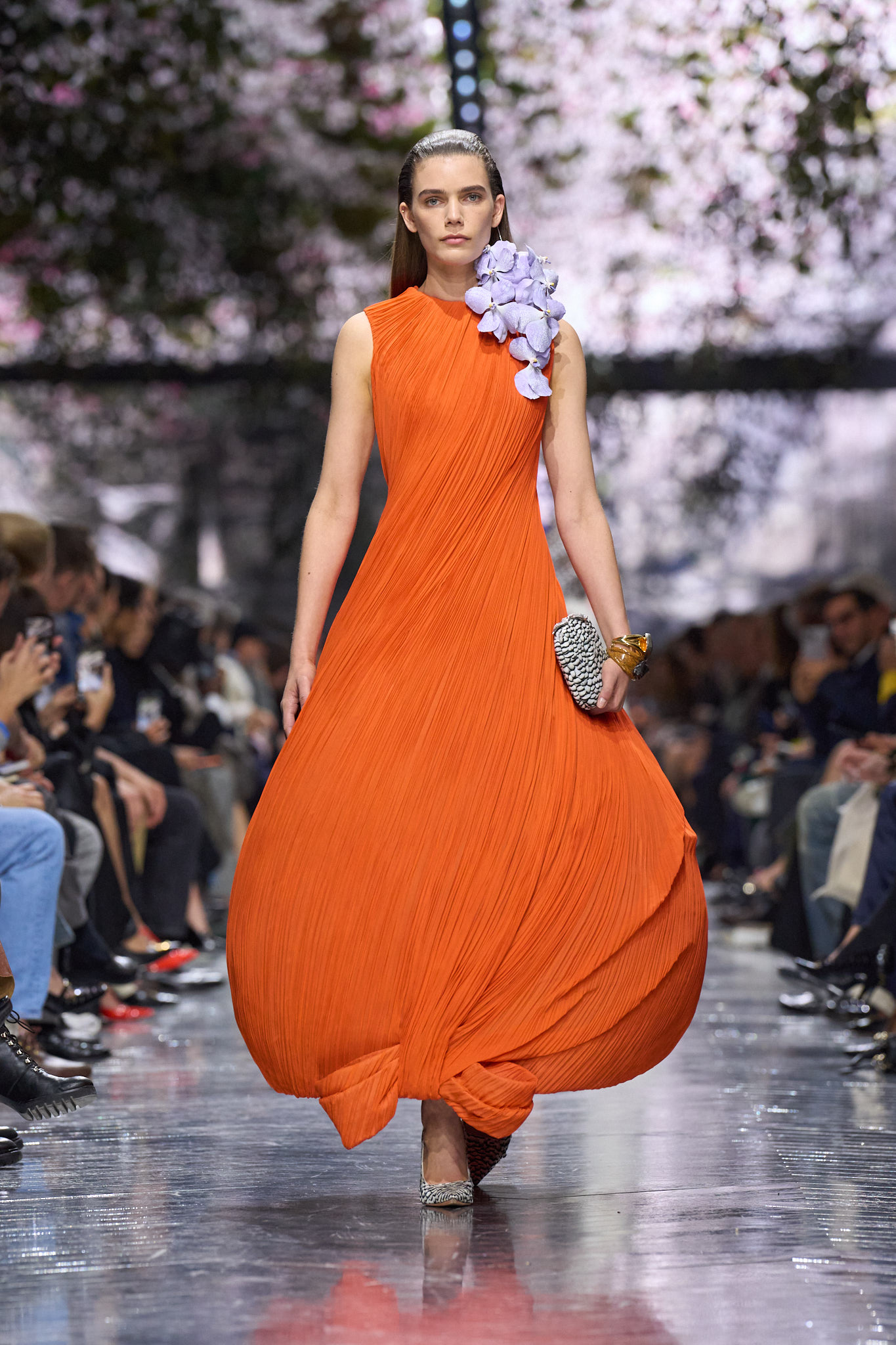
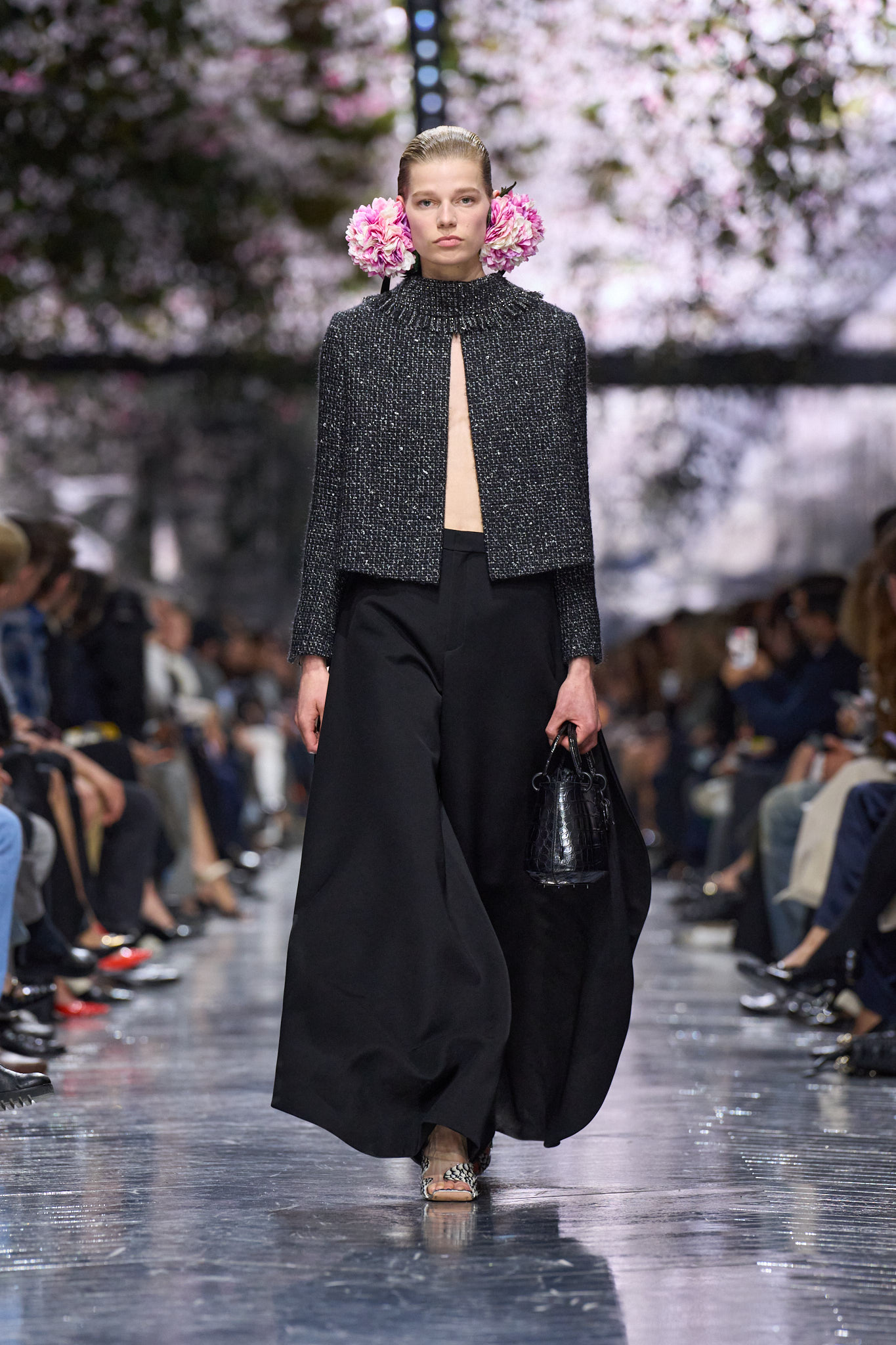
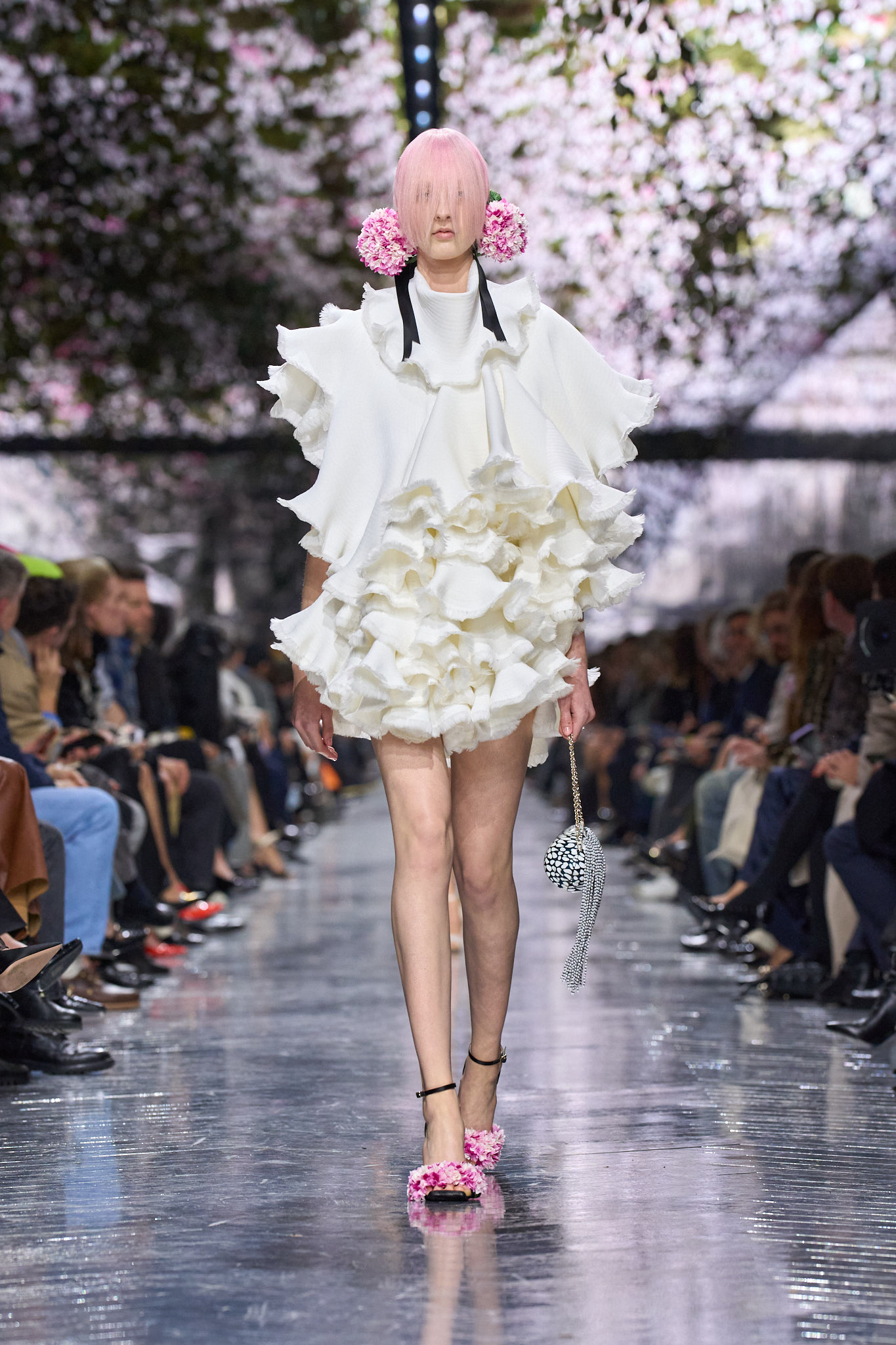
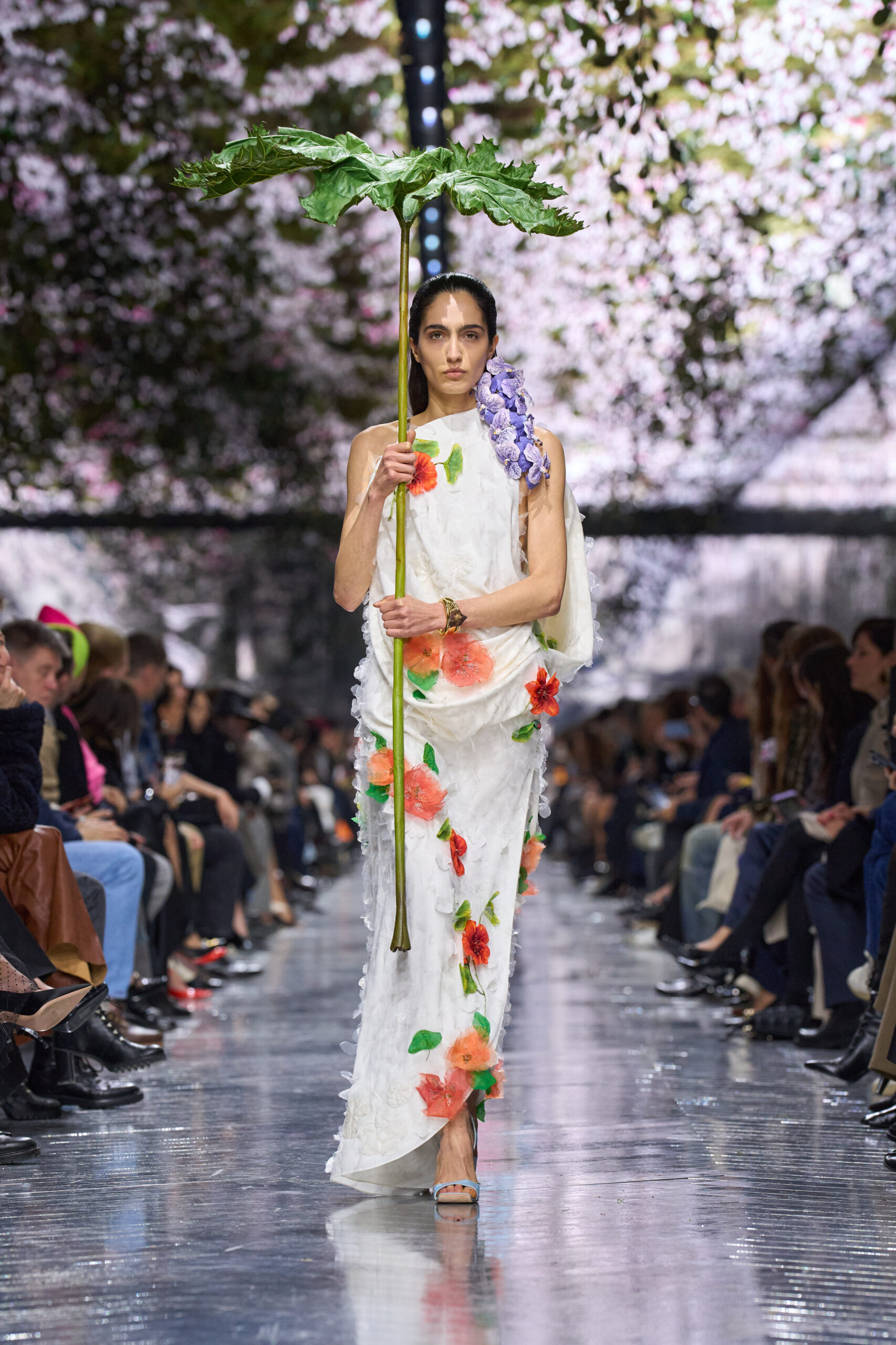
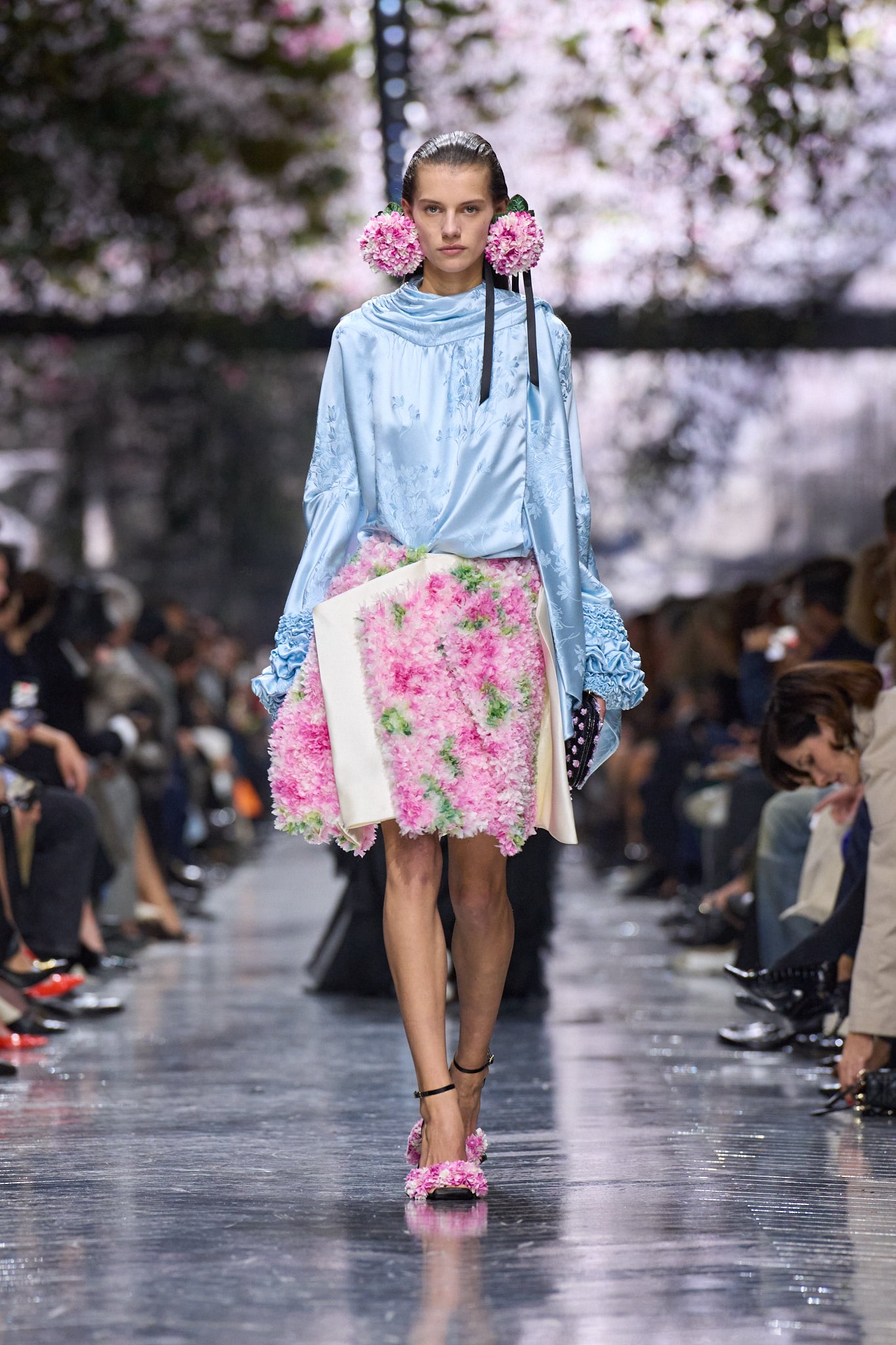
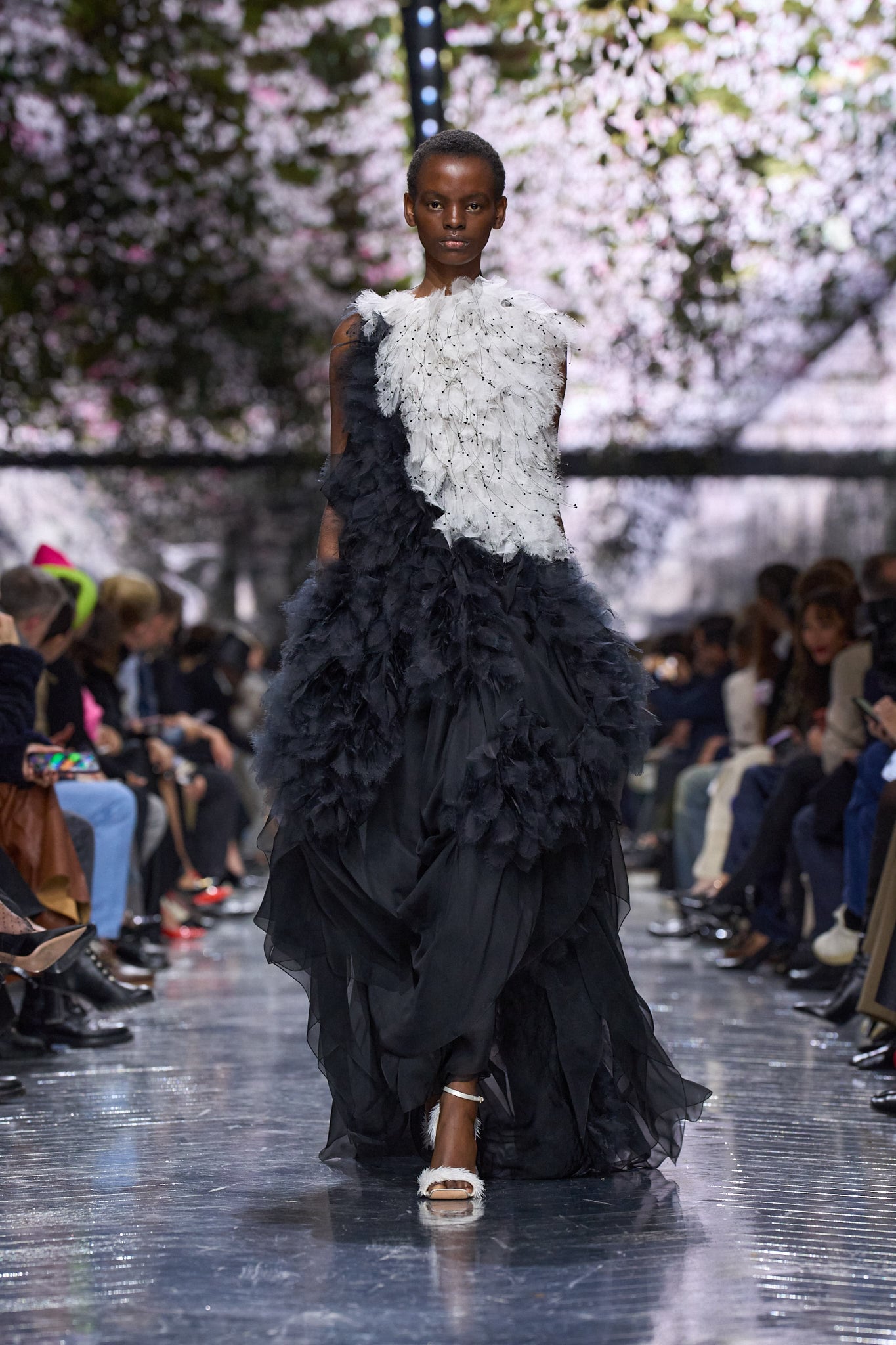
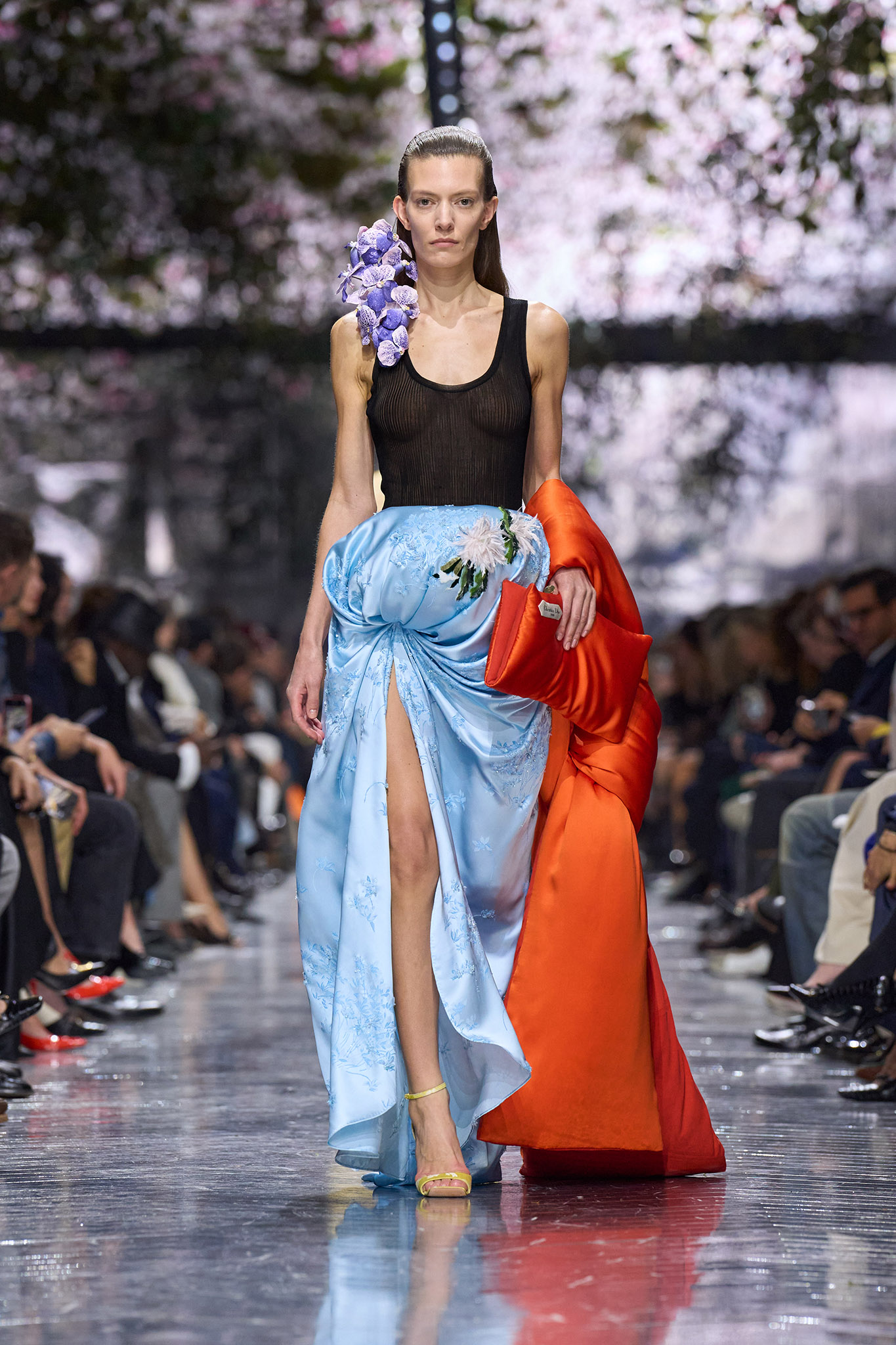
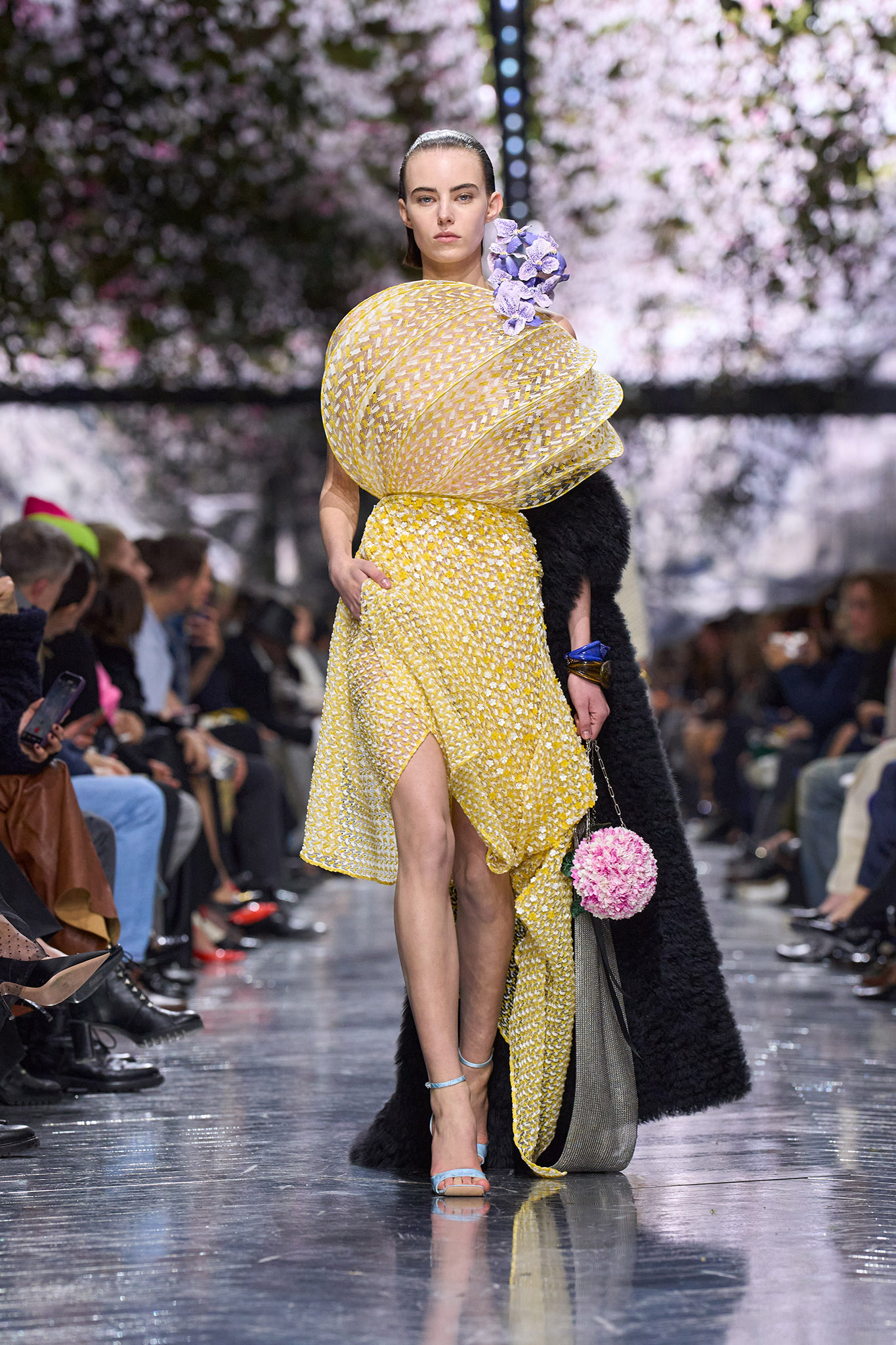
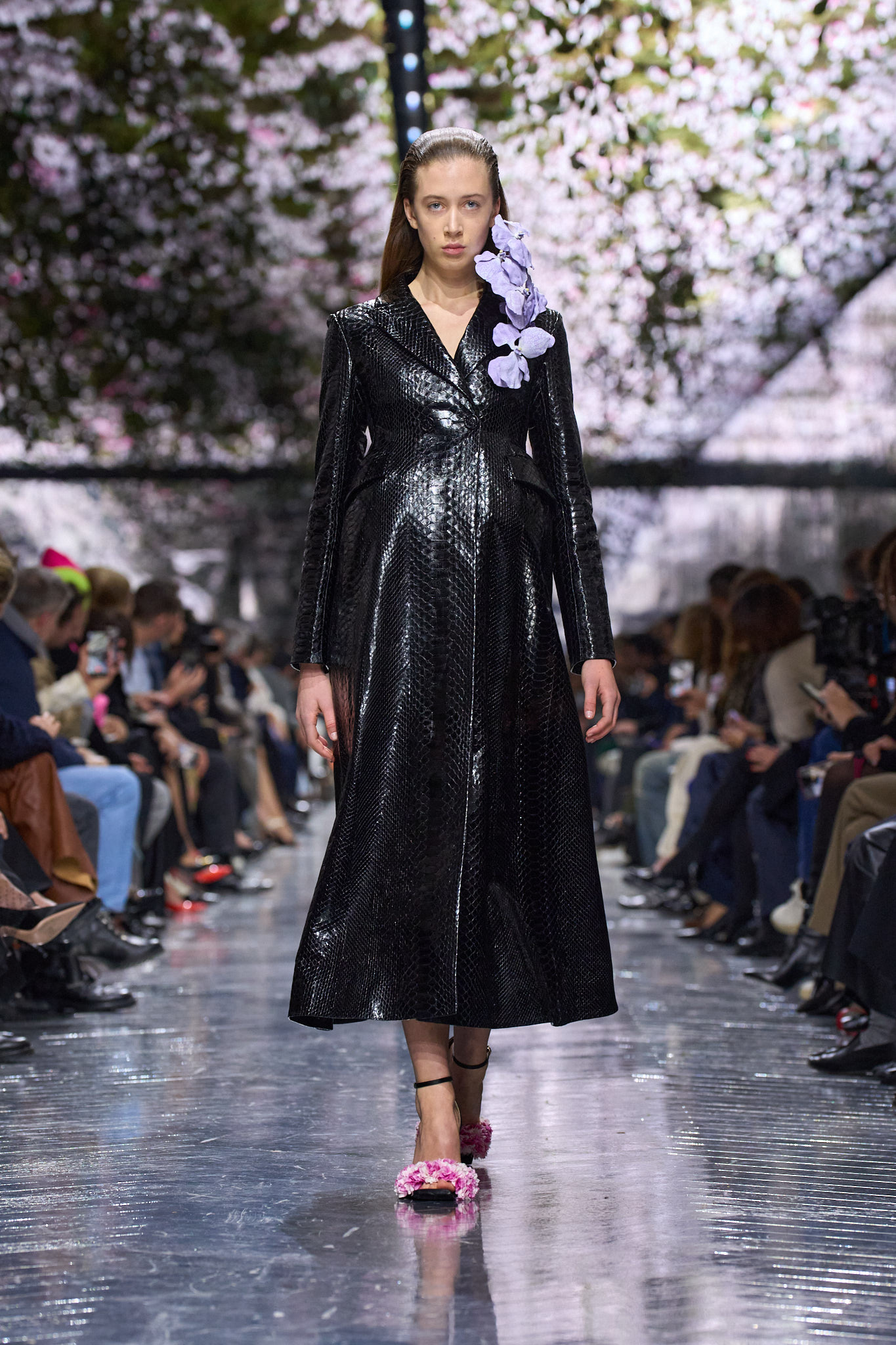
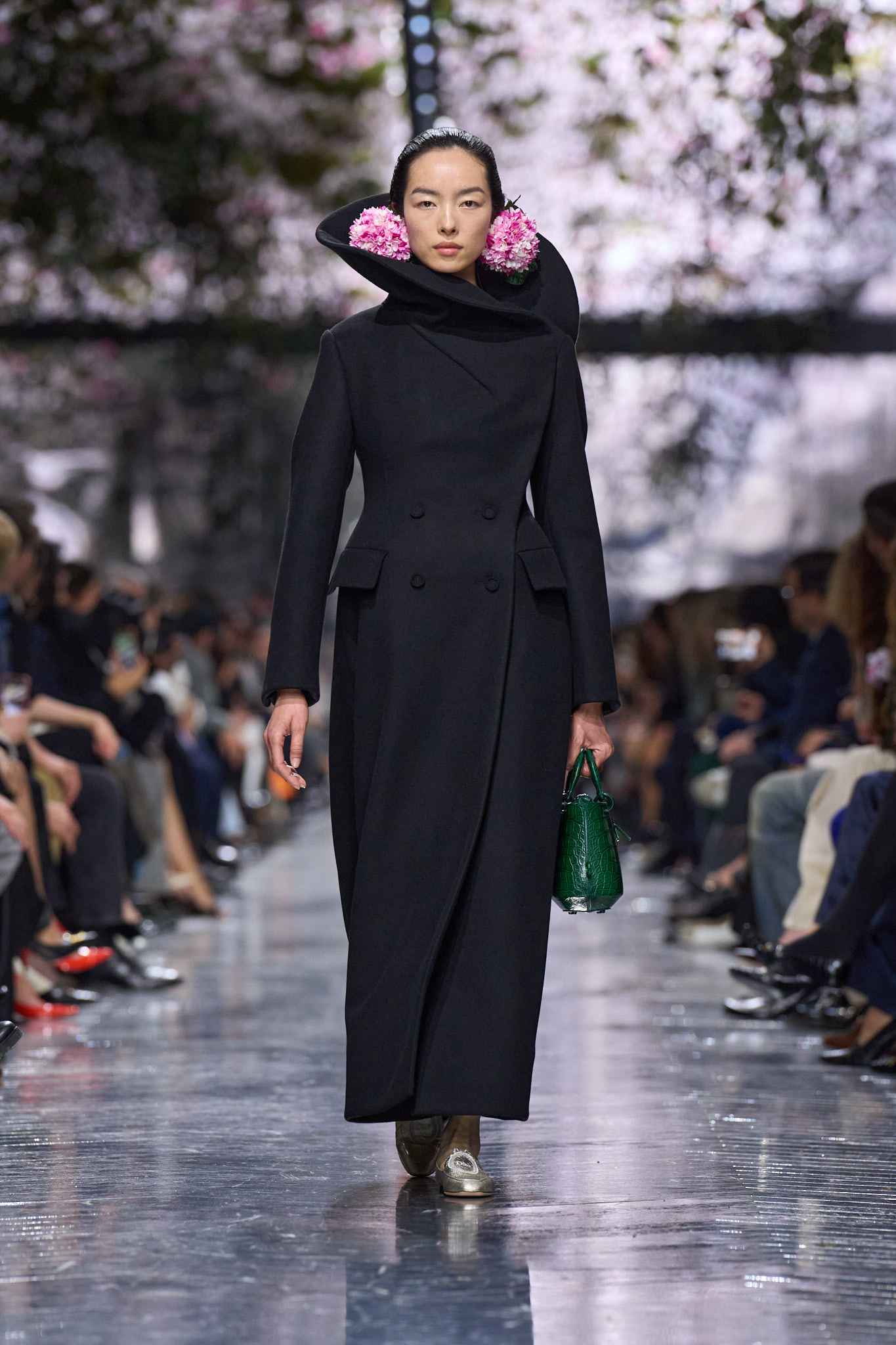
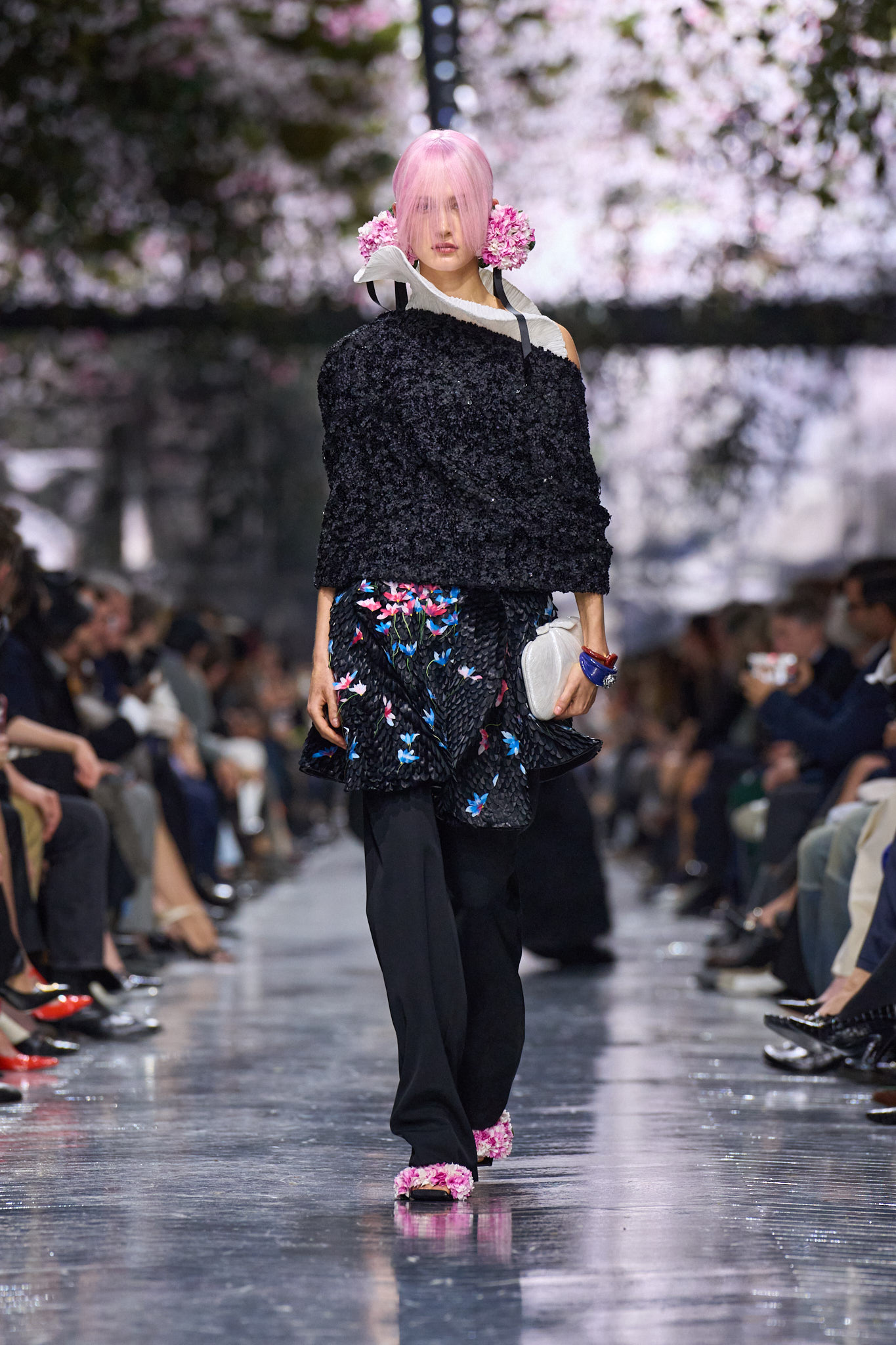
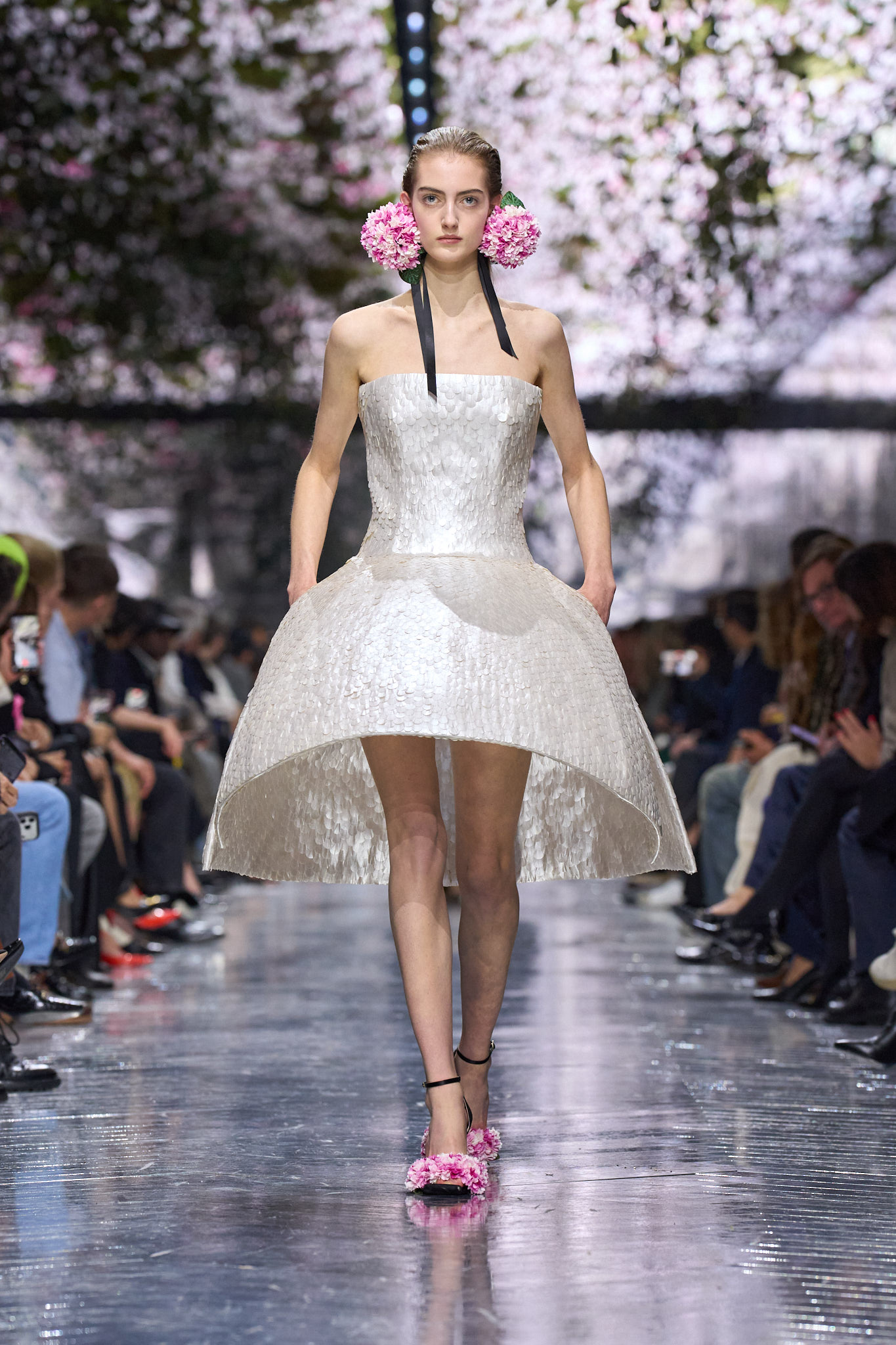
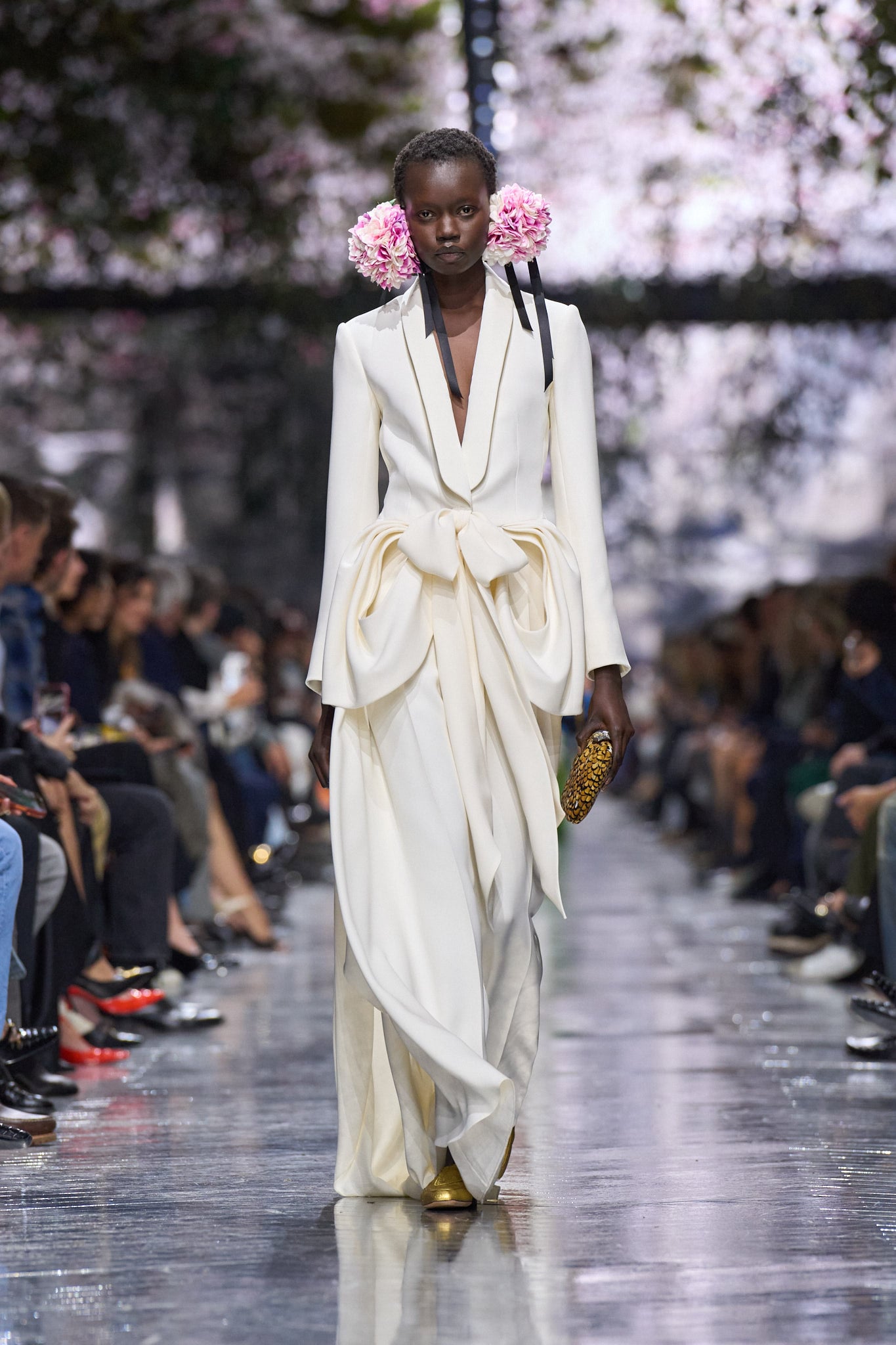
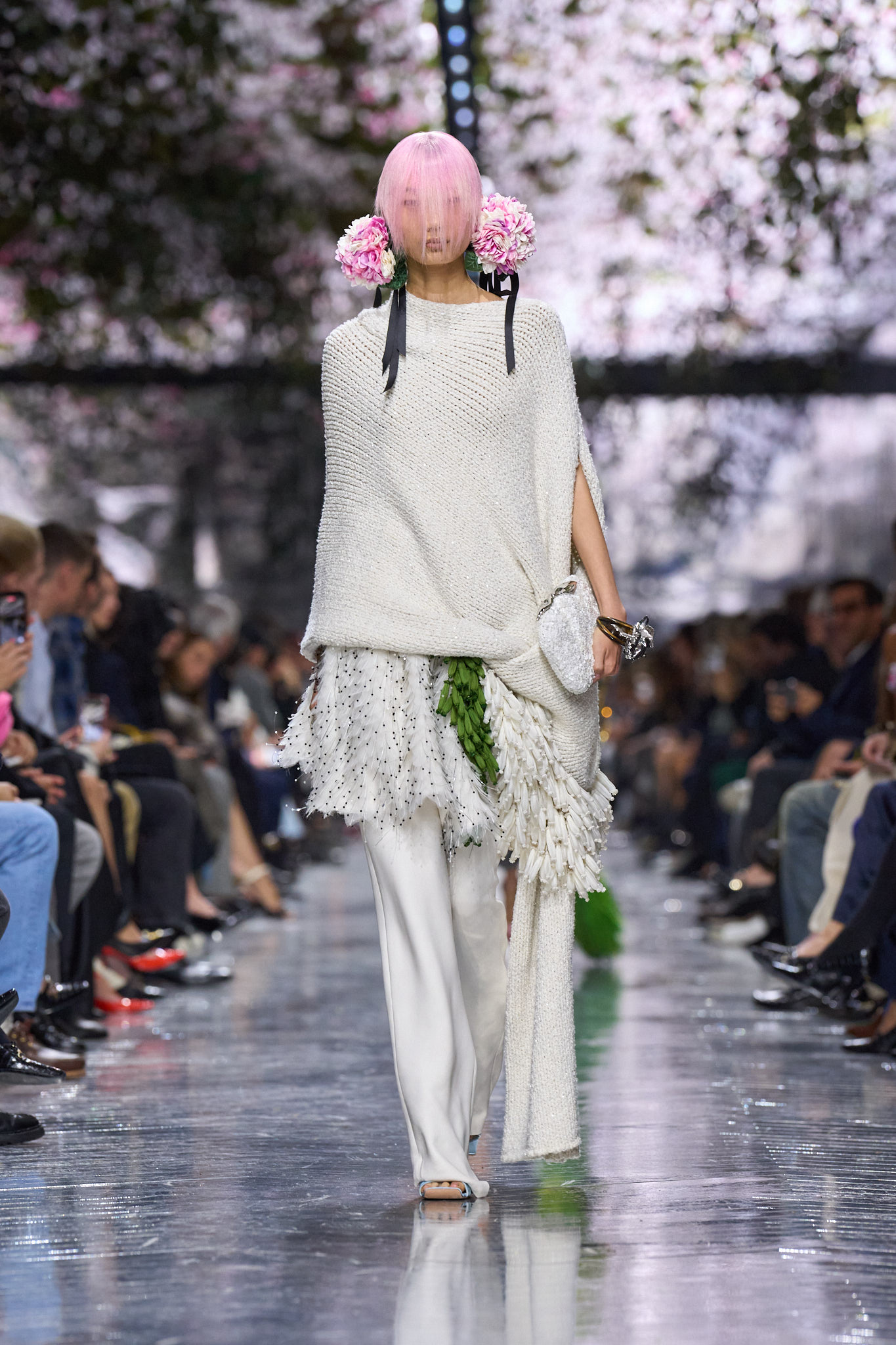
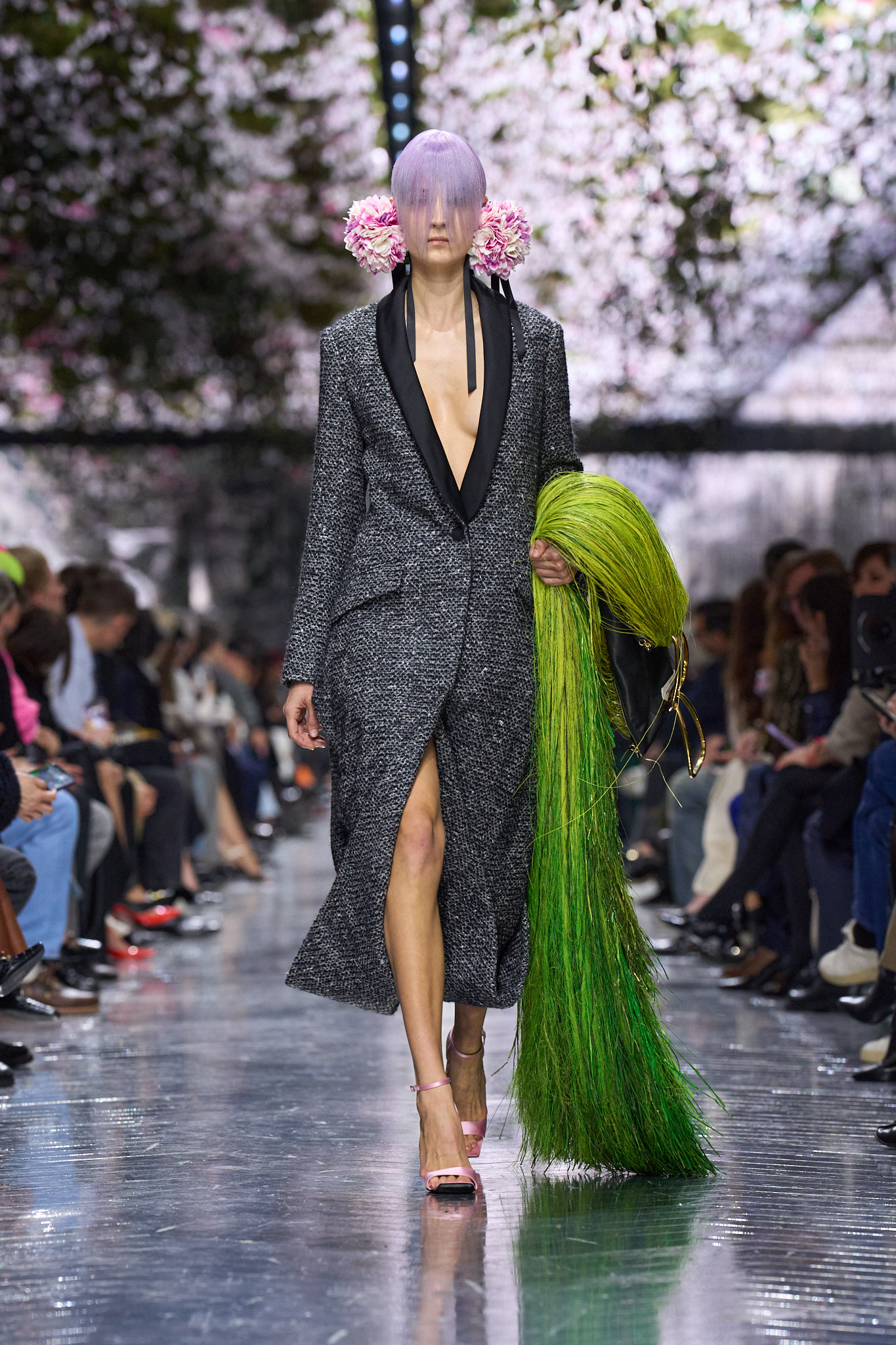
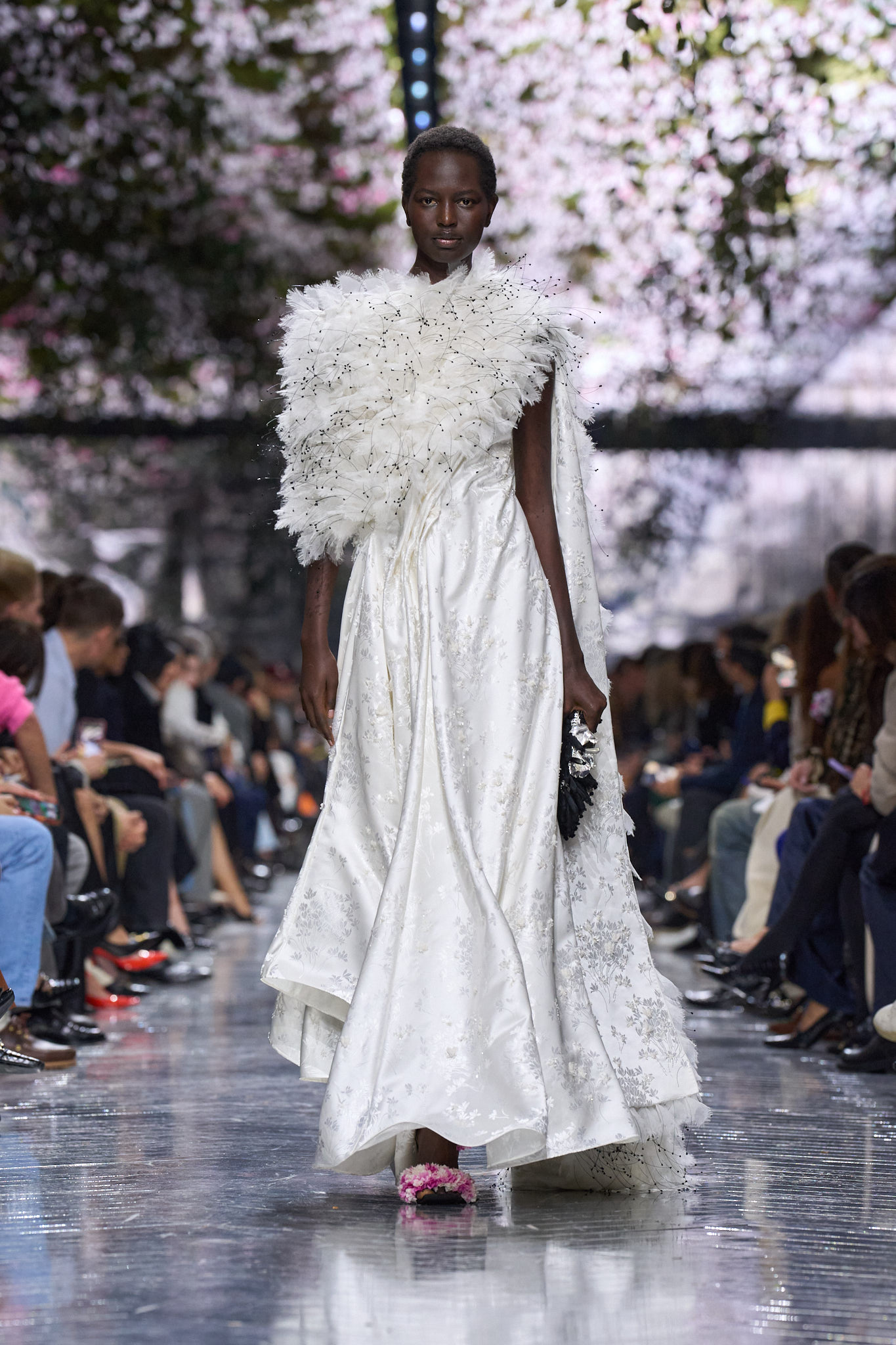
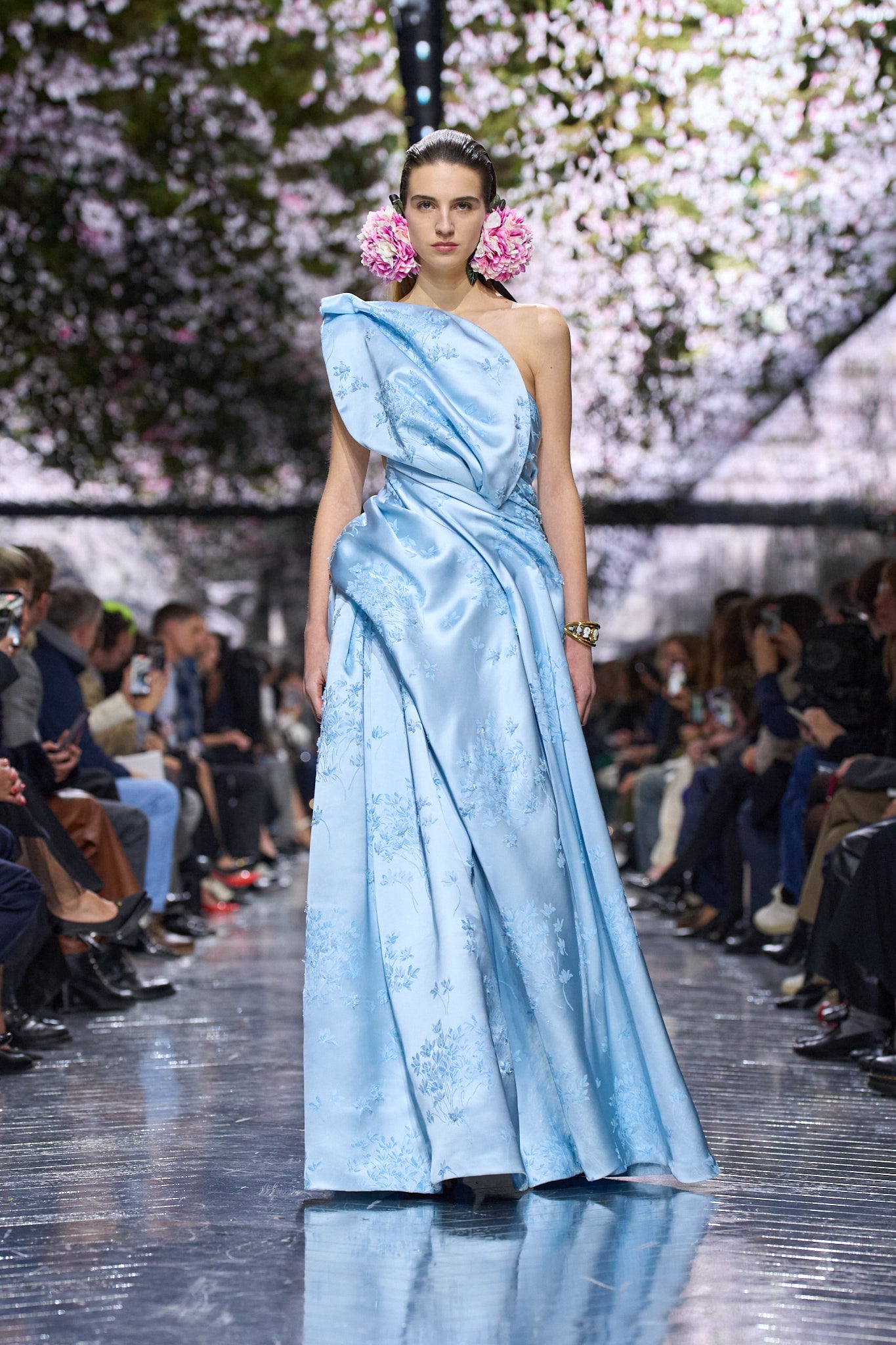
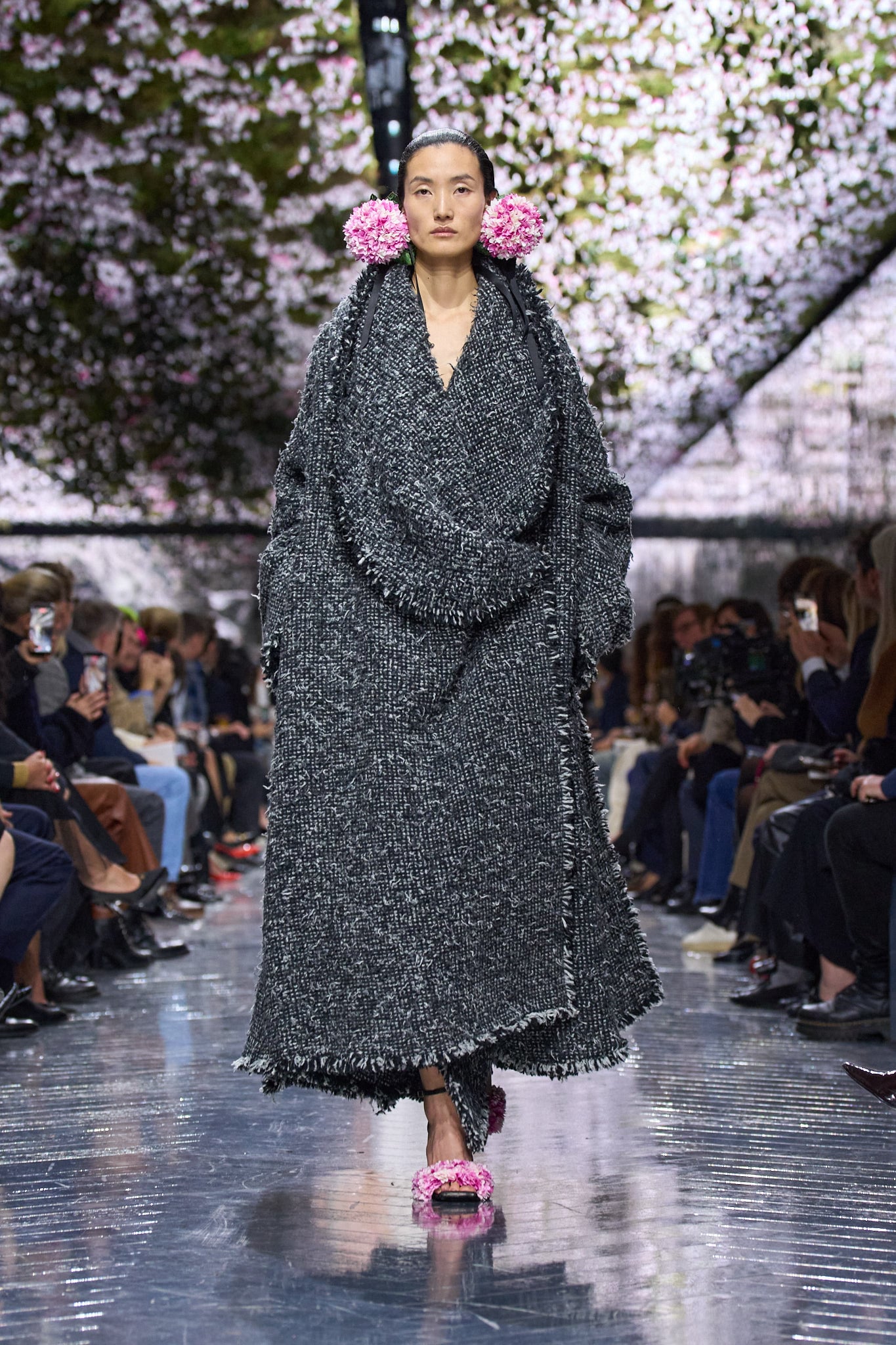
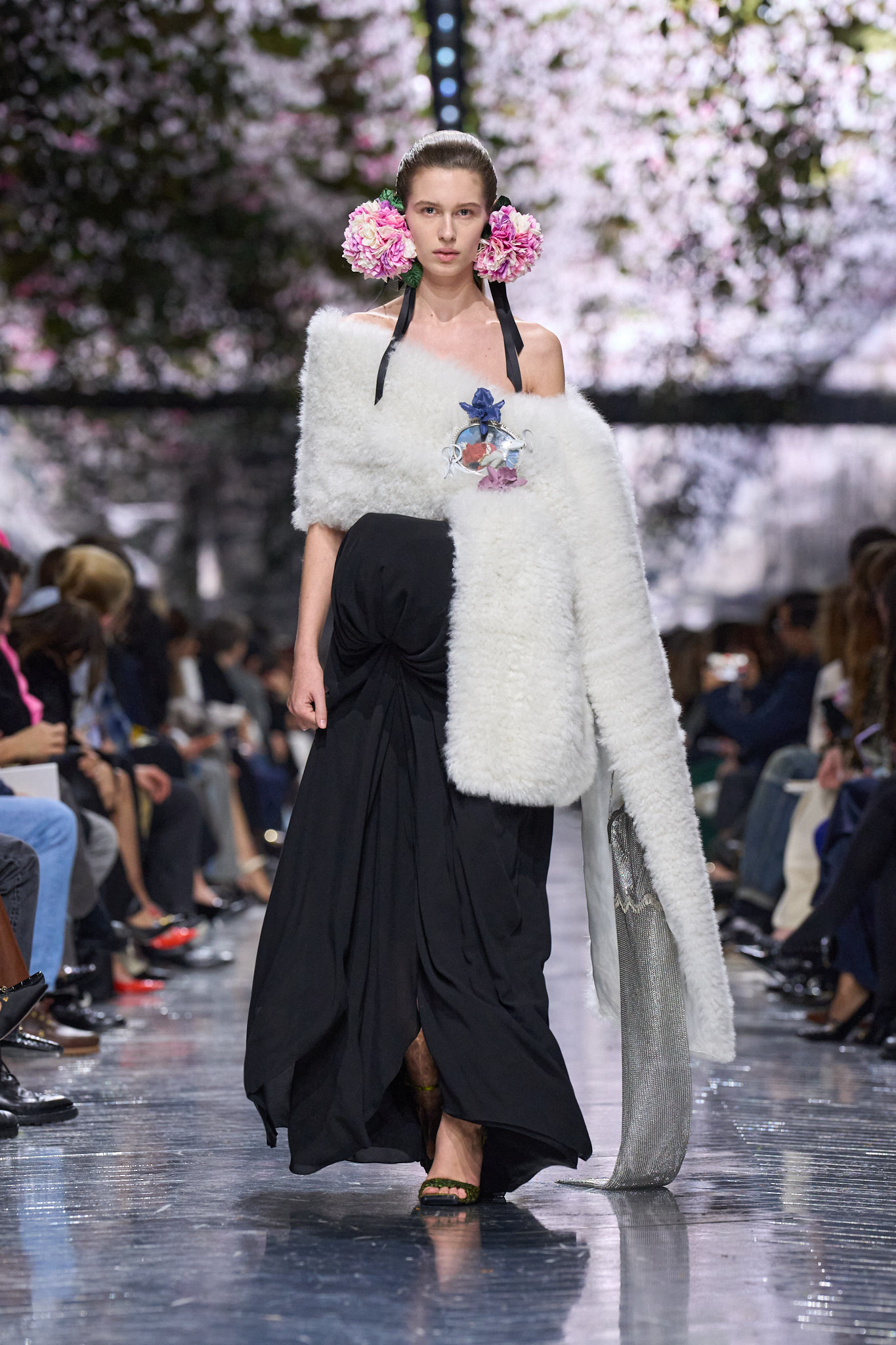
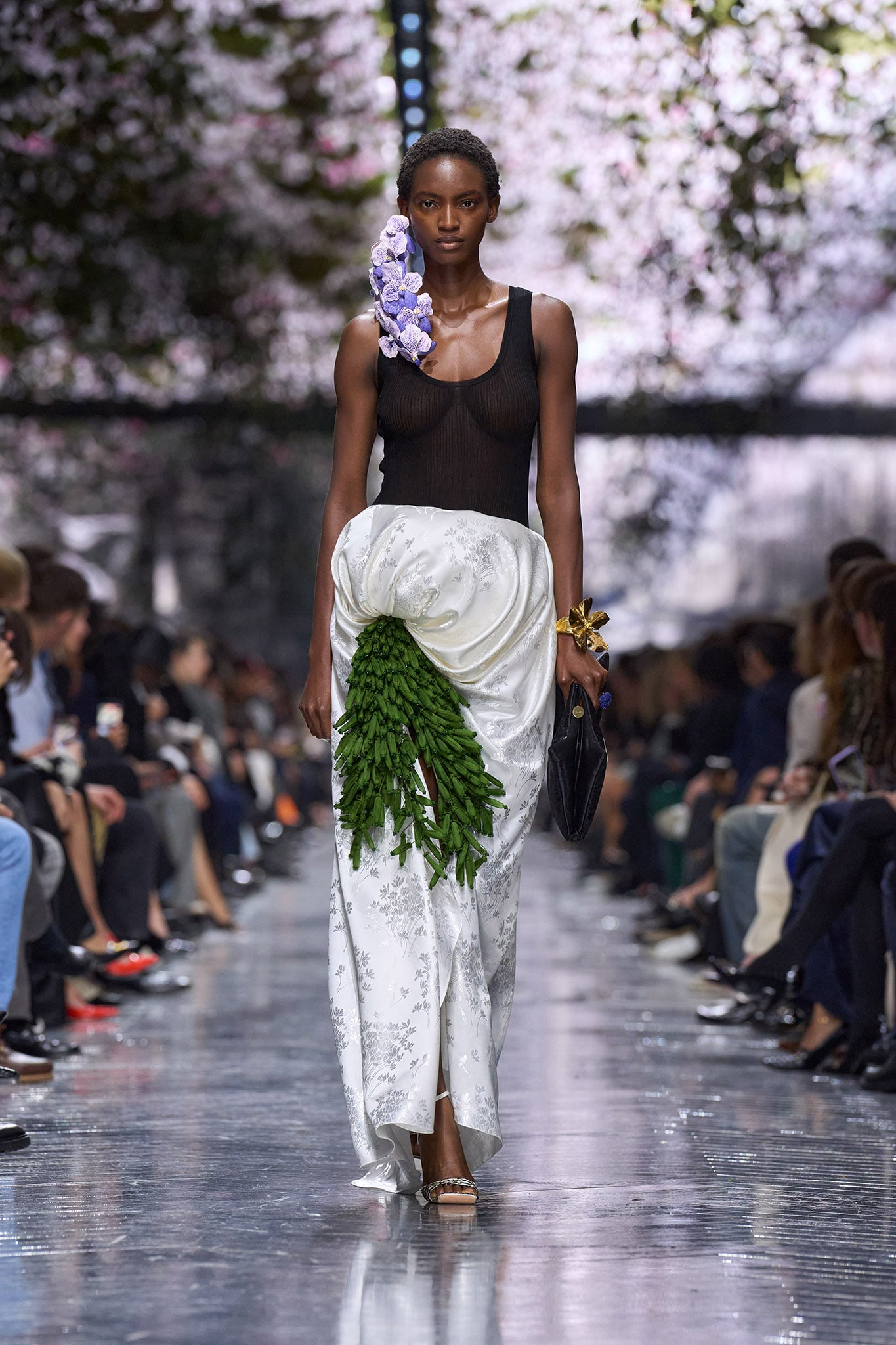
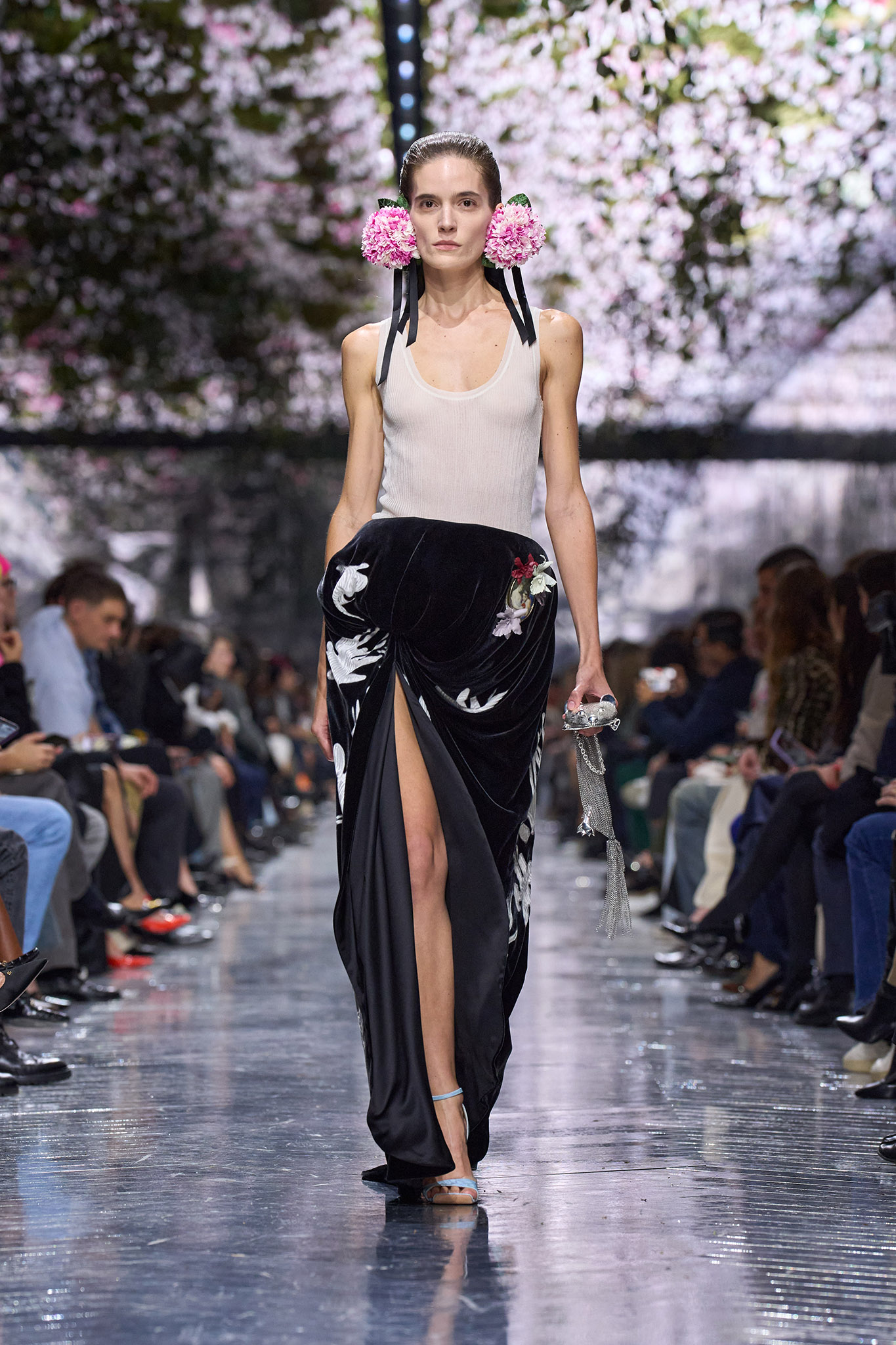
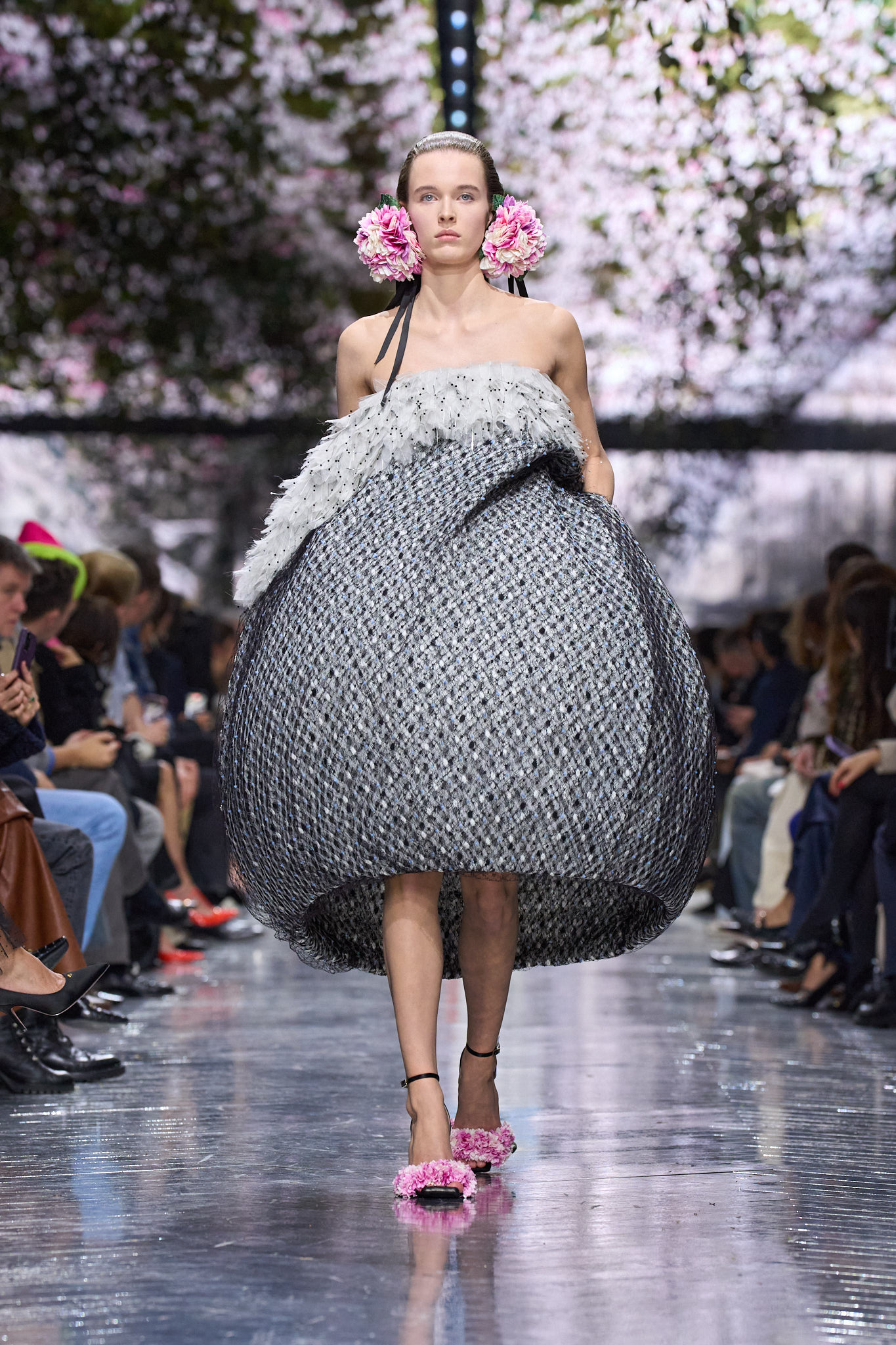
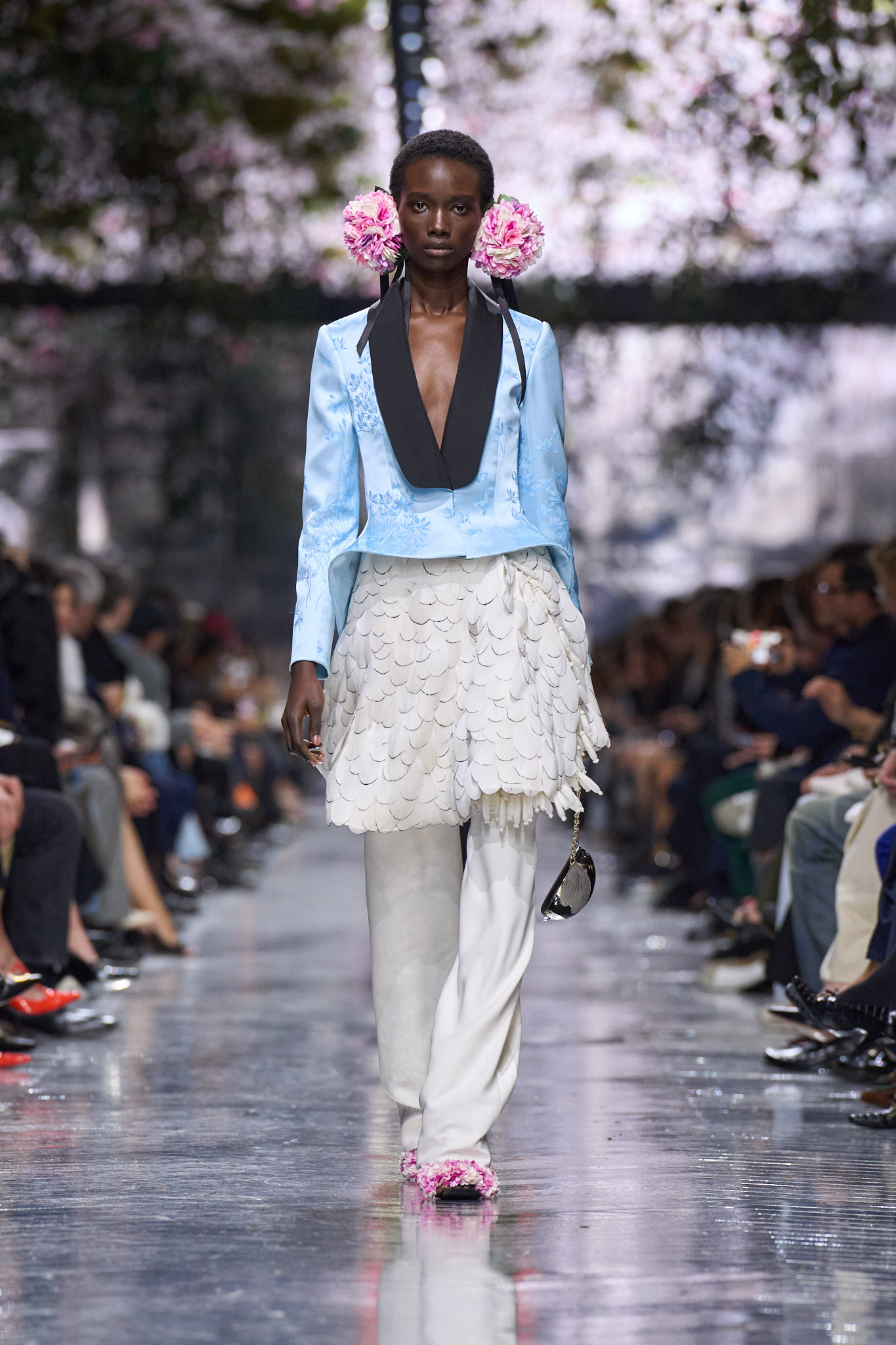
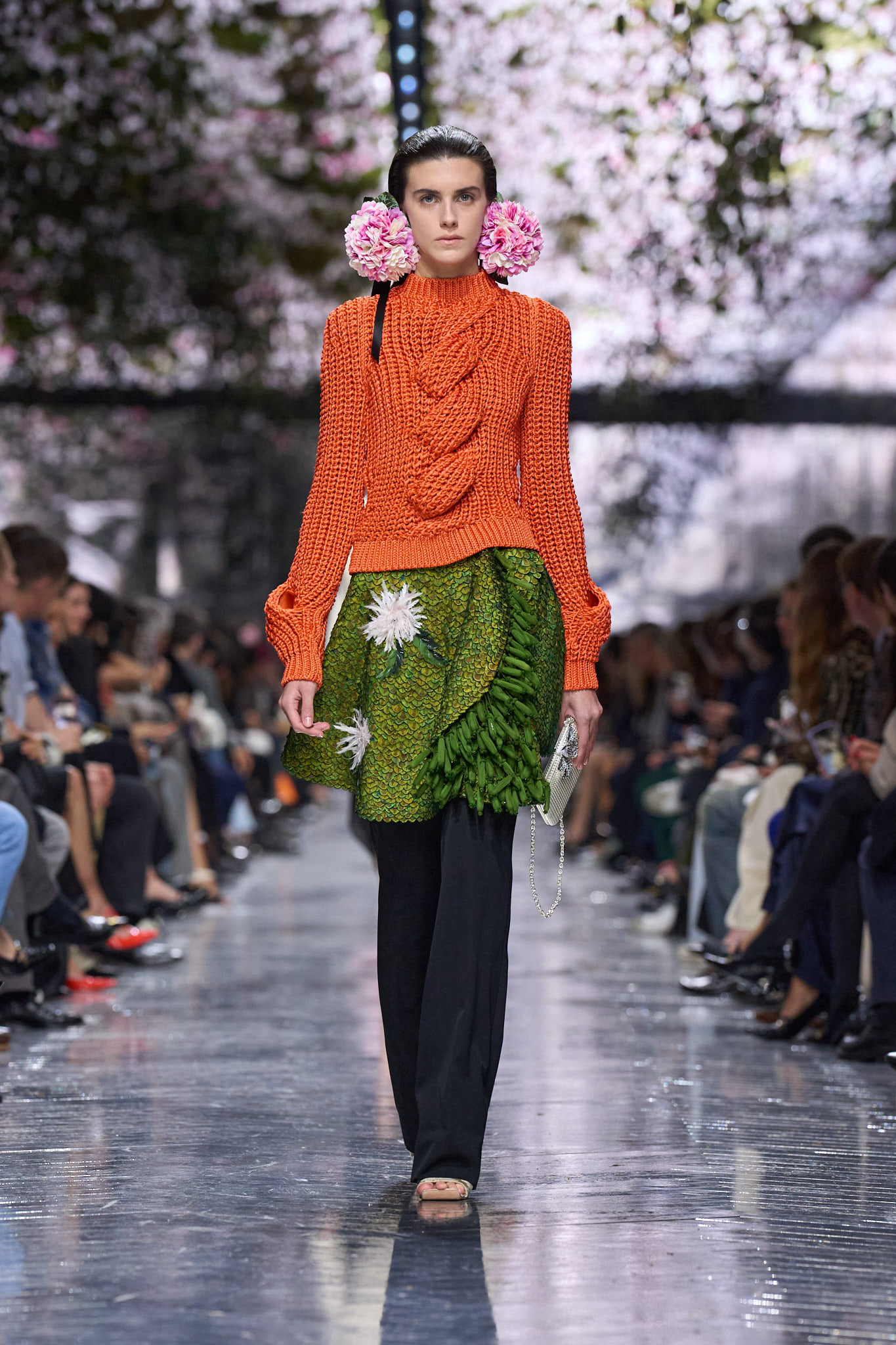
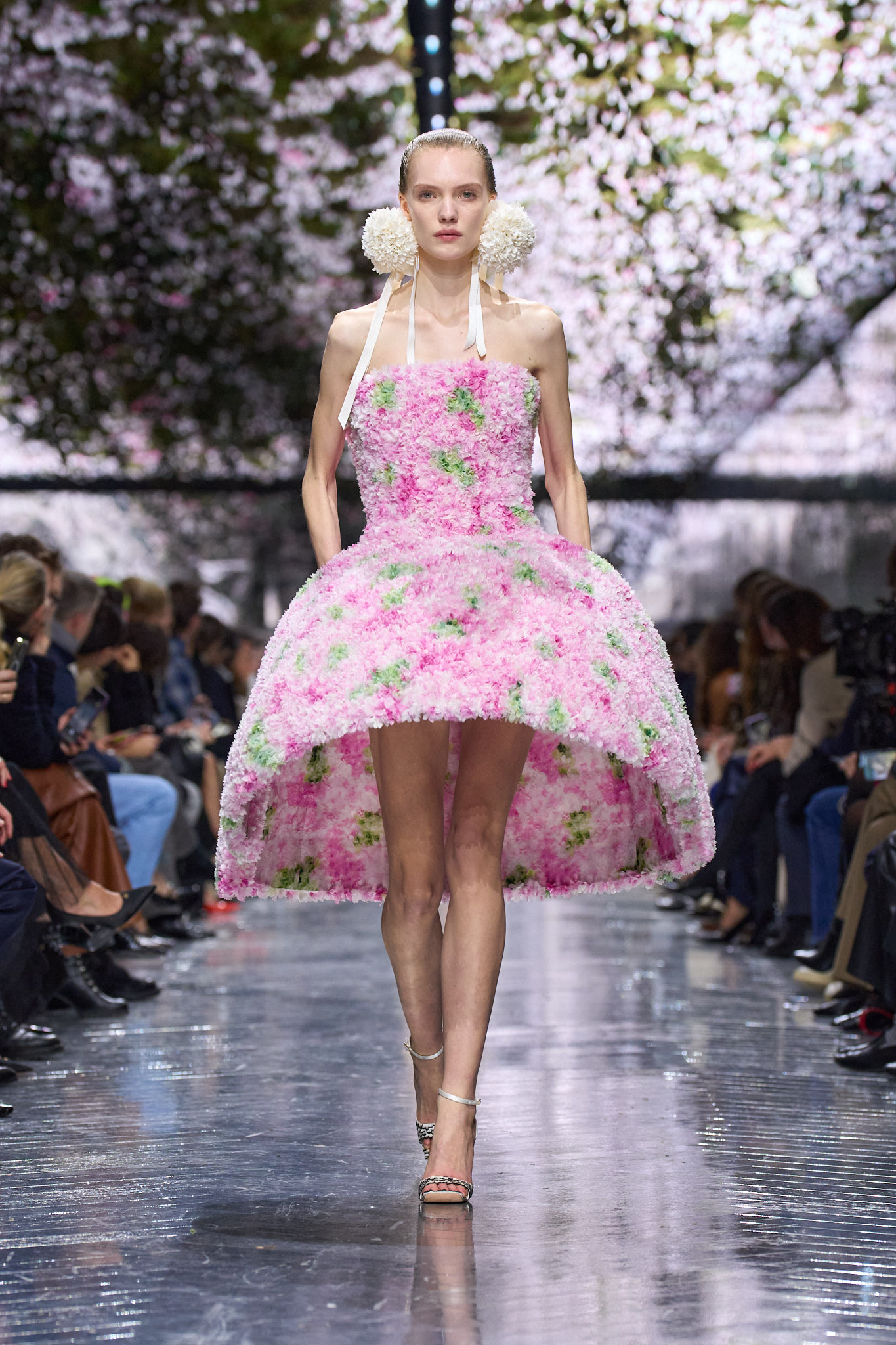
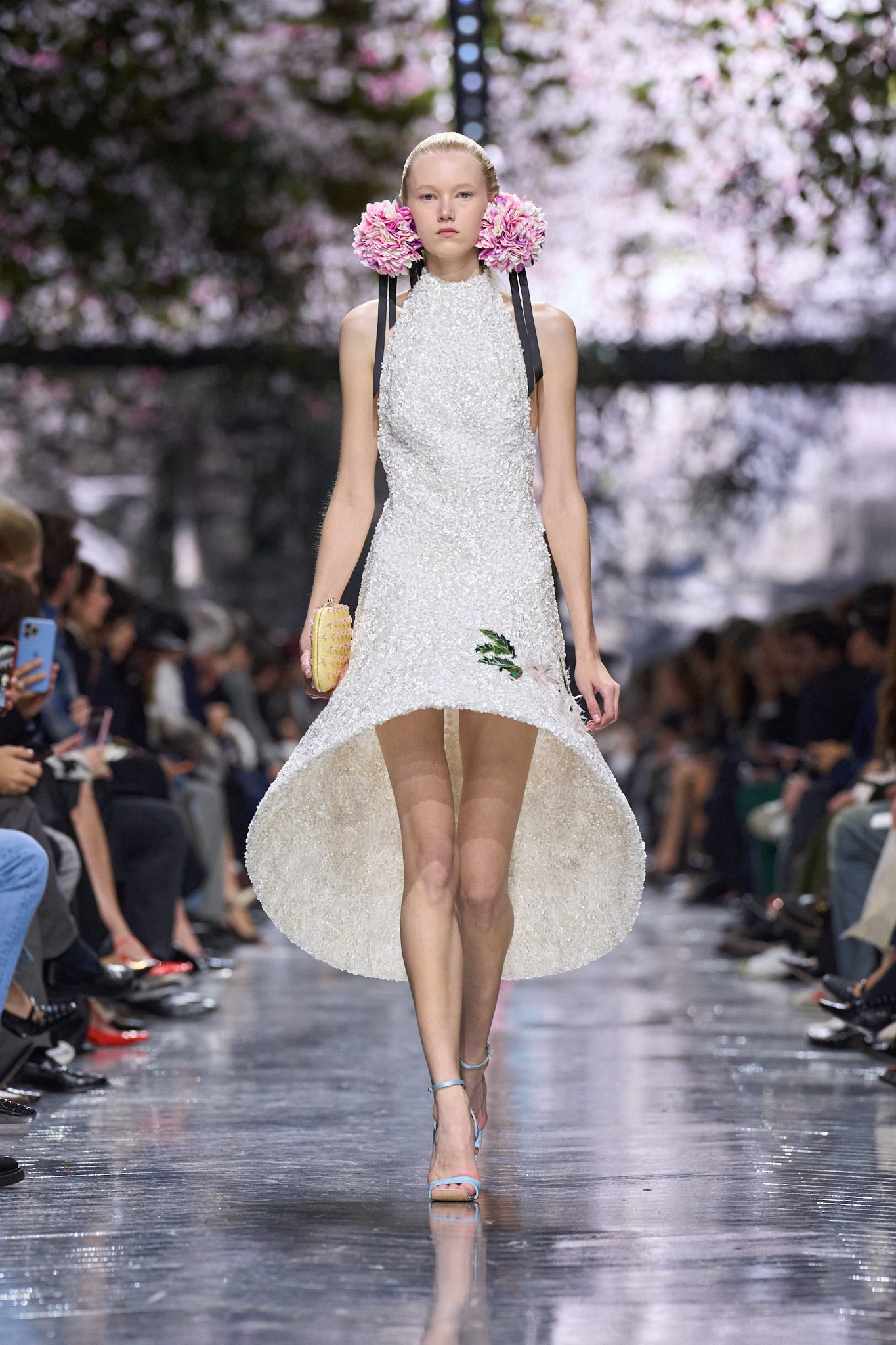
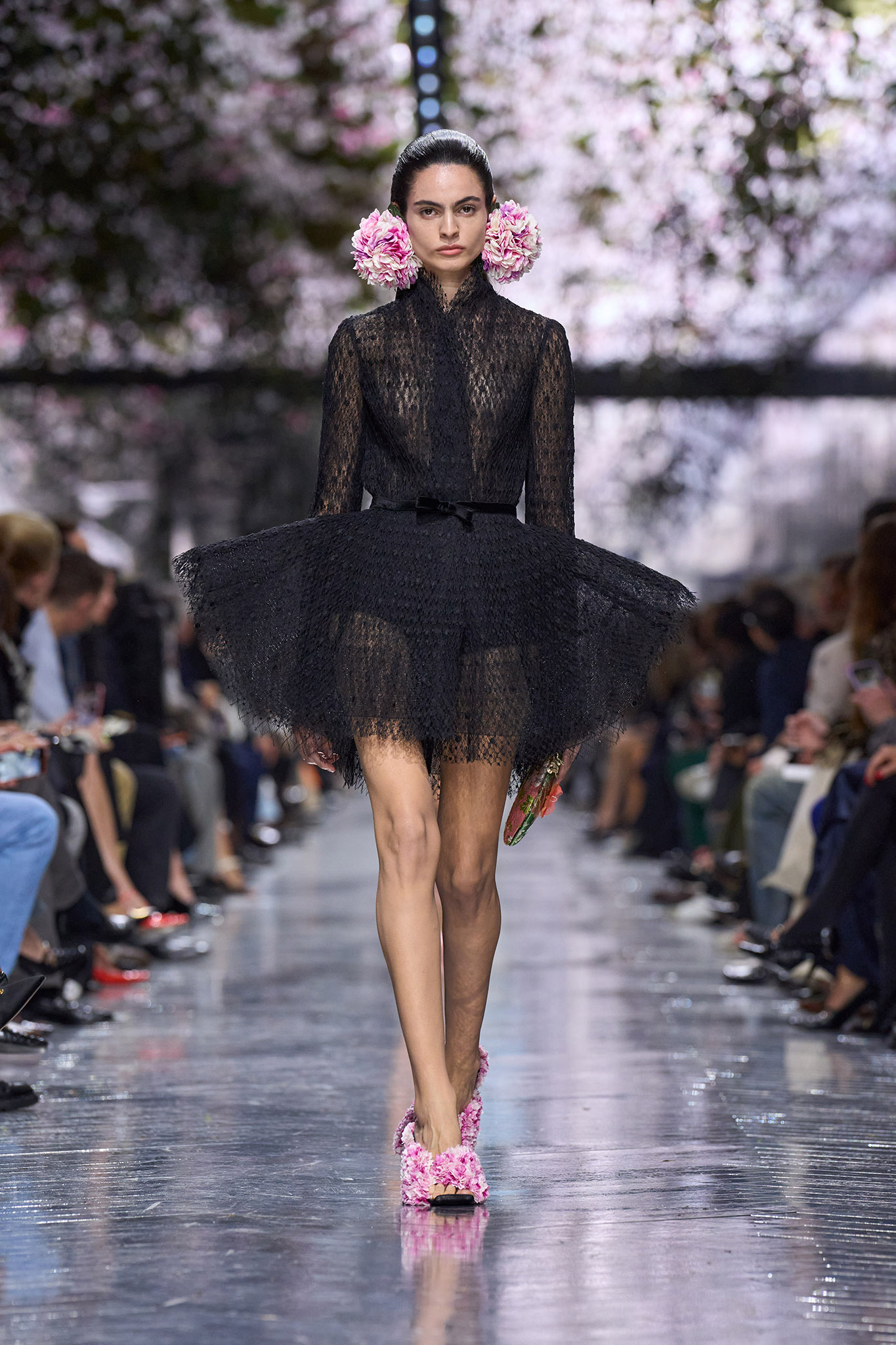
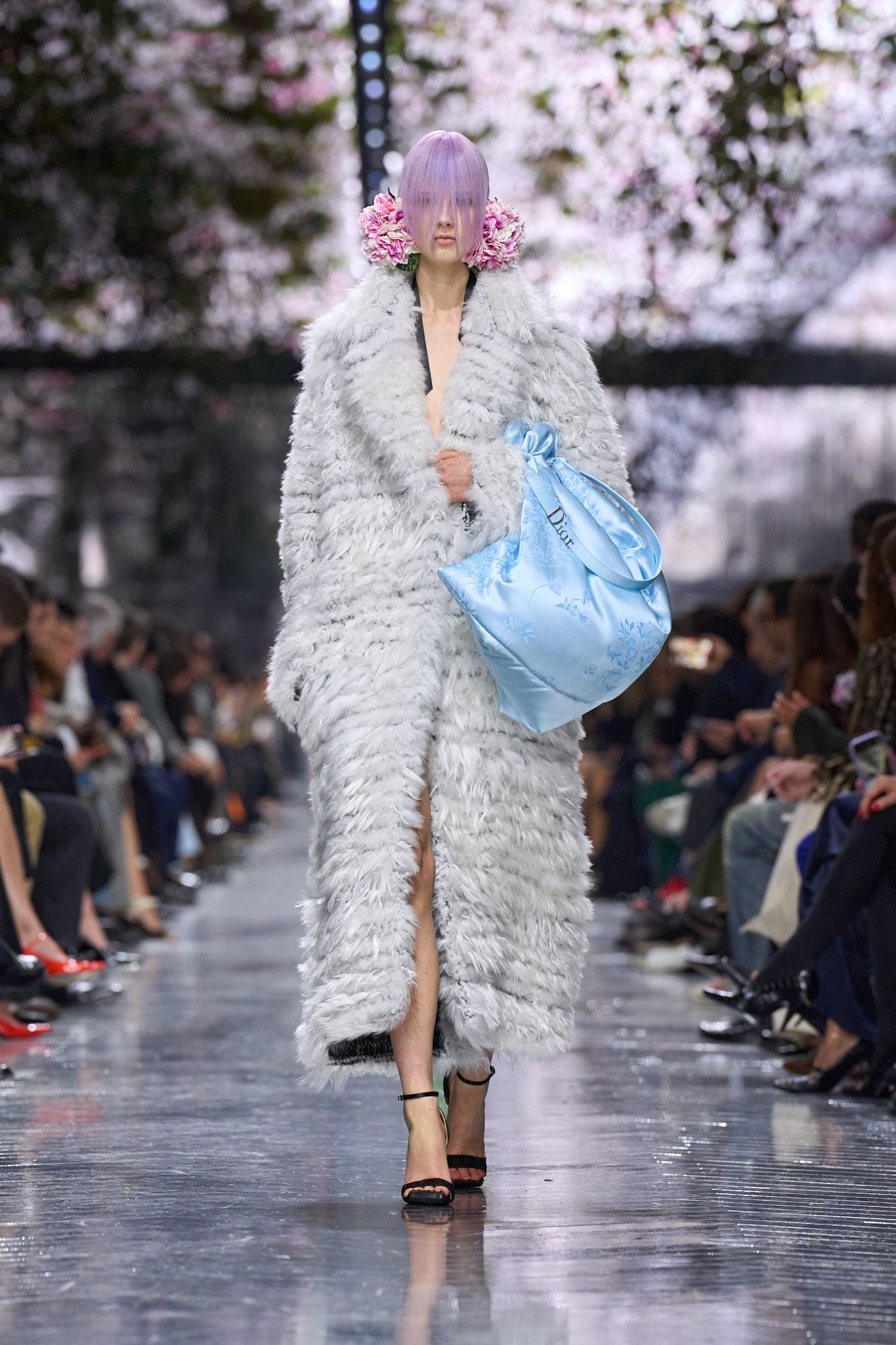
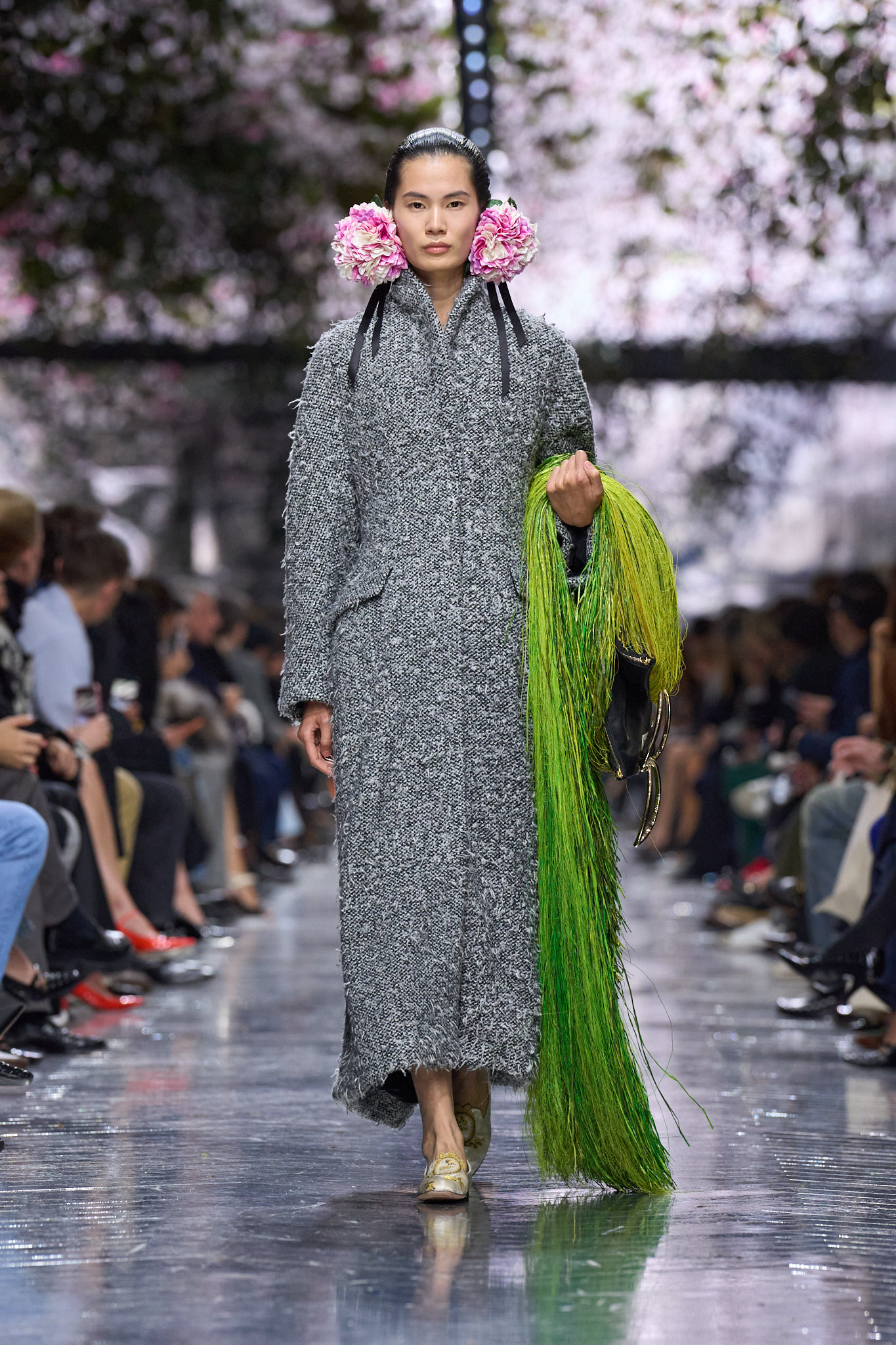
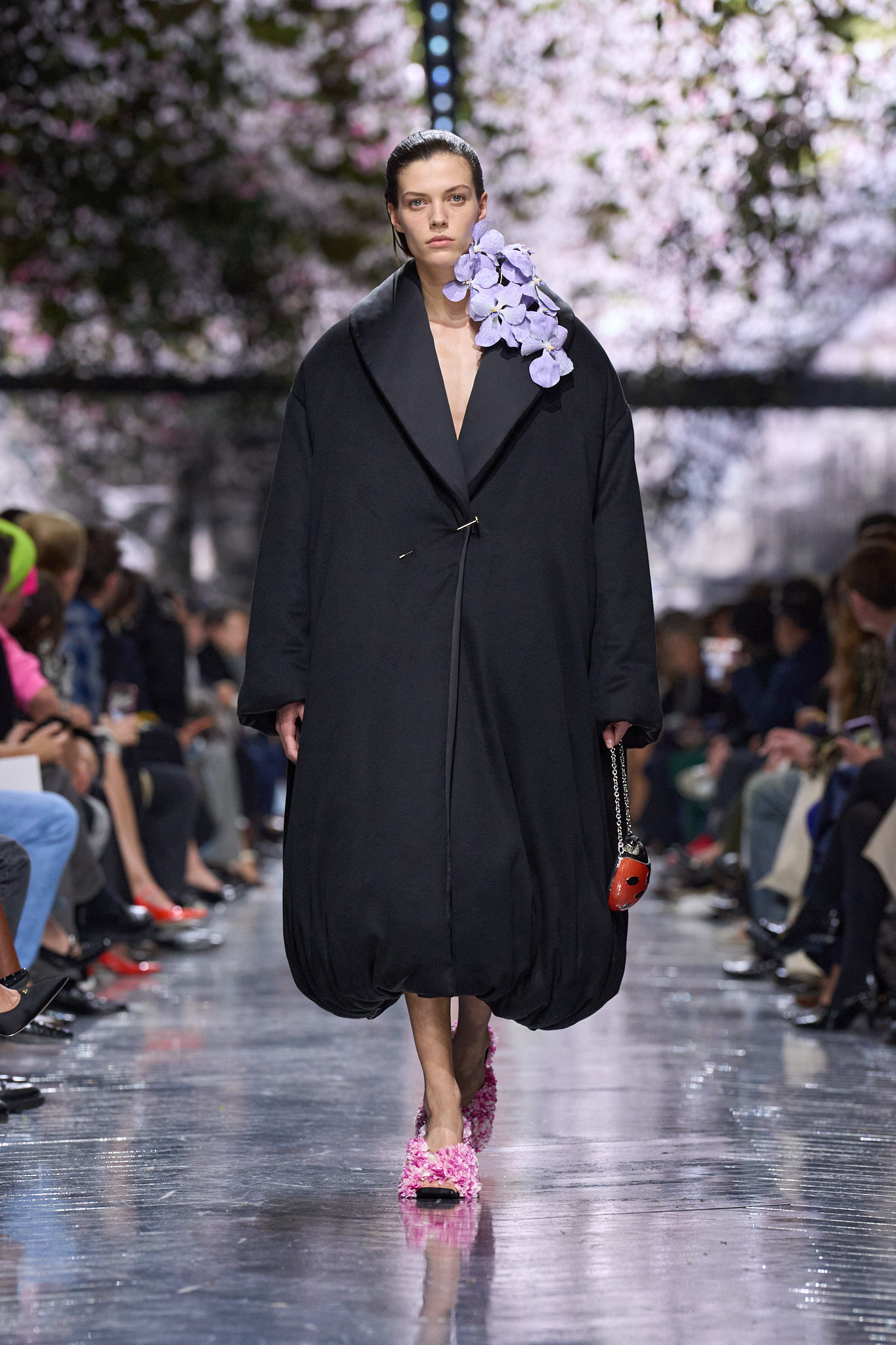
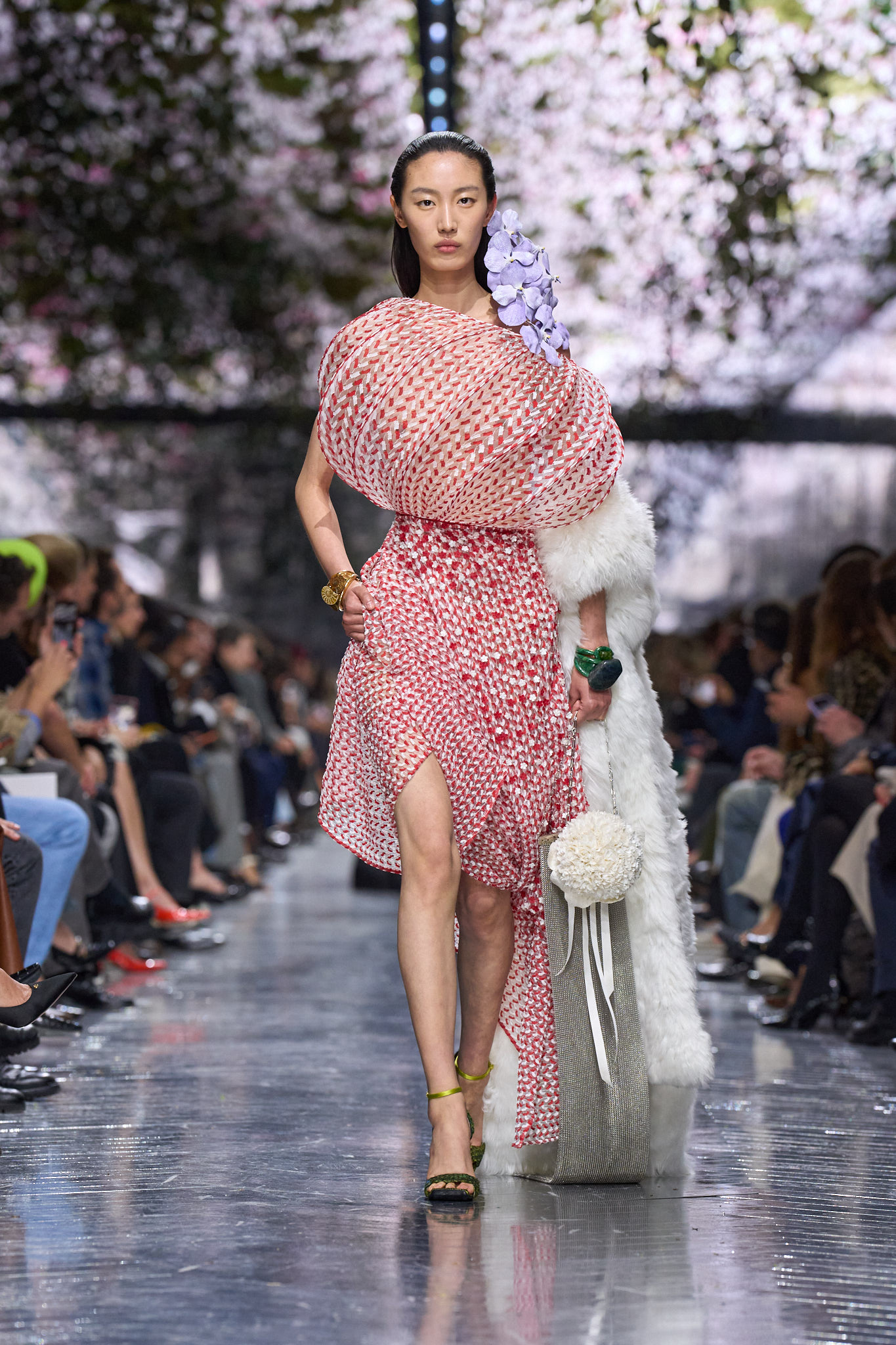
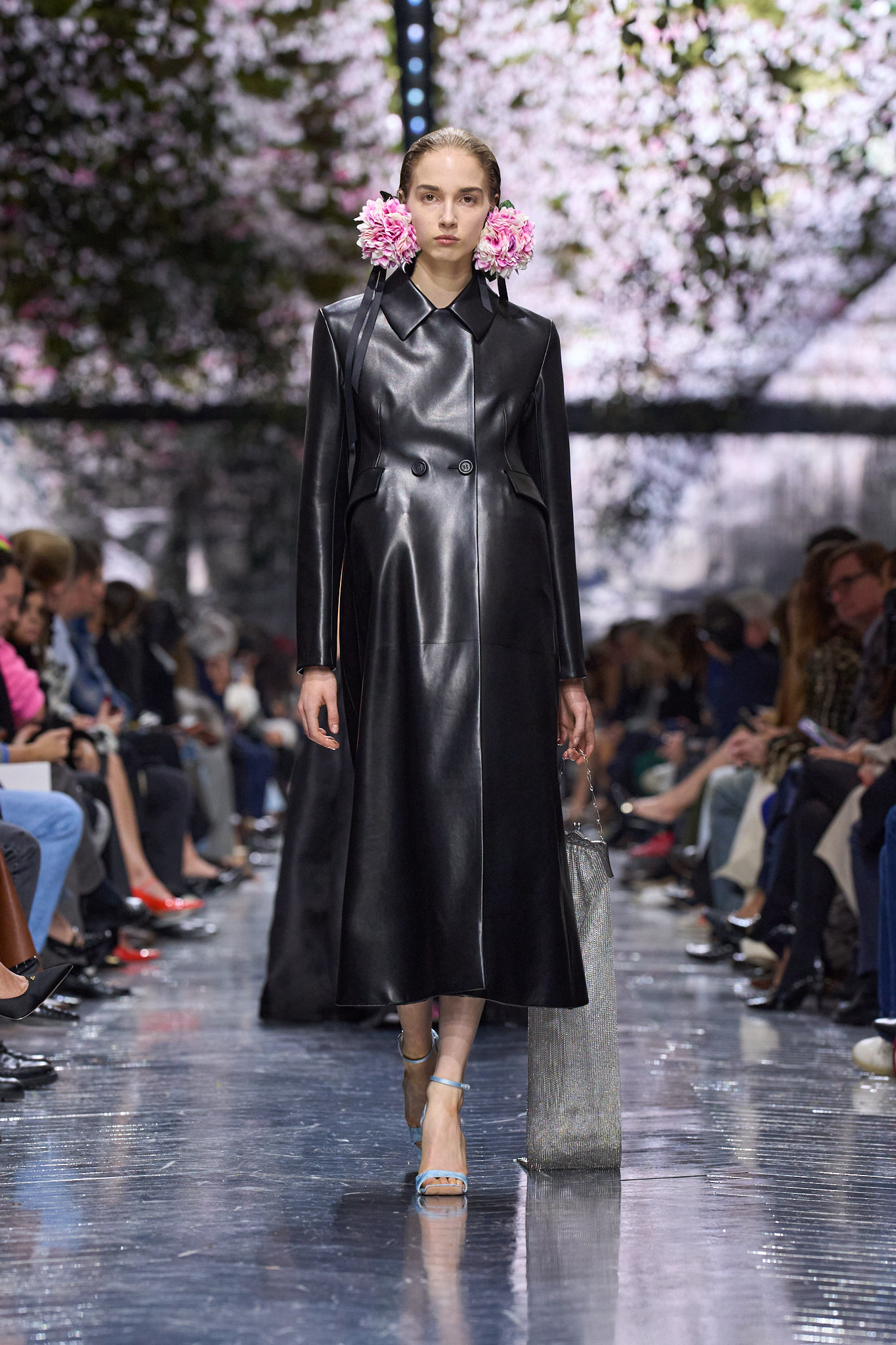
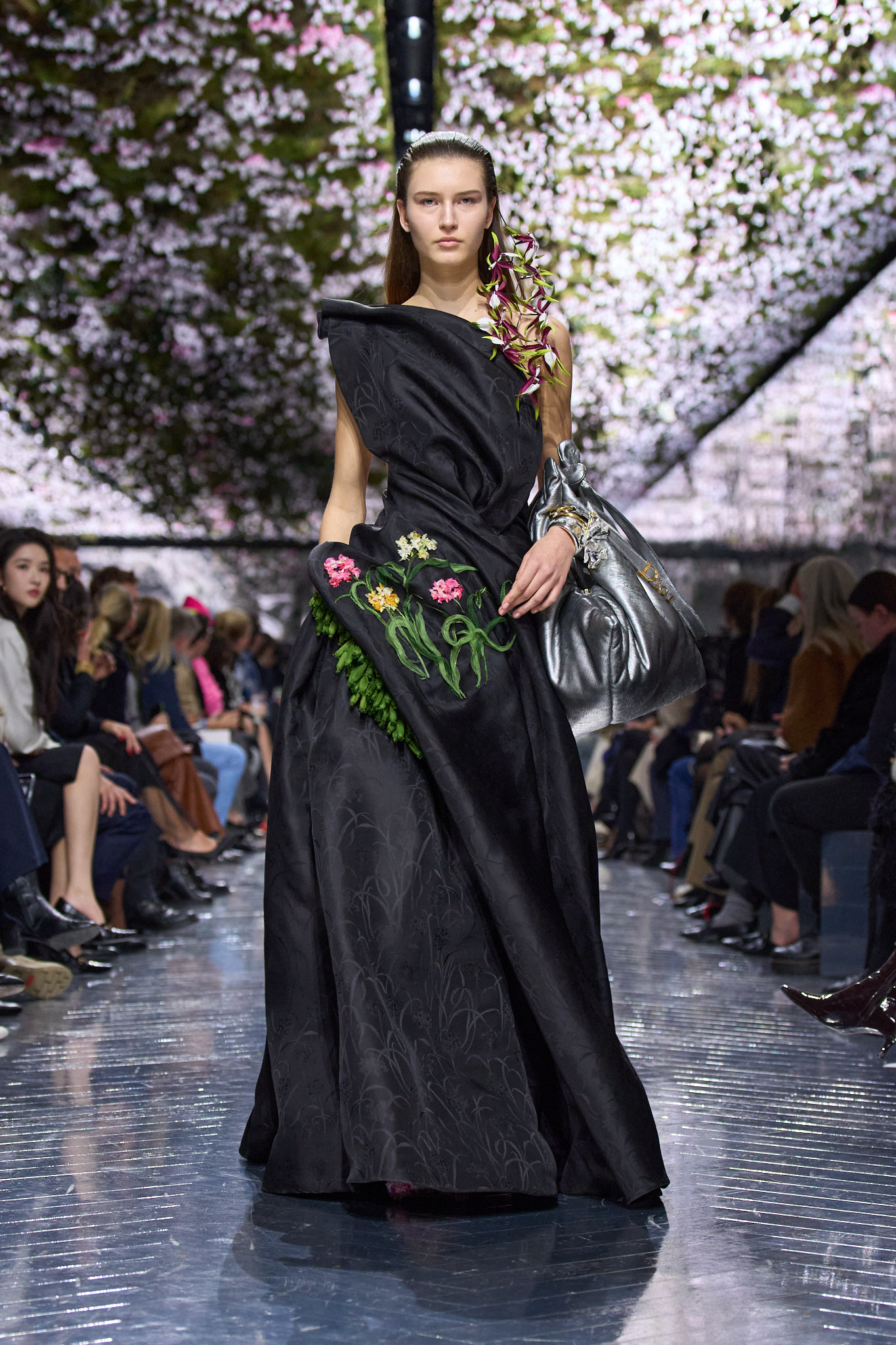
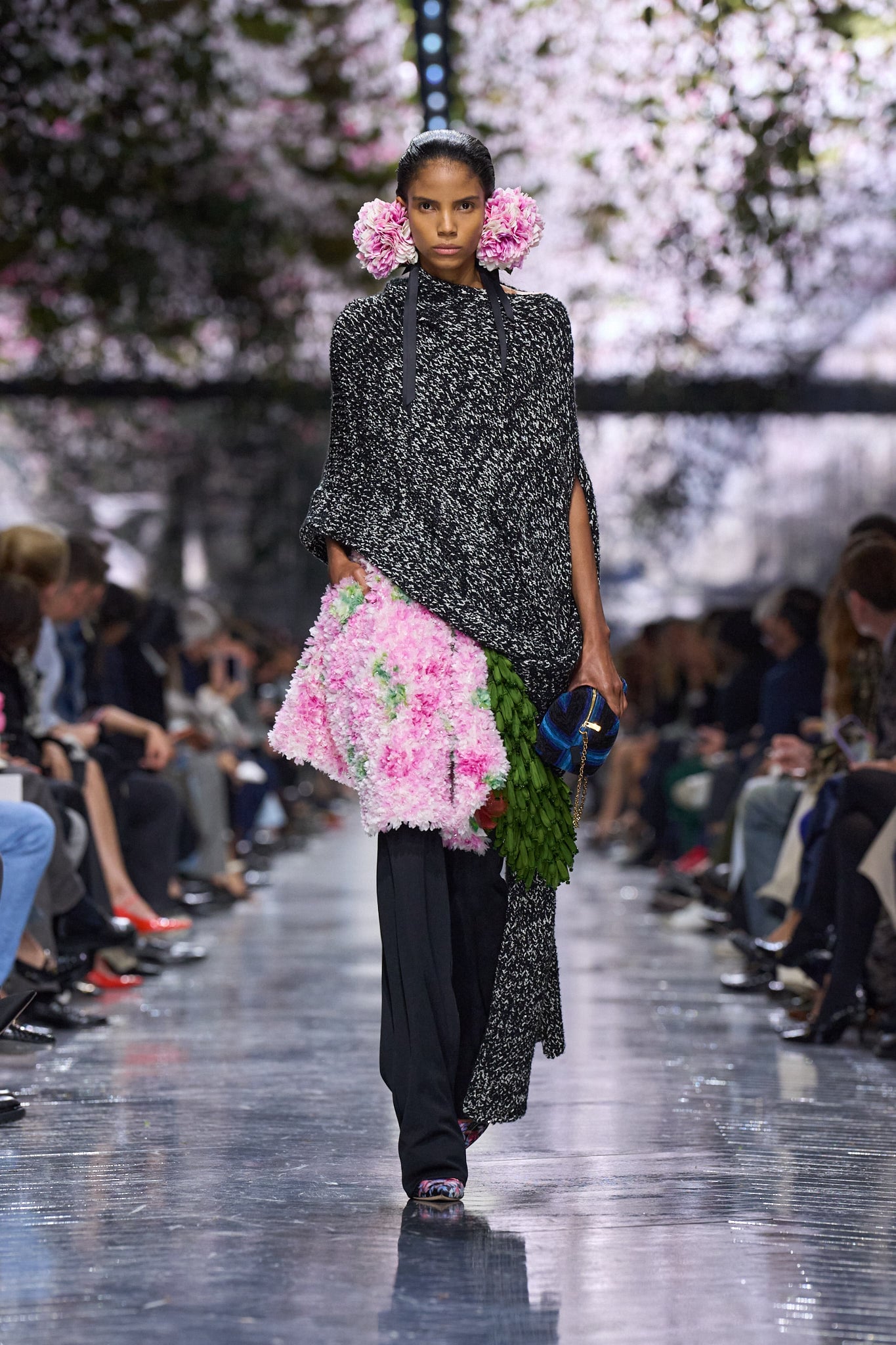
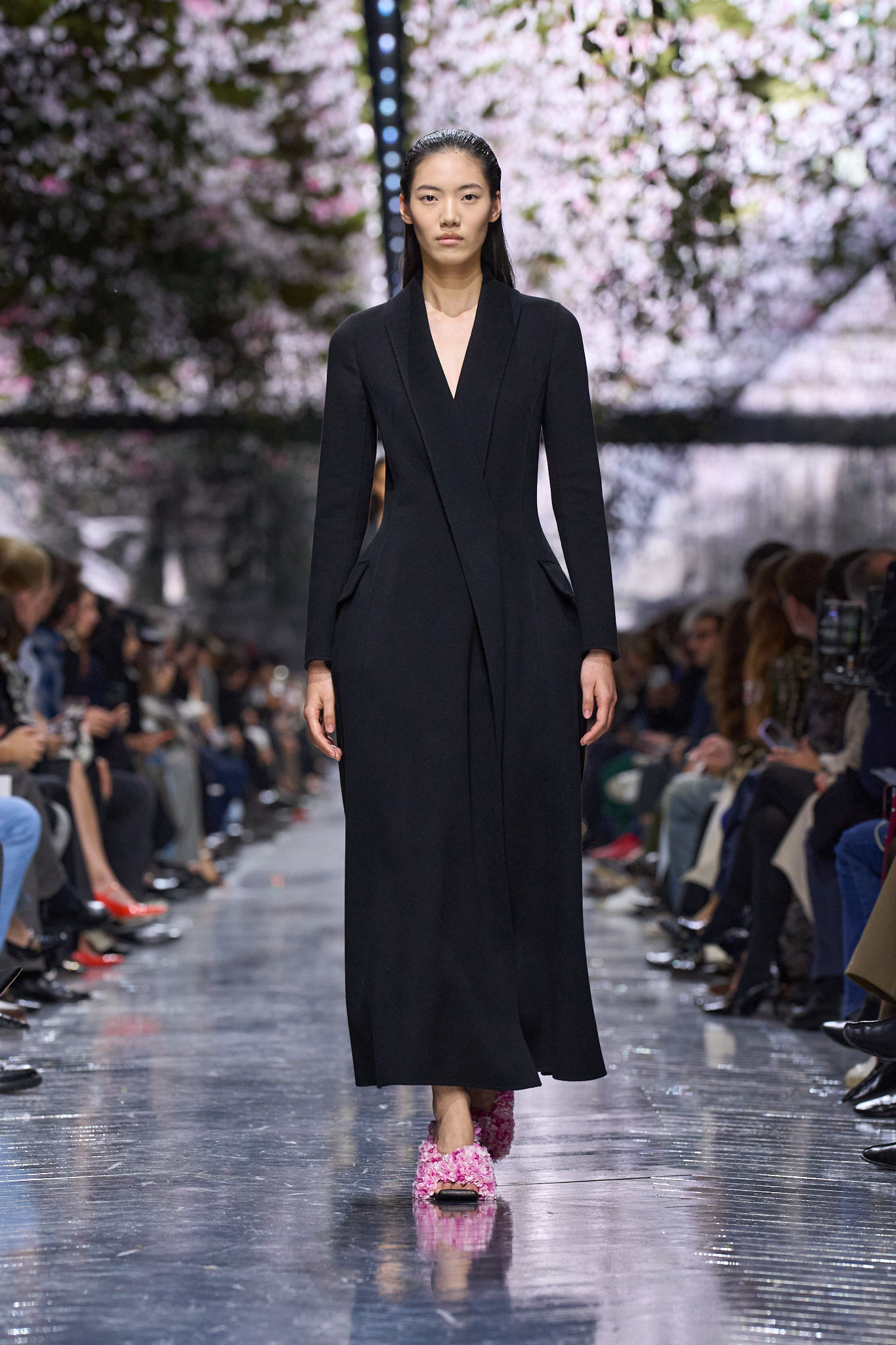
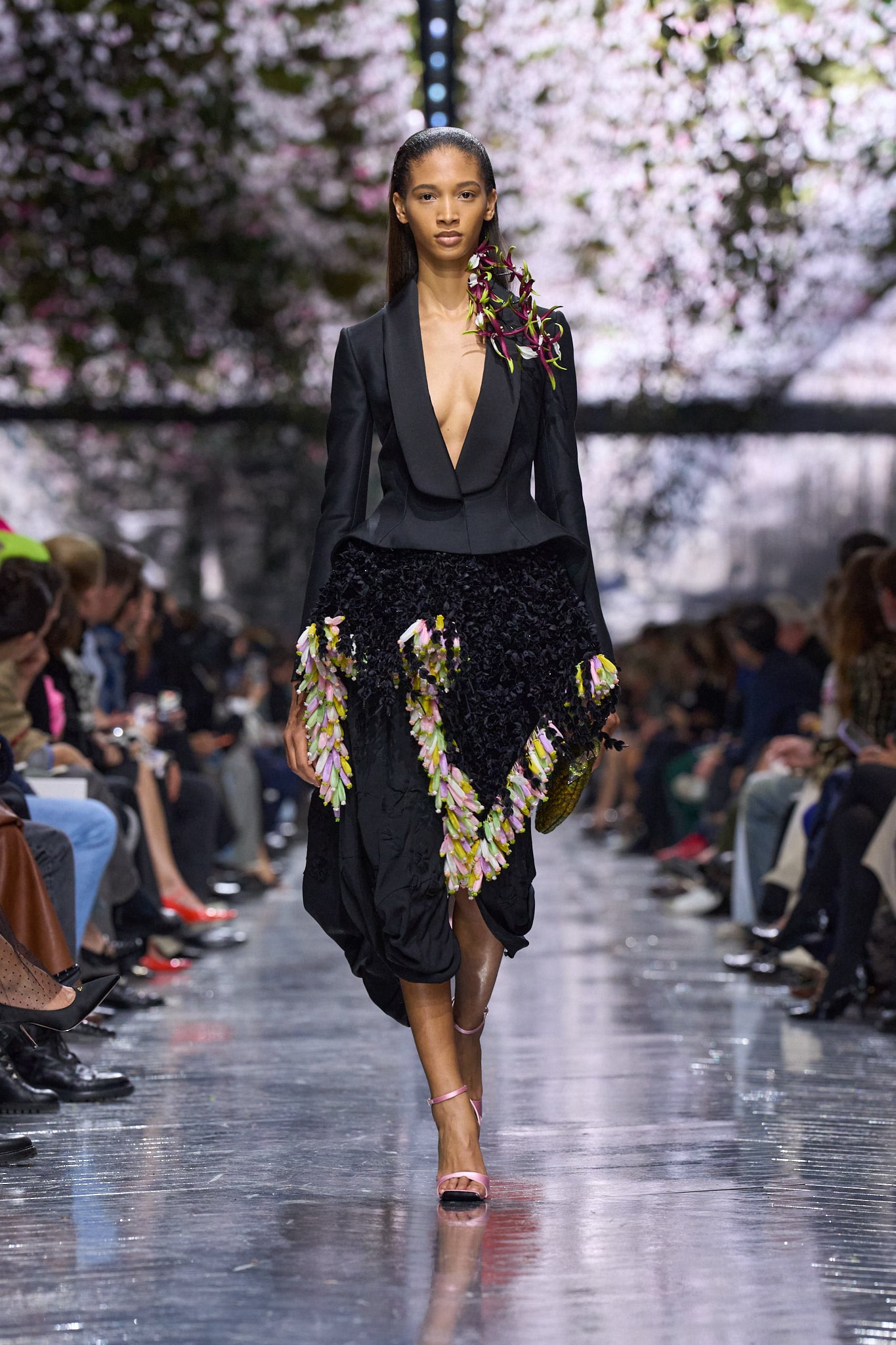
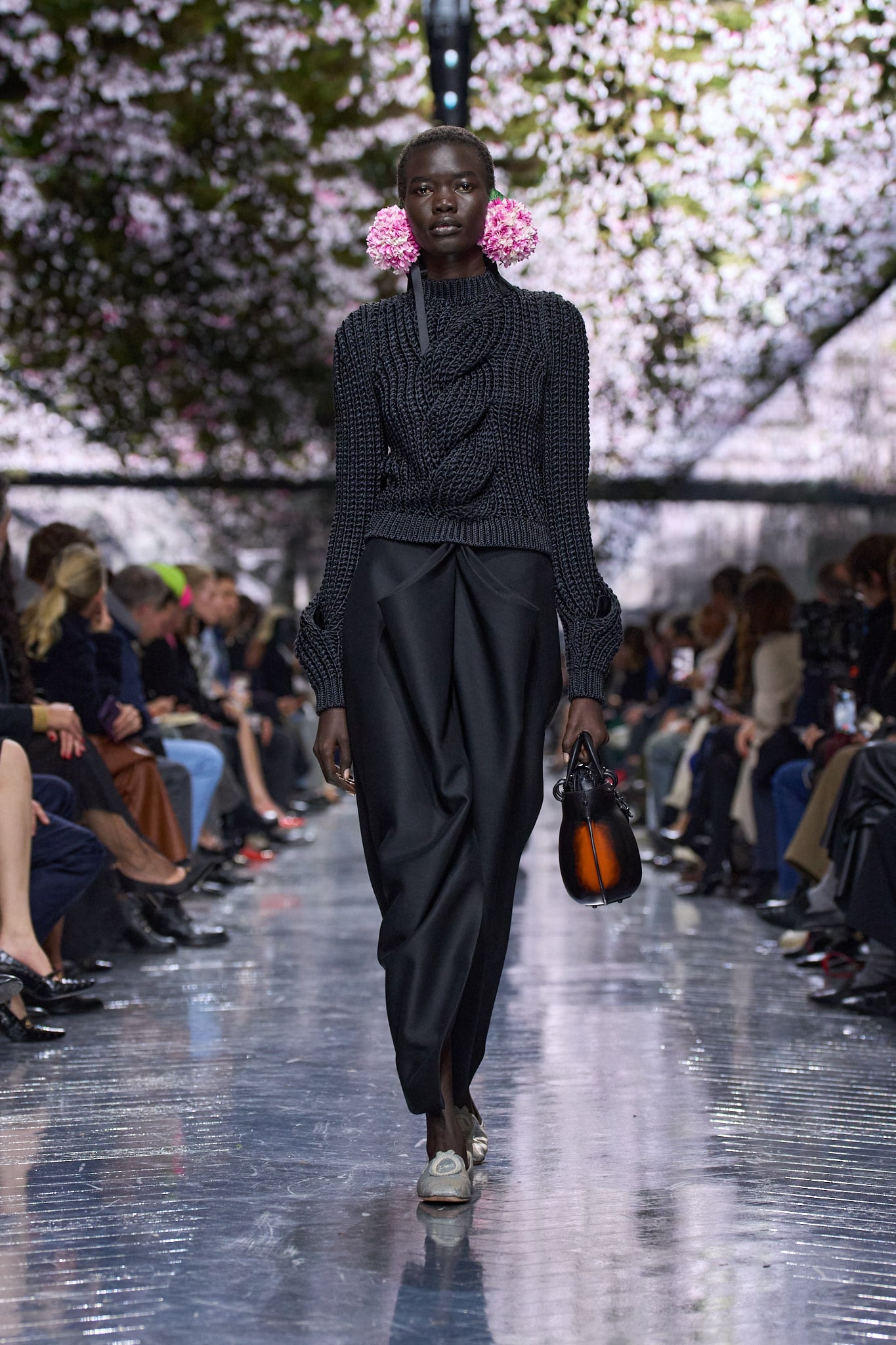
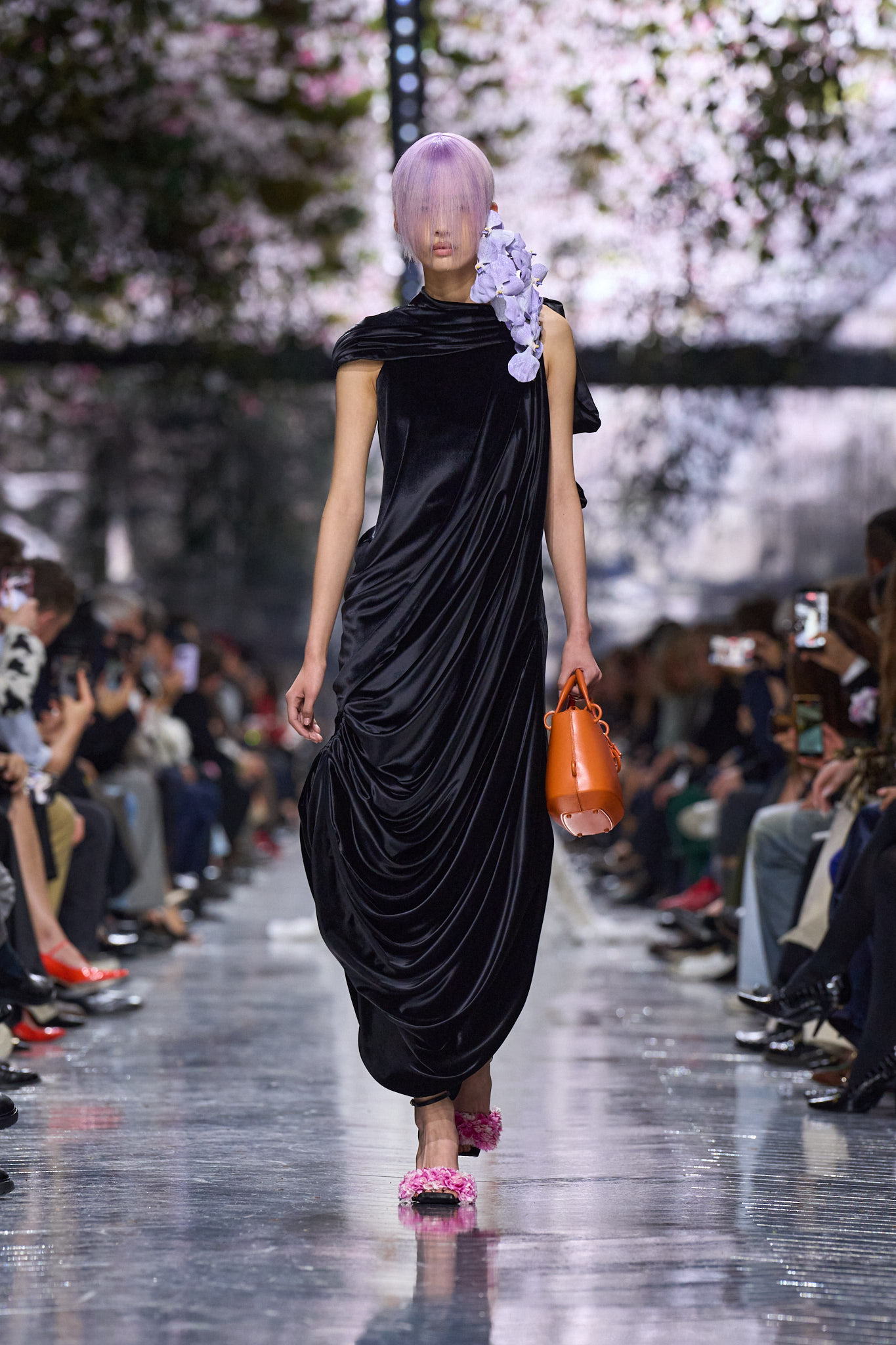
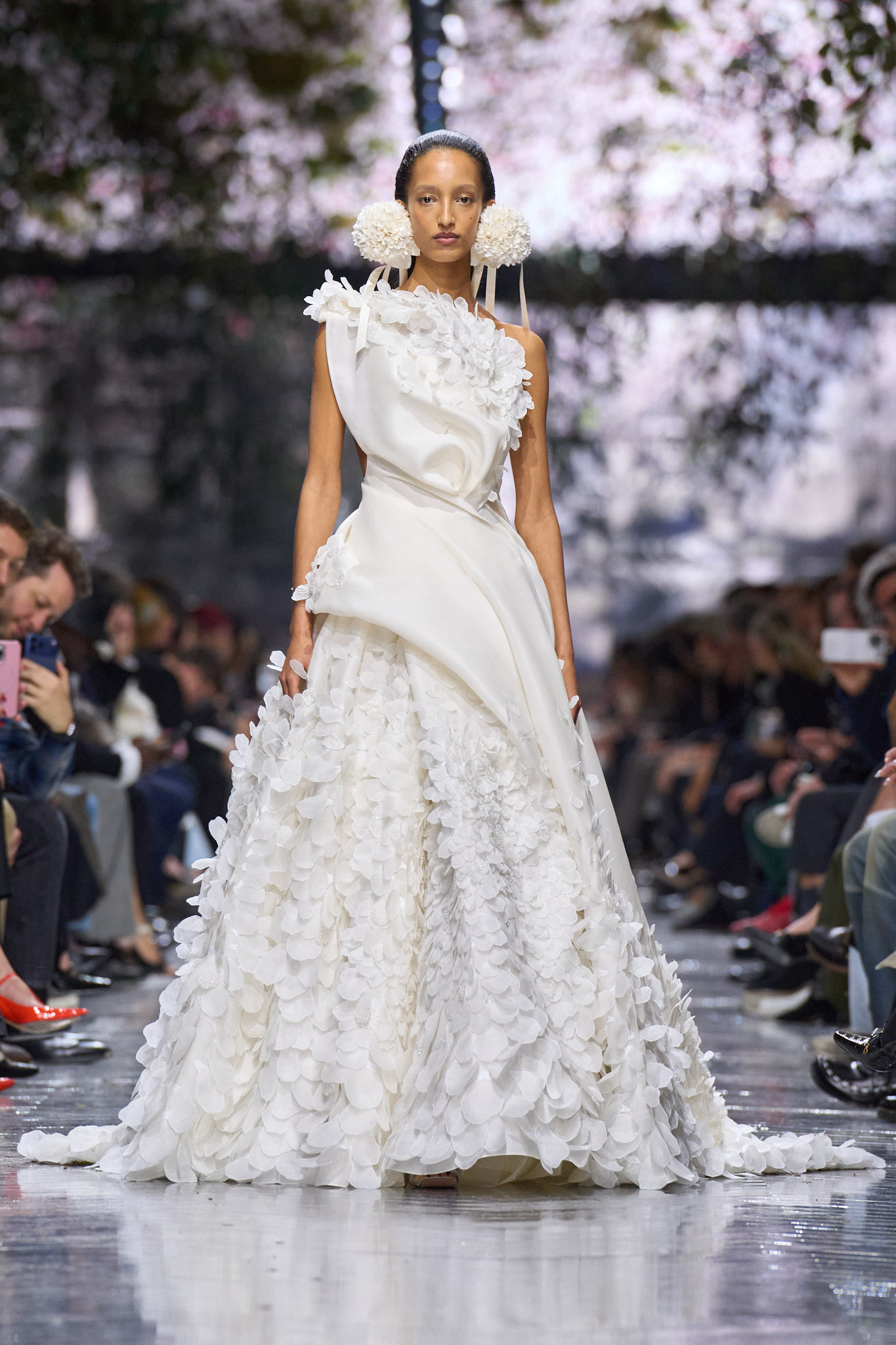
Staged at the Musée Rodin, the Spring/Summer 2026 show marked the designer’s formal entry into couture after a striking ready-to-wear debut last year that perfectly balanced homage and legacy with the distinction and forward innovation of a new chapter. And just as that collection did, this couture show presented as a bold continuation of a revered practice in the House’s history, drawing inspiration from nature’s ever-evolving processes.
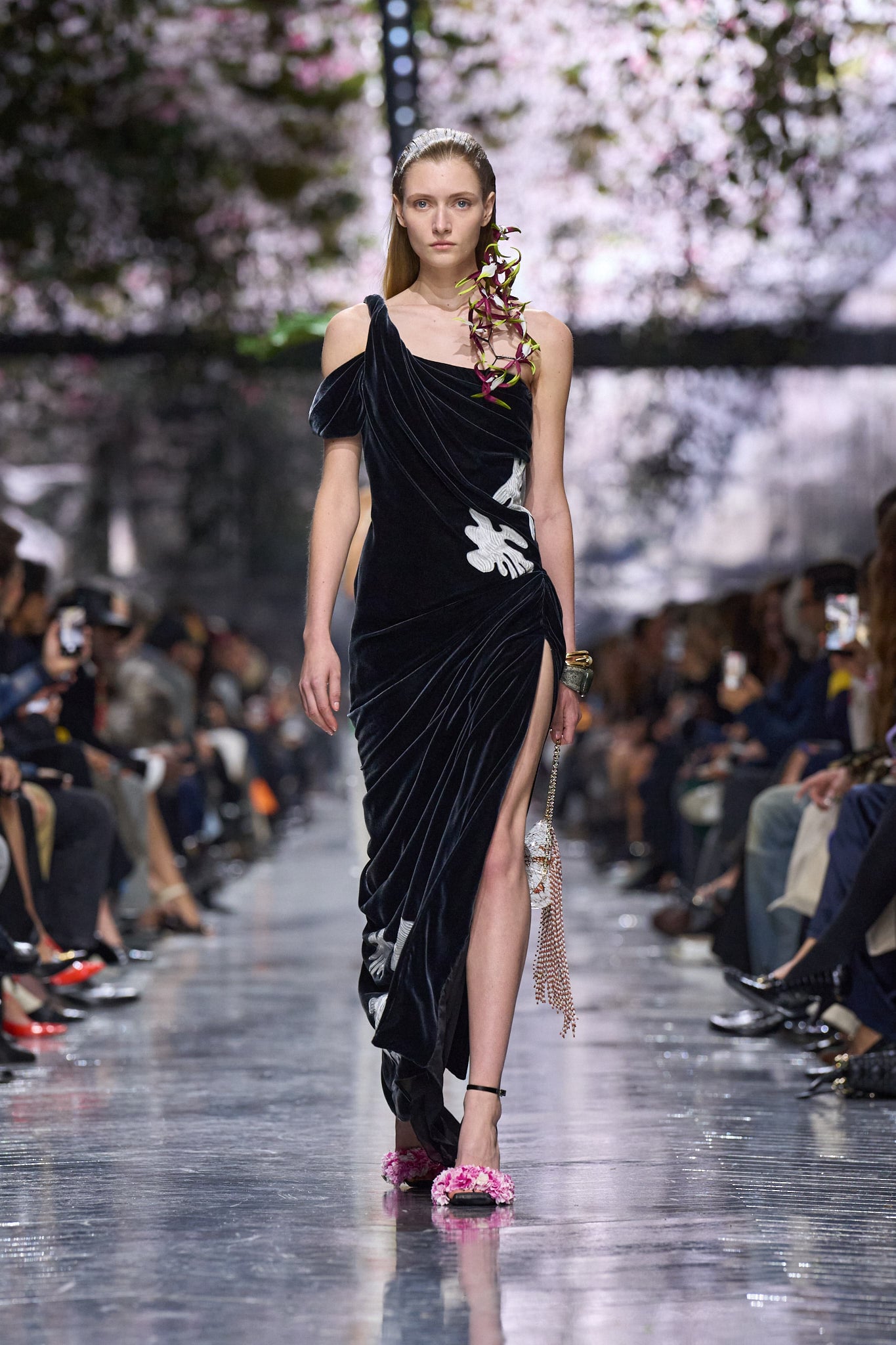
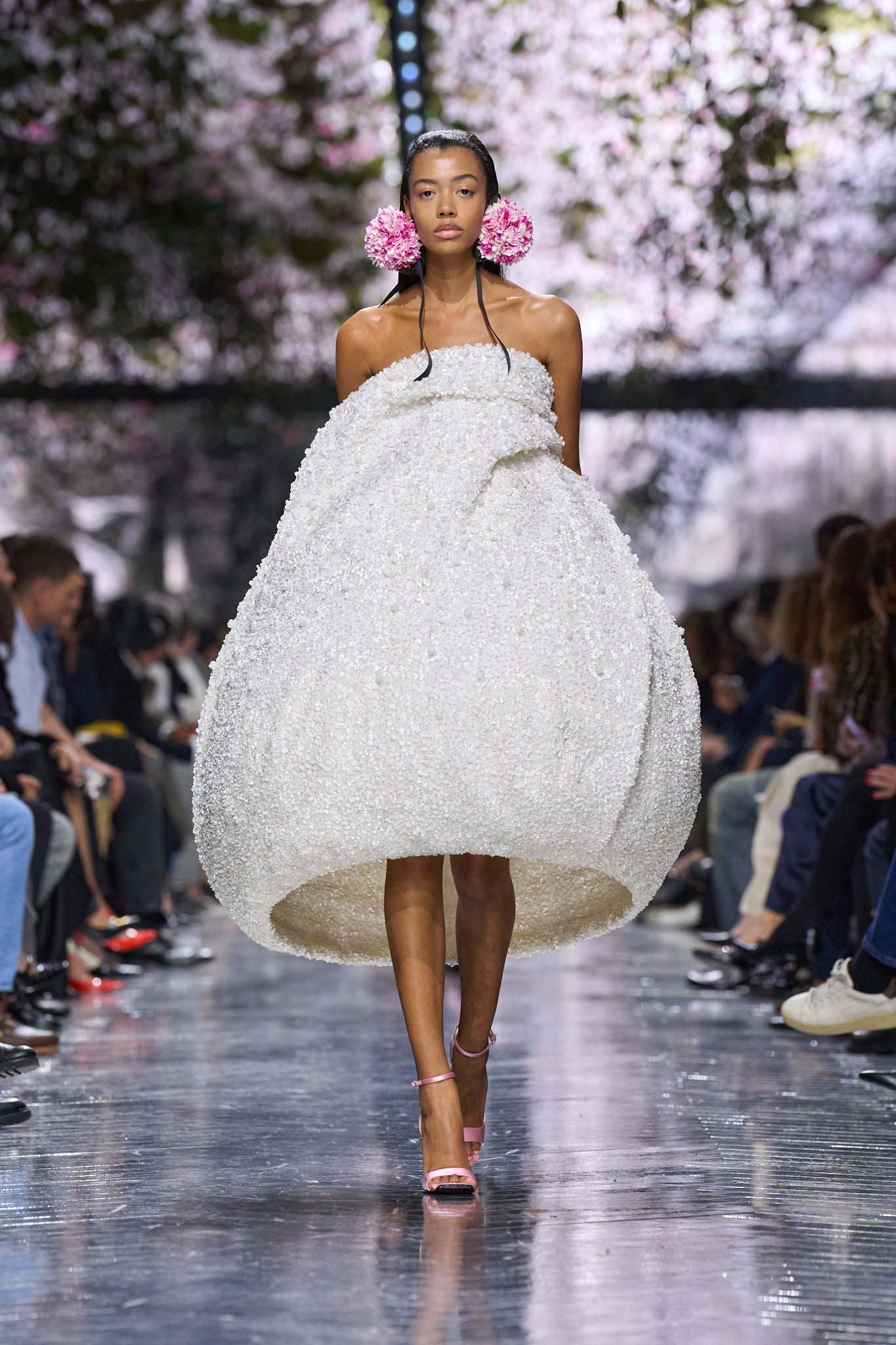
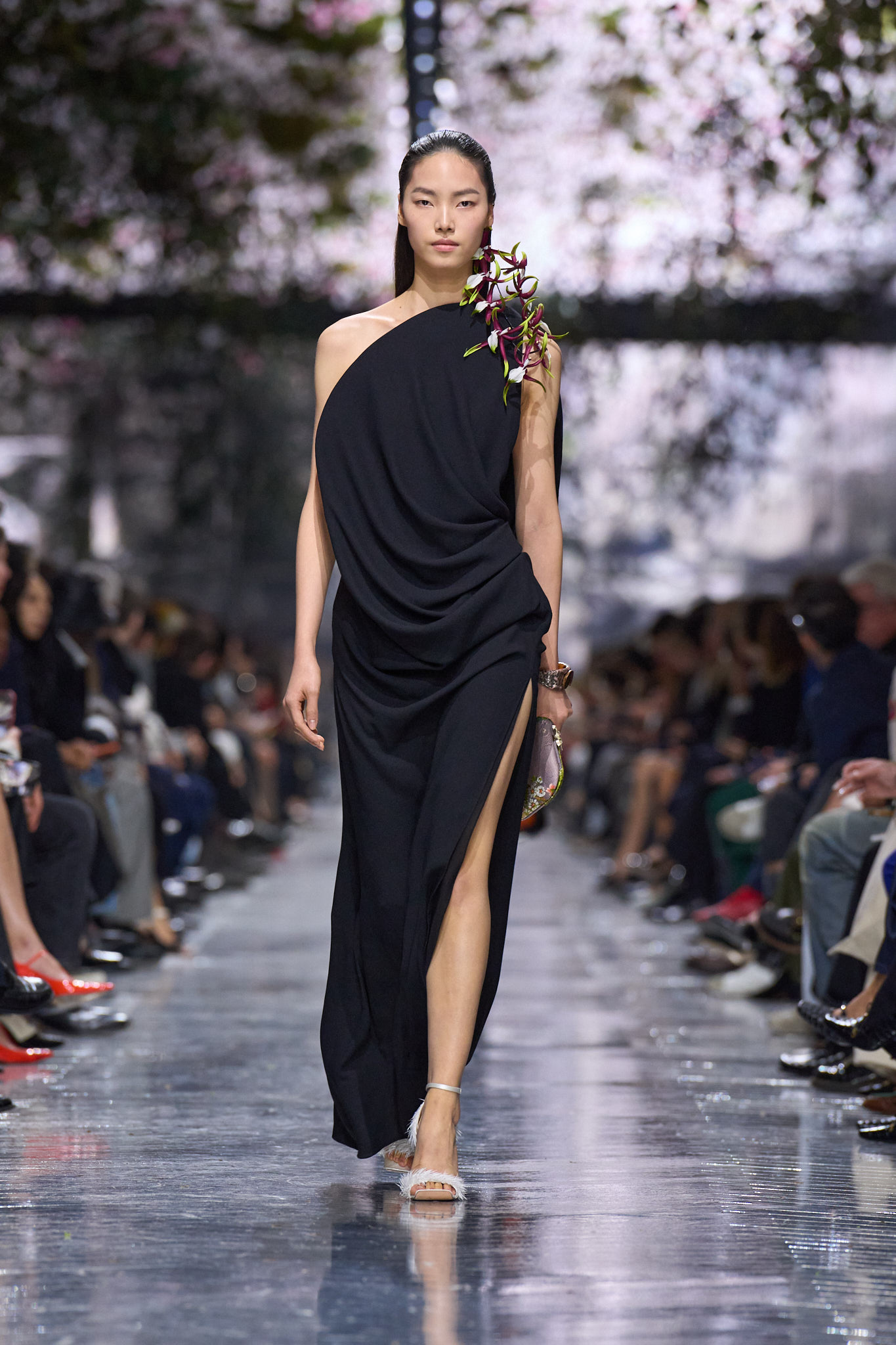
“When you copy nature, you always learn something,” Anderson noted in the shownotes, framing the collection as a study in systems rather than symbols. Nature, here, was not decorative but structural—its logic and adaptive DNA mirrored in twisted pleats, draping and garments that appeared malleable and organic rather than constructed. The New Look’s hourglass was reimagined as silk georgette dresses spiralling around the body “like clay thrown on a pottery wheel,” inspired by the work of ceramicist Magdalene Odundo, whose anthropomorphic forms echoed throughout the show.
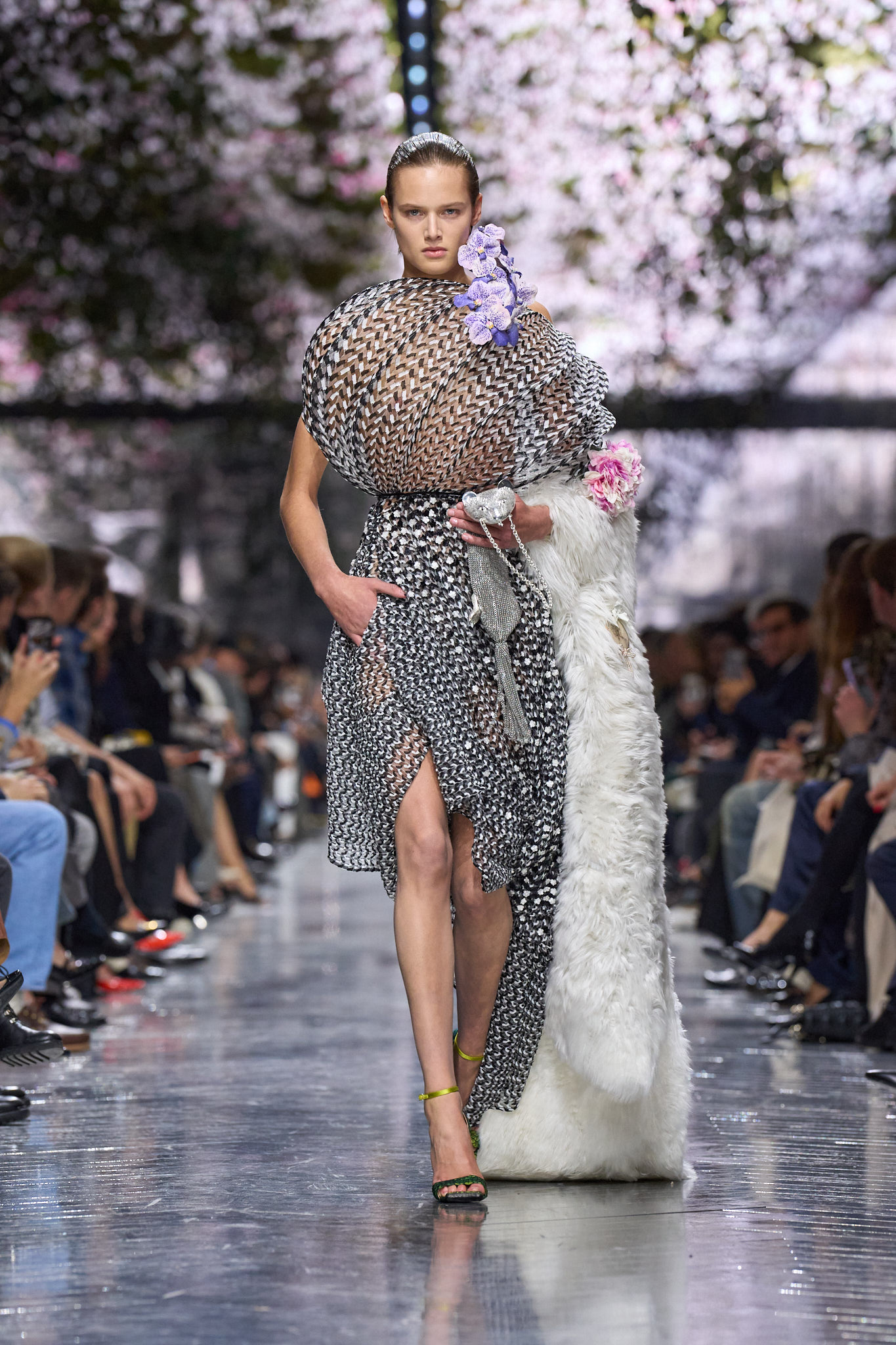
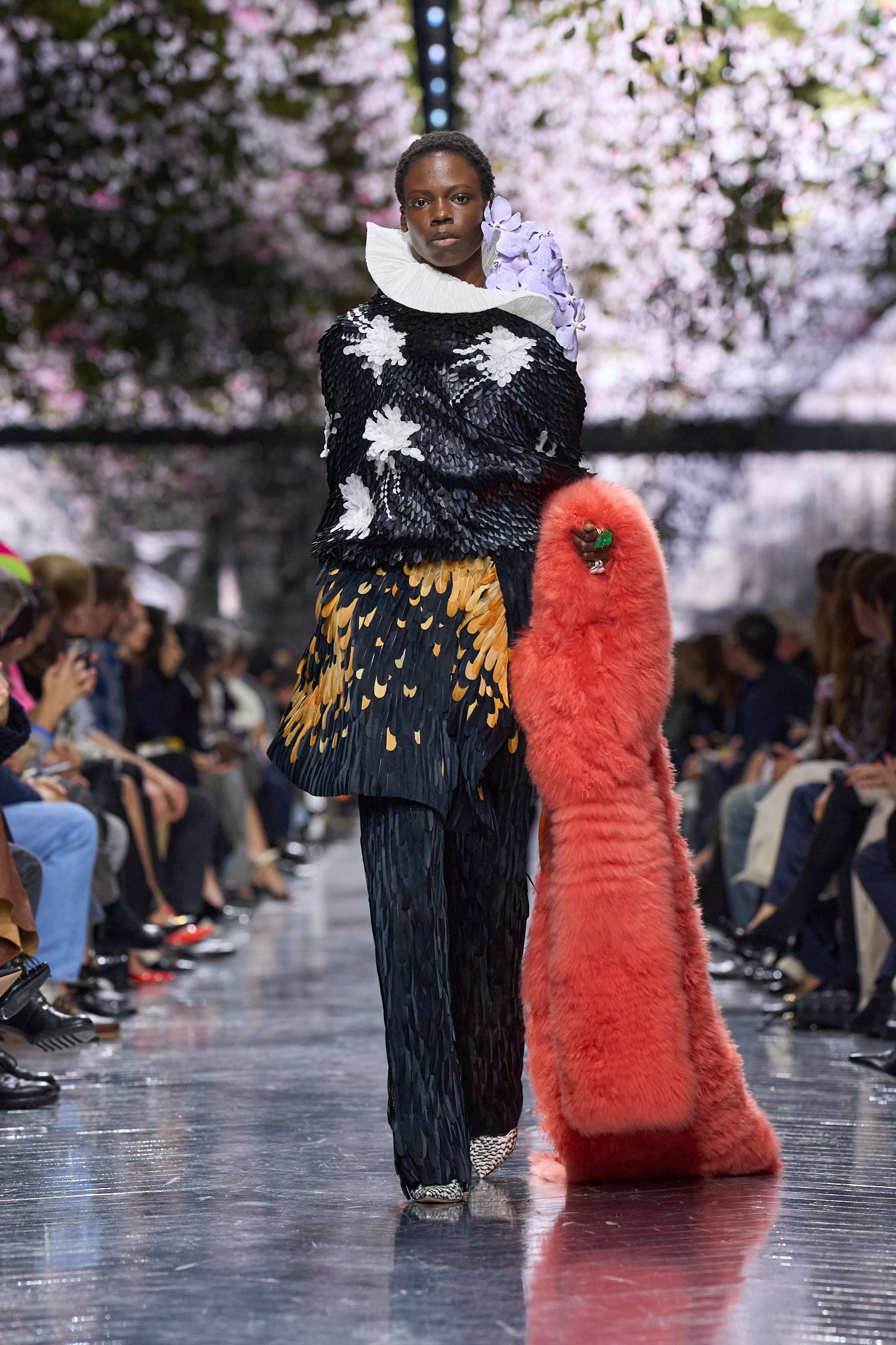
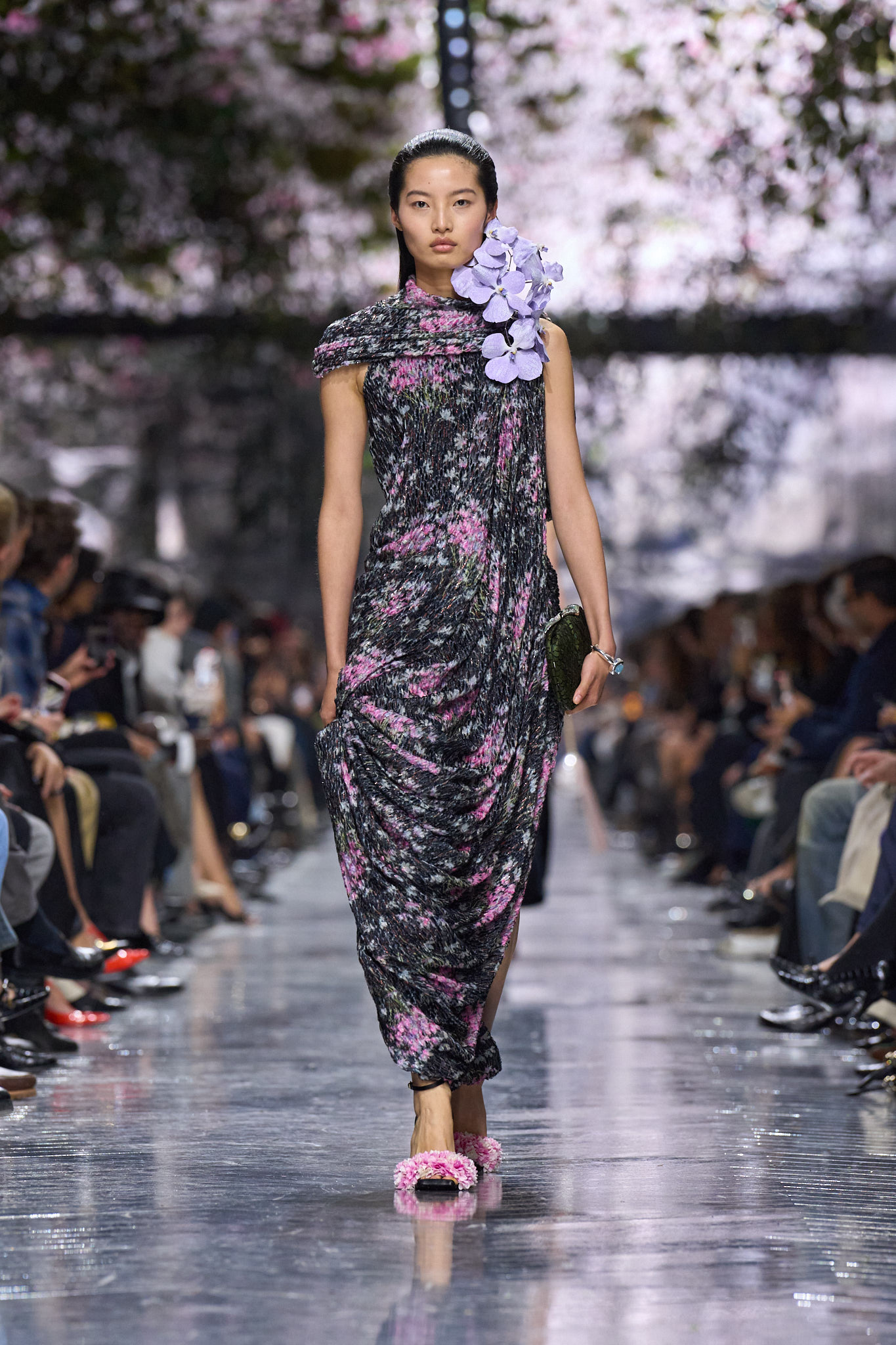
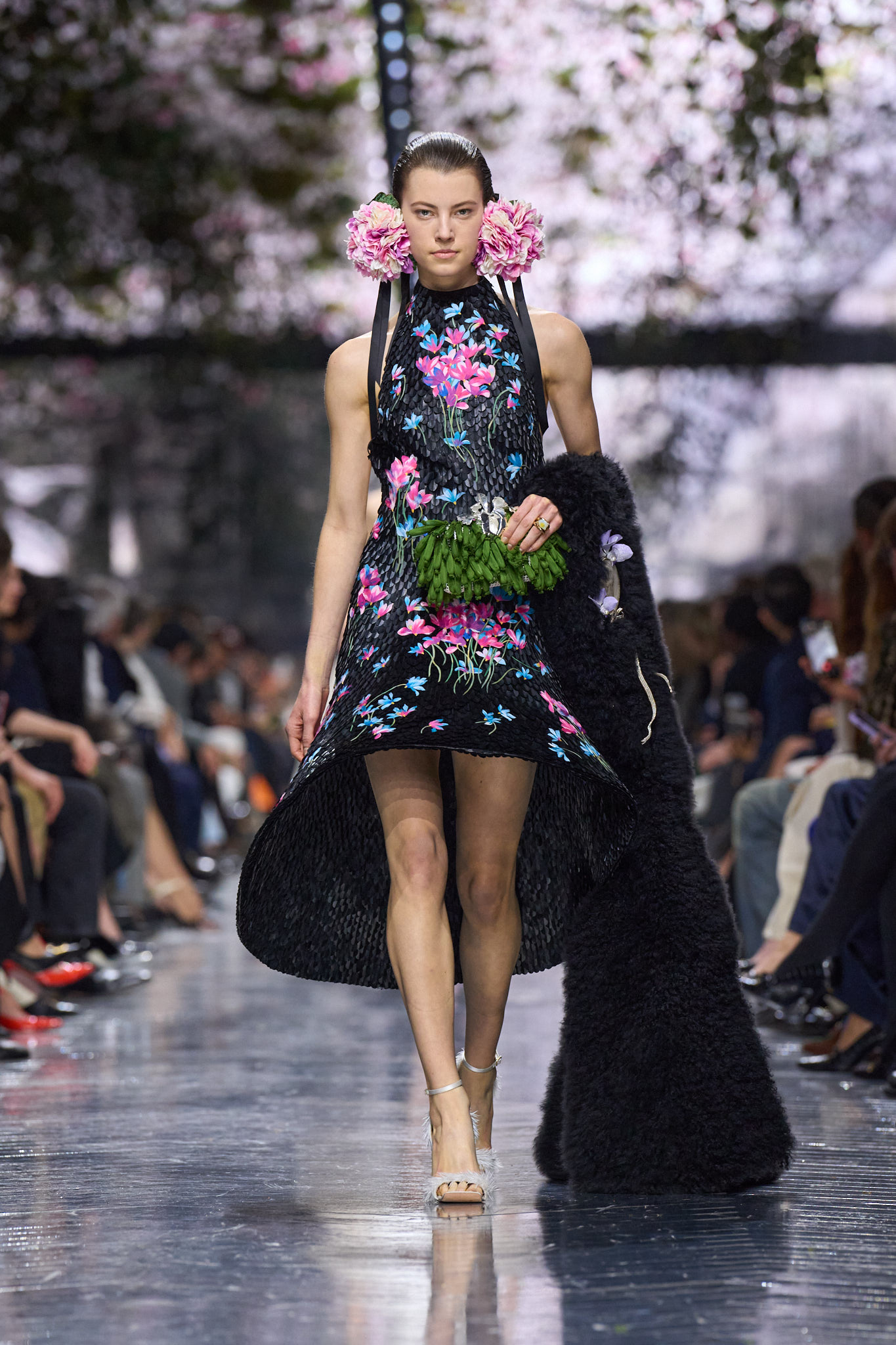
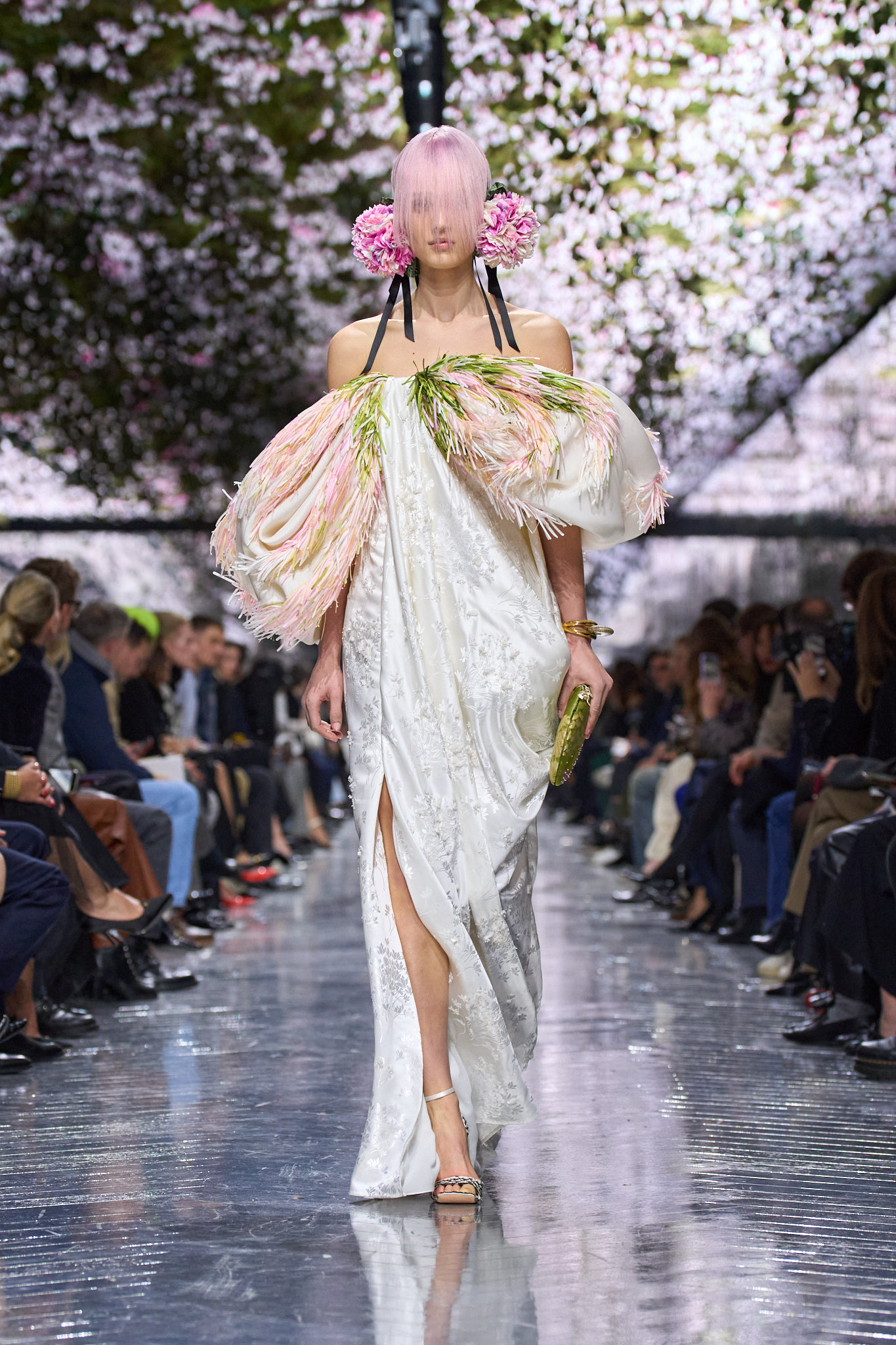
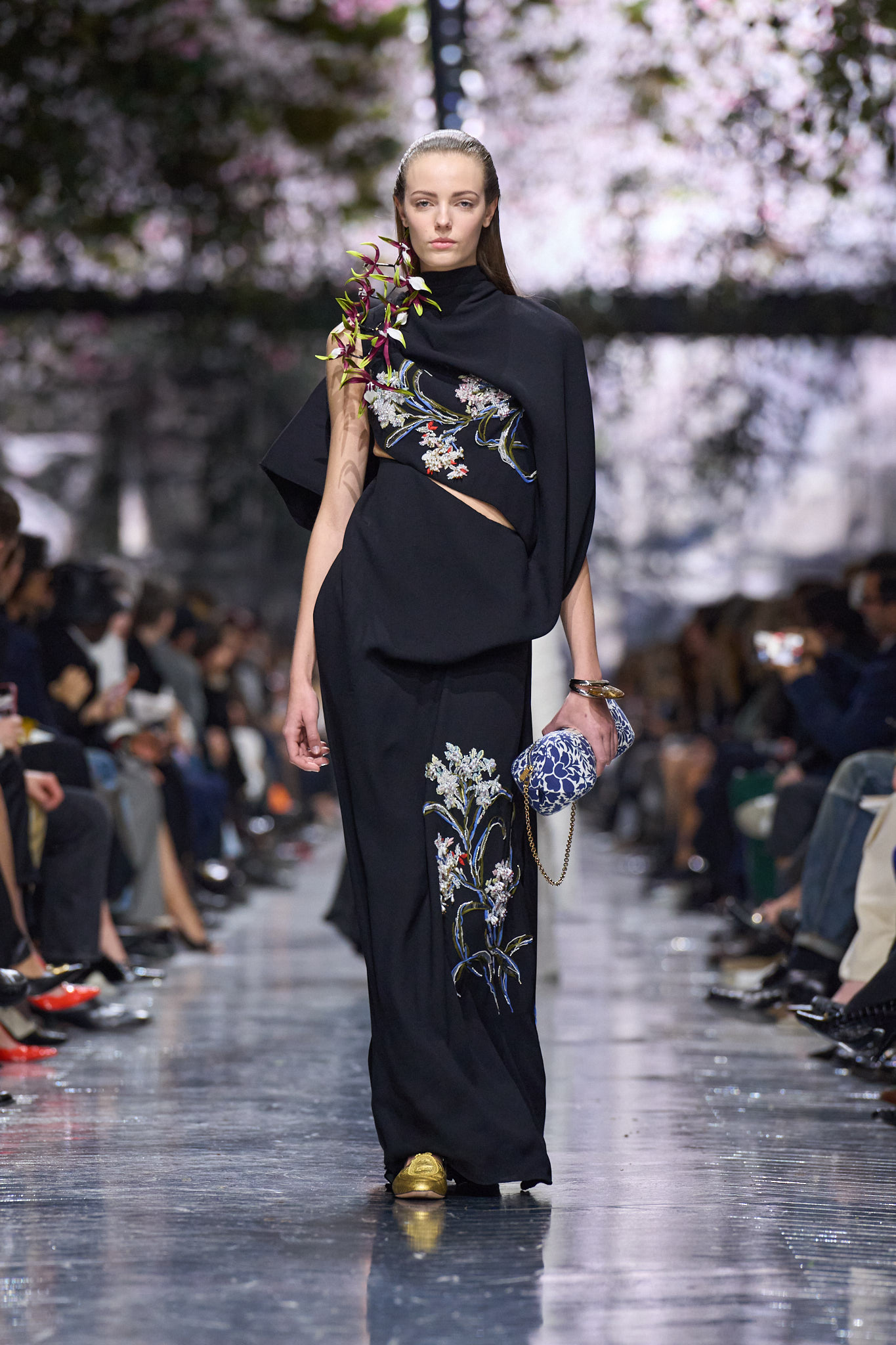
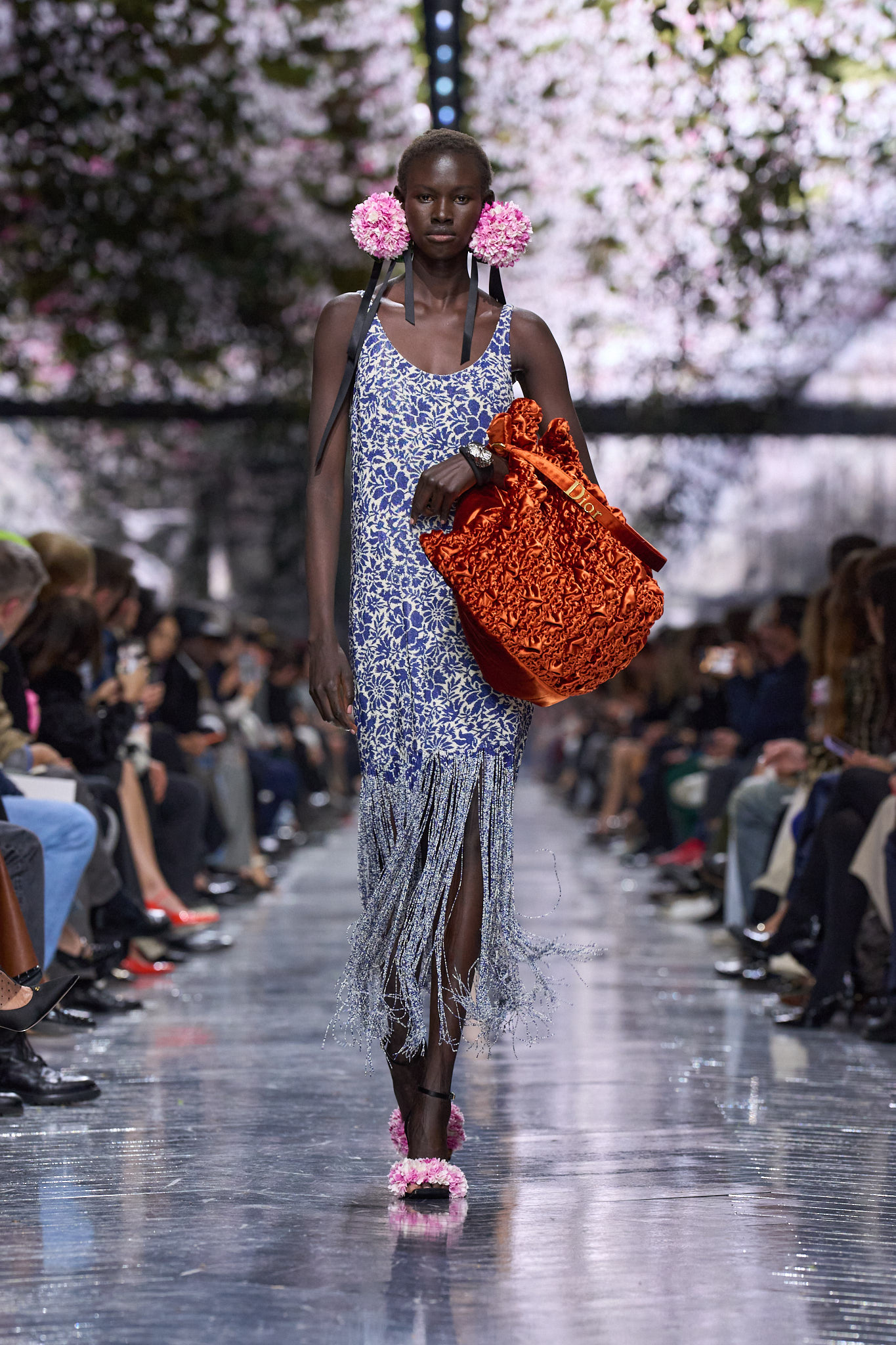
The collection unfolded like a carefully assembled wunderkammer. Fossils, meteorites, 18th-century French textiles and portrait miniatures were not treated as museum pieces but as prompts for wearable art. “Nature offers no fixed conclusions, only systems in motion—evolving, adapting, enduring… Haute couture belongs to this same logic,” Anderson noted. “It is a laboratory of ideas.” Dresses bloomed with cyclamen, sometimes rendered as micro-embroideries, sometimes scaled up into sculptural bouquets—a sweet tribute to the flowers John Galliano gifted Anderson during a visit to the atelier. It was a poetic baton pass, and Anderson took it seriously.
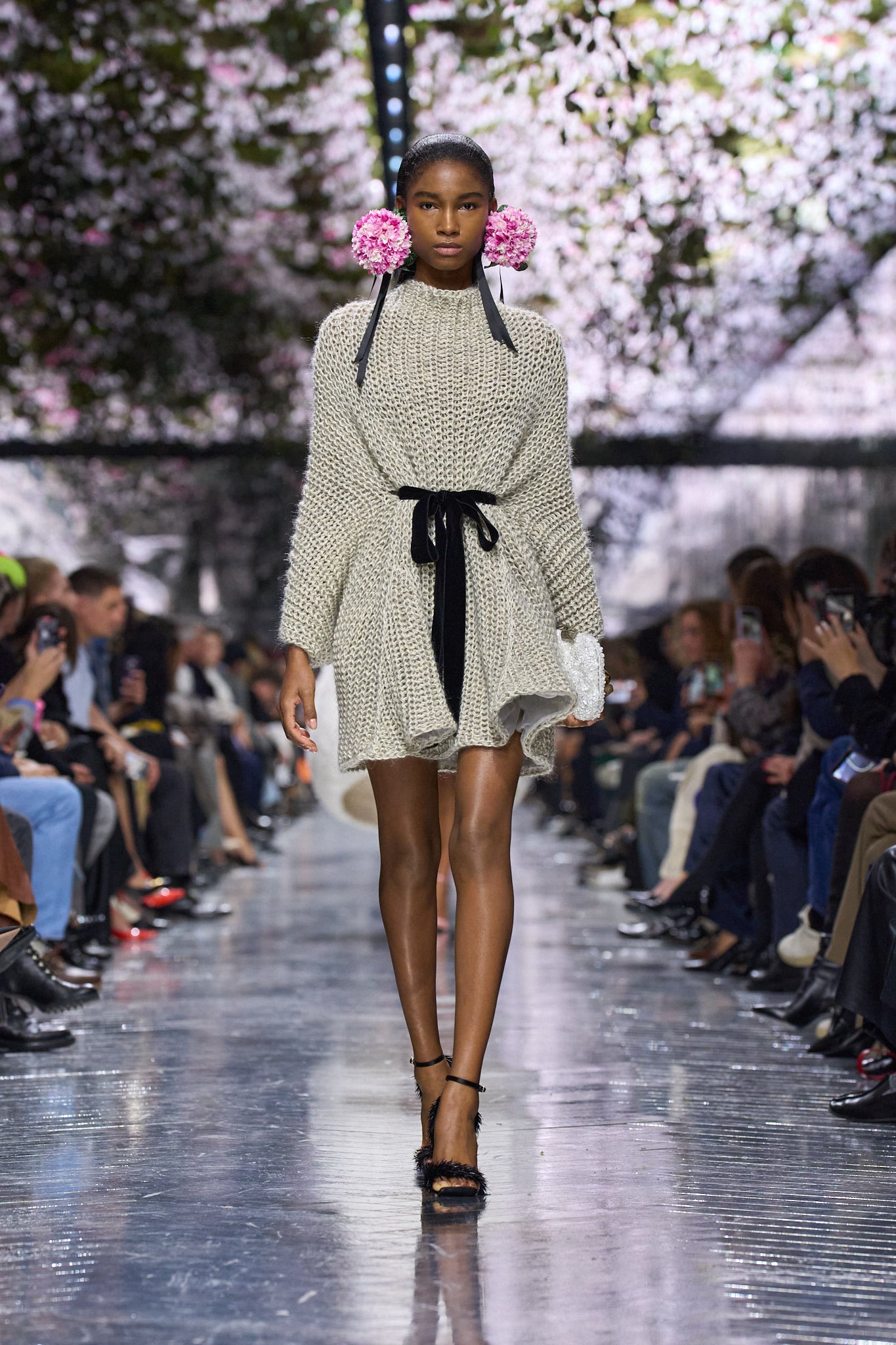
Embracing the craft of couture, handwork drove everything. Knitwear infiltrated couture silhouettes; chiffon and organza were shredded and layered like feathers; ballooning forms were restrained by delicate netting. Accessories, too, were given equal conceptual weight. Moulded handbags made their couture debut as sculptural objects, while shoes referenced archival Roger Vivier designs with a sly confidence. Jewellery incorporated meteorite fragments and 18th-century miniatures, collapsing the sublimity of time into something wearable.
Dior’s mythology has long made muses of natural forms and curves, but with this collection, Anderson embraces curiosity over nostalgia, and craft over commerce—a sentiment he continues to back in himself. “I believe that ideas can make money,” he said simply during interviews. If this debut is any indication, couture at Dior isn’t just about sealing a legacy, but keeping it in motion.
After the show, that philosophy was made literal. From January 27, Rodin will host Grammar of Forms, an exhibition placing Anderson’s couture alongside archival Dior and Odundo’s ceramics. It’s an open invitation to look closer, ask questions, and understand couture not as myth or aspiration, but as a living practice.