



News feed


Some fifteen years ago I wrote my final dissertation for my literature masters on the construction of the Self. Entitled Masterpieces vs. Metapictures, it pre-dated the current day dysphoria commonly articulated in the expectations vs reality aspect of social media and explored “who” we really are. In essence, I jostled with two truths of being: are we who we think we are (the ideal self), or who others think we are (the perceived self)? Potentially these can be the same, but are they? Ultimately, the truth in the answer is irrelevant as many wish they were anyone but themselves.
As early as infancy, we come to realise we exist as a separate entity from others, only to then become aware that we are also an object in the world. Just as inanimate objects, people have properties, and can be put into categories. These start innocently enough; age, eye colour, personal interests. “I am six”. “I like shoes”. It’s only later that self-description begins to include reference to internal psychological traits, comparative evaluations and how others see us.
When I was younger, I would describe myself more in terms of personal traits, but as I am now well into my thirties, I find I am defining myself more by my social roles. For many of us, questions of who we are become manipulated in both the online and offline worlds; physical descriptions are presented with the Facetune app and we casually lie, embellishing certain skills on a first date. As we go to press, existential statements of solidarity are expressed for Ukraine with media headlines on our Instagram feeds, but we cannot carry a conversation about our involvement in this war in person.
The ideal self is by no means a new or digitally effected concept. Western culture has been highly familiar with self-depictions since the Renaissance; when German painter and theorist Albrecht Dürer signed his famous “Self-Portrait at 28” work with his imposing monogram “AD” in 1500 he did not just finish a masterpiece, but set the foundation for quite a persistent cultural movement to continue for the next five centuries: the phenomenon of self-depiction or, as we would call it today, the selfie. While Dürer manifested “only” three self-portraits in oil, Spanish painter Diego Velázquez created four self-portraits from his entire oeuvre of approximately 120 paintings, and others formed even more prolific self-construction; Vincent van Gogh produced an excess of 43 self-portraits and similar inclinations towards selfies were found in the works of Egon Schiele, Edvard Munch, and of course Frida Kahlo.
Essentially, the self-portrait is based on the idea or desire to freeze, maintain or to document a fluctuating but perceived important slice of life. This privately composed image springs from the inner life of the person, who plays both the subject and spectator in their story. Before presented to those around us, the moulding of this masterpiece is a profound internal dialogue, guided often by vulnerability and marked of course by the additional pretence of being authentic. We do this because we want to convey a very specific image of ourselves; a rather euphemistic, self-serving story that is of course far from authentic and certainly fleeting.
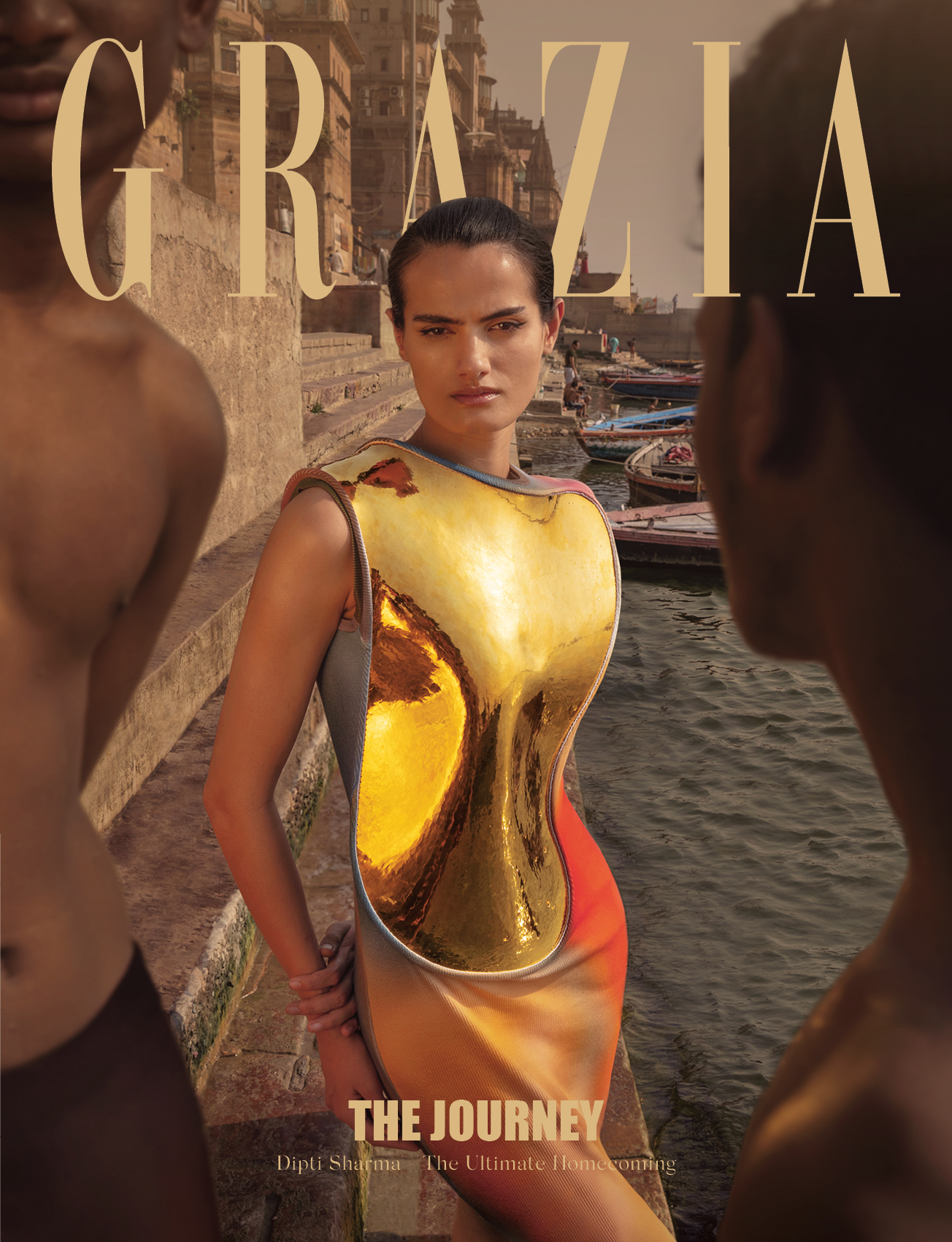
When taking a selfie in the digital sense, we dismiss the majority of attempted shots as weird, uncharacteristic or unflattering, not because there’s something wrong with the camera, but because it caught a metapicture of features from a melody of expression which, when arrested and frozen, fails to strike us in the same way we had painted our masterpiece. Ultimately the loss of time and dimension concentrating on achieving this masterpiece stops in motion the journey that life has for us. This is why we chose ‘The Journey’ as the theme for the issue you have in your hands. There are many colours, tones, highs, lows, shades, geographies, cultures and travellers in our stories, not just a single choreographed image.
GRAZIA 11 is an odyssey of literal, figurative, emotional, and cultural journeys that attempt to persuade you away from well-planned presentation into an intuition- based spontaneity.
The collection of stories we have captured are dedicated to my brother, Bennet, whose road of trials in creating a masterpiece might be over, but the metapictures he has left with me will remain for chapters to come. In life, he has taught me to be aware of the stories I tell myself.
MARNE SCHWARTZ
@MARNELENOIR
Pre-Order GRAZIA 11: The Journey here.
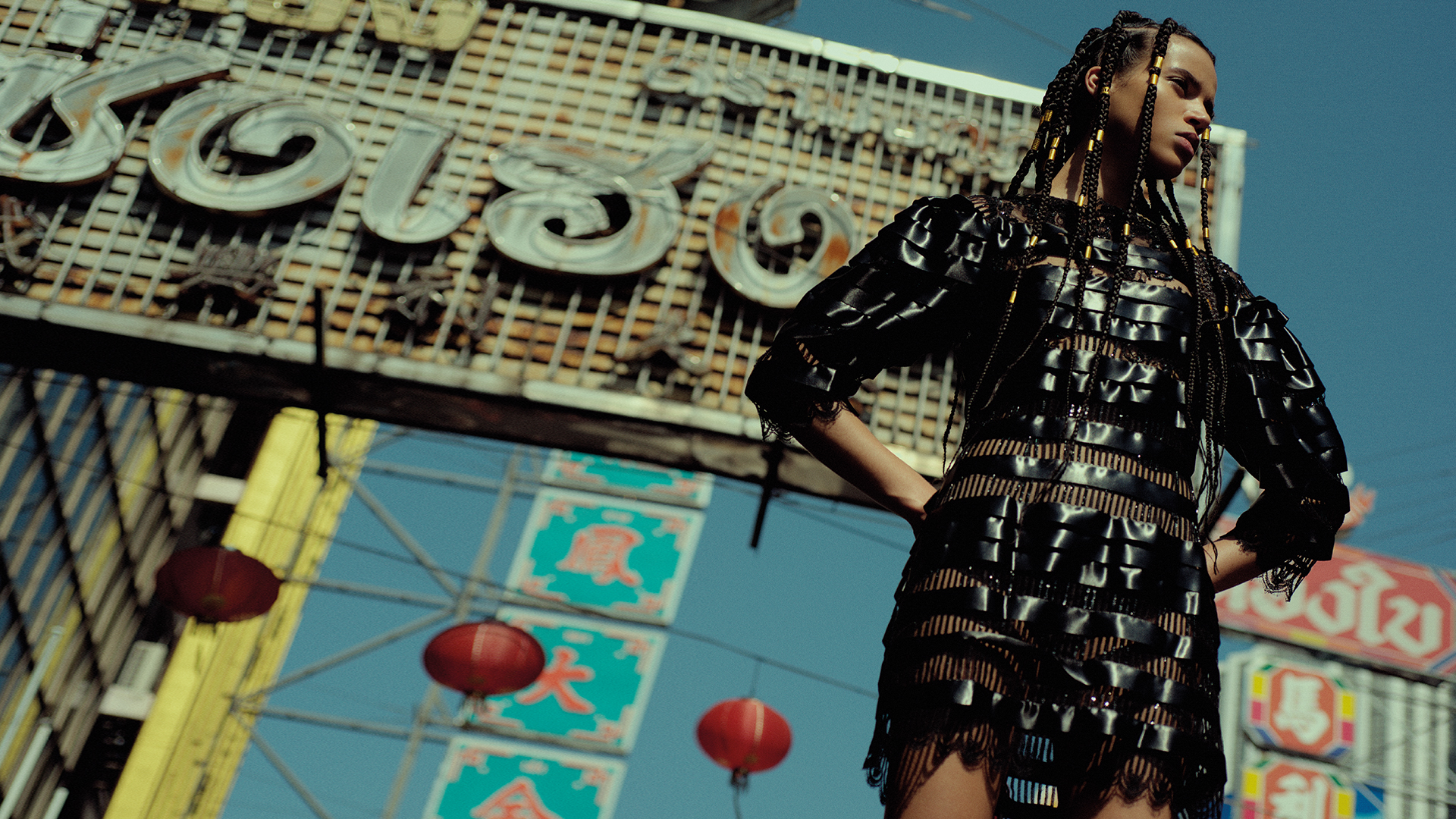
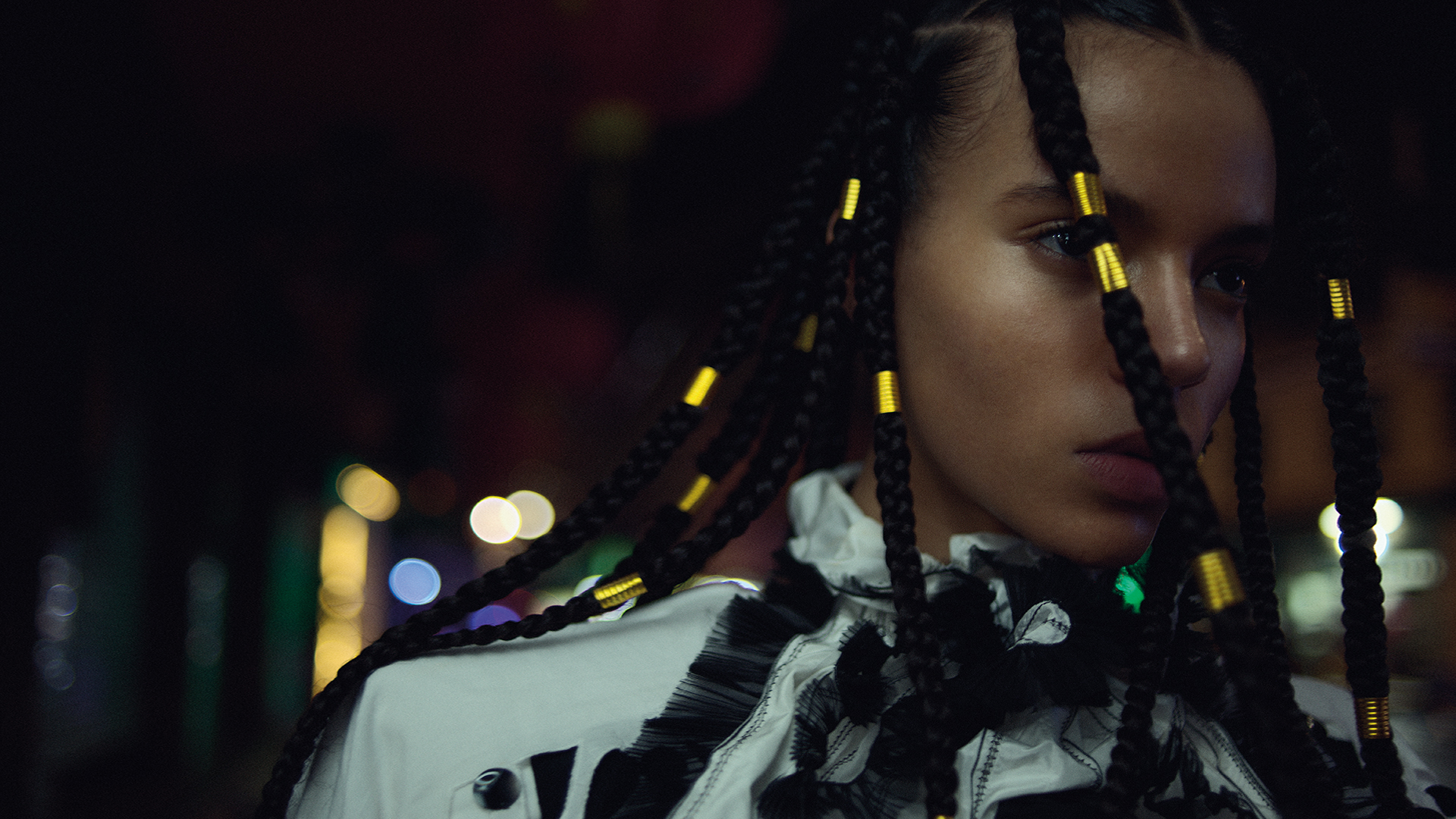
Header image: “Night Owls, Early Birds”, a fashion editorial in the latest edition of GRAZIA. Credit: Paul Morel


